Choosing the Right Commercial Warehouse Supplier

application/commercial-warehouse, application/commercial-warehouse, 
Inquiry
Inquiry

commercial warehouse

In the  realm of  commercial warehouse construction,  selecting the right suppliers  and understanding the  specifications involved are crucial for effective project  execution.  A commercial warehouse is a vital component  for  businesses needing to store  and distribute products  efficiently. As a purchasing manager  or distributor, your  concerns may revolve around quality,  cost, and suitability  for specific  applications. This article will guide  you through the essential aspects of sourcing commercial  warehouse suppliers, evaluating specifications, and addressing installation challenges, helping you  make informed decisions.


Why choose Xingyuanxing commercial warehouse

Our Products

What to Consider When Sourcing Commercial Warehouse Suppliers

When sourcing  suppliers for  commercial warehouse solutions, start by evaluating their experience  and capabilities in the steel structure industry. Look for manufacturers with a  proven track record in steel structure engineering design, fabrication, and  installation. Verify their experience in  your specific region, as local suppliers may have better knowledge of regional regulations and logistics.

Quality assurance is  another vital factor.  Suppliers  should adhere to stringent  quality control processes to ensure that  the materials used can withstand operational demands. Request  information about their certifications and quality systems,  as these can indicate a commitment  to maintaining high standards. Additionally, consider the supplier's  customization capabilities. Depending  on your operational needs, you may require  specific dimensions, load-bearing capacities, or additional features. A supplier that can adapt their products to meet your unique requirements will provide  added  value and flexibility. For instance, if you are looking for reliable steel components, you might consider Galvanized Several-Shaped Steel Profiles 50*70mm For Greenhouse Frames as a potential option.

Frequently Asked Questions

Our Blog Posts

What Our Partners Say

Where to Find Reliable Suppliers for Bulk Warehouse Orders

Where to Find Reliable Suppliers for Bulk Warehouse Orders

Finding  reliable suppliers for  bulk warehouse orders  can be done through several channels. Industry trade shows and exhibitions offer excellent networking opportunities where you can meet potential suppliers face-to-face and evaluate their products firsthand. Online platforms such as  B2B  marketplaces also provide a  vast database of  manufacturers, allowing you to compare prices, specifications, and customer reviews.

You  can also reach out to industry associations or local  business networks for recommendations on reputable suppliers. Engaging with  peers can yield insights into their experiences  and help you identify  trustworthy companies.  Always conduct  thorough due  diligence by checking references  and examining past  projects  to ensure  the supplier's reliability and capability.

 
Key Specifications for Commercial Warehouse Steel Structures

Key Specifications for Commercial Warehouse Steel Structures

Understanding the key  specifications of commercial  warehouse steel structures is essential for  ensuring they  meet your operational needs. Important factors to consider include:

Material Quality: Steel used in warehouse construction must  have the  right tensile  strength and corrosion  resistance. Commonly used materials include hot-rolled  steel and cold-formed steel, each offering different performance characteristics.

Dimensions and Load Capacity: The  dimensions of the steel beams and columns must align with your warehouse's design and intended use.  Load  capacity is critical; ensure that the structure can support the  weight of stored goods and any additional equipment. For example, Hot-Rolled U-Shaped Channel Steel Q235B For Industrial Equipment Base Support can be an essential component in achieving the necessary load capacity.


Seismic and Wind Resistance: Depending on your geographical location, warehouses may need to meet  specific seismic and wind resistance standards. Confirm that the supplier's designs comply with local building  codes and regulations.

Insulation and  Energy Efficiency: Insulation materials and installation  methods can significantly impact energy efficiency. Discuss insulation options with your supplier  to ensure that your  warehouse meets energy-saving standards.

Recognizing these specifications will help you assess whether a supplier's offerings align with your project requirements.

How to Choose the Right Warehouse Design for Your Needs

How to Choose the Right Warehouse Design for Your Needs

Selecting the appropriate warehouse design begins with understanding your operational workflow. Identify the types of goods you will store and the logistics involved in their movement. For example, if your operations require high shelving for storage, you may need  a  design that  maximizes  vertical space.

Consider the following  design elements:

Layout: The warehouse layout should facilitate  efficient  material handling and minimize  movement distances. An open layout can enhance flexibility but may require careful  planning regarding load-bearing capacities.

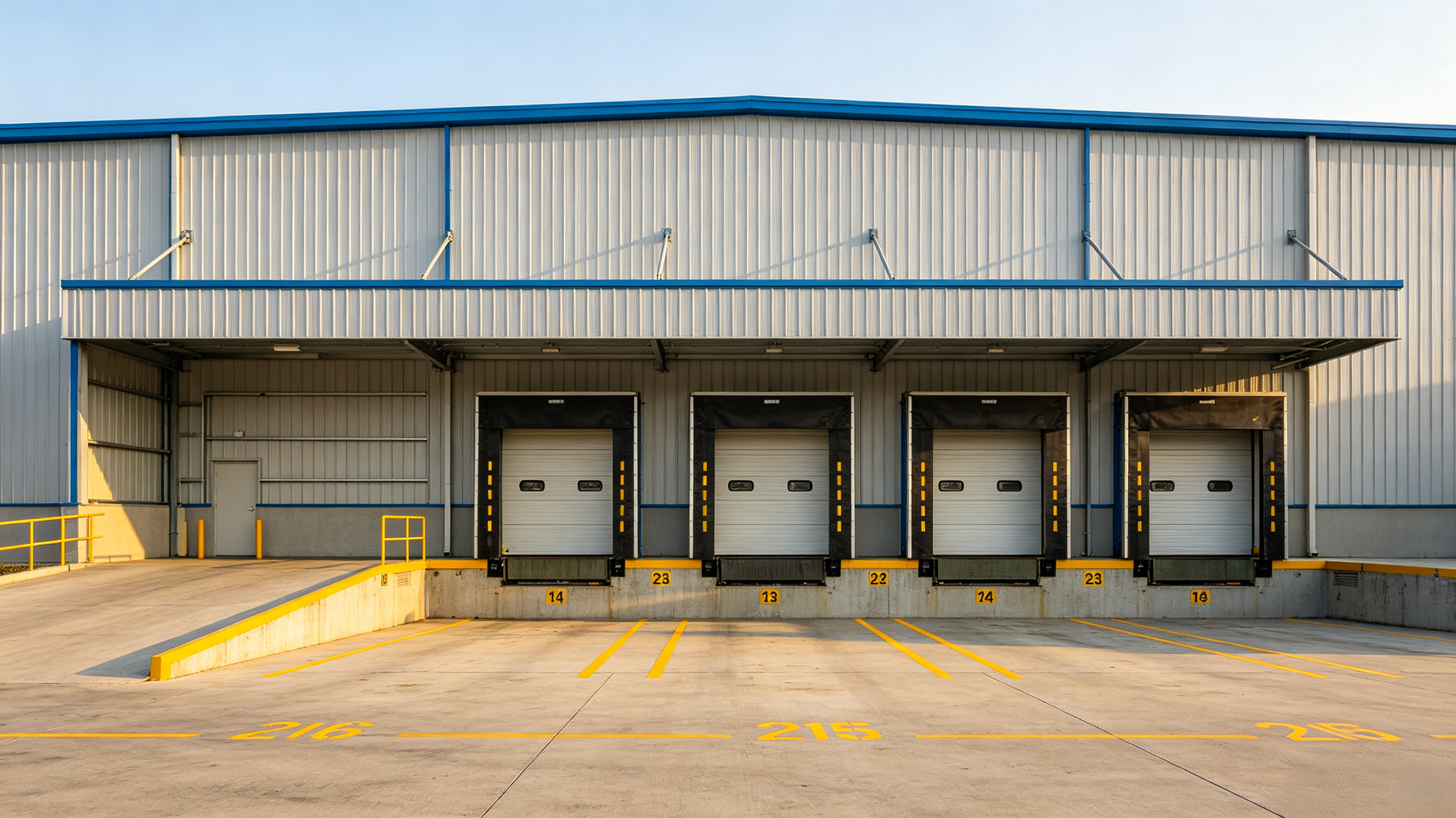
Access Points: Ensure the design includes adequate loading docks and  access  points for trucks and other vehicles. This will help streamline the loading and unloading  processes.

Future  Expansion: Plan for growth by considering designs that allow for future  expansion. Modular designs  can provide the flexibility to  adapt as  your  business  evolves.

Engaging with a  supplier that offers design consultation can help you refine your requirements and achieve an optimal solution.

Common Installation Problems and Solutions for Warehouses

Installation of commercial warehouse structures can present several challenges. Some  common issues include:

Misalignment of Components: During installation, misalignment can lead  to  structural weaknesses. To mitigate this,  ensure that  your supplier  offers detailed installation guides and that skilled workers are involved in the assembly process.

Weather-Related Delays: Weather conditions can  impact installation timelines.  Have contingency plans in place, such as scheduling  flexibility and considering temporary protective measures for materials.

Inadequate Site Preparation: Before  installation begins, ensure that the  site is adequately prepared. This  includes  proper foundation work and  leveling of  the ground to support the structure.

Addressing these potential  problems early  in the planning phase can help avoid costly delays and ensure a smoother installation process.  Always communicate closely with your supplier to align on best practices and potential challenges.

By  considering these  factors and engaging with experienced suppliers like Tianjin Xingyuanxing Color Steel Structure Co., Ltd., you can enhance your project outcomes and secure a commercial warehouse that meets your operational needs effectively.