Zeta Purlins: Quality Evaluation and Supply Guide

application/zeta-purlins, application/zeta-purlins, 
Inquiry
Inquiry

zeta purlins

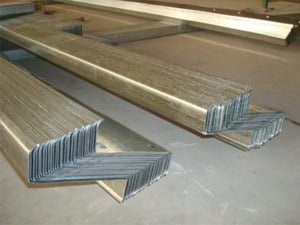
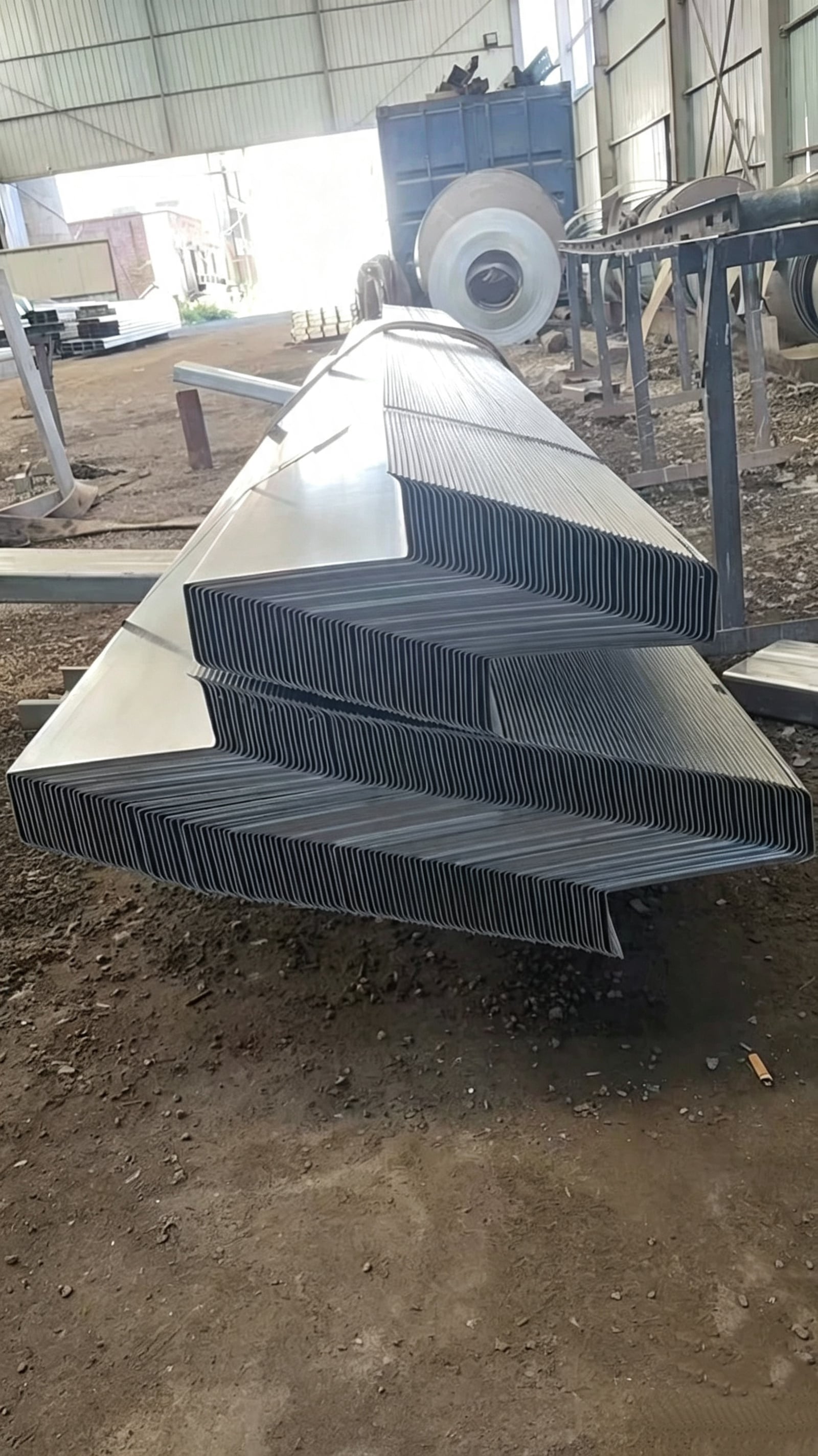
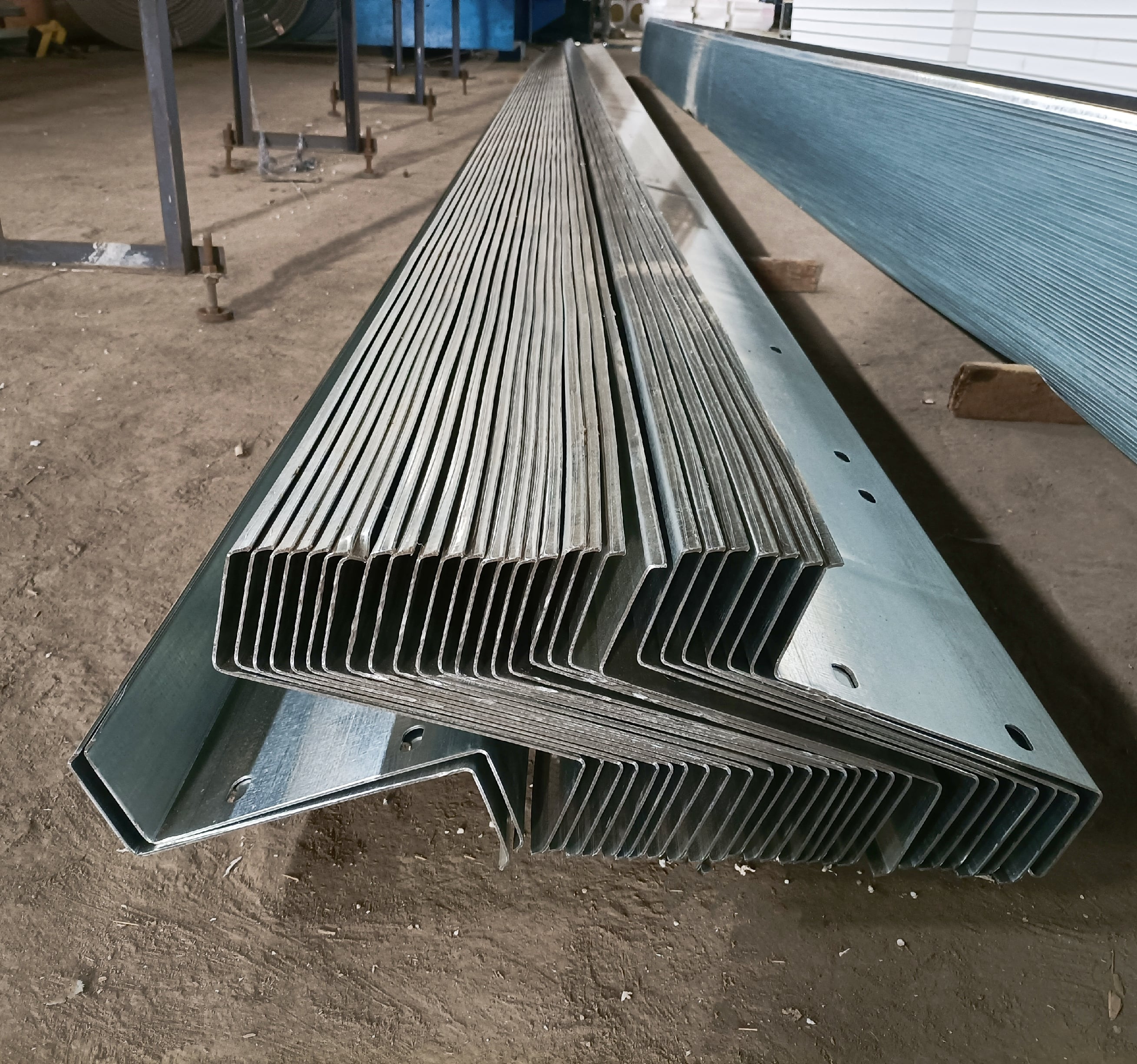
Understanding what zeta purlins are  and  how they fit into your building projects  is  crucial for purchasing managers  and  engineers in the manufacturing and construction sectors. Zeta purlins are  C or Z-shaped  structural components used in the  construction of  steel  buildings, particularly in the  wall systems  and roof systems.  This article  will address  key buyer concerns, such  as evaluating quality, understanding specifications, and  recognizing cost factors associated with zeta purlins. By the end,  you will be  equipped with the knowledge to make informed procurement  decisions.

Why choose Xingyuanxing zeta purlins

Our Products

How to Evaluate the Quality of Zeta Purlins Before Purchase

When evaluating the quality of zeta purlins, consider several key  factors that directly affect their performance and  durability. First, examine the material specifications. Zeta purlins are typically made from high-strength steel, which should conform  to international standards such as ASTM A572 or EN 10025. The thickness of the steel will  influence the load-bearing capacity and overall sturdiness.  Typically, purlins range  from 1.5mm to 3mm thickness, depending  on their  application.


Additionally, look for quality control processes in  place at the manufacturing facility.  Reliable manufacturers will conduct rigorous testing, including tensile  strength tests and corrosion resistance assessments. Inspecting for certifications from recognized bodies  can also reinforce the trustworthiness of  the product. Lastly, ensure that the manufacturer  provides samples before the full order is  placed, allowing you to assess the  physical quality  and gauge how well the  purlins  will perform in real-world conditions.

Frequently Asked Questions

Our Blog Posts

What Our Partners Say

Key Specifications to Consider for Zeta Purlins Supply

Key Specifications to Consider for Zeta Purlins Supply

When specifying zeta purlins, understanding the  critical specifications is essential for ensuring they meet your project's requirements. Key specifications include:

Dimensions: Standard widths for zeta  purlins can vary, but typical ranges are from 100mm to 300mm. The height and  flange  width also  affect performance and must align with structural design needs.

Material Grades: The steel grade impacts the weight, strength, and potential corrosion resistance. Common grades include S235, S275, and S355, each offering different tensile strengths.

Coating Options: Purlins can  be treated  with various coatings such as galvanized or painted finishes to enhance corrosion  resistance.  The choice of coating should be based  on the intended environment;  for instance, coastal  areas  may require additional protective measures.


Load Capacity: Understanding the load requirements for your specific application—whether it's for roofing,  siding,  or supporting  heavy machinery—is crucial. Be sure to discuss  these requirements with your supplier to ensure the  purlins can handle the expected loads. Additionally, consider the use of a secondary steel structure to support the overall integrity of the design.

Customization: Evaluate if the supplier can provide customized solutions, such as specific  lengths or additional features, to meet unique project specifications.

Understanding the Cost Factors of Zeta Purlins for Buyers

Understanding the Cost Factors of Zeta Purlins for Buyers

Several factors influence the cost of zeta purlins, and understanding these can help you  budget effectively. The primary cost drivers include:

Material  Costs: Fluctuations in  steel prices can significantly impact the final price of  zeta purlins. Monitoring market trends and sourcing from reputable suppliers can help mitigate unexpected  costs.

Manufacturing  Processes: The complexity of the manufacturing processes, including cutting, bending, and coating, can affect pricing.  Automated facilities may  offer more consistent quality but could have higher  upfront costs.

Order Quantity: Bulk orders typically reduce the per-unit cost. Be clear about your  minimum order quantities  (MOQ) with  suppliers to  ensure you are  getting the best deal.

Shipping and  Handling: Transportation  costs  can vary based on distance and delivery method. Discuss these factors upfront to allow for accurate budgeting.

Lead Times: Longer lead times may incur additional  costs, particularly  if expedited shipping is  needed. Understanding the supplier's production capabilities can prevent delays and additional charges.

Best Practices

Best Practices

To ensure a smooth procurement process for  zeta purlins, follow these best practices:

Request Detailed Quotations: When soliciting quotes, provide detailed specifications, including dimensions, material grades, and quantities needed. This will help suppliers give you accurate pricing and  lead times.

Check References  and Reviews: Before finalizing  a supplier, check  their reputation through reviews and  references. A supplier with  a proven  track  record of meeting deadlines and maintaining quality is invaluable.

Conduct Site Visits:  If possible, visit the manufacturer's  facility to see their operations and quality control measures firsthand. This can  provide insights into their capability and reliability.

Establish Clear Communication: Maintain open lines  of communication with your supplier throughout the procurement process. Clear communication  can help resolve any issues  early and ensure that both parties  are aligned on expectations.


Review Samples Thoroughly:  Before approving mass production, review samples for quality, fit, and  finish. Testing samples under real operating conditions  can also help verify performance.

Where to Find Reliable Suppliers for Zeta Purlins

Finding reliable suppliers  for zeta purlins is  crucial for ensuring quality and timely  delivery. Here are  some avenues to consider:

Industry Directories: Utilize online industry directories and trade associations that list manufacturers specializing in  steel structures and building materials. Look for  those with positive reviews and industry certifications.

Trade Shows and Exhibitions: Attending industry trade shows offers the opportunity to meet suppliers face-to-face, view product  samples,  and discuss your specific needs directly.


Networking: Leverage your professional network to get recommendations for trusted suppliers. Colleagues  in the industry may have valuable  insights  or experiences to  share.

Online Marketplaces: While online marketplaces can be useful for finding suppliers, always conduct due diligence. Check for certifications, reviews, and any complaints to ensure  the supplier's credibility.

Local Manufacturers: Consider  sourcing from local  manufacturers like Tianjin Xingyuanxing Color Steel Structure Co., Ltd., who not only understand regional regulations but also provide efficient project services backed by  local expertise.


By following these guidelines and being  proactive in your procurement strategy, you can ensure that your project utilizes high-quality zeta purlins that meet your specific needs while optimizing costs and efficiency.