Z Purlins for Sale: Guide for B2B Buyers

application/z-purlins-for-sale, application/z-purlins-for-sale, 
Inquiry
Inquiry

z purlins for sale

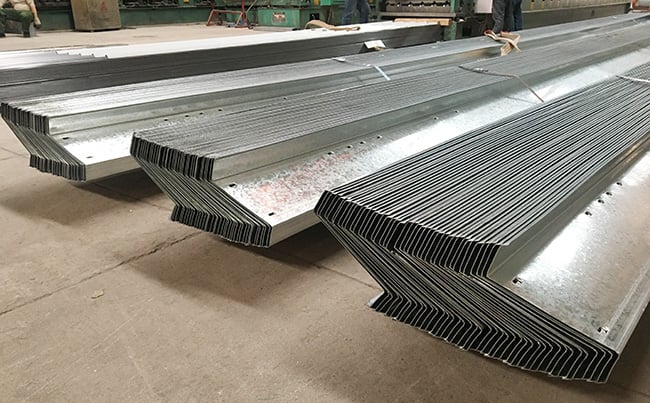
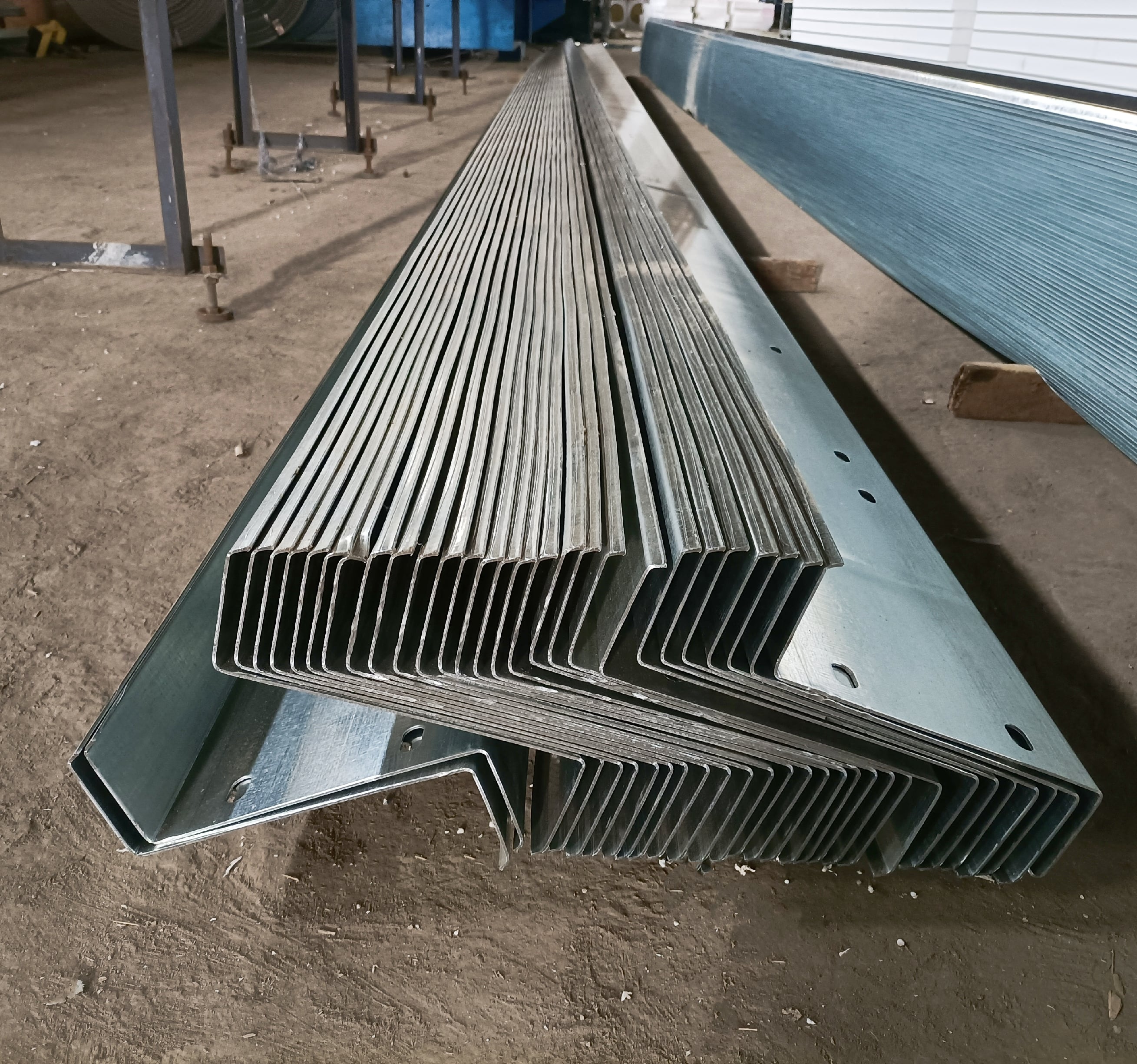
Z purlins are  an essential component in  steel structure construction, providing  critical  support and stability for various applications. As a B2B buyer,  understanding the specifications,  applications,  and potential issues  associated with  z purlins  for  sale is crucial for making  informed purchasing  decisions. This article will guide  you through  selecting the  right z purlins, key  specifications  for bulk orders,  common challenges, and their  applications in industrial projects.

Why choose Xingyuanxing z purlins for sale

Our Products

How to Choose the Right Z Purlins for Your Construction Projects

When selecting z purlins for your construction projects, consider several key factors. The first is the purlin's dimensions, including its height  and  thickness, which  will directly impact its  load-bearing capacity. Evaluate the specific  load requirements of your project to ensure  that the selected z  purlins can adequately support  the structure.

Next,  consider the material used in the purlins. Most z purlins are made from galvanized steel  to  enhance durability and resistance to  corrosion. The coating thickness is also critical; a thicker zinc coating offers  better protection, especially in harsh environments. Additionally, you may want to explore our Secondary steel structure options that complement z purlins in various applications.

Additionally, assess the  manufacturing  process of the z purlins. Look for suppliers that employ rigorous  quality control measures, ensuring that the purlins meet  industry standards. Lastly,  consider customization options, such as specific lengths or additional coatings, to suit your  project's unique  requirements.

Frequently Asked Questions

Our Blog Posts

What Our Partners Say

Key Specifications of Z Purlins for Bulk Orders and Wholesale Buyers

Key Specifications of Z Purlins for Bulk Orders and Wholesale Buyers

For bulk orders, several specifications should be prioritized to ensure quality and compatibility  with your construction needs. These specifications include:

Dimensions: Common sizes include  100 mm to  300 mm in height, with varying thicknesses from 1.5 mm to 3.0  mm. Confirm that the dimensions align with your structural requirements. Material: Most z purlins  are  produced from high-strength steel,  typically  S235 or S275 grade. Ensure  that  the material specification meets the necessary  strength and durability requirements. Zinc Coating: A standard thickness for galvanized coatings  ranges from  60 to 120 grams per square meter. The thicker the coating, the better the corrosion resistance. Production Tolerance: Verify the manufacturer's production tolerances, as this will affect the fit and  assembly of the  purlins in your construction project. Load Capacity: Review load capacity data, typically expressed in kN, to ensure the purlins can support the intended loads without  risk of failure.

By focusing on these specifications, bulk buyers  can ensure they  procure z purlins that meet  their project's needs without compromising quality.

 
A Buyeru2019s Guide

A Buyeru2019s Guide

When preparing to purchase z purlins, it's important to  have all relevant information ready to streamline the process. Here are some  key points to  consider when requesting a quotation:

Product  Type: Specify the required type of z purlin, including dimensions and material grade. Quantity: Clearly  indicate  the quantity needed,  keeping in mind that bulk  orders may qualify for discounts. Application: Provide details about the intended application, as this will help suppliers recommend suitable  specifications. You might also want to specify if these are for a Factory building of steel structure project. Customization:  If you  need custom lengths  or additional  features, be sure to include these requirements in your  request. Delivery Location: Specify the delivery destination,  as this can affect shipping costs and lead times. Technical Drawings: Include any technical drawings  or specifications you may have to ensure clarity and accuracy in the order.

Preparing this information will  help suppliers provide accurate  quotations and lead  times, ultimately facilitating  a smoother purchasing process.

Common Problems with Z Purlins and Practical Solutions

Common Problems with Z Purlins and Practical Solutions

While z purlins are generally reliable,  several common issues can arise during production or  installation. Understanding these problems and their solutions can help mitigate risks:

Corrosion: Despite  being galvanized, purlins can  still be susceptible to corrosion if not properly  maintained. Regular inspections and  maintenance, including  repainting  or recoating,  can  extend their lifespan. Dimensional Inaccuracies: Variations  in purlin dimensions can lead to fitting issues during installation. Always  request a sample or a dimensional verification before mass production. Welding Problems: If the purlins will be welded during installation, ensure that the material is suitable for welding, and that the welding process is carried out by skilled personnel to avoid structural weaknesses. Transportation Damage:  Ensure that proper  packaging methods are employed to protect the purlins during transport. Look  for suppliers that use  reinforced packaging to prevent bending or warping.

Addressing these potential  issues proactively can help ensure the  successful implementation  of z  purlins in your construction projects.

Applications of Z Purlins in Various Industrial Projects

Z purlins find extensive  application across multiple industries, primarily due to their versatility  and  strength. Some common applications include:

  Roofing: Z purlins are often utilized as secondary structural components in roofing systems, offering support for  roof panels and enhancing overall structural integrity. Wall Support: In steel frame buildings, z purlins serve as wall girts, providing additional support for wall panels and  cladding. Canopies and Awnings: These purlins are used in the construction  of canopies and awnings due to their ability  to withstand various loads while maintaining  a lightweight profile. Industrial Sheds: Z purlins are commonly  employed in the construction of industrial sheds, warehouses, and  storage facilities, where they support large spans without the need for internal columns.

Understanding the various applications of z  purlins can help  buyers envision  their potential uses in their projects, guiding  more informed purchasing decisions. 

By considering  these factors, B2B buyers can confidently navigate the process of  purchasing z purlins,  ensuring they select the right products for  their construction needs.