Purlins for Sale: Essential Buyer Insights

application/purlins-for-sale, application/purlins-for-sale, 
Inquiry
Inquiry

purlins for sale

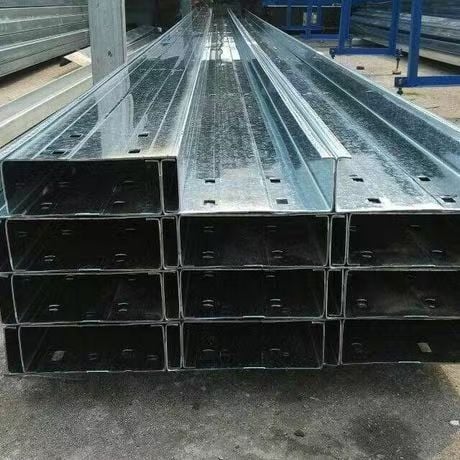
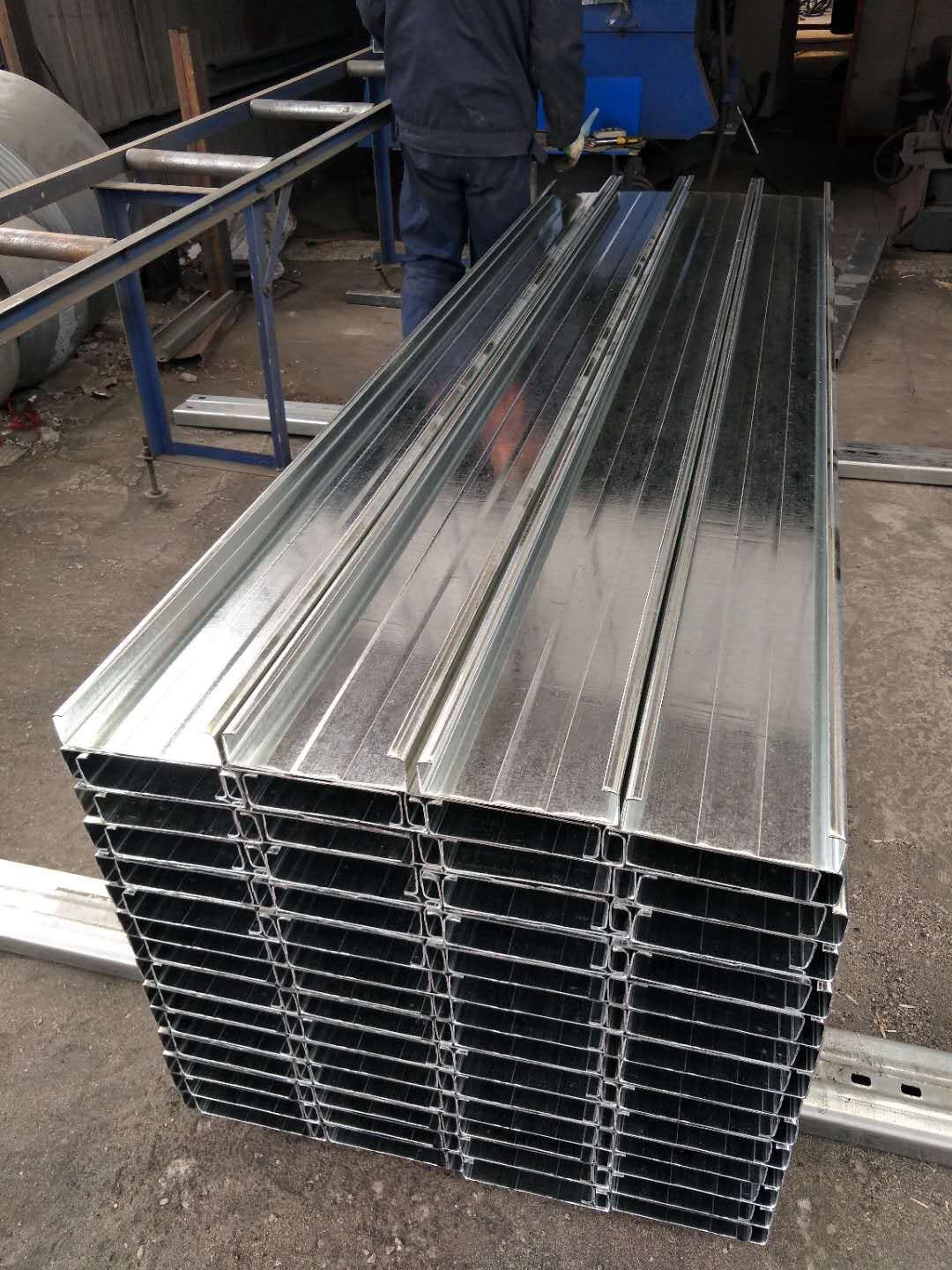
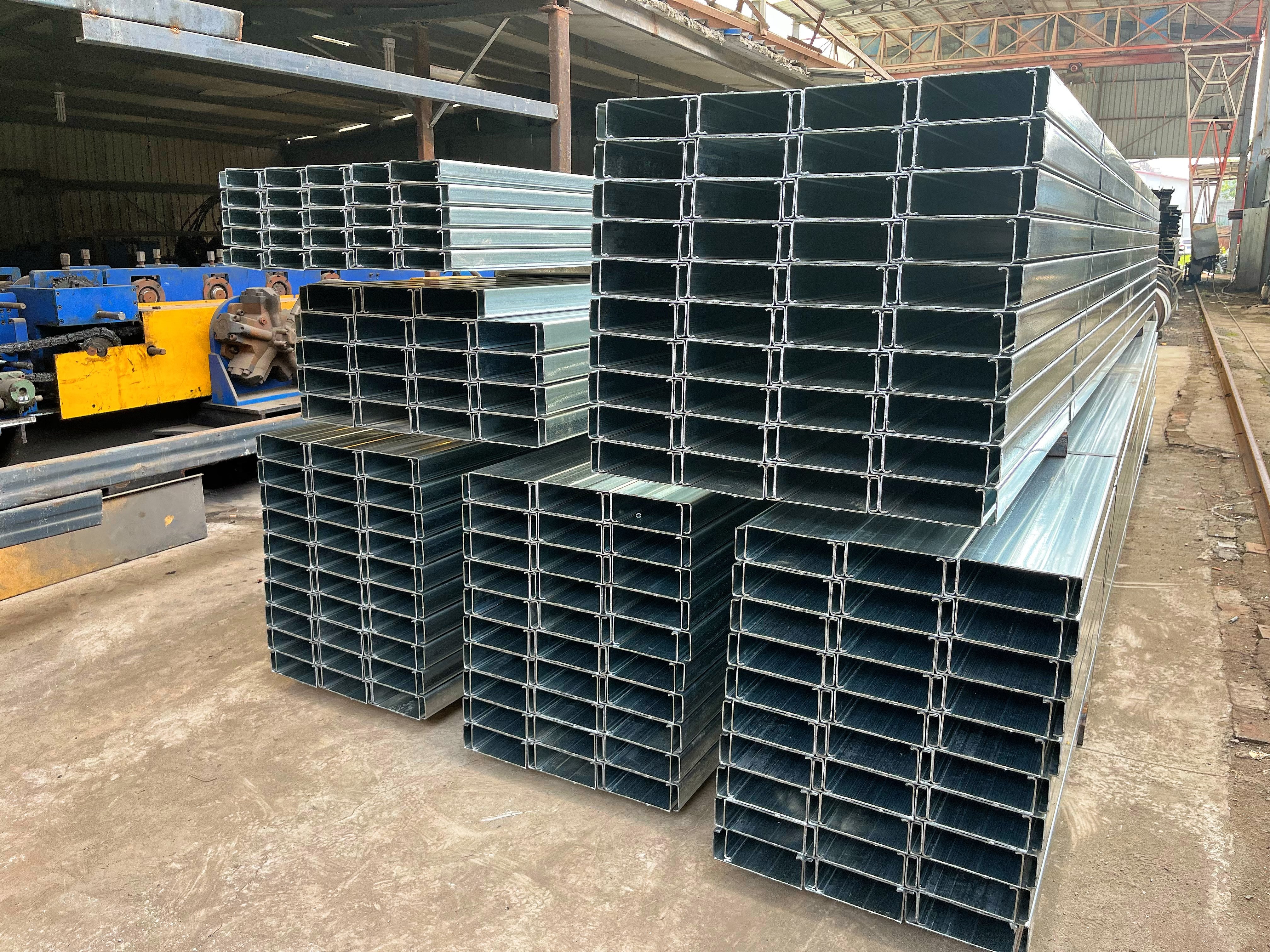
Purlins  are essential structural components  used in  the construction of buildings  and warehouses, providing support for roof and wall systems. When searching for purlins for sale, B2B  buyers, including contractors, engineers, and purchasing managers, often have specific concerns regarding  material quality, compatibility, pricing,  and application suitability. This article will delve into  the  best  practices for contractors, the advantages  of  different  materials used in purlin  manufacturing,  common problems  in purlin applications along with effective  solutions,  crucial  information to consider when purchasing, and tips aimed at project purchasers and  distributors.

Why choose Xingyuanxing purlins for sale

Our Products

Best Practices for Contractors

When selecting purlins, contractors  should prioritize understanding the specific requirements  of their projects. This  includes assessing load-bearing capacities, environmental factors,  and  compatibility  with  other structural  components. Engaging in  early discussions with suppliers can  clarify  product specifications  and lead times, ensuring that materials align with project timelines. For instance, understanding the appropriate roof system integration can be crucial.

Additionally, contractors should verify that the  purlins meet relevant construction codes and standards. Conducting a thorough  quality inspection upon delivery is crucial.  This includes  checking for any  visible defects, ensuring that dimensions adhere to specifications, and confirming that the  material properties are as advertised. By following these best  practices, contractors can avoid common pitfalls such as material shortages or structural failures during installation.


Frequently Asked Questions

Our Blog Posts

What Our Partners Say

Advantages of Different Materials Used in Purlins Manufacturing

Advantages of Different Materials Used in Purlins Manufacturing

Purlins can be  manufactured from  various  materials, each offering distinct advantages depending on the application:

Steel: Steel purlins are widely favored for  their strength and  durability. They can withstand heavy  loads and resist deformation under stress. Additionally, galvanized steel provides excellent corrosion resistance, making it suitable for outdoor  applications.

Aluminum: Aluminum purlins are lightweight and resistant  to corrosion,  which makes them ideal for applications where weight reduction  is critical. They are also easier  to handle and install,  particularly in projects with stringent weight limitations.

Composite Materials: Some manufacturers  are beginning to incorporate composite materials, which combine  the benefits of various substrates. These materials can provide enhanced insulation  properties and resistance to environmental  factors while maintaining structural integrity.

Selecting  the right  material involves evaluating project requirements, budget constraints, and long-term  performance expectations. Each material's specific properties should  be matched to the intended application to ensure optimal performance and longevity.

Common Problems in Purlin Applications and Effective Solutions

Common Problems in Purlin Applications and Effective Solutions

Despite their robust nature, purlins can  experience several common issues during  installation and use:

Corrosion:  Steel purlins may be  prone to rusting, especially in humid environments. Implementing  protective  coatings,  such as galvanization or paint, can  mitigate this risk. Regular inspections should be scheduled to identify any signs  of corrosion early.

Deflection:  Excessive load or improper installation can lead to deflection. To prevent this, contractors should ensure that purlins are adequately spaced  and supported according to engineering specifications. Utilizing software to simulate load conditions during the design phase can also  help  identify potential  issues.

Joint Failure:  Poor connections between purlins and other structural elements can lead to joint failure. Employing  high-quality fasteners and ensuring that all connections  are properly aligned and tightened can prevent  this issue. Regular maintenance checks can further ensure joint  integrity over time.

By  being aware of these common problems and implementing proactive measures, buyers can enhance the reliability and performance  of their purlin installations.

What You Need to Know

What You Need to Know

When considering purchasing purlins for sale, several key factors  should be taken into account:

Specifications: Understand the dimensions, thickness, and material grades required for your project. This will ensure compatibility  with existing structures  and compliance with building codes.

Lead Time and MOQ: Discuss  lead times with suppliers upfront, especially if your project has tight deadlines.  Additionally,  inquire about minimum order quantities (MOQ) to ensure that your order aligns with your  project needs and budget.

Sample Approval: Before mass  production,  it is advisable to request samples. This  allows for verification of dimensions, appearance,  and overall  quality.  Testing  samples under actual  operating conditions can further confirm their suitability for  the intended  application.

Packaging  and  Shipping: Ensure that the supplier follows appropriate packaging methods to prevent damage during transport. This can include using protective wrapping and proper labeling for easy handling.

These considerations will equip buyers to  make informed decisions and facilitate smoother transactions with suppliers.

Tips for Project Purchasers and Distributors

For project purchasers and distributors, establishing a clear communication channel with manufacturers is crucial. Here are some tips to streamline the purchasing process:

Detailed RFQ: When preparing a request for  quotation (RFQ), provide as  much detail as possible. Include information about project specifications, required performance standards, and any customization needs. This helps suppliers deliver accurate quotes and timelines.

Supplier Evaluation:  Assess potential suppliers based on  their manufacturing  capabilities, quality control processes, and  industry experience. Request documentation that attests to their compliance with relevant standards and certifications.

Long-term  Relationships: Building long-term  relationships with suppliers can lead to better pricing, prioritized service,  and  enhanced trust. Regular communication can help address any emerging issues  quickly and effectively.

Market Research: Stay informed about market trends, material innovations, and pricing  fluctuations. This knowledge  allows purchasers to negotiate effectively and make strategic  decisions  based on current industry dynamics.

By following these tips, project  purchasers and distributors can improve  their procurement processes and ensure successful project outcomes. For example, understanding the role of secondary steel structures can enhance project efficiency.

In summary, understanding the complexities of purlins for  sale, from  material selection to application challenges, will empower B2B buyers to make  informed purchasing decisions that meet their project requirements.