Choosing the Right C Purlins for Construction Projects

application/c-purlins, application/c-purlins, 
Inquiry
Inquiry

c purlins

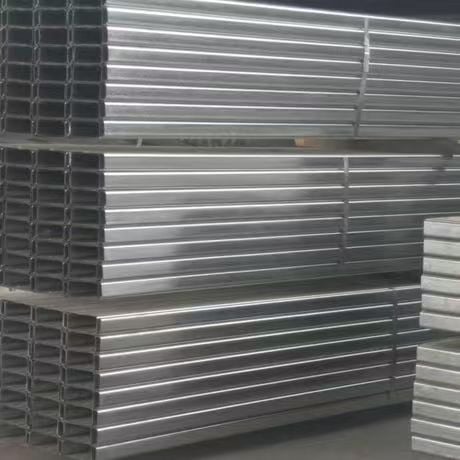
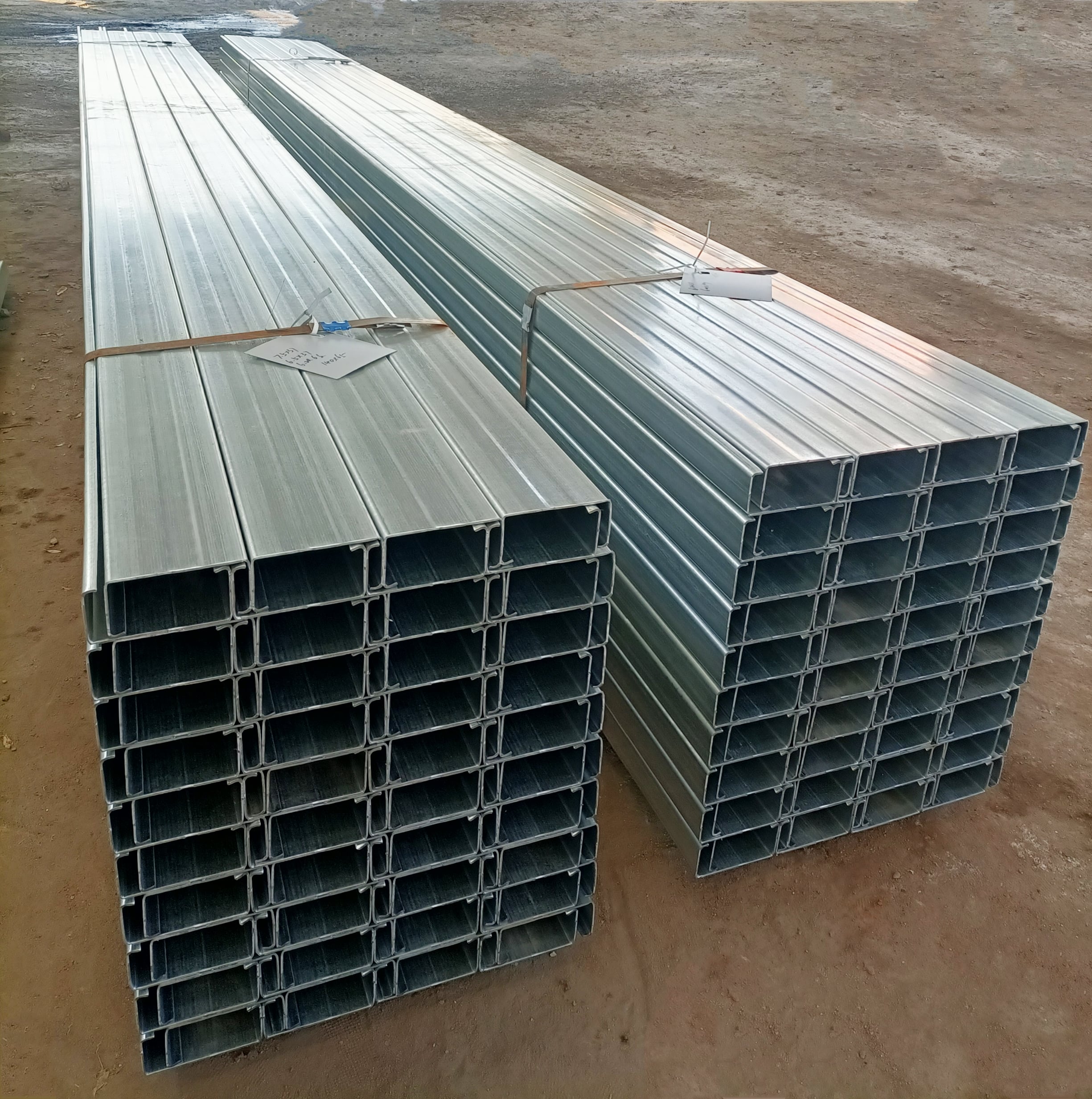
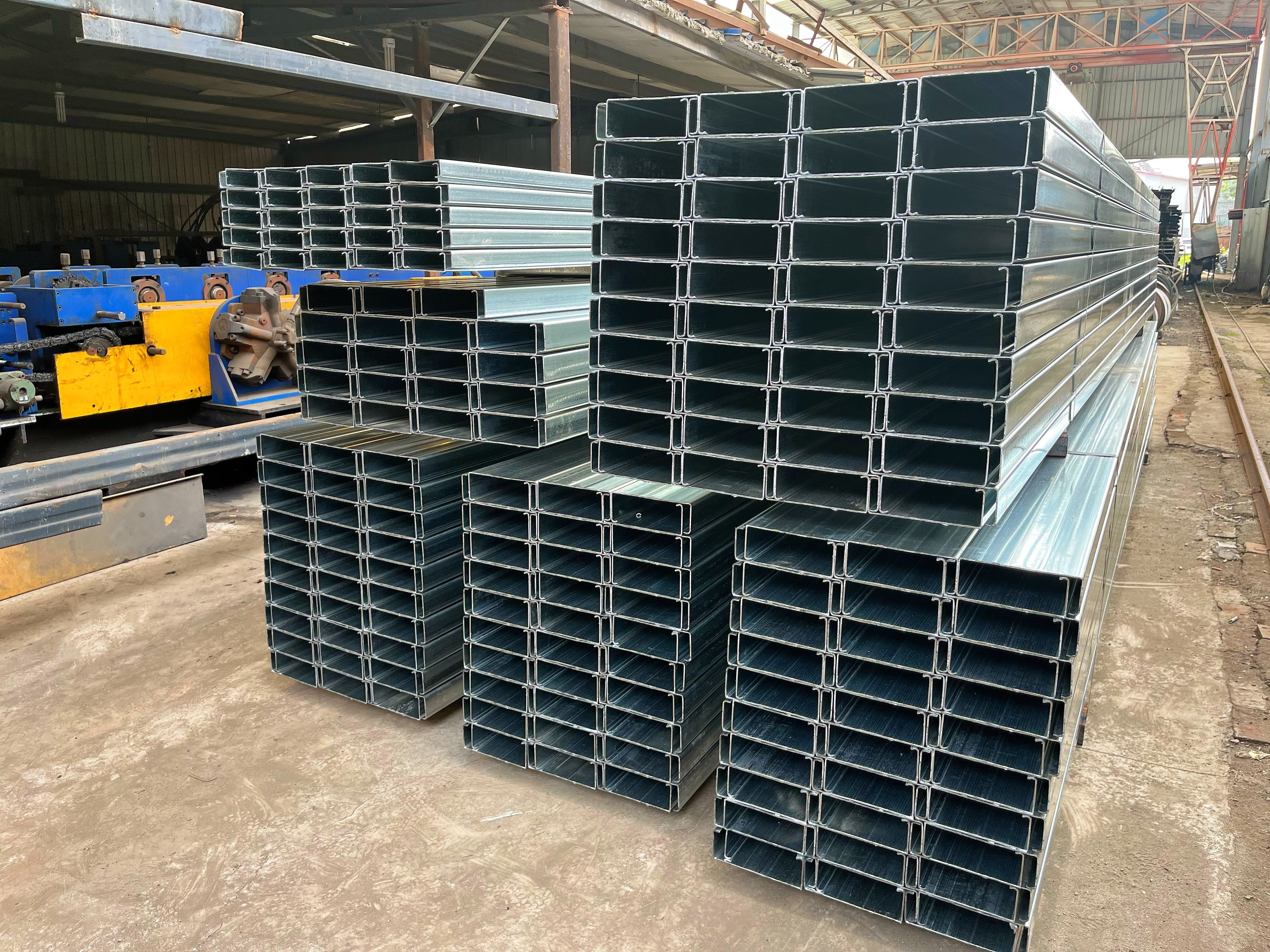
C purlins are vital structural components used extensively  in construction projects. These  cold-formed steel sections are designed  to provide  support and  stability  for  walls and  roofs, making them essential  for  commercial and  industrial applications. As a  buyer or purchasing manager,  understanding how to select the right C purlins, their specifications, cost factors,  and reliable  sourcing options is crucial for ensuring successful project outcomes. This article  will  guide  you through  these key considerations, helping you make informed purchasing decisions.


Why choose Xingyuanxing c purlins

Our Products

How to Choose the Right C Purlins for Your Construction Projects

Selecting the right  C purlins for your  construction projects involves several critical considerations,  including dimensions, material specifications, and load-bearing requirements. Start by  assessing the structural needs of  your project.  C purlins come in  various sizes and thicknesses, typically measured in millimeters. The appropriate dimensions depend on the span and load requirements of your  structure. Secondary steel structure can complement the use of C purlins in your project.

Material selection is equally important; C purlins are usually  made from hot-rolled or cold-formed steel. Cold-formed steel is  generally lighter and easier to work with,  making it  suitable for many applications. However, if  your project  demands higher strength or resistance to corrosion, consider galvanized or coated options.


Additionally,  consider any specific project requirements  such as fire resistance, thermal  performance, or environmental exposure. Collaborating with an experienced supplier,  like Tianjin Xingyuanxing Color Steel Structure Co., Ltd., can provide insights into material suitability based on your project’s unique needs. For instance, consider the Wall system as a potential solution for enhanced performance.


Frequently Asked Questions

Our Blog Posts

What Our Partners Say

Key Specifications to Evaluate When Sourcing C Purlins

Key Specifications to Evaluate When Sourcing C Purlins

When sourcing C purlins, it’s vital to evaluate specific technical specifications.  Key factors  to consider include:

Dimensions: Ensure the width, height, and thickness  meet  your project’s structural requirements. The most  common sizes range  from 100mm  to 300mm in width and  40mm to 80mm in height.

Material Properties: Check the yield  strength (often around 250  MPa for standard steel) and tensile strength, which affect load-bearing capacity. Higher strength materials can allow for lighter sections, reducing overall material costs.

Coating Type:  Corrosion resistance is crucial in many applications. Look for purlins with appropriate  coatings, such as galvanizing or color-coated finishes, to enhance durability in harsh  environments.

Production  Standards: Ensure that the  purlins comply with relevant industry standards, such as ASTM or EN specifications, which can influence  quality and performance.

Verifying these specifications with  your supplier  before  placing an order can help prevent issues during installation and ensure that  the materials meet project requirements.

Understanding the Cost Factors of Bulk C Purlin Orders

Understanding the Cost Factors of Bulk C Purlin Orders

Several factors influence the cost of bulk  orders for C purlins. Understanding these can help you negotiate better pricing and manage your budget effectively:

Material Costs: The price of raw materials fluctuates based on market conditions. Steel prices can vary significantly, so keeping an eye on market trends may help you time your purchase optimally.

Order Volume:  Bulk orders  typically provide economies of scale,  leading to lower per-unit  costs. However, assess the minimum order quantities (MOQ)  set by suppliers to avoid excess  inventory.

Customization Fees:  If your project requires specific dimensions or coatings, be prepared for  potential additional  costs. Custom fabrications often incur  higher charges due to specialized production processes.

Shipping and Handling: Consider transportation costs based on the  delivery location. Suppliers may offer different pricing  structures  based on proximity to  your project site.

By asking  for detailed quotations that  break down these elements, you will gain a clearer  understanding of  the total  cost involved in your C purlin orders.

Where to Find Reliable Suppliers for C Purlins

Where to Find Reliable Suppliers for C Purlins

Finding a reliable supplier for C purlins is crucial for ensuring consistent quality and timely delivery. Start by seeking suppliers with  a strong industry reputation. Look for companies with:

Experience: Established manufacturers, like Tianjin Xingyuanxing Color  Steel Structure Co., Ltd., often have the expertise to provide high-quality products  and reliable service.

Certifications: Suppliers with recognized  certifications, such  as ISO or product-specific standards, often  indicate a commitment to quality and industry best practices.

Customer Reviews: Research feedback from previous customers  to gauge satisfaction and trustworthiness. Reliable suppliers  will  have a history of meeting deadlines and maintaining product quality.

Product Range:  A supplier offering a comprehensive range of C  purlin  dimensions and materials can accommodate various project needs, making them a more versatile  partner.

Engaging  with multiple  suppliers for quotes and samples can help you  assess their  capabilities and  determine the best fit  for  your projects.

Quality Control Measures for Wholesale Buyers

Quality control is  essential when purchasing C purlins in bulk. Implementing  robust quality assurance measures can help mitigate risks associated with  material defects  and ensure that the products  meet your specifications. Consider the following:

Sample Approvals: Before placing a large order, request samples to evaluate physical properties such as  dimensions, finish, and material strength. Testing these samples under actual conditions can reveal potential issues.

Batch Inspection: During production, request  batch inspections to verify that the purlins meet specified standards. This proactive approach can identify discrepancies before the full order is shipped.

Documentation and Certifications: Ensure that the supplier provides relevant documentation, including material test reports, certificates of compliance, and  inspection records. This  information can support your  quality assurance processes.

On-Site Inspection: If  feasible, conducting an on-site inspection at the supplier's facility can provide insights  into their manufacturing processes and quality control measures.


By prioritizing quality control throughout  the procurement  process, you can minimize risks and ensure that the C purlins meet your project’s requirements effectively. 

Making informed decisions when selecting, sourcing, and inspecting C purlins  can significantly impact the success of your construction projects. Employing  these guidelines will not only streamline your purchasing process but also enhance the  overall  quality and performance of your structures.