Choosing the Right Steel Purlin for Your Project

application/steel-purlin, application/steel-purlin, 
Inquiry
Inquiry

steel purlin

Steel  purlins are  essential components  in construction and structural  engineering, primarily used  to support  roofs and walls in various building  applications.  As a B2B buyer, you may have  concerns regarding material  quality, load-bearing  capabilities,  and the suitability of steel  purlins  for your specific project requirements.  This article aims to provide comprehensive insights into  selecting the right steel purlin, key  specifications to  consider,  cost  factors, installation guidelines, and the advantages of using steel purlins in modern construction projects.

Why choose Xingyuanxing steel purlin

Our Products

How to Choose the Right Steel Purlin for Your Project Needs

Choosing the appropriate steel purlin involves several considerations  that impact both  the structural integrity and cost-effectiveness of  your project. First, evaluate the specific requirements of your building, including the load-bearing capacity needed,  the  span between supports, and  local building codes. Corrosion-Resistant Hot-Dip Galvanized Round Tube Q235B For Greenhouse Bracing can be an excellent choice for structural support.

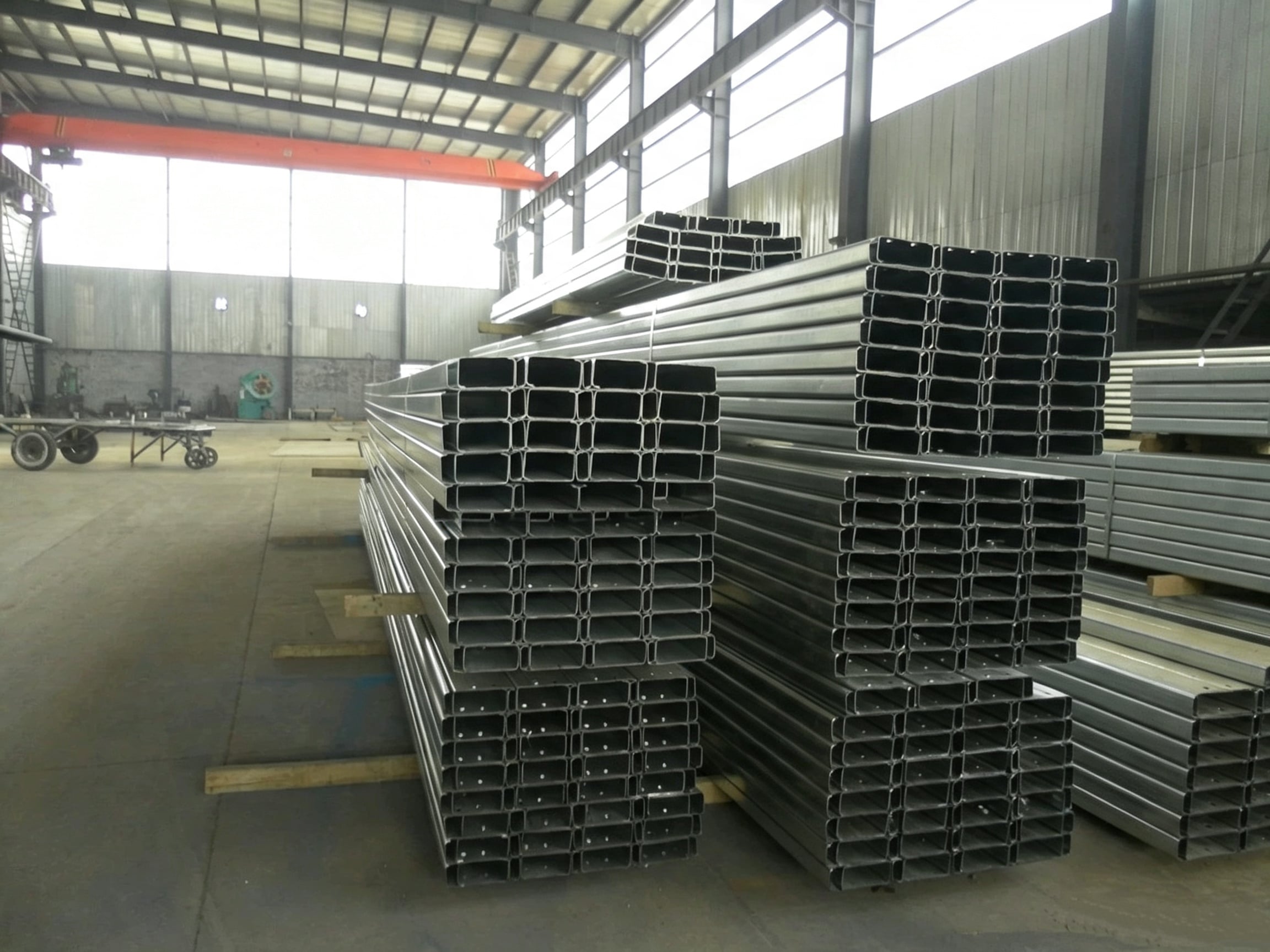
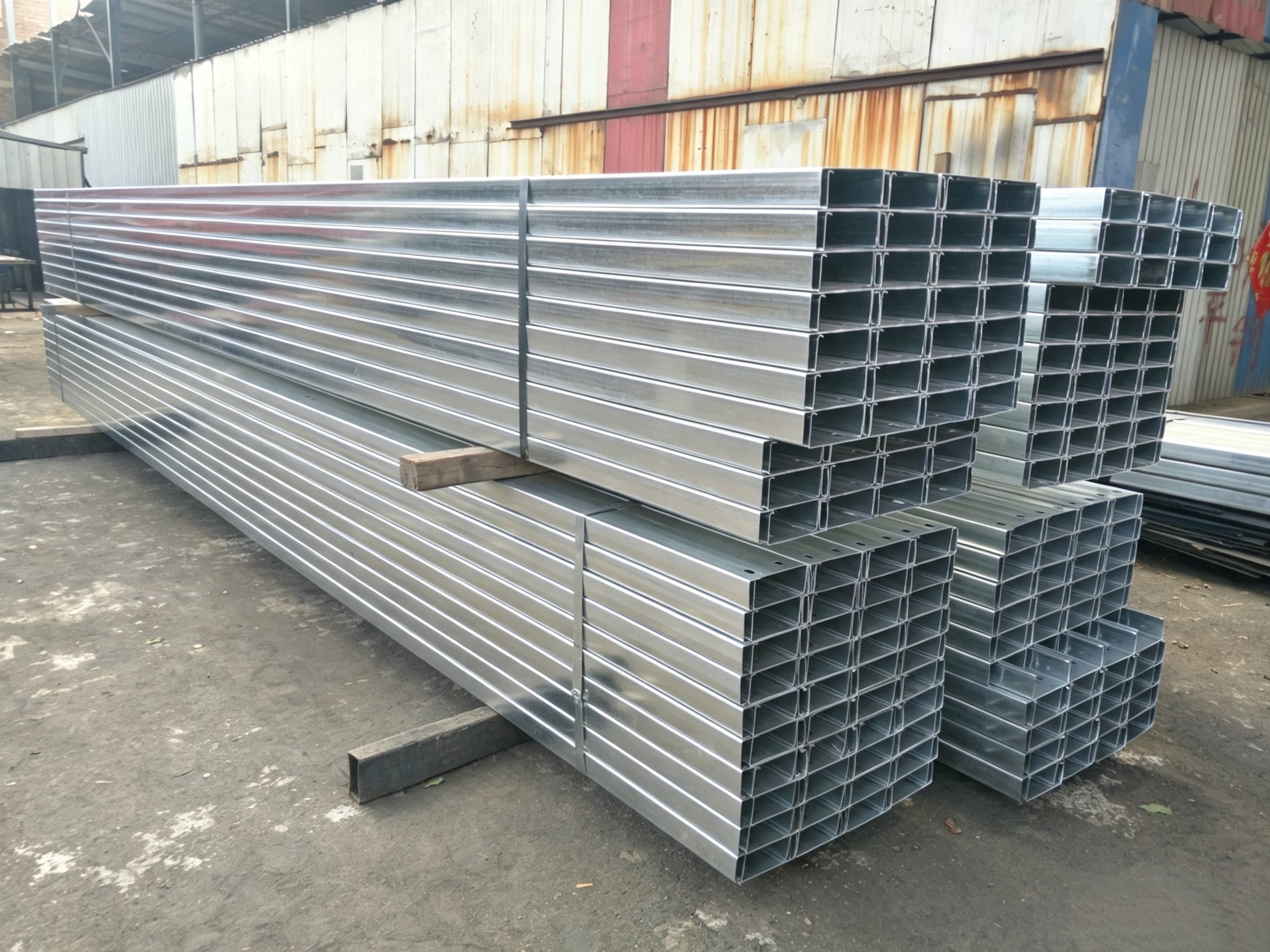
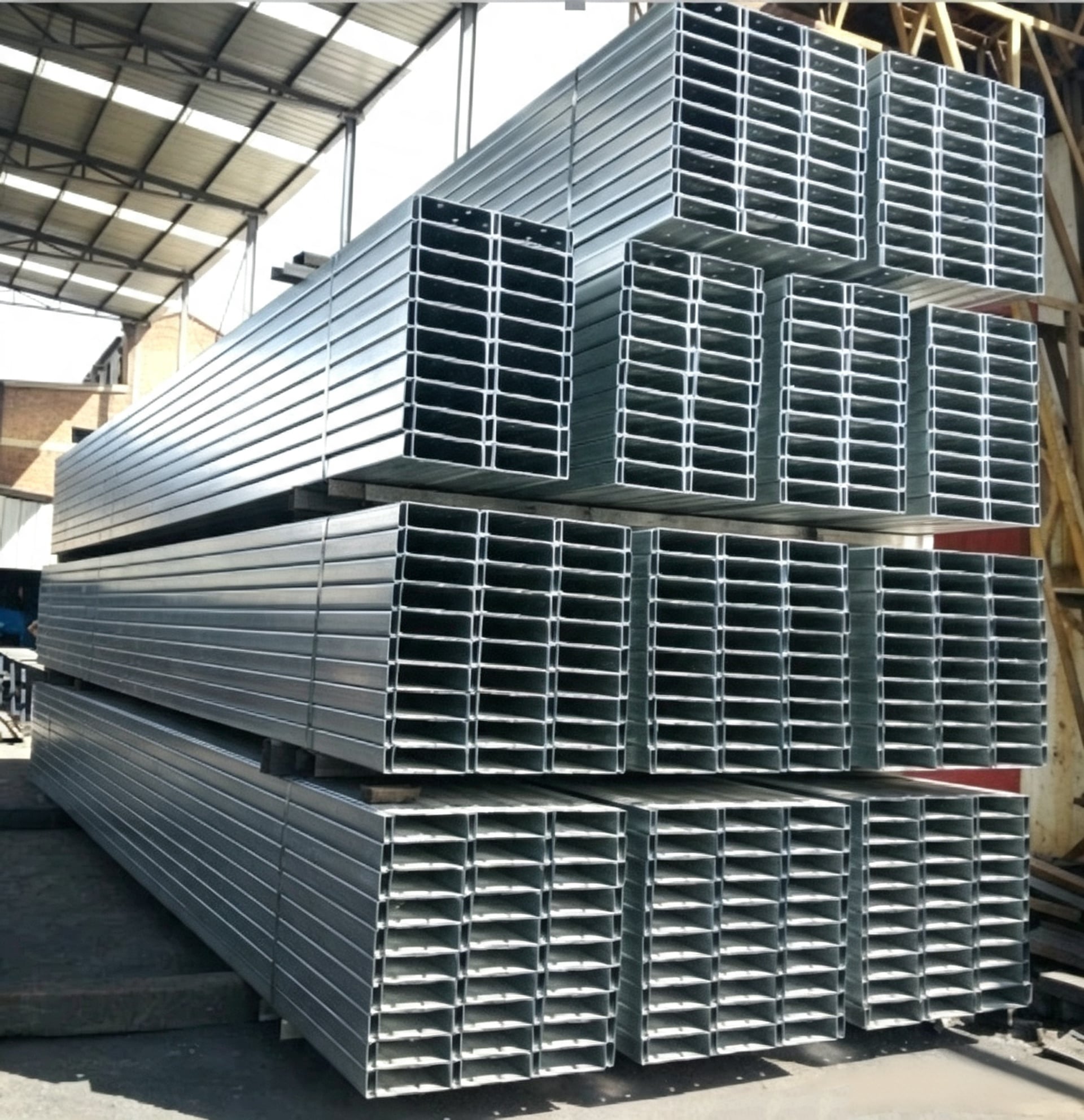
There are several types of steel purlins, including C-section, Z-section, and U-section.  C-section purlins are commonly used in roofing applications, while Z-section purlins can provide  better overlap and strength  in structural applications. Understanding the  environmental factors, such  as exposure to moisture or corrosive substances, is also  crucial in selecting the  right  type and coating  for your steel purlins.

Moreover, customization options may be available to meet unique  project  specifications. Consult with  your supplier about the various strengths and  dimensions that can be tailored to your needs. This proactive approach ensures that the chosen purlins align  with your structural and aesthetic requirements.

Frequently Asked Questions

Our Blog Posts

What Our Partners Say

Key Specifications to Evaluate When Sourcing Steel Purlins

Key Specifications to Evaluate When Sourcing Steel Purlins

When sourcing  steel purlins, several key specifications should be evaluated to ensure that  you select the right product. These include:

Material Grade: Steel purlins are typically made from hot-rolled or cold-formed steel.  The material grade affects the strength, durability, and corrosion resistance of the purlins. Common grades include S235,  S275, and S355, which indicate varying yield strengths.


Dimensions: The width, depth,  and thickness of the purlins are  critical for determining their load-carrying capacity  and compatibility with other structural components. Confirm the  dimensions based on the load requirements and spans in your  project.

Coating and Finish: Investigate  the type of surface treatment applied to the steel, such as galvanization or painting. These coatings enhance corrosion resistance, especially in humid or coastal environments.

Weight: The weight of the  purlins can impact transportation costs and installation procedures. Ensure that  the weight aligns with your project logistics and handling capabilities.


Quality  Standards: Verify that  the steel purlins comply with relevant quality standards and certifications. This ensures that the products meet  safety and performance requirements for your application.

By carefully considering  these specifications, you can make an informed  decision  that aligns with both performance expectations and budget constraints.

Understanding the Cost Factors of Steel Purlin Wholesale Purchases

Understanding the Cost Factors of Steel Purlin Wholesale Purchases

The cost of steel purlins is influenced  by several factors that should be understood before making a wholesale purchase. Key considerations include:

Material Prices: Fluctuations  in steel prices can significantly impact the cost of purlins. It’s advisable  to monitor market trends and negotiate with suppliers  for better pricing based  on bulk orders.

Customization Requirements: Custom dimensions or finishes  will typically incur  additional costs. Provide your supplier with  precise specifications to receive accurate quotations.

Order Quantity:  Many manufacturers  have minimum order quantities (MOQs), which  can affect pricing. Bulk orders may  lead to  discounts, so assess your project needs to optimize your purchase.

Delivery  and Logistics: Transportation costs can vary based on the distance from the manufacturer  to the project site. Ensure  that your supplier provides detailed shipping costs in their quotation.

Lead Time: Longer lead times may affect project schedules and could lead to expedited shipping costs. Discuss timelines with your supplier to align delivery with your construction  schedule.


Understanding  these cost factors will help you  budget effectively and avoid unexpected expenses during the procurement process.

Installation Guidelines for Steel Purlins in Construction Projects

Installation Guidelines for Steel Purlins in Construction Projects

Proper  installation of steel purlins is  crucial for ensuring their effectiveness in supporting  structural loads. Here are some guidelines to  follow:

Pre-Installation Inspection: Before installation, inspect purlins for any visible defects  or damage that could affect performance. Check that they meet the specified dimensions and  quality standards.

Setting Up Support Structures: Ensure that the supports for the purlins are level and adequately anchored. Misalignment can lead to structural failure  or excessive deflection.

Fastening Techniques: Use appropriate fasteners,  such  as bolts or screws, to secure the purlins  to the supporting structures. The choice of  fasteners should be compatible with the  material and environment.

Spacing and Layout: Follow the engineered drawings for spacing the purlins, ensuring that they are evenly distributed to manage load effectively.  The spacing will depend  on  the load requirements and the type  of roofing material used. Factory Direct Q235B Angle Bar Steel With 90 Degree Right-Angle Structure can also be utilized to provide additional support.

Safety Precautions: Adhere to safety standards during installation, including  the use of personal protective equipment (PPE) and proper lifting techniques. Engaging experienced personnel for the installation process can further  ensure compliance  with safety standards.

By adhering to these guidelines, you can facilitate a smooth installation process and enhance the  longevity of your steel purlins.

Advantages of Using Steel Purlins in Modern Building Applications

Steel purlins  offer numerous advantages that make them a preferred choice in modern construction. Some of  these  benefits  include:

Strength  and Durability: Steel  is known for its high strength-to-weight  ratio, making steel  purlins ideal for supporting heavy loads without excessive material usage. This durability also results in a longer lifespan and reduced maintenance costs.

Versatility: Steel purlins can  be used in various  applications, including commercial buildings, warehouses, and  agricultural structures. Their adaptability allows for integration into different architectural designs and structural systems.

Cost-Effectiveness: While  the initial investment may be higher compared to  other materials, the long-term benefits of steel purlins, such as reduced maintenance and repair costs, contribute to overall  cost savings.

Sustainability: Steel is a recyclable material, contributing to sustainable  construction practices. Using steel purlins can  enhance a building’s environmental performance, appealing to eco-conscious clients.

Speed of Construction: The prefabrication of steel purlins allows for  quick assembly on-site, reducing the overall construction time. This efficiency can lead to faster project completion and reduced  labor costs.

Incorporating steel purlins into your construction projects not only enhances structural integrity but also aligns with modern building practices that prioritize efficiency and sustainability.

By understanding the practical applications and advantages of steel purlins, you can make informed  decisions that  will benefit your projects and business in the long run.