Essential Guide to Metal Purlins for Buyers

application/metal-purlins, application/metal-purlins, 
Inquiry
Inquiry

metal purlins

Metal purlins are essential structural components widely  used in  construction  and  industrial  applications. These horizontal  beams provide support for roofs and walls, ensuring stability and strength in  various  building designs.  When  purchasing metal purlins, buyers  often have concerns about  material quality,  specifications,  and  supplier reliability. This  article will guide you  through essential  considerations for  selecting metal purlins, including where to find dependable suppliers, cost factors, and the advantages of using  these components in your projects. 

Why choose Xingyuanxing metal purlins

Our Products

What Buyers Need to Know

Before purchasing metal purlins, buyers  should  familiarize themselves with key specifications that affect  performance and compatibility. Common specifications include:

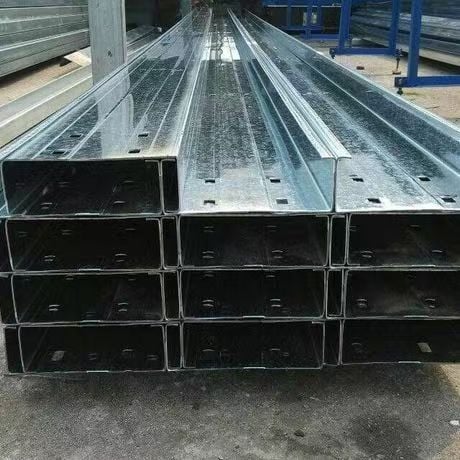
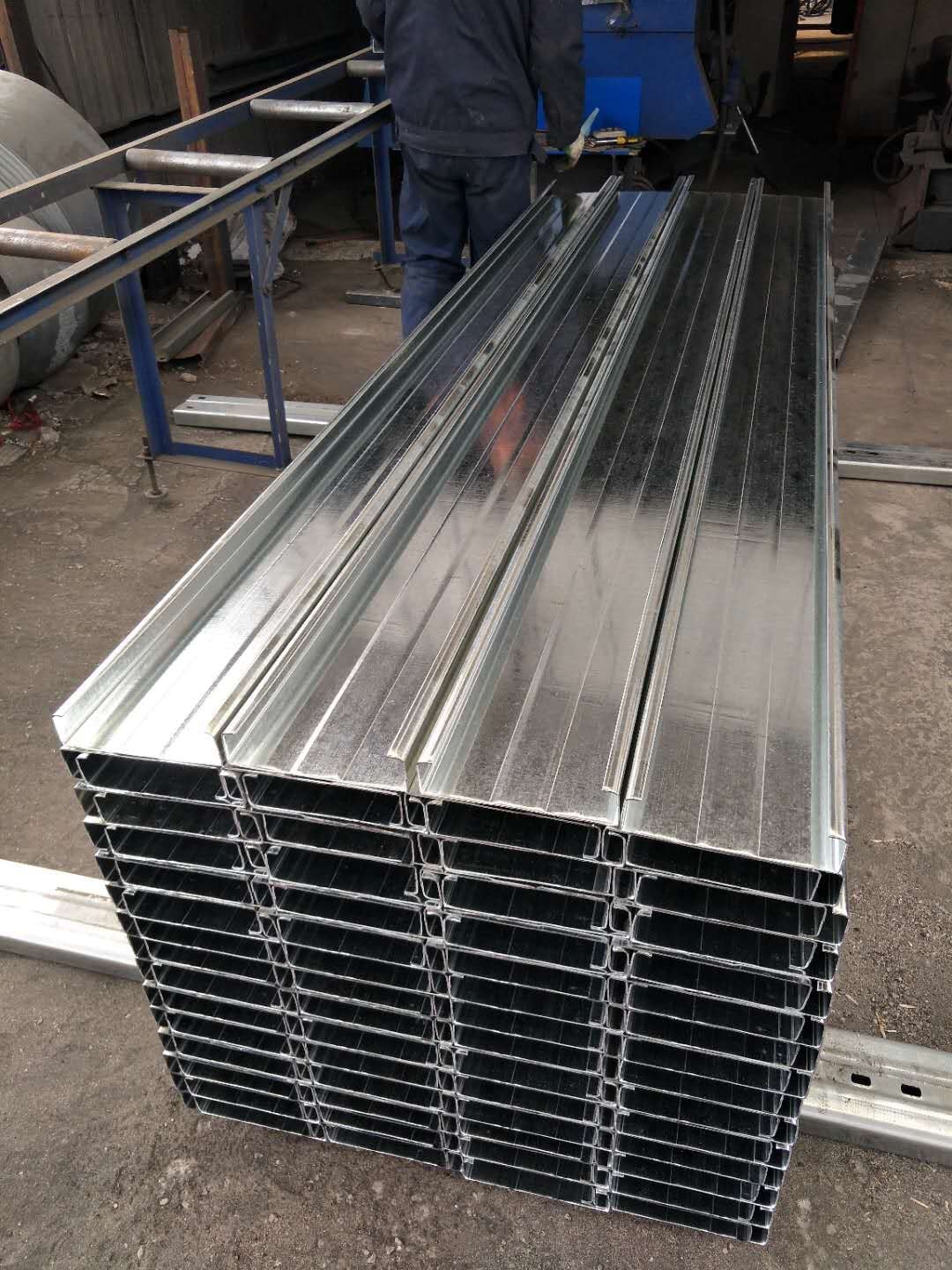
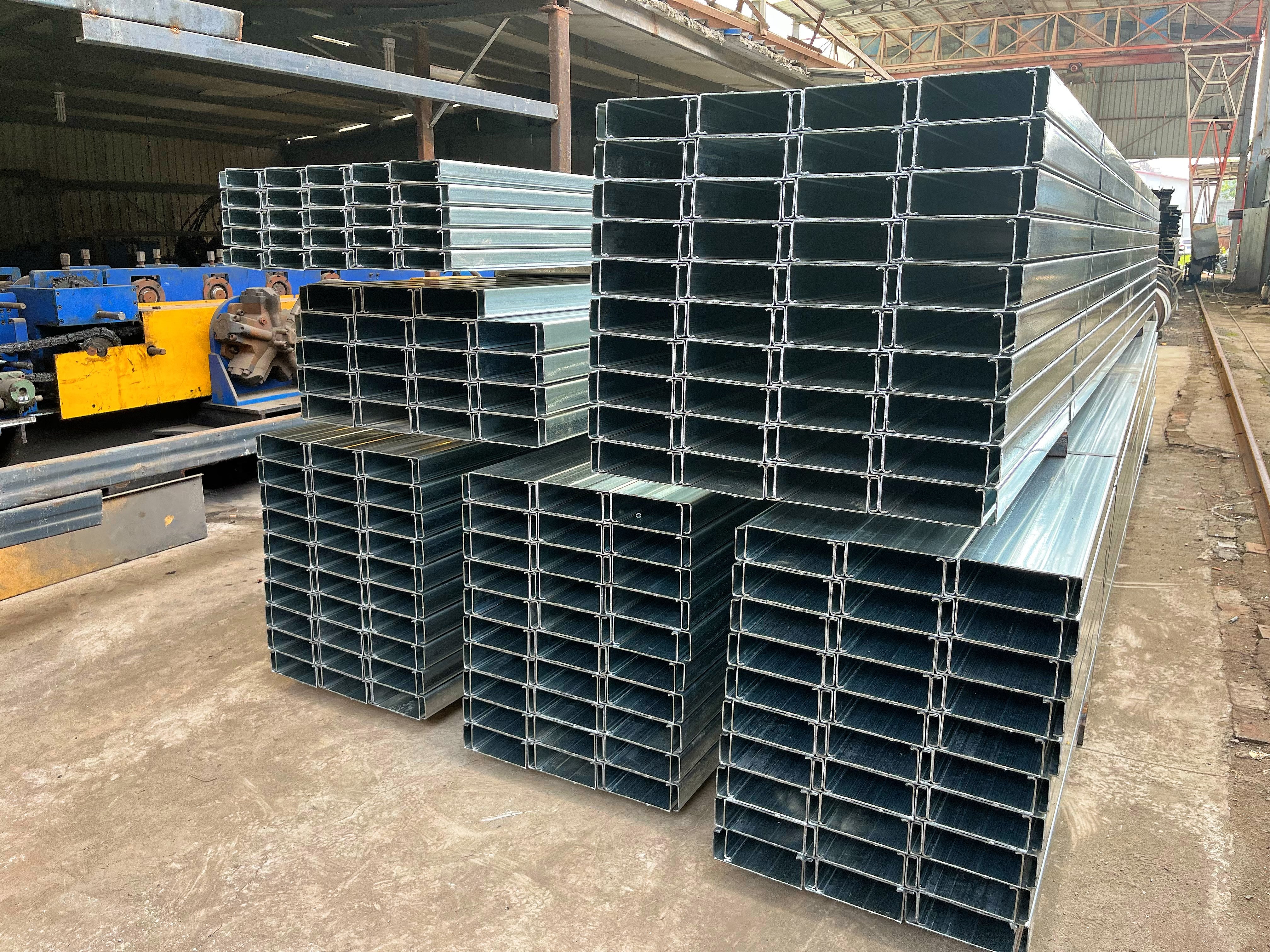
Material: Typically made from steel, purlins can be galvanized  or  painted for corrosion resistance.  Buyers should consider the environmental conditions the purlins will be exposed  to, as this impacts durability. Dimensions: Purlins come  in various sizes and thicknesses. It's crucial to choose dimensions that align  with the load requirements of  the structure and any applicable  building codes.  Profile Types:  Common profiles include C-section and Z-section purlins, each  offering different load-bearing capabilities. The choice of profile should be based on structural needs and  installation preferences.  Quality Standards: Ensure that the purlins meet relevant quality standards and certifications that  reflect their strength and durability.

Understanding these factors helps buyers make informed decisions that enhance the structural  integrity of  their projects.


Frequently Asked Questions

Our Blog Posts

What Our Partners Say

Where to Find Reliable Suppliers of Metal Purlins in Bulk

Where to Find Reliable Suppliers of Metal Purlins in Bulk

Finding trustworthy  suppliers of metal purlins is  critical for ensuring  consistent quality and timely delivery. Buyers can explore  several avenues:

Industry Trade Shows: Attending trade shows focused on construction and building materials can provide direct access to manufacturers and  suppliers. This allows for face-to-face discussions about product specifications and capabilities. Online Marketplaces: Websites dedicated to industrial supplies often list numerous manufacturers and  suppliers  of metal purlins. Look for suppliers with positive reviews and verified certifications to ensure reliability. Networking with  Industry Peers: Engaging with professionals in the  construction and manufacturing sectors can yield recommendations for reputable suppliers. Networking can also open  doors to bulk  purchasing opportunities. Manufacturer Websites: Companies like Tianjin Xingyuanxing Color Steel Structure  Co., Ltd.  showcase their metal purlin offerings, including specifications, customization  options, and quality assurance processes, making it  easier  for buyers to assess their capabilities. 

By leveraging these resources, buyers can identify suppliers that  align with  their  project requirements. For example, you may consider options like Galvanized Several-Shaped Steel Profiles 50*70mm For Greenhouse Frames for specific applications.

Cost Factors to Consider When Purchasing Metal Purlins

Cost Factors to Consider When Purchasing Metal Purlins

The cost of  metal purlins can vary significantly based on several factors:

Material Type: The choice between  galvanized steel and other materials  can affect pricing. Galvanized steel, while more expensive upfront, offers longer-lasting durability, potentially reducing long-term costs. Quantity: Bulk purchases often  lead to discounts. Buyers should calculate their needs  accurately to maximize their  purchasing power. Customization Requirements: Custom sizes and  finishes  can increase costs. Buyers should weigh the  benefits of customization against  their budget constraints. Shipping and Handling: Costs associated  with  transporting metal purlins can add up, particularly  for large orders. Understanding  shipping logistics can help buyers negotiate better terms with  suppliers. Market  Conditions: Fluctuating steel prices can impact the overall cost of  metal purlins. Staying informed about  market trends  can help buyers time their purchases effectively.

By considering these cost  factors, buyers can budget appropriately and make more strategic purchasing decisions.

Advantages of Using Metal Purlins in Industrial Applications

Advantages of Using Metal Purlins in Industrial Applications

Metal purlins offer numerous advantages for  industrial  applications:

  Strength and Durability:  Metal purlins provide superior load-bearing capabilities compared to wood  or other  materials. This  strength is  essential for supporting heavy roofs and structures. Corrosion Resistance: When properly treated, metal purlins can resist corrosion, making them suitable for various environments, including coastal areas and industrial settings  where exposure to chemicals is common. Ease of  Installation: The  lightweight nature of metal purlins simplifies transportation and installation, reducing  labor  costs and project timelines. Design Flexibility: Metal  purlins can  be fabricated in various shapes and sizes, allowing for customization that meets specific architectural and structural requirements. Sustainability: Steel is a recyclable material, making metal purlins an environmentally friendly choice for  construction  projects. This sustainability aspect is increasingly important for modern  building practices. 

These advantages make metal purlins a preferred choice for many industrial  applications, contributing to the overall efficiency and safety of construction projects.

Comparing Different Types of Metal Purlins for Distribution Needs

When selecting metal purlins for  distribution, buyers should compare different types based on their  intended use and specific requirements:

C-Section Purlins: These are commonly used in  lighter  structures. They are efficient for  transferring loads and are often easier to install  due to their shape. Z-Section Purlins: Ideal for applications  requiring greater strength, Z-section purlins interlock  for added support. They are particularly useful  in larger structures  where enhanced load capacity is crucial. Purlin  Thickness: Thicker purlins  generally provide better load support but may increase costs. Buyers  should  assess the specific load requirements to choose the appropriate thickness. Pre-Engineered vs. Custom Fabricated: Pre-engineered purlins offer  cost savings and quicker delivery times, while custom fabrications provide  tailored solutions for unique project needs.

Buyers should evaluate these factors in relation to their distribution needs, ensuring they select the right type of metal purlins  to meet their project specifications effectively. For instance, consider the Hot-Dip Galvanized I-beam Profiles 10# For Humid Industrial Workshops for specific heavy-duty requirements.

By understanding the ins and outs of metal purlins, buyers can navigate their purchasing  decisions with confidence, ensuring they choose the right  products for their construction and  industrial needs.