Standing Seam Metal Roofing Prices Explained

application/standing-seam-metal-roofing-prices, application/standing-seam-metal-roofing-prices, 
Inquiry
Inquiry

standing seam metal roofing prices

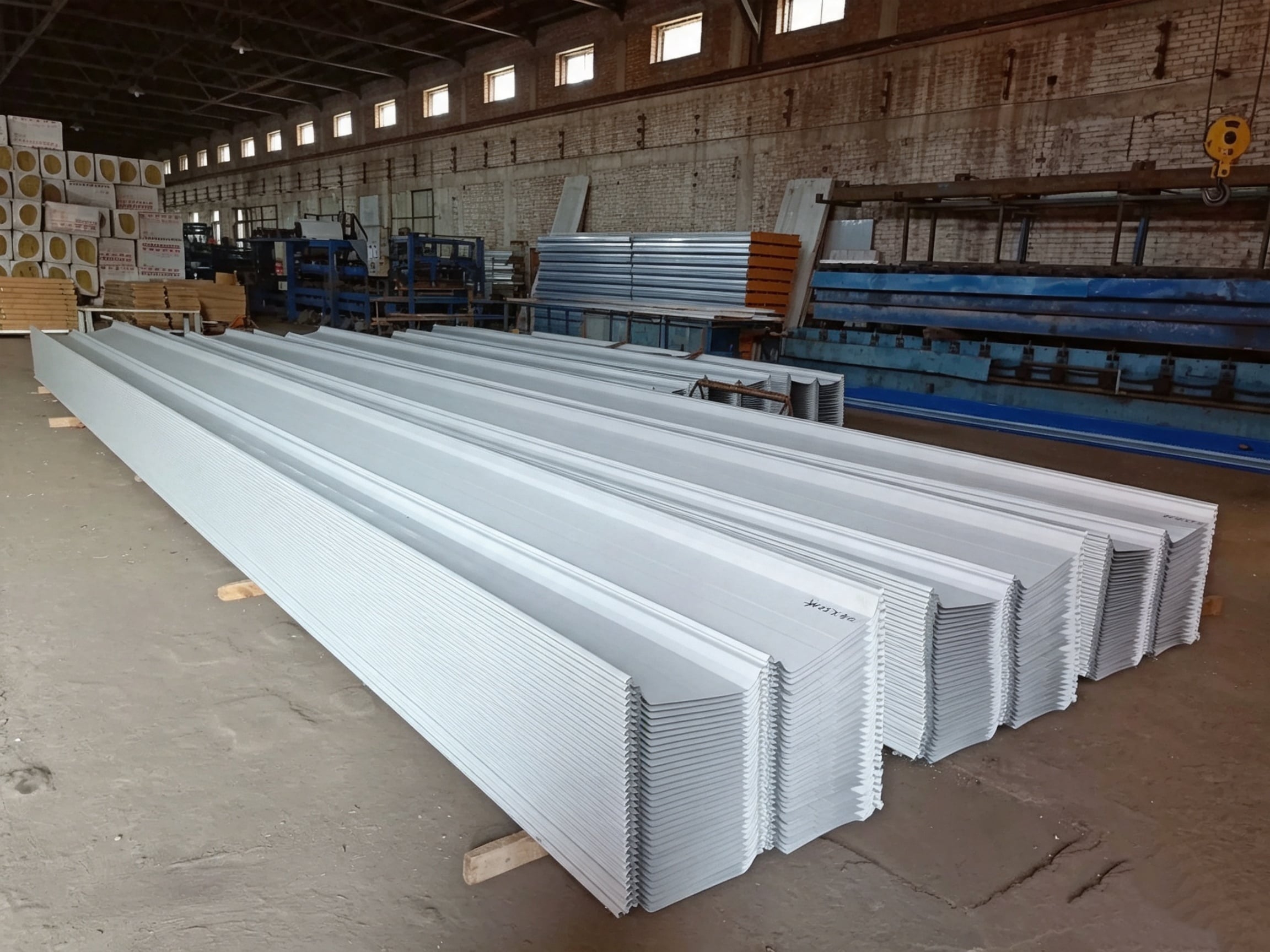
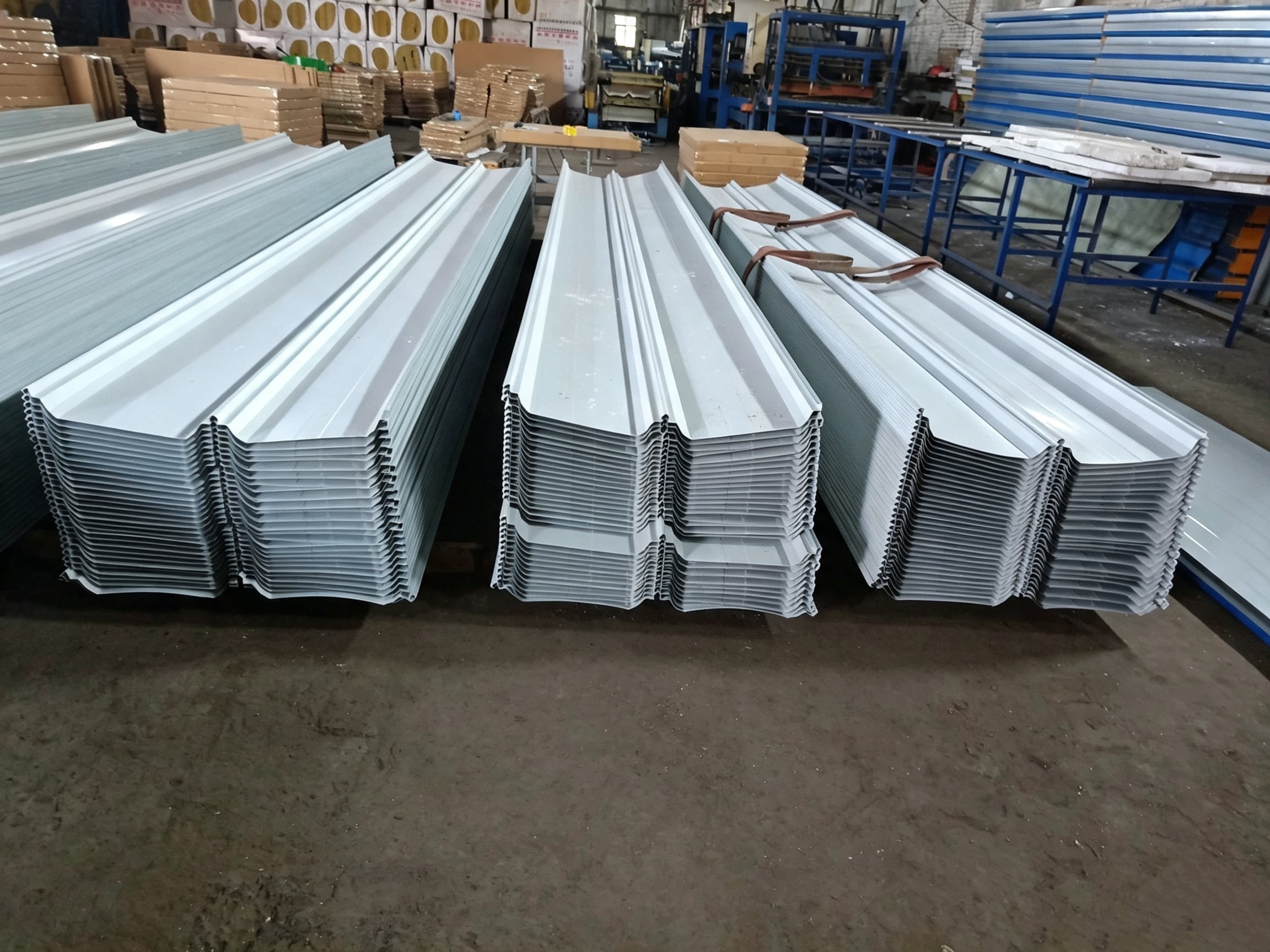
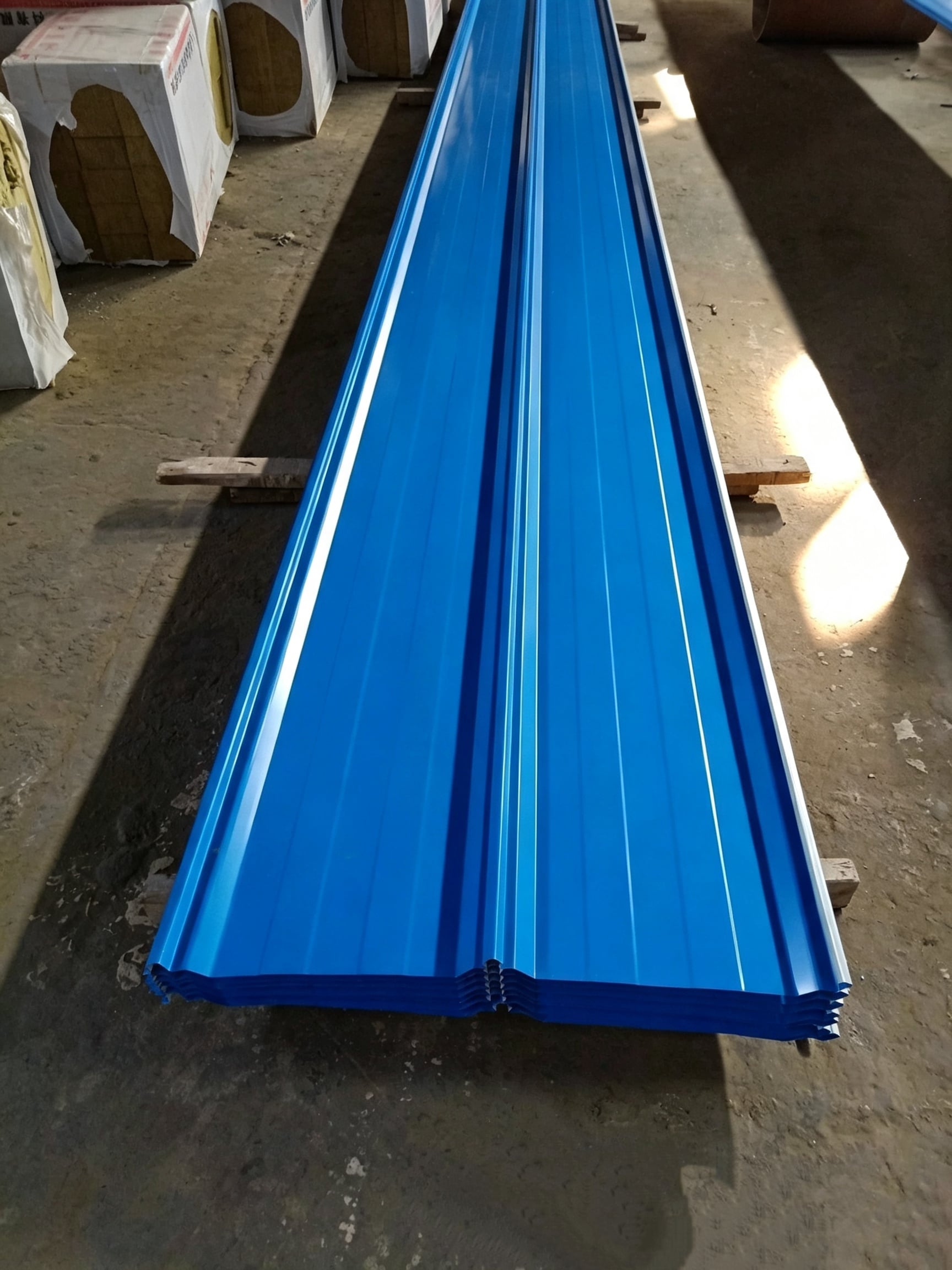
Standing seam metal roofing is a popular  choice for commercial and industrial buildings due to its  durability, weather resistance, and aesthetic appeal. However, when considering  standing  seam  metal roofing  prices, B2B buyers often have  concerns about supplier  reliability, material quality,  installation  processes,  and overall value.  This article aims to provide insights  into  selecting the  right supplier,  understanding key  specifications, evaluating  product quality, analyzing  cost  factors, and navigating installation guidance.

Why choose Xingyuanxing standing seam metal roofing prices

Our Products

How to Choose the Right Supplier for Standing Seam Metal Roofing

Selecting a reliable supplier for standing  seam metal roofing is critical for ensuring  project success. Buyers should  look for suppliers with extensive experience in the industry, specifically  in metal roofing. A supplier like Tianjin Xingyuanxing Color  Steel  Structure Co., Ltd., which has over 10 years of experience in steel structure engineering and building material supply, can provide valuable  insights into product options and installation processes. Additionally, consider options like Galvanized Several-Shaped Steel Profiles 50*70mm For Greenhouse Frames for enhanced durability.


When evaluating suppliers, consider the following criteria:

Experience and Expertise: Look for suppliers  who specialize in standing seam metal roofing and can demonstrate their capabilities  through past projects. Quality Control Processes: Inquire about the supplier's quality management  systems, including  certifications and testing protocols. A  robust quality control process helps ensure that the products meet industry standards. Customization  Options: If your project requires specific dimensions or colors, confirm that the supplier can accommodate custom requests. Delivery and Support: Assess the supplier's ability to meet deadlines and  provide post-installation support. Good  communication and  service can significantly impact  the success  of your project. 

Frequently Asked Questions

Our Blog Posts

What Our Partners Say

Key Specifications of Standing Seam Metal Roofing You Should Know

Key Specifications of Standing Seam Metal Roofing You Should Know

Understanding the specifications of  standing seam metal roofing is essential for making informed purchasing decisions. Key specifications include:

Material  Composition: Common materials include galvanized  steel, aluminum, and copper. Each material offers different benefits in terms of durability, weight, and cost.  For instance, aluminum is lightweight and resistant  to corrosion, making it suitable for coastal  applications. Thickness: The  thickness  of the metal panels typically ranges from 22  to 24 gauge. Thicker panels provide  greater durability  and resistance to denting but can also increase costs.  Panel Width and Profile: Standing seam roofing panels come in  various widths  and profiles, affecting both aesthetics and performance. A wider panel may reduce the number of seams, which can  enhance waterproofing. Finish Options: Protective coatings, such  as Kynar or polyester  finishes, can improve  the lifespan of  the roofing by providing resistance to fading and weathering.

Buyers should confirm these specifications with their supplier based on the intended application and environmental conditions.

 
Evaluating the Quality of Standing Seam Metal Roofing Products

Evaluating the Quality of Standing Seam Metal Roofing Products

Quality  assessment is crucial for ensuring that your standing seam metal roofing will perform well  over time. Here  are several factors to  consider  when evaluating product quality:

  Material Quality: Verify that the materials meet relevant industry standards. Look  for certifications or compliance with ASTM (American Society  for Testing and Materials)  standards. Manufacturing Processes: Understanding the manufacturing processes can provide  insight into product quality. Suppliers should have modern equipment and quality assurance practices in place to minimize defects. Performance Testing: Inquire whether the roofing products have undergone performance testing, such as wind uplift tests or water penetration tests.  These tests demonstrate the roofing  system's ability to withstand environmental stresses. Warranty Options: A  longer  warranty period often indicates a manufacturer's confidence in their product  quality. Review  the warranty terms to understand coverage for material defects and performance issues.

By focusing on these quality indicators,  buyers can make more informed  decisions and  mitigate risks  associated with roofing failures.

Cost Factors Influencing Standing Seam Metal Roofing Prices

Cost Factors Influencing Standing Seam Metal Roofing Prices

Understanding the  various  cost factors that influence standing seam metal roofing prices can help buyers budget effectively. Key factors include:

Material Costs: The choice of material significantly impacts pricing. For example, aluminum is  generally  more expensive than galvanized steel, but its  longevity  may justify the higher initial cost.  Panel Configuration: Custom designs and panel profiles may incur additional costs. Standard sizes and profiles are more  cost-effective due to economies of scale.  Installation Complexity: The complexity of the installation can  affect labor  costs. Factors such as roof pitch, accessibility, and the need for additional underlayment or insulation will influence overall expenses. Market Conditions: Prices  can vary  based  on supply chain issues, market demand, and regional economic factors. Staying  informed  about  current market trends can help buyers negotiate  better prices.

Buyers should obtain detailed quotations  from multiple suppliers and ensure they understand what is  included in the pricing.

Installation Guidance for Standing Seam Metal Roofing Systems

Effective installation is crucial for the performance and longevity of standing seam metal roofing systems. Here are key considerations for successful installation:

Preparation: Ensure that the roof deck is clean,  dry, and  free of debris before installation. Any underlying damage should be repaired to avoid complications. Correct Fastening:  Use appropriate fasteners and installation  techniques  as specified by the manufacturer. Improper fastening can lead  to leaks and reduced wind resistance. Seam Sealing: Seams should be properly sealed to prevent water  penetration. Pay attention to the manufacturer's recommendations for sealant types  and application methods. Temperature Considerations:  Install the  roofing in suitable weather conditions. Extreme temperatures can affect the material's expansion and contraction, impacting the integrity  of  the seams.  Quality Check: Conduct a thorough  inspection after  installation to ensure that all panels  are securely fastened and seams are adequately sealed. Address any issues immediately to prevent future problems.

By  following these installation guidelines, buyers can help ensure that their standing  seam  metal roofing system performs effectively  over its lifespan.