Choosing Standing Seam Metal Roof Materials

application/standing-seam-metal-roof-materials, application/standing-seam-metal-roof-materials, 
Inquiry
Inquiry

standing seam metal roof materials

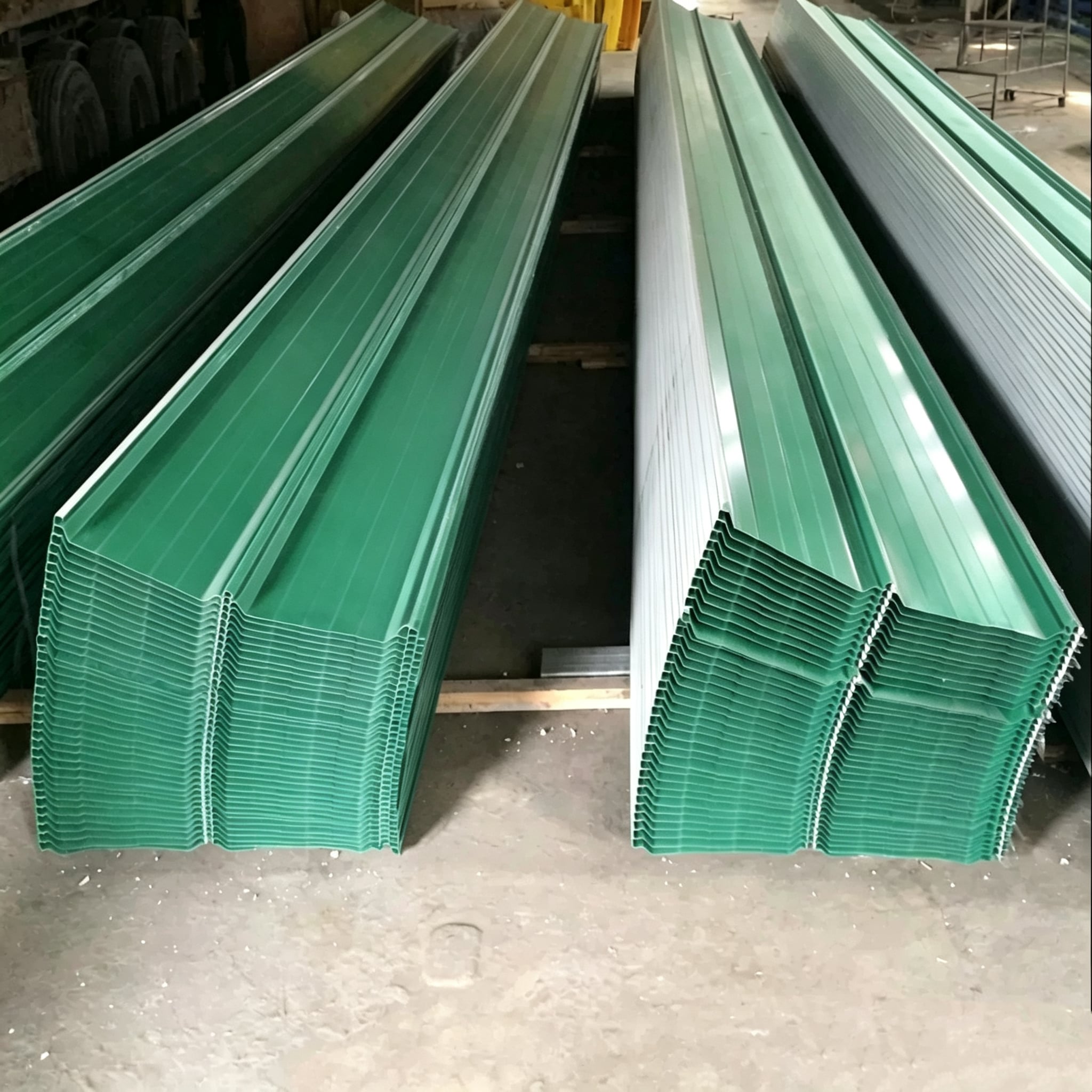
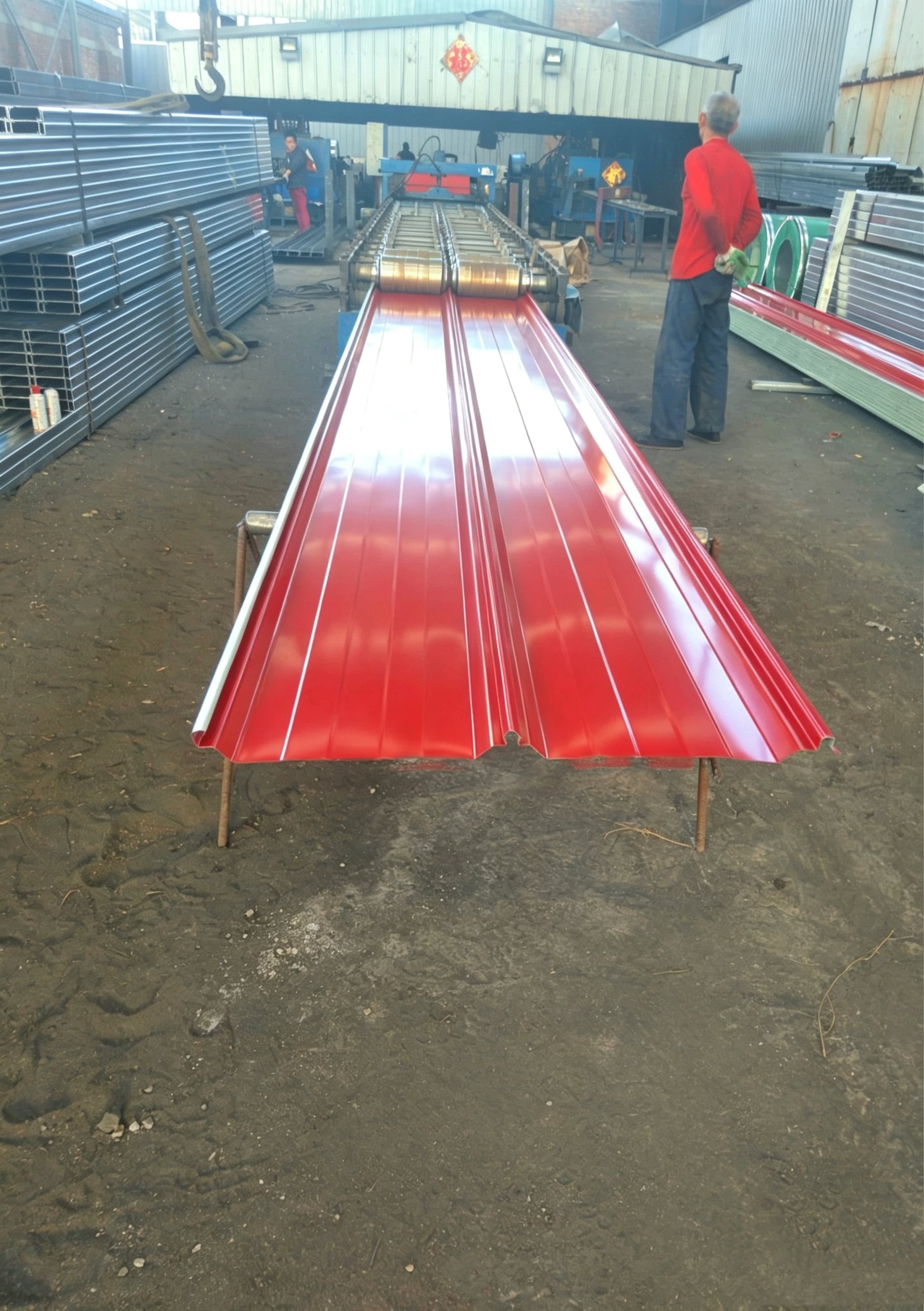
Standing seam metal roof materials are increasingly  popular in commercial and industrial construction due to their durability, efficiency,  and aesthetic appeal. These roofing systems consist of interlocking metal panels  that create  a continuous seam, offering superior weather resistance and energy efficiency.  For  B2B  buyers, key concerns often include material selection,  cost  considerations, installation challenges, and potential issues  that may arise  during the roof's lifecycle. This article  will  provide insights  into  choosing  the right standing  seam  metal roof materials, essential specifications, cost factors,  installation  guidance, and common problems along with their solutions.

Why choose Xingyuanxing standing seam metal roof materials

Our Products

Choosing the Right Standing Seam Metal Roof Materials for Your Projec

Selecting the appropriate standing seam metal roof materials is critical for  ensuring long-term  performance and cost-effectiveness. The first step is  to consider the type of metal used in the panels.  Common options  include galvanized steel, aluminum, and copper.  Each  material has its own advantages: galvanized  steel is  known for its strength  and affordability, aluminum offers  excellent corrosion  resistance, and copper is prized for its aesthetic qualities and longevity. Additionally, exploring options like Secondary steel structure can provide valuable insights for buyers.

Thickness is another important  factor. Most standing seam roofs come in  thicknesses ranging from 24 to 22 gauge. Thicker materials provide better durability and resistance to denting but may increase costs. Additionally, the  choice of finish—such as Kynar or polyester coatings—can significantly impact the  roof's lifespan and maintenance needs, with Kynar offering superior UV protection and color retention.

Finally, consider the specific environmental conditions  of your  project location. Factors such as wind load, snow load, and exposure to corrosive elements can influence material choice and design requirements. Consulting with a  manufacturer like Tianjin Xingyuanxing Color Steel Structure Co., Ltd. can provide tailored solutions based on regional  weather patterns and building codes. For instance, understanding the Roof system specifications can greatly aid in this process.

Frequently Asked Questions

Our Blog Posts

What Our Partners Say

Key Specifications for High-Quality Standing Seam Metal Roofs

Key Specifications for High-Quality Standing Seam Metal Roofs

When evaluating standing seam metal roofs, several key specifications should be  prioritized to ensure quality and performance:

Panel Width and Seam Height:  Standard panel widths range from 12 to 16 inches, while seam heights can vary from 1 to 2 inches. Taller seams  can provide better water runoff and are  generally recommended for areas with  heavy precipitation.

Material Properties: Look for materials that have been treated  for corrosion resistance, especially if the roof  will be exposed to harsh environmental conditions. For instance, galvanized steel should have a minimum G90 coating for optimal protection.

Thermal  Movement: Standing  seam roofs  must  accommodate thermal expansion and contraction. Ensure that the panels are designed for  this movement, particularly in climates with extreme temperature variations.

Wind Resistance: Verify the roof’s wind uplift rating,  which should comply  with local building codes. A roof designed for high wind  areas will  typically have enhanced fastening methods and panel configurations.

Warranty: A comprehensive warranty can be a sign of quality. Look  for warranties  that cover workmanship,  materials, and weather resistance, typically ranging from 20 to 50 years.

Confirming these specifications  with your supplier before making a purchase will help ensure that the standing seam metal roof meets the necessary performance and durability standards.

Cost Factors to Consider When Purchasing Standing Seam Metal Roofs

Cost Factors to Consider When Purchasing Standing Seam Metal Roofs

Understanding  the cost structure of standing  seam metal roofs is essential for budgeting and financial planning. Key factors that influence pricing include:

Material Costs: The choice of metal (steel, aluminum, copper) significantly affects  the overall cost. Copper roofs, while aesthetically pleasing and durable, are the most expensive option.

Gauge Thickness: Thicker  panels generally incur a higher cost but offer better  durability and longevity.  The investment in thicker materials may  pay off in reduced maintenance costs over  time.

Installation Complexity: Installation costs can vary based on the complexity of the roof design and the skill level  of  the installers. More intricate roof shapes or additional features such as skylights  will increase  labor costs.

Geographical  Location: Transportation costs  can vary significantly based on the distance from the supplier to  the job  site. Additionally, local labor  rates will impact installation costs.

Customization: Custom colors, finishes, or  panel sizes may incur additional fees. Discussing your specific requirements with a  manufacturer can help clarify these costs early in the procurement process.

By carefully evaluating these cost factors, buyers can make informed decisions that align with their project budgets without compromising quality.Factory building of steel structure options might also offer alternatives worth considering.

Installation Guidance for Standing Seam Metal Roof Materials

Installation Guidance for Standing Seam Metal Roof Materials

Proper installation is crucial for the performance and  longevity  of standing seam metal roofs. Here are essential steps and considerations for a successful installation:

Substrate Preparation: Ensure that the roof deck is  clean, dry, and structurally sound.  Any imperfections can lead  to water infiltration and compromised performance.

Underlayment: Install a high-quality underlayment  to provide an additional moisture barrier. This is particularly important in climates with significant  rainfall or snow.

Panel Layout:  Plan the layout of  the panels carefully to minimize waste and ensure proper water drainage. Panels should be installed starting from the eave and  progressing upwards to avoid water  infiltration at seams.

Seaming  Process: Utilize proper  tools for seaming, which may include mechanical seamers for consistent and secure connections.  Ensure that seams are sealed and that panels are fastened according  to manufacturer specifications to allow for thermal movement.

Final Inspection: Once installed, conduct a thorough inspection to ensure that all panels are properly aligned, seams are secure,  and there are no visible gaps that could lead to leaks.

It is  advisable to work with experienced contractors familiar with standing seam metal roofs to ensure compliance with best practices  and manufacturer guidelines.

Common Problems with Standing Seam Metal Roofs and Their Solutions

Despite their durability, standing seam metal  roofs can encounter specific problems. Here are some common issues and recommended  solutions:

Leakage at Seams: Over  time, the seams may develop leaks due to thermal expansion or improper installation. Regular inspections and maintenance can help identify and address these issues early. If leaks  are detected, resealing the seams with appropriate sealants can restore their  integrity.

Denting: Metal roofs can be susceptible to denting from hail or falling debris. While this does not typically affect performance, it can impact  appearance. Installers should select thicker  gauge  materials in high-risk areas to minimize this risk.

Corrosion: Even  with  protective coatings, corrosion can occur, especially in coastal regions with high salt exposure. Regular maintenance and cleaning can help prevent corrosion. If corrosion is detected,  the affected panels may need to be replaced or treated.

Thermal Expansion Issues: If the panels are not  installed with adequate allowances for thermal movement, buckling can occur. Ensuring that the installation  follows manufacturer  guidelines for expansion will  help mitigate this problem.

By being aware of these potential issues and implementing proactive maintenance measures, building owners can extend the life of their standing seam metal roofs and enhance their performance.

In summary, understanding the nuances  of standing seam metal roof materials can significantly empower B2B buyers in making informed decisions. From selection to installation and maintenance, each step is crucial for achieving a successful  roofing solution  tailored to specific project  requirements.