Key Specifications to Evaluate in Standing Seam Roof Panels
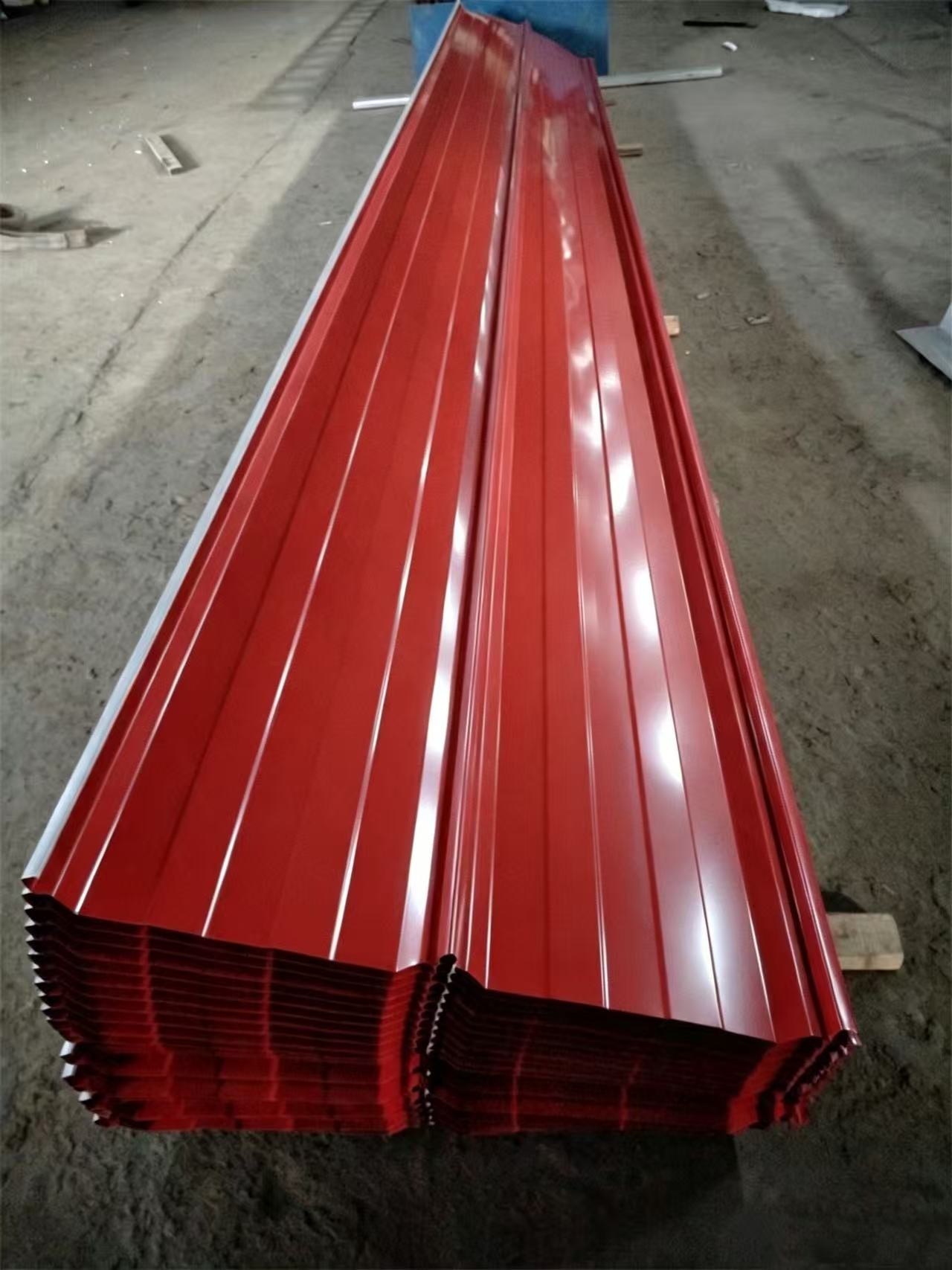
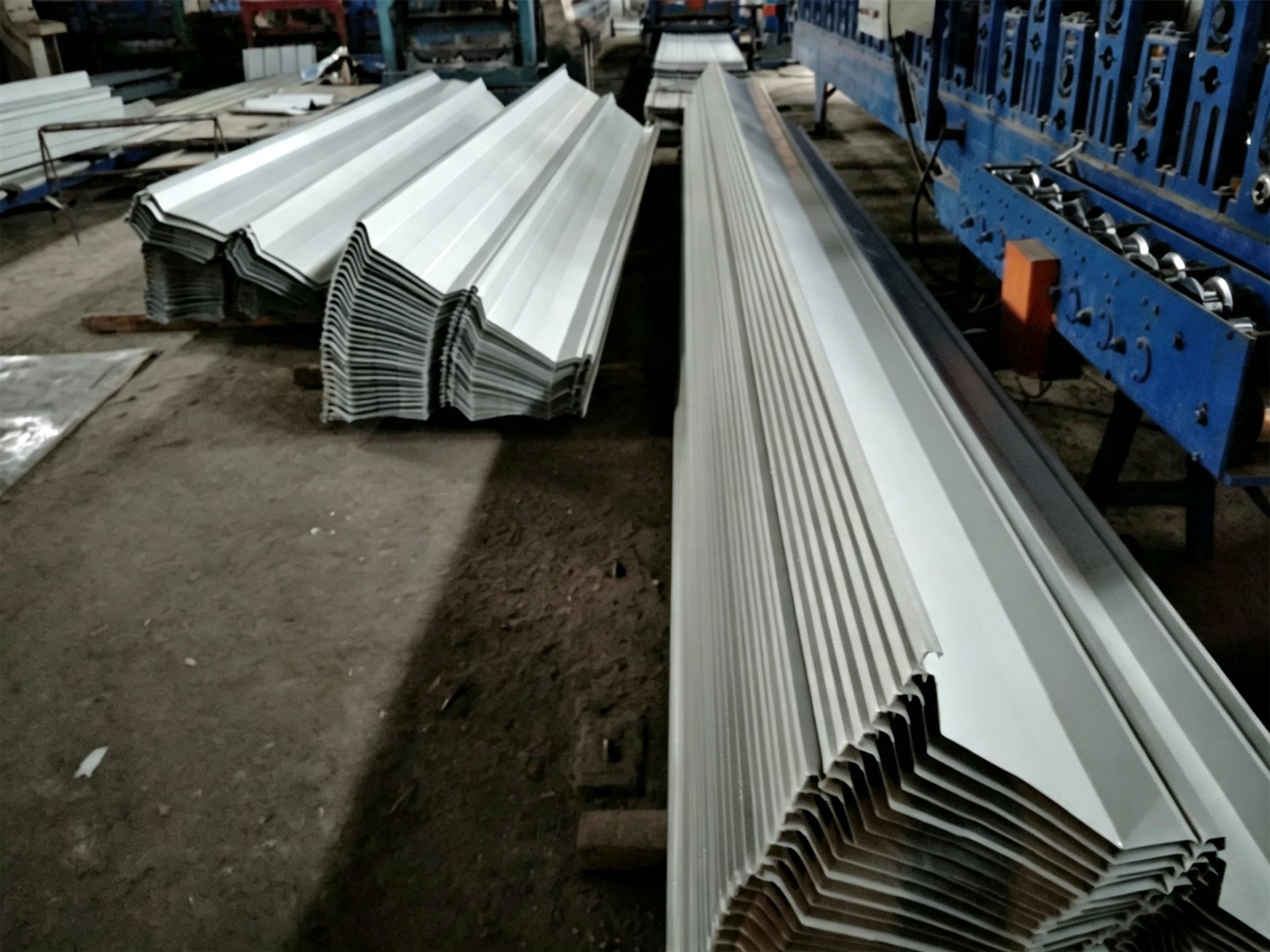
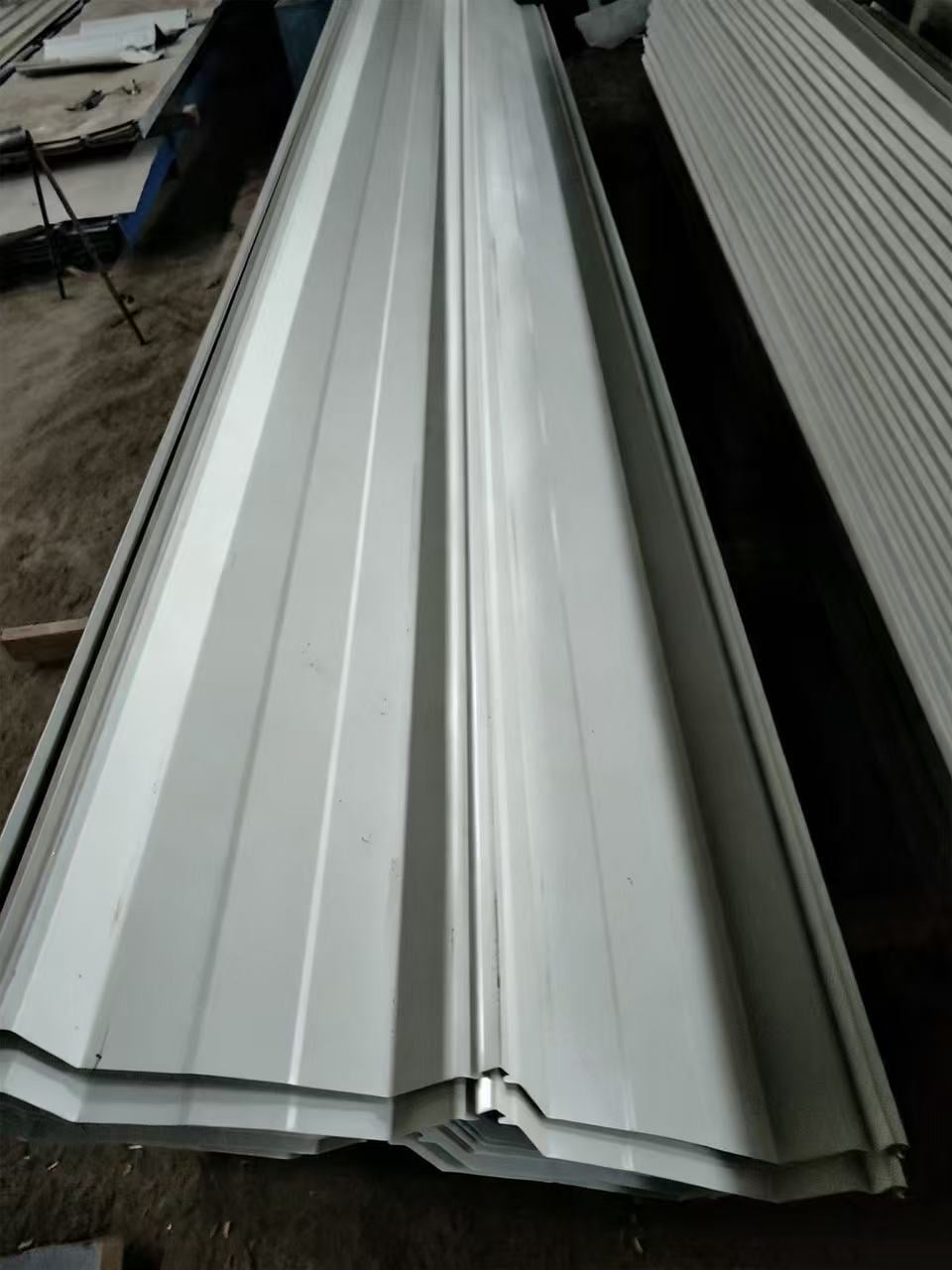
When evaluating standing seam roof panels, several specifications play a critical role in their performance and suitability for specific applications:
Material: Most standing seam panels are made from galvanized steel, aluminum, or copper. Each material has different properties regarding weight, corrosion resistance, and thermal expansion. For instance, aluminum offers superior corrosion resistance, making it ideal for coastal applications.
Thickness: The thickness of the panels typically ranges from 22 to 26 gauge. Thicker panels provide better durability and resistance to extreme weather but may also increase installation complexity and cost.
Dimensions: Standard widths for standing seam panels range from 12 to 18 inches. Proper sizing must consider the building's design and local climate conditions to ensure adequate drainage and prevent moisture accumulation.
Seam Type: There are various seam types, such as snap-lock and mechanical seam systems. Mechanical seams require additional labor for installation but offer enhanced water resistance, making them suitable for high-wind areas.
Finish: The surface treatment is vital for durability and aesthetics. Kynar 500 is a popular finish that offers excellent UV resistance and color retention, important for maintaining appearance over time.
Buyers should ensure that the specifications align with their project requirements and confirm these details with the supplier before placing orders. Additionally, understanding the Roof system can further enhance the overall performance of standing seam roofs.
 EN