Choosing Quality Standing Seam Metal Panels

application/standing-seam-metal-panels, application/standing-seam-metal-panels, 
Inquiry
Inquiry

standing seam metal panels

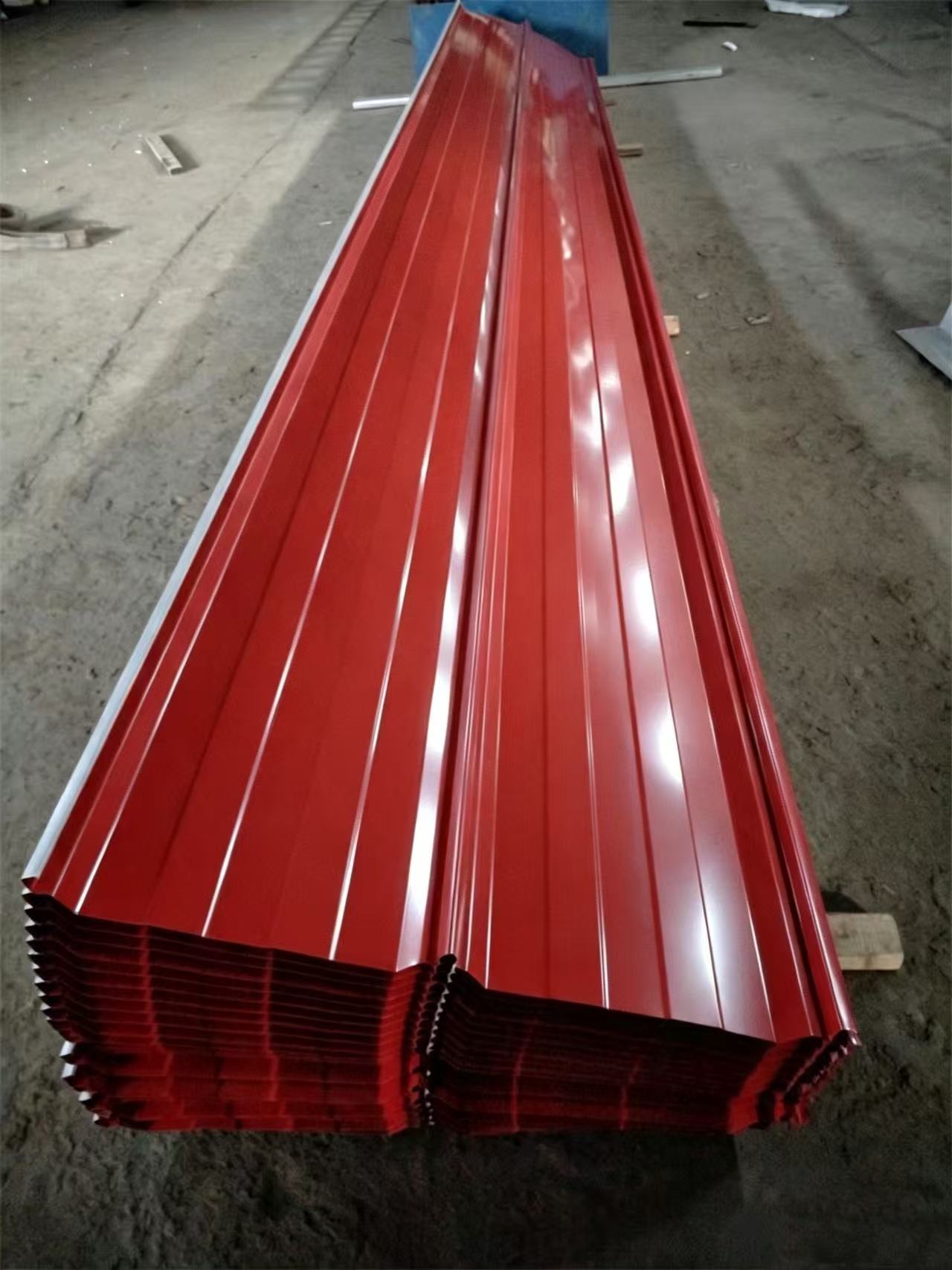
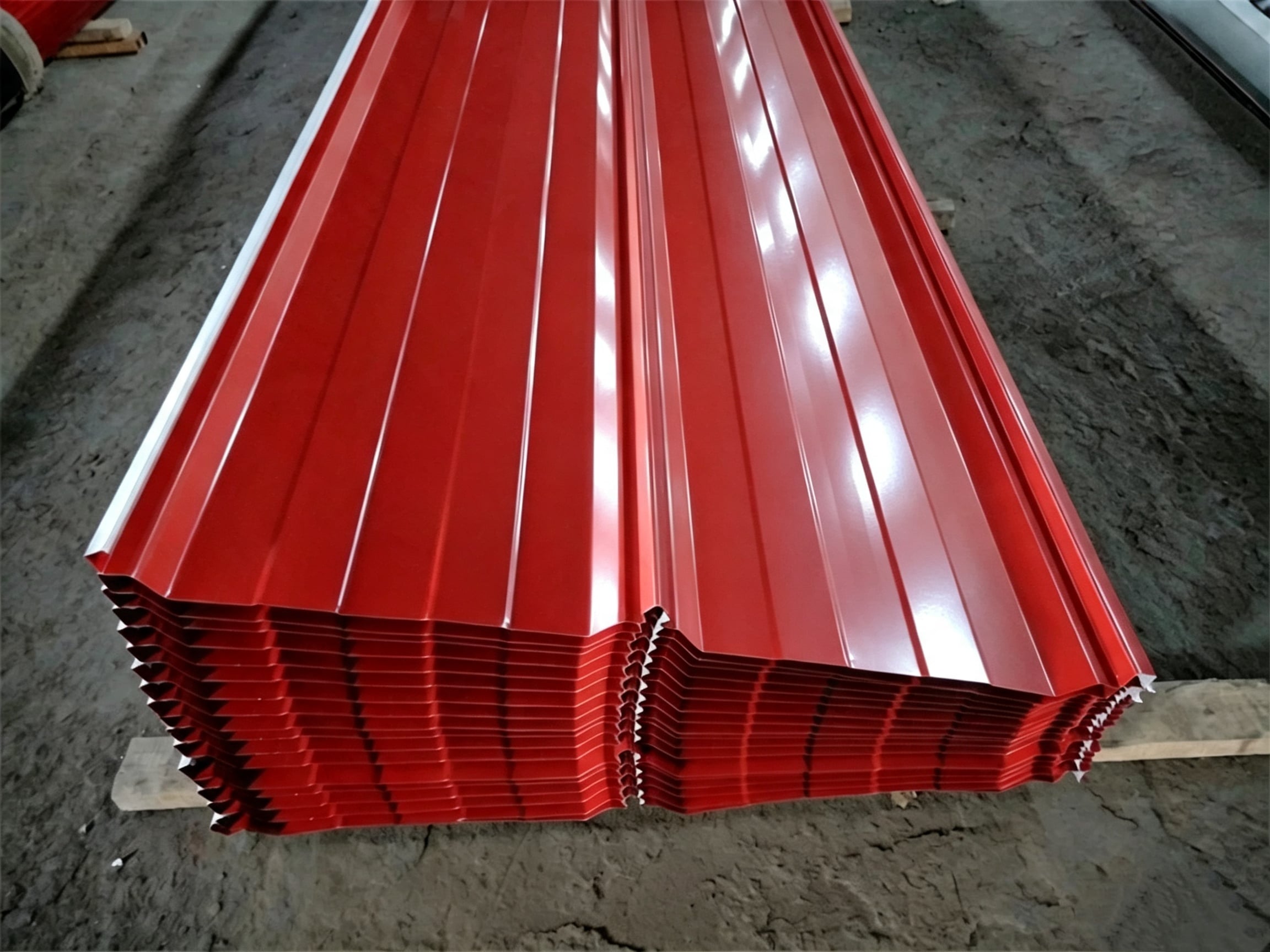
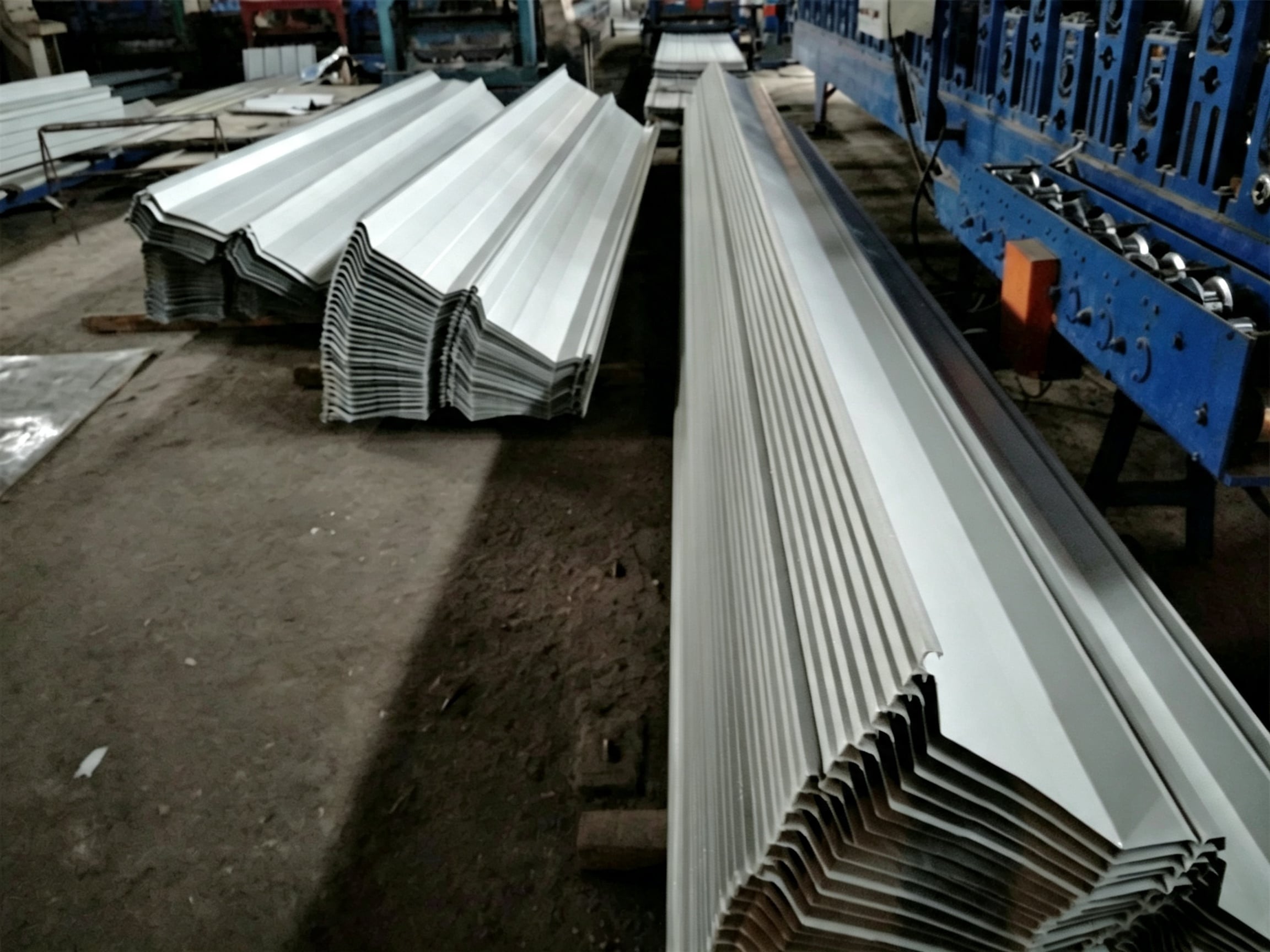
Standing  seam  metal panels are a  popular  choice in the construction industry for roofing and wall  applications  due to their  durability, energy efficiency, and aesthetic appeal. As a buyer or  project manager, understanding the key factors when selecting  these  panels can significantly impact  the success of your projects. This article will  guide you through  essential considerations when selecting standing  seam  metal  panels,  evaluating  their quality,  understanding  specifications, insights from a contractor's perspective, and common issues along with their solutions.

Why choose Xingyuanxing standing seam metal panels

Our Products

What to Consider When Choosing Standing Seam Metal Panels for Projects

When selecting standing  seam metal panels, several factors should  be taken into account to ensure they meet the project's requirements. First, consider the material type—commonly aluminum or galvanized steel. Aluminum panels are lightweight  and resistant to  corrosion, making them  ideal for coastal environments,  while galvanized steel offers strength and durability, suitable for various  climates. Additionally, for projects requiring robust structural support, you may want to consider Hot-Rolled U-Shaped Channel Steel Q235B For Industrial Equipment Base Support.

Next, evaluate the panel thickness, typically ranging from 24 to 16 gauge.  Thicker panels provide enhanced durability and resistance to weather conditions, while thinner options  may be more cost-effective but could compromise longevity. Additionally,  the panel width  and profile  should align with the design aesthetics  and functional requirements of the building.

Lastly, consider the  finish and  color options. A high-quality coating can enhance aesthetics while providing necessary protection against  UV  rays  and corrosion. Many manufacturers offer a range of colors and finishes to match specific architectural designs, ensuring the panels not only perform well  but also contribute to the building's  overall look.

Frequently Asked Questions

Our Blog Posts

What Our Partners Say

How to Evaluate the Quality of Standing Seam Metal Panels for Bulk Orders

How to Evaluate the Quality of Standing Seam Metal Panels for Bulk Orders

Quality evaluation of standing seam metal panels involves examining several key aspects. Start by reviewing the manufacturer's certifications and production processes. ISO certifications can indicate a commitment to quality manufacturing practices. Understanding  the company's quality  control processes, such as  pre-production inspections  and final product testing,  can further assure you  of the panels' durability and performance.

Inspect the material used in the  panels.  High-quality steel or aluminum should  meet industry standards  for thickness and tensile strength. A  sample approval should be part  of your purchasing process; inspect it  for dimensional accuracy, surface finish, and weld quality. Ensure that any  protective coatings are applied uniformly and are free from defects.

Finally, consider the manufacturer's  warranty. A robust warranty can indicate  the  manufacturer's confidence in their  product's longevity  and performance. Understanding the terms of this warranty, including what it covers and its duration, is crucial for mitigating future risks related  to your investment.

Understanding the Specifications of Standing Seam Metal Panels for Buyers

Understanding the Specifications of Standing Seam Metal Panels for Buyers

Specifications are critical when evaluating standing seam  metal  panels. Key specifications to understand include the panel profile, which affects  water drainage  and overall performance. The  seam height and width can impact the panel's ability  to handle thermal expansion and contraction, essential  for maintaining structural integrity  over time. For projects requiring exceptional thermal properties, consider Waterproof Insulation Sandwich Roof Panel 950mm With Rock Wool Core.

Thermal resistance  is another important specification. Panels with higher R-values  provide better insulation, which can lead  to energy cost savings  in the long run. It is also essential to understand the  environmental ratings of the panels, including their resistance to wind uplift  and snow loads, as these  factors can vary significantly based on geographic location and building design.


Additionally, pay  attention to  the installation requirements specified by the manufacturer. Some panels may require specific fastening systems or underlayment materials to ensure proper installation and performance. Familiarizing yourself with these specifications helps ensure compatibility  with  your construction methods and site conditions.

A Contractor's Perspective

A Contractor's Perspective

From a contractor's standpoint, the ease of installation of standing seam metal panels is a crucial  consideration.  Panels  that  are designed for straightforward installation can save significant time and labor  costs on the  job site. Look for features like  snap-lock  systems, which allow panels to be easily connected without the need  for additional  fasteners, streamlining the  installation process.


It's also  vital to consider site conditions. Ensure that the panels are compatible with the local climate and environmental factors, such as potential snow loads  or high winds.  A  contractor’s experience in similar environments can provide valuable insights into which specifications will  perform best under specific conditions.

Moreover, engaging  with the manufacturer during the planning phase can help identify potential issues  before they arise. They can provide guidance on installation best practices, recommend suitable  tools, and suggest adjustments to the panel design based on the project’s unique requirements.

Common Problems with Standing Seam Metal Panels and Their Solutions

While standing seam metal panels  are renowned for their durability, certain issues can  arise during installation and over time. One common problem is panel  oil canning, which  creates a  wavy appearance. This issue often stems from improper installation or the  use of panels that are too thin. To mitigate this, ensure panels are adequately supported and consider using thicker materials to reduce the  risk  of  oil canning.

Another potential issue is improper sealing at the seams, which can lead to water infiltration. To prevent this, it's  essential to follow the manufacturer's installation guidelines closely and  ensure proper sealing materials  are used. Regular maintenance checks can also help identify and rectify potential leaks before they escalate.

Lastly, thermal  expansion can cause panels to buckle or warp if not adequately accounted for during installation. Allowing for proper expansion joints and following the manufacturer's recommendations for fastening can help alleviate this issue. Ensuring that your installation team is well-versed in these considerations can significantly  enhance the performance and longevity of the panels.

In summary, selecting the right standing  seam metal panels requires careful  consideration of  material, specifications, quality evaluation, and  installation practices. By understanding these key  elements,  buyers can make informed decisions that lead to successful project outcomes.