Key Specifications of Standing Seam Metal Roof Panels

application/standing-seam-metal-roof-panels, application/standing-seam-metal-roof-panels, 
Inquiry
Inquiry

standing seam metal roof panels

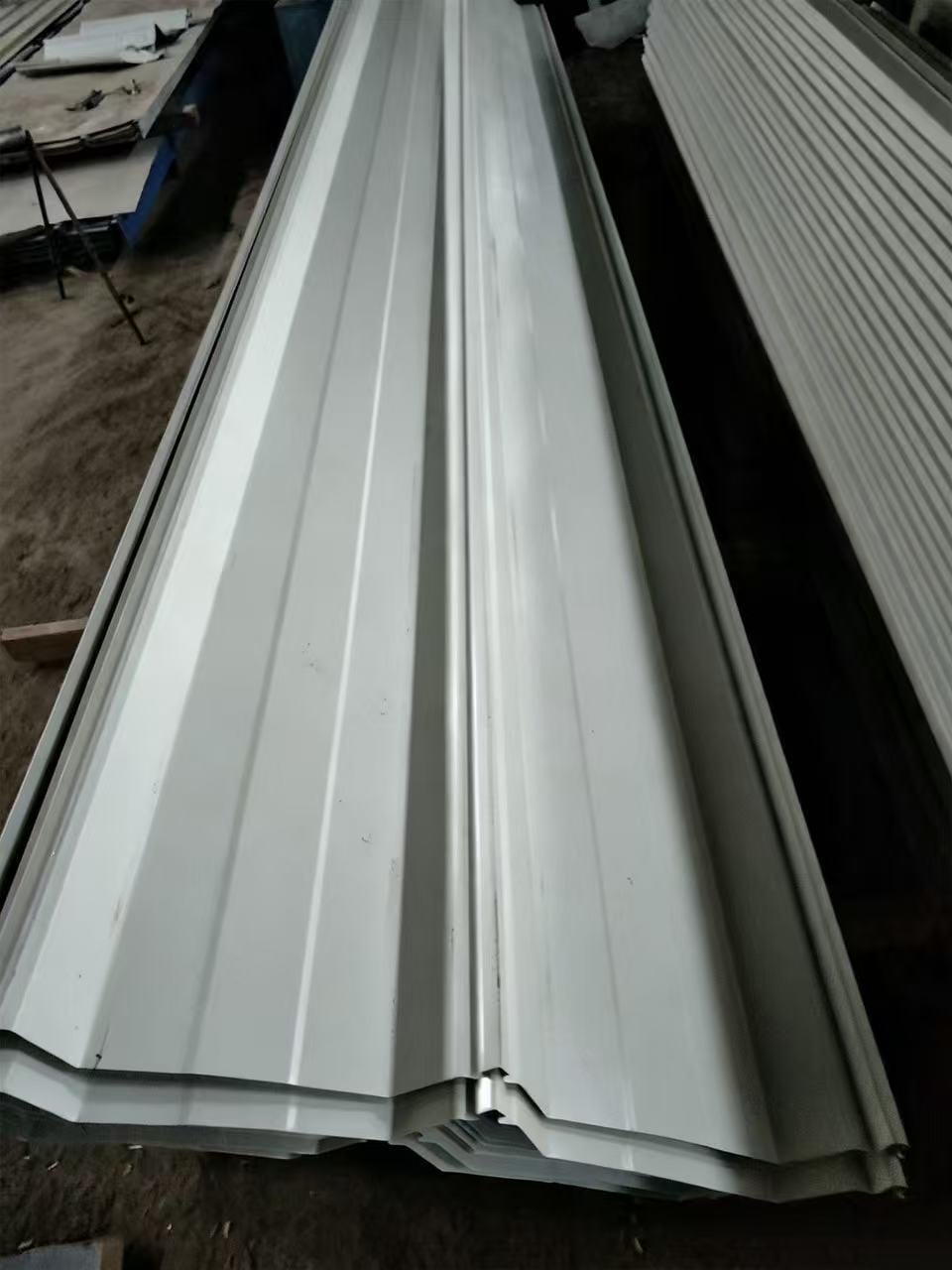
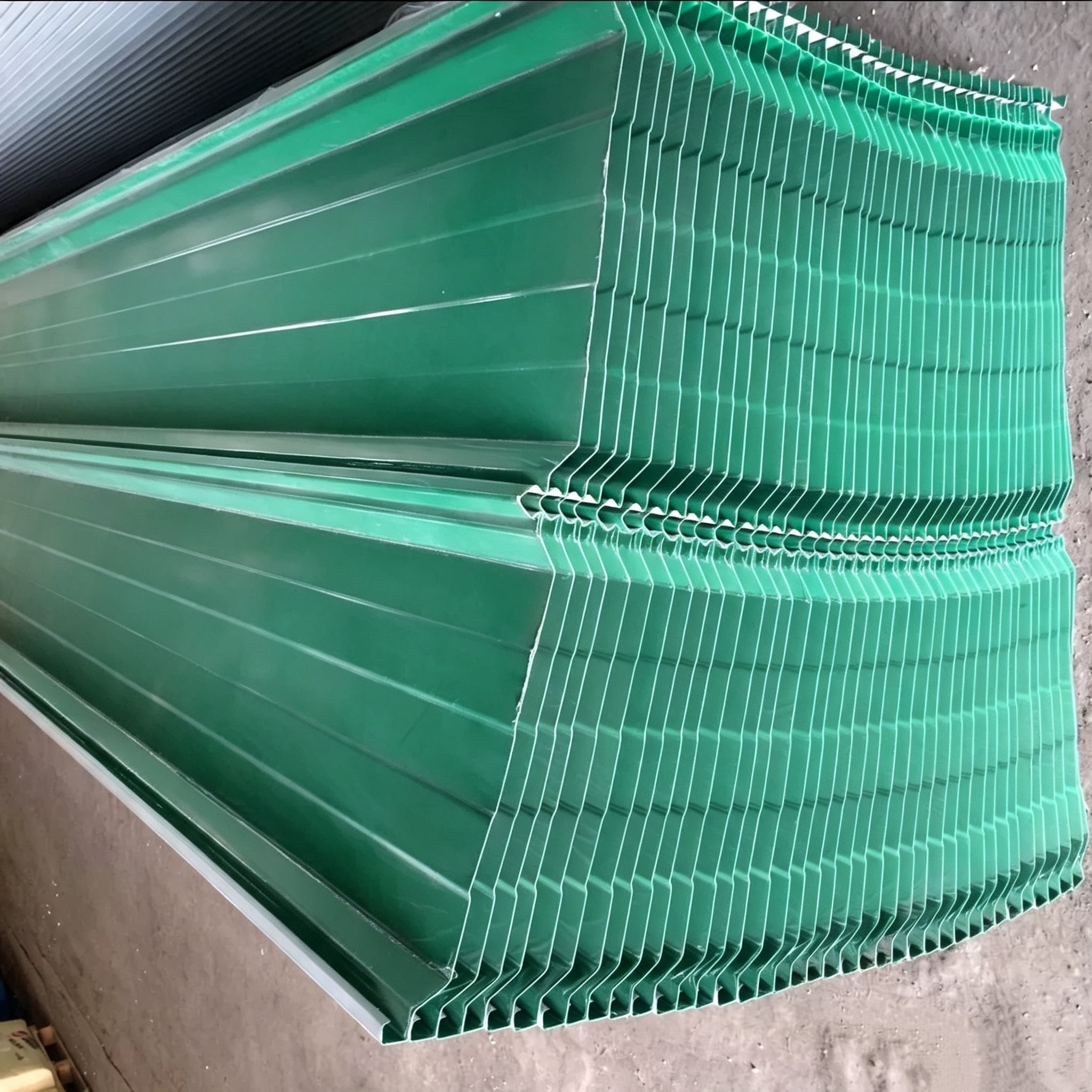
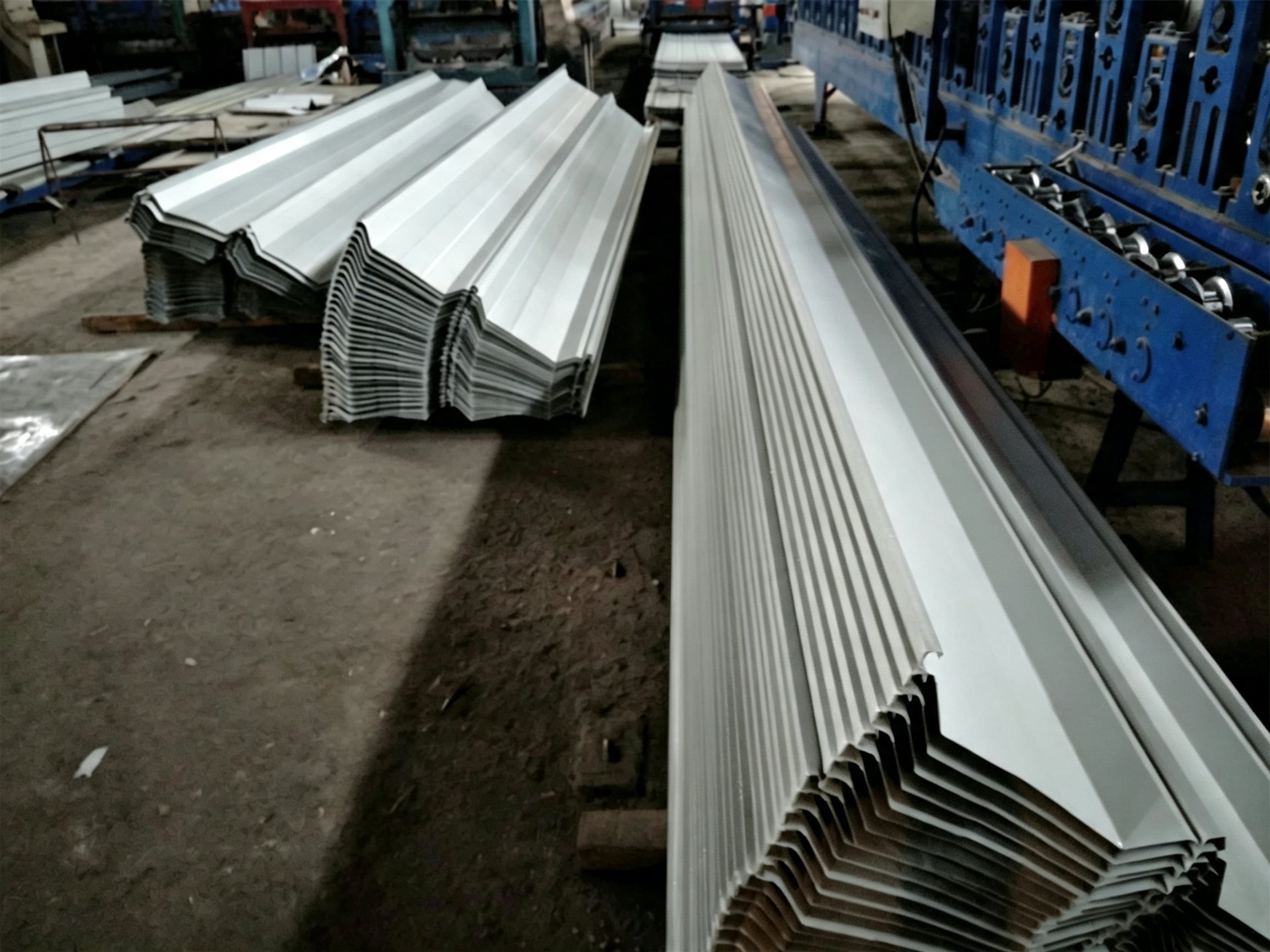
Standing seam metal roof panels are  a robust and  reliable roofing solution  commonly  utilized in commercial and industrial applications.  These panels are  designed to  create a seamless and  watertight roof, enhancing durability and reducing maintenance over time. As  a B2B  buyer, understanding the key specifications,  quality evaluation methods, sourcing options, installation  requirements, and benefits  of standing  seam metal roofs is essential for  making informed  purchasing decisions. This  article will provide practical insights into these aspects,  enabling purchasing managers and  engineers to select the best roofing solutions for  their projects.

Why choose Xingyuanxing standing seam metal roof panels

Our Products

Key Specifications for Standing Seam Metal Roof Panels Explained

When evaluating standing  seam metal roof panels, several key specifications are crucial to ensure performance and longevity:


Material: Common materials include galvanized steel, aluminum, and copper. Each material offers distinct benefits, such as  corrosion resistance in aluminum and the aesthetic appeal of copper.

Panel Thickness: Thickness typically ranges from 22  to 24 gauge for steel  panels. Thicker panels generally provide better durability  and impact resistance, which is vital for areas prone to severe weather.

Profile Design: The profile of the panel, often characterized by its rib height and width, affects water  drainage and structural integrity. Higher ribs enhance water management but may influence aesthetics.

Seam Type: The type of seam—mechanical or  snap-lock—affects installation ease and long-term  performance.  Mechanical seams are typically more robust and suitable for extreme  weather conditions.

Coating: A  high-quality coating, often a Kynar or polyester finish, improves UV resistance and color retention, crucial  for  maintaining the roof's appearance over time.

Understanding  these specifications will help buyers  select  panels  that meet their project's requirements in terms of  durability, aesthetics,  and performance. Additionally, considering products like Galvanized Several-Shaped Steel Profiles 50*70mm For Greenhouse Frames can enhance the overall structural integrity of roofing systems.

Frequently Asked Questions

Our Blog Posts

What Our Partners Say

How to Evaluate the Quality of Metal Roof Panel Suppliers

How to Evaluate the Quality of Metal Roof Panel Suppliers

Choosing a  reliable supplier for standing seam metal  roof panels involves several critical evaluation criteria:

Experience and Reputation: A supplier with  a  solid track  record  in the industry can provide better assurance of quality. Look for years of experience and customer testimonials to gauge reliability.


Manufacturing Capabilities: Inspect the supplier's production equipment and processes. Advanced machinery and quality control measures indicate a commitment to producing high-quality products.

Certifications: Check for relevant industry certifications, such  as ISO or ASTM compliance. These certifications ensure that the products meet specific quality and safety standards.

Customization Options: Suppliers should offer customization to meet specific project requirements, including panel profiles,  colors, and finishes.

Sample  Approval Process: Before finalizing  an  order, request  samples to evaluate  the quality  firsthand. Confirm dimensions, finishes,  and other specifications  to avoid issues during mass production.

By focusing on  these  criteria, buyers can confidently select a  supplier that meets their quality expectations and project needs. Additionally, exploring options like Hot-Rolled U-Shaped Channel Steel Q235B For Industrial Equipment Base Support can provide further structural support in various applications.

Where to Source Reliable Suppliers for Standing Seam Metal Roofs

Where to Source Reliable Suppliers for Standing Seam Metal Roofs

Finding  trustworthy suppliers for standing seam metal roofs involves several strategies:

Industry Associations:  Engage with industry associations and trade shows that focus on roofing and construction materials. These platforms provide  insights into  reputable manufacturers and suppliers.


Online Marketplaces and Directories:  Utilize B2B platforms such as Alibaba, ThomasNet, or  industry-specific directories to find suppliers. Look for reviews and ratings from previous buyers.

Local and Regional Resources: Depending on your location, local suppliers may offer competitive pricing and  faster delivery times. Companies like Tianjin Xingyuanxing  Color Steel Structure Co., Ltd.  have established themselves  within the Beijing-Tianjin-Hebei region, known for quality service and  efficient project management.

Networking: Leverage industry contacts and social media platforms such as LinkedIn to connect with manufacturers. Referrals from  trusted colleagues can lead to reliable  suppliers.


Request for Quotes (RFQs): When sourcing  suppliers, prepare comprehensive RFQs  that specify  your project needs. This process can help gauge supplier responsiveness and willingness to meet your requirements.

By employing these strategies, buyers can source reliable suppliers that align with their project specifications and  budgetary constraints.

Installation Guidance for Standing Seam Metal Roof Panels

Installation Guidance for Standing Seam Metal Roof Panels

Proper installation of standing seam metal  roof panels  is crucial for ensuring  their performance and longevity. Here are some key guidelines:

Preparation: Before installation,  ensure that the roof  structure is sound and free of debris. Proper underlayment installation is  essential for moisture protection.

Panel Layout: Plan the panel layout carefully,  considering the roof slope and drainage needs. This helps avoid  water pooling and  ensures effective drainage.

Fastening: Use appropriate fasteners as specified by the panel manufacturer. Pay  attention  to the installation method—mechanical seams require specific tools and techniques for secure fastening.

Expansion and  Contraction: Metal panels expand and contract  with temperature changes. Ensure that the panels are adequately spaced and fastened to accommodate  this movement without causing  damage.

Sealing: Ensure that  all seams are properly sealed according to manufacturer guidelines. This step is critical in  preventing leaks and  enhancing the roof's overall performance.

By following these installation guidelines, buyers can ensure  that their standing seam  metal roofs perform optimally, reducing the likelihood of future maintenance issues. Incorporating materials such as No-Concrete Galvanized Steel Floor Deck Q235B For Rapid Mezzanine Construction can also contribute to efficient installation practices.

Benefits of Using Standing Seam Metal Roof Panels in Your Projects

Standing seam metal roof panels  offer numerous advantages that make them an attractive choice for commercial and industrial projects:

Durability: These panels are designed to withstand harsh weather conditions, including heavy rain, snow, and high winds. Their robust construction reduces the risk  of leaks and structural damage.

Low Maintenance:  With fewer seams and joints, standing  seam roofs are less prone to leaks, resulting  in  lower maintenance costs  over their lifespan.

Energy Efficiency: Many metal roofing systems come with reflective coatings that improve  energy efficiency by reducing heat  absorption, leading to lower cooling costs.

Aesthetic Flexibility: Standing seam panels are  available in various colors and finishes, allowing for a customizable look that can enhance the overall aesthetic of a building.

Sustainability: Made from recyclable  materials, metal roofs contribute to sustainable building practices. Their longevity  also means less waste from replacements over time.

Incorporating standing seam  metal roof panels into projects can  lead to  long-term  benefits, making them a sound investment for purchasing managers and project engineers.

By understanding the specifications, evaluating suppliers, following installation guidelines, and recognizing the benefits, B2B buyers can  make well-informed decisions when selecting standing seam metal roof  panels  for  their projects.