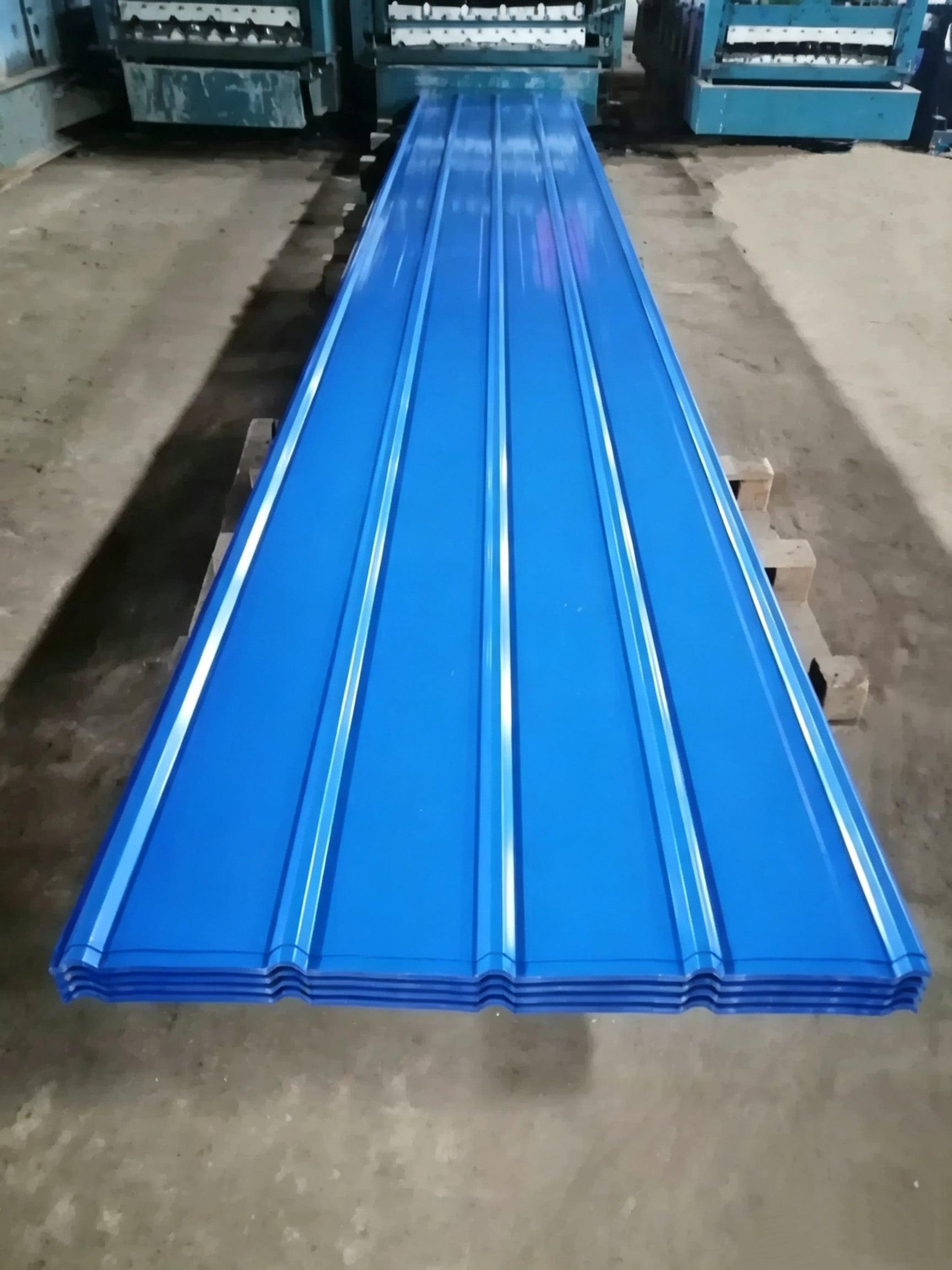
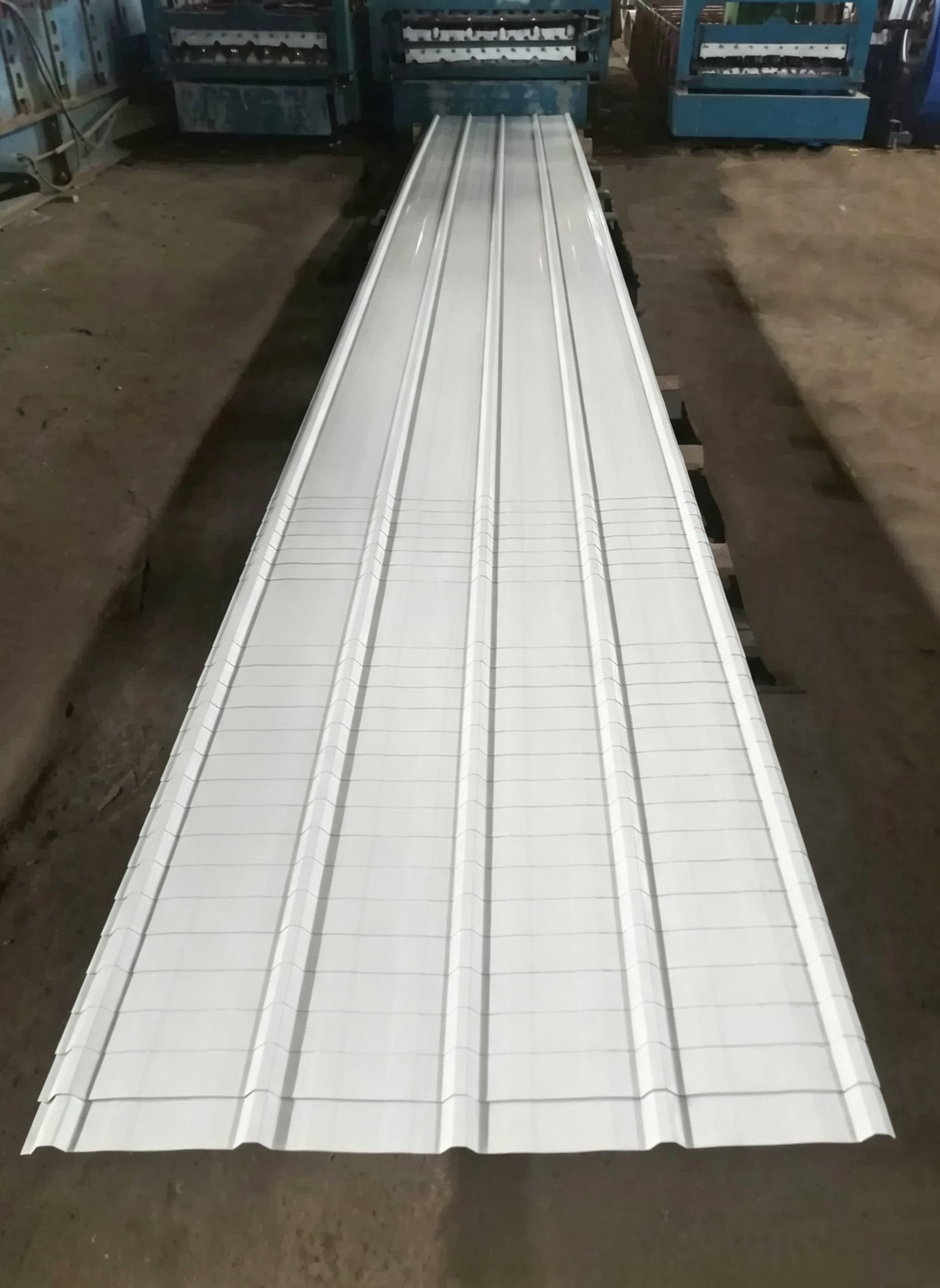
Key Aspects of Metal Roofing Sheets for Buyers

application/metal-roofing-sheets, application/metal-roofing-sheets, 
Inquiry
Inquiry

metal roofing sheets

Metal roofing  sheets  are  a durable and versatile building material widely used in various construction projects. As a B2B buyer,  understanding the key specifications,  cost factors,  applications, best practices, and common  problems associated with metal roofing sheets  is essential for making  informed  purchasing decisions. This  article will provide valuable  insights into each of  these  aspects, helping you  choose  the  right metal  roofing sheets for  your specific  needs.

Why choose Xingyuanxing metal roofing sheets

Our Products

Key Specifications to Consider When Sourcing Metal Roofing Sheets

When sourcing metal roofing sheets,  several specifications are crucial to evaluate. Key factors include:

Material Type: Common materials used for metal  roofing sheets include  galvanized steel, aluminum, and copper. Each material offers different benefits in terms of weight, corrosion resistance, and thermal efficiency. For instance, aluminum is lightweight  and resistant to corrosion  but may not be as strong  as galvanized steel. For projects requiring durability and strength, consider options like Galvanized Several-Shaped Steel Profiles 50*70mm For Greenhouse Frames.

Thickness: The thickness of the metal  sheet, often measured in gauge, affects durability  and performance. Thicker sheets (lower gauge numbers) tend to be more robust and better suited for high-wind or  heavy-snow regions. Buyers should  confirm the appropriate thickness based on local weather conditions and building codes.

Coating and Finish: The surface treatment of metal roofing sheets, such as paint or protective coatings, plays a  significant role in longevity and aesthetics. A high-quality  finish can  increase resistance to weather and  UV degradation, which is crucial for maintaining appearance and functionality over time.

Dimensions: Standard widths and lengths vary, but it's essential to ensure that the dimensions align with your project requirements. Custom sizes  can be produced, but this may affect lead  times and costs.

Interlocking Design: Some metal roofing sheets feature interlocking  designs that enhance water runoff and reduce the  risk of leaks. Understanding the design specifics is vital  for ensuring proper installation and effective performance.

Frequently Asked Questions

Our Blog Posts

What Our Partners Say

Cost Factors to Evaluate for Metal Roofing Sheets Purchases

Cost Factors to Evaluate for Metal Roofing Sheets Purchases

Understanding the cost factors involved in purchasing metal roofing sheets is crucial for  budgeting  and procurement. Key considerations include:

Material Costs: The  type of metal chosen  will significantly impact the overall cost. For instance, copper sheets tend to be  more expensive than aluminum or galvanized steel. Evaluating the long-term benefits of each material  against its  upfront cost is essential.

Thickness and  Specifications:  Thicker sheets and those with special coatings or finishes usually come at a premium. Assessing the required specifications based on your project needs will  help  avoid  overspending on unnecessary features.

Volume Discounts: Many suppliers offer discounts for bulk orders. Understanding the minimum order quantities (MOQs) and potential cost  savings from larger purchases can impact total expenditure.

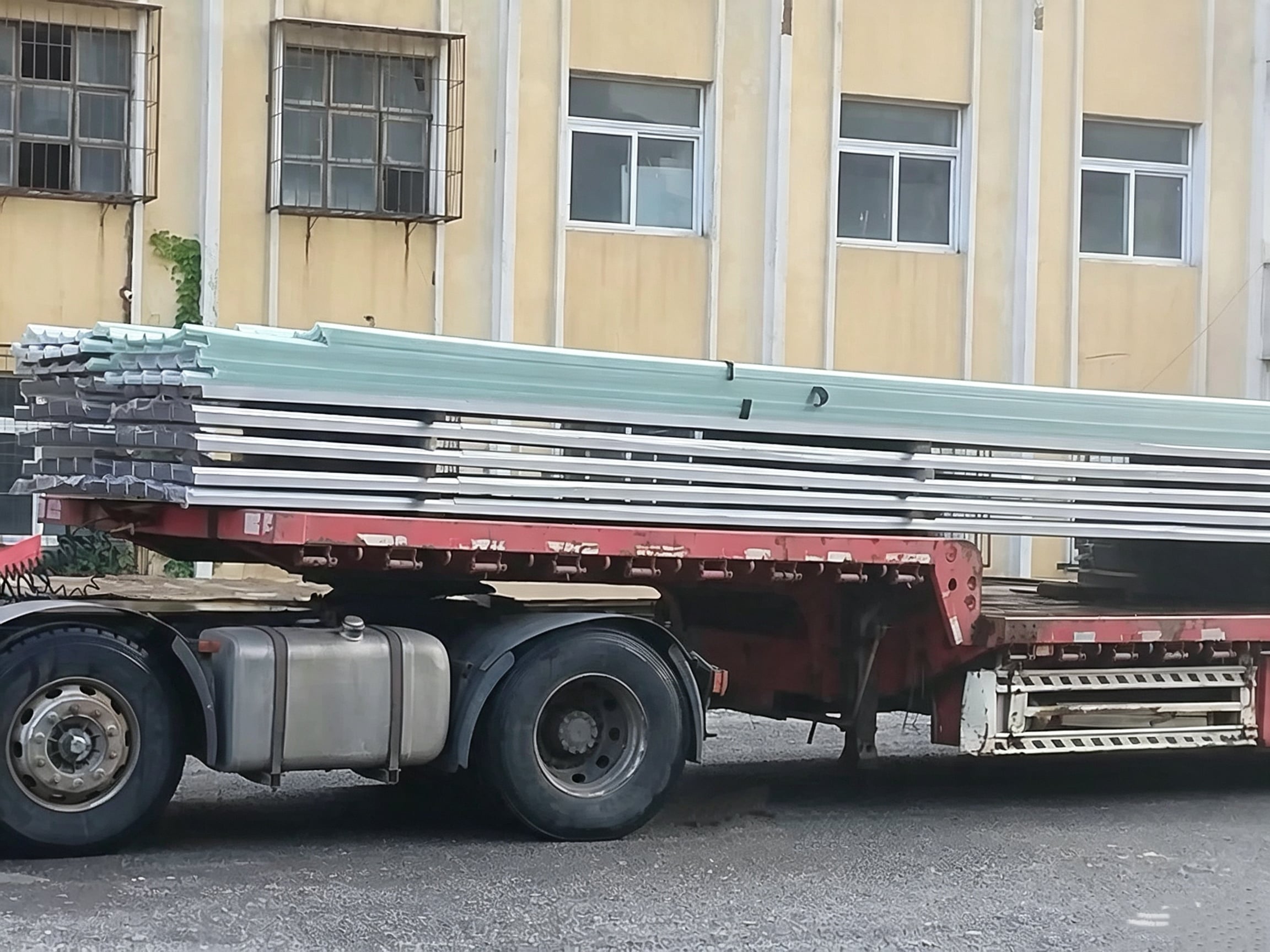
Shipping and  Handling: Consider logistics costs, including shipping  and  handling fees, especially if sourcing  from  a distant supplier. These costs can vary based on the weight and dimensions of the order.

Installation Costs: While not a direct cost of the roofing sheets, installation complexity can influence overall  project expenses. Metal roofing systems that require specialized installation techniques may  incur higher labor costs.

Applications of Metal Roofing Sheets in Various Construction Projects

Applications of Metal Roofing Sheets in Various Construction Projects

Metal  roofing sheets are widely used across multiple construction applications due to their strength and  versatility. Common applications include:

Residential Roofing: Homeowners increasingly choose metal roofing for its  durability and aesthetic appeal.  Metal roofs can withstand extreme weather, making them ideal for regions prone to  heavy  rain or snow.

Commercial Buildings: Many  commercial properties utilize metal roofing for its  longevity and  low maintenance requirements. Metal sheets can be designed to  accommodate solar panels, enhancing energy efficiency.

Industrial Facilities: Factories and warehouses often opt for metal roofing due to  its ability to withstand harsh environmental conditions. Metal sheets can be treated to resist corrosion, which is crucial in industrial settings. For additional structural support, options like Hot-Rolled U-Shaped Channel Steel Q235B For Industrial Equipment Base Support may be considered.

Agricultural  Structures: Metal roofing  is a popular choice for barns and storage facilities, providing excellent protection against moisture and pests. The lightweight nature of metal sheets also makes them suitable for various  building designs.


Temporary Structures: Due to their ease of installation and removal, metal roofing  sheets are frequently used in temporary  structures, such as event tents or  emergency  shelters.

Best Practices

Best Practices

To ensure the effective use of  metal roofing sheets, consider the following best  practices:

Proper  Installation: Engaging experienced contractors familiar with metal roofing installation techniques is essential. Proper alignment and fastening can  prevent leaks and enhance the roof's lifespan.

Regular Maintenance:  Although metal roofs are low  maintenance, periodic inspections are recommended. Checking for loose seams,  rust, or damage can prevent  larger issues down the line.

Ventilation: Ensuring adequate ventilation in buildings with metal roofs can help reduce  heat buildup and  extend  the roof's lifespan.  Proper airflow prevents condensation, which can lead to rust  formation.

Sample Approval: Before placing a large  order,  obtaining samples for approval ensures that the chosen  material meets your specifications in terms of color, texture, and performance.

Compatibility with Other Materials:  When integrating  metal roofing with other  building  materials, such as siding or insulation, ensure compatibility to prevent issues related to expansion, contraction, or moisture retention.

Common Problems with Metal Roofing Sheets and Their Solutions

While metal roofing sheets offer numerous benefits, there are common issues that buyers should be aware  of:

Corrosion: If not properly treated, metal roofing sheets can corrode. Selecting  a corrosion-resistant material, such as galvanized  steel or aluminum, and ensuring the application  of protective coatings can  mitigate this risk.

Thermal Expansion: Metal roofing materials expand and contract with temperature changes, which can lead to warping or buckling. Using  appropriate fasteners  and allowing for expansion gaps during installation can help prevent these issues.

Noise:  During heavy rain or hail, metal roofs can be noisier  than traditional roofing materials. Adding insulation and soundproofing materials  beneath the roofing  sheets can significantly reduce noise levels.

Installation Errors: Improper installation can lead to leaks and reduced effectiveness. Working with experienced contractors and following manufacturer guidelines can help avoid these problems.

Maintenance Oversights: Neglecting regular  maintenance can lead to small  issues becoming  significant problems. Establishing a routine  inspection schedule can help catch potential issues early.

In  summary, understanding the specifications, cost factors, applications, best  practices, and  potential problems  associated with metal roofing sheets will empower you as  a buyer to make informed decisions. By considering these elements, you can select the right product that meets your project requirements and ensures long-term performance.