Choosing Quality Metal Roofing Tiles for Your Projects

application/metal-roofing-tile, application/metal-roofing-tile, 
Inquiry
Inquiry

metal roofing tile

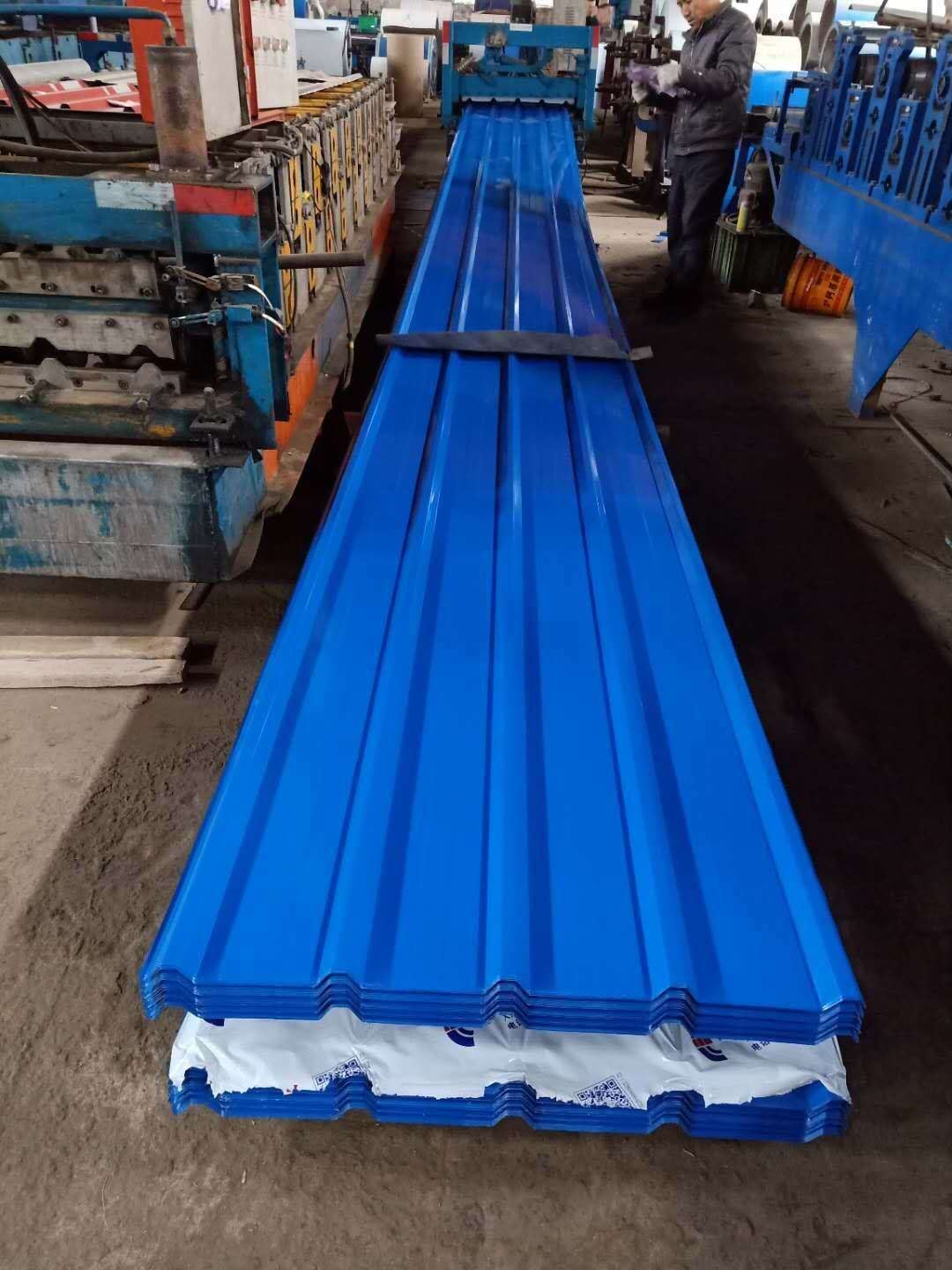
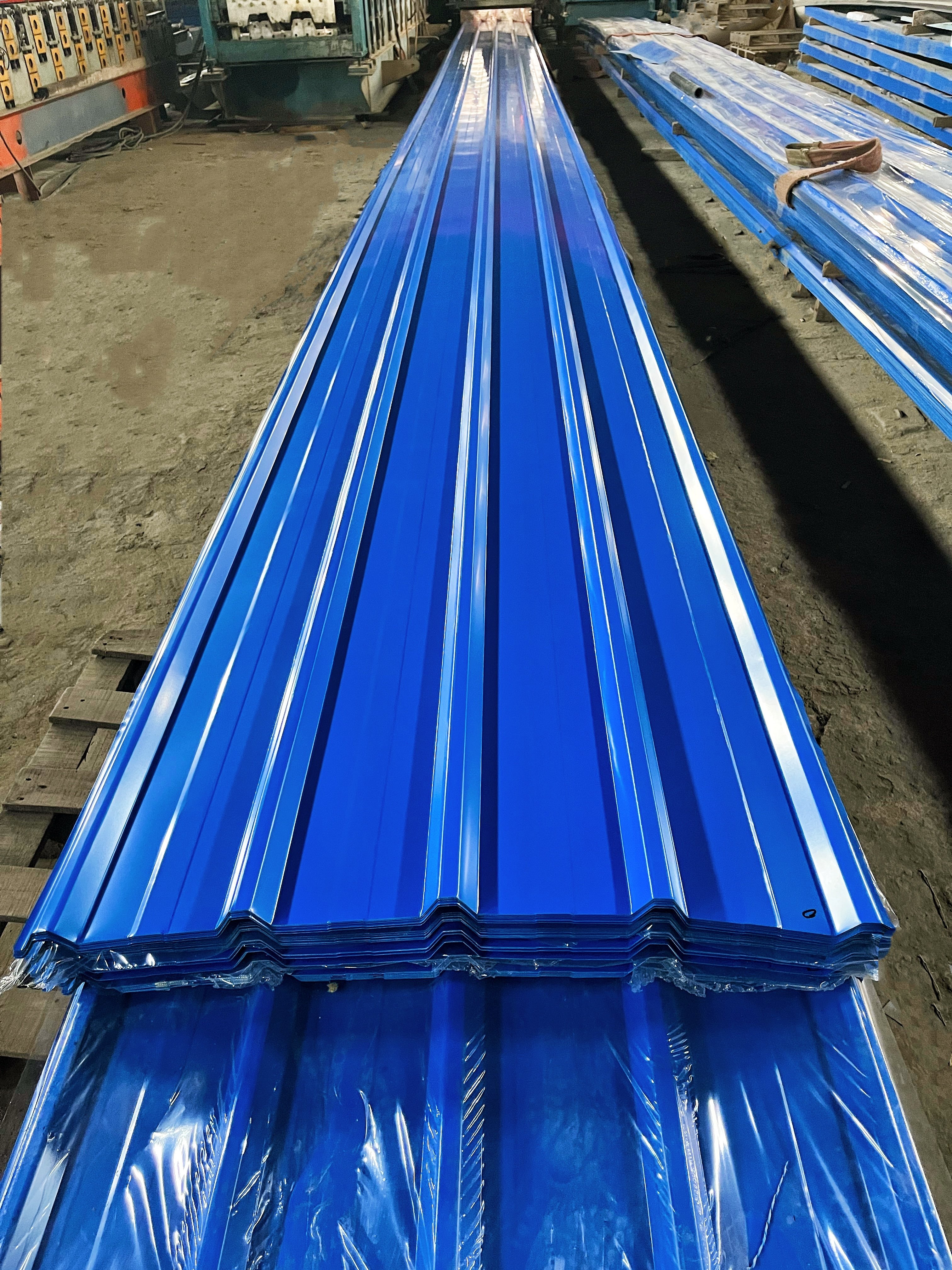
Metal roofing  tiles are an increasingly popular choice in  construction  due to their durability,  aesthetic appeal, and energy efficiency. These tiles are engineered from high-quality  steel and are designed  to withstand various  weather conditions, making them ideal for both residential  and commercial projects. For B2B buyers, such as purchasing managers and contractors, selecting the right metal roofing tiles involves understanding  product specifications, evaluating cost factors, and ensuring  suitability for specific applications. This  article  will guide you through the essential considerations for  choosing metal roofing tiles, common  issues to  watch  for,  and tips  for  successful procurement.


Why choose Xingyuanxing metal roofing tile

Our Products

How to Choose Quality Metal Roofing Tiles for Your Projects

When selecting metal roofing  tiles, consider the following key specifications:

Material Composition: The most common materials used for metal roofing tiles include galvanized steel, aluminum, and copper. Galvanized steel offers a  balance of strength and corrosion resistance, while aluminum is lightweight and resistant to rust. Copper, though more expensive, provides excellent durability and an attractive patina  over time. For example, the Galvanized Several-Shaped Steel Profiles 50*70mm For Greenhouse Frames are a great option for those looking for quality galvanized steel.

Thickness and Weight:  Metal roofing tiles typically range from 0.016 to  0.032 inches in thickness. Thicker tiles generally provide better durability and resistance to impact, making them  suitable for areas prone  to severe weather. Weight is also a factor; heavier tiles can  provide better protection but may require additional structural  support.

Coating and Finish:  Look for tiles with a protective coating, such as a polyester or PVDF finish, which enhances weather resistance and longevity. The finish also affects aesthetics, as it comes in various colors and textures.

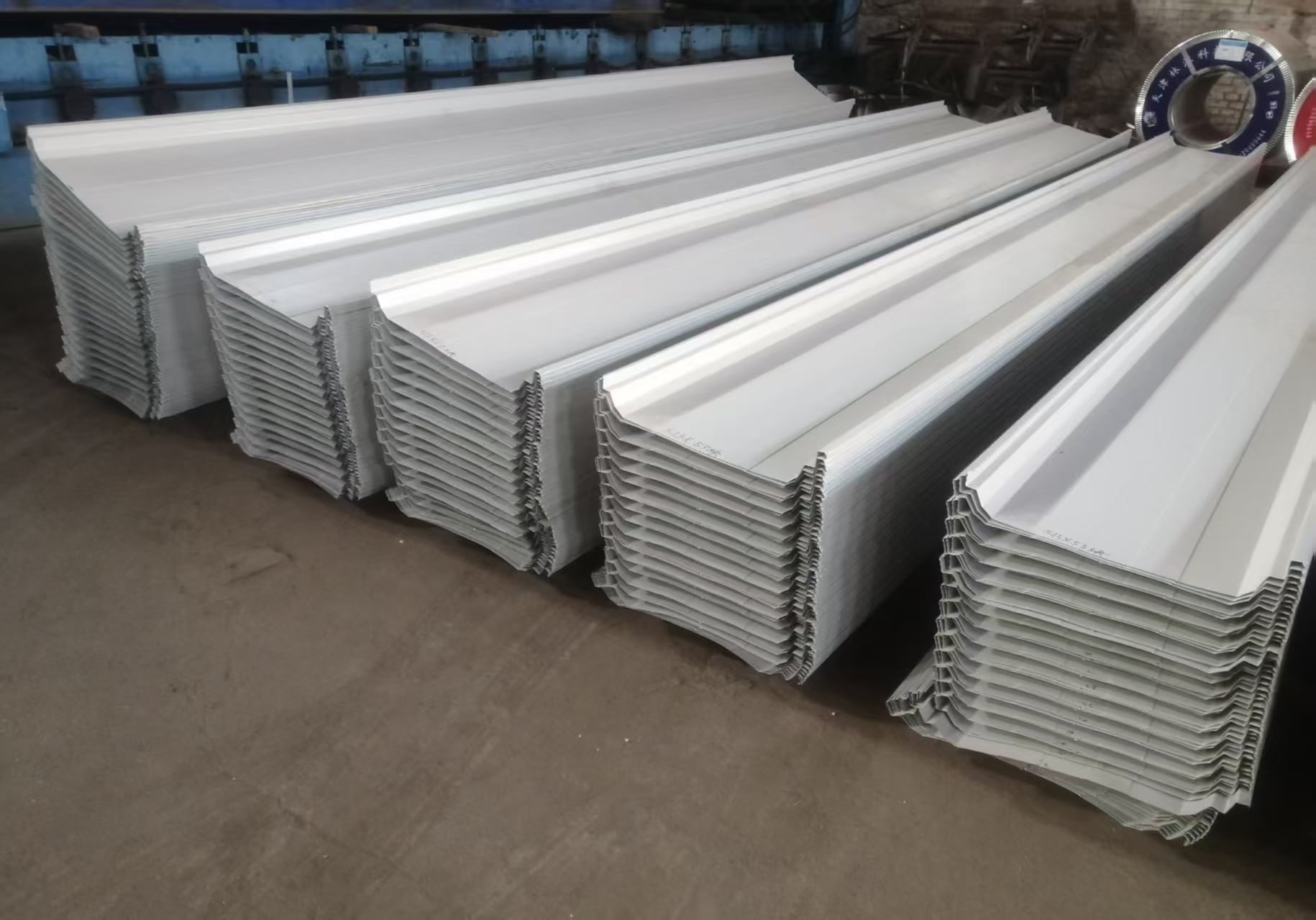
Profile and  Design: The profile of the tiles can influence both the look of the building and its performance. Traditional styles, like shingles or tiles, can provide a classic appearance,  while modern designs may  offer  unique shapes that enhance  architectural appeal.

Warranty and Certifications: Check the warranty  offered by the manufacturer and any certifications  that  may indicate the quality and performance of the roofing  tiles. A reputable manufacturer will typically provide a minimum 20-year warranty.

Understanding these  specifications will help you make informed decisions that align with your project requirements.

Frequently Asked Questions

Our Blog Posts

What Our Partners Say

Understanding Cost Factors in Metal Roofing Tile Purchases

Understanding Cost Factors in Metal Roofing Tile Purchases

The cost of metal roofing tiles can vary  widely based  on several factors:

Material Type: As mentioned, different materials come with distinct price points. For instance, galvanized steel tiles are generally more affordable than aluminum or copper options. Additionally, using products like Hot-Dip Galvanized I-beam Profiles 10# For Humid Industrial Workshops can also influence overall costs based on their material.

Tile Thickness: Thicker tiles may incur higher upfront costs but can lead to long-term savings due to their durability and  lower  maintenance needs.

Design Complexity: Custom designs or unique profiles may increase costs due to the additional fabrication processes involved.

Quantity and MOQ: Many manufacturers have minimum order quantities (MOQ). Larger orders can  often lead to volume discounts, so consider your project scale when negotiating prices.

Shipping and Handling: Shipping costs can vary based on distance  and weight. Ensure that  you factor in these costs  when calculating total expenses.

Installation Costs: Hiring qualified contractors  for installation  can add to the overall project  cost. Ensure that you budget appropriately  for skilled labor, as  proper installation is  critical to the performance and longevity of metal  roofing tiles.

By understanding these  cost  factors,  you  can better negotiate  prices and manage your project budget.

Tips for Contractors

Tips for Contractors

For contractors involved in projects utilizing metal roofing tiles, consider the following tips  to ensure  successful implementation:

Sample Approval: Before placing bulk orders, always obtain samples of the metal  roofing tiles. This allows you to  inspect  the quality, finish, and compatibility with other  materials being used.


Installation Training: Ensure that your team is adequately  trained in the specifics of installing metal roofing tiles, as  improper installation can  lead to issues such as leaks or premature  wear.

Weather Considerations: Schedule installations during favorable weather conditions to avoid complications.  Rain or high winds can impact the installation process and the  tiles' performance.

Quality Inspection:  Regularly inspect shipments of roofing tiles upon arrival. Check for any damage,  such  as dents or scratches, that  could affect their performance or appearance.

Use of Proper Tools:  Ensure that your team uses the appropriate tools for cutting and installing metal roofing tiles. This will help avoid unnecessary damage and ensure  a clean, professional finish.

By following these tips, contractors can  enhance project efficiency and reduce the likelihood of costly mistakes.

Applications of Metal Roofing Tiles in Various Construction Projects

Applications of Metal Roofing Tiles in Various Construction Projects

Metal roofing tiles are versatile and  can be used in various construction applications, including:

Residential Roofing: Their aesthetic appeal and  durability make them a  popular choice for homeowners looking to enhance curb appeal while ensuring long-term protection.

Commercial Buildings: Metal roofing tiles are  increasingly used in commercial construction due to their energy efficiency and ability to withstand harsh  weather  conditions, making  them suitable for warehouses, retail spaces,  and office buildings.

Industrial Facilities: In industrial applications, metal  roofing tiles can provide robust  protection against  environmental factors, such as heavy rain, snow, and  wind, ensuring the  safety of the equipment and personnel inside.

Agricultural Structures: Many agricultural buildings  use metal roofing tiles due to their strength and resistance to pests, providing  a durable  solution for barns and storage facilities.

Renovations: Metal roofing tiles can  be  used in renovation projects to update the  look and efficiency of older buildings while providing a lightweight solution  that can be installed over existing roofs.

This adaptability makes metal roofing tiles an excellent investment for various construction needs.

Common Problems with Metal Roofing Tiles and Their Solutions

While metal roofing tiles are known for their durability, several common issues can  arise during installation or over time. Here are some potential problems and their  solutions:

Corrosion: While many  metal roofing tiles come with protective coatings, exposure to harsh environmental conditions may still lead to corrosion.  Ensure that tiles are properly  coated and consider regular  maintenance  checks to identify early signs of rust.

Improper Installation: Poor installation can lead to leaks and reduced performance. Always follow manufacturer guidelines and invest in training for your installation team to ensure proper techniques are used.


Thermal Expansion: Metal expands and contracts with temperature changes, which can lead to warping  or buckling if not  properly installed.  Use appropriate fasteners and leave adequate space for expansion.

Noises: Metal roofs  can amplify noise during rain or hail. Installing insulation or an underlayment can help mitigate sound issues.

Paint  Peeling or Fading: Over time,  the finish on metal roofing tiles may  fade or peel. Regular  maintenance, including  cleaning and re-coating, can prolong the life  of the finish.

By proactively  addressing these issues, buyers can ensure the longevity and performance of their metal roofing tiles.

Metal roofing tiles offer numerous advantages for a variety of construction projects. By understanding how to select quality products, evaluate cost factors, and address potential issues, B2B buyers can make informed decisions that  lead to successful outcomes in their roofing projects.