Essential Guide to Metal Roof Carports

application/metal-roof-carport, application/metal-roof-carport, 
Inquiry
Inquiry

Metal roof carport

Metal roof  carports  are practical structures designed  to provide robust protection for vehicles, equipment, and other assets. This guide  will help B2B buyers, such  as  purchasing  managers and engineers,  understand the  essentials of metal roof  carports, highlighting critical factors like  quality evaluation, best practices,  and common issues. By the  end of  this  article, you’ll  have the  insights needed to make informed purchasing  decisions regarding metal  roof  carports.

Why choose Xingyuanxing Metal roof carport

A Buyers Guide

When considering a metal roof carport, buyers should focus on several  key aspects: 

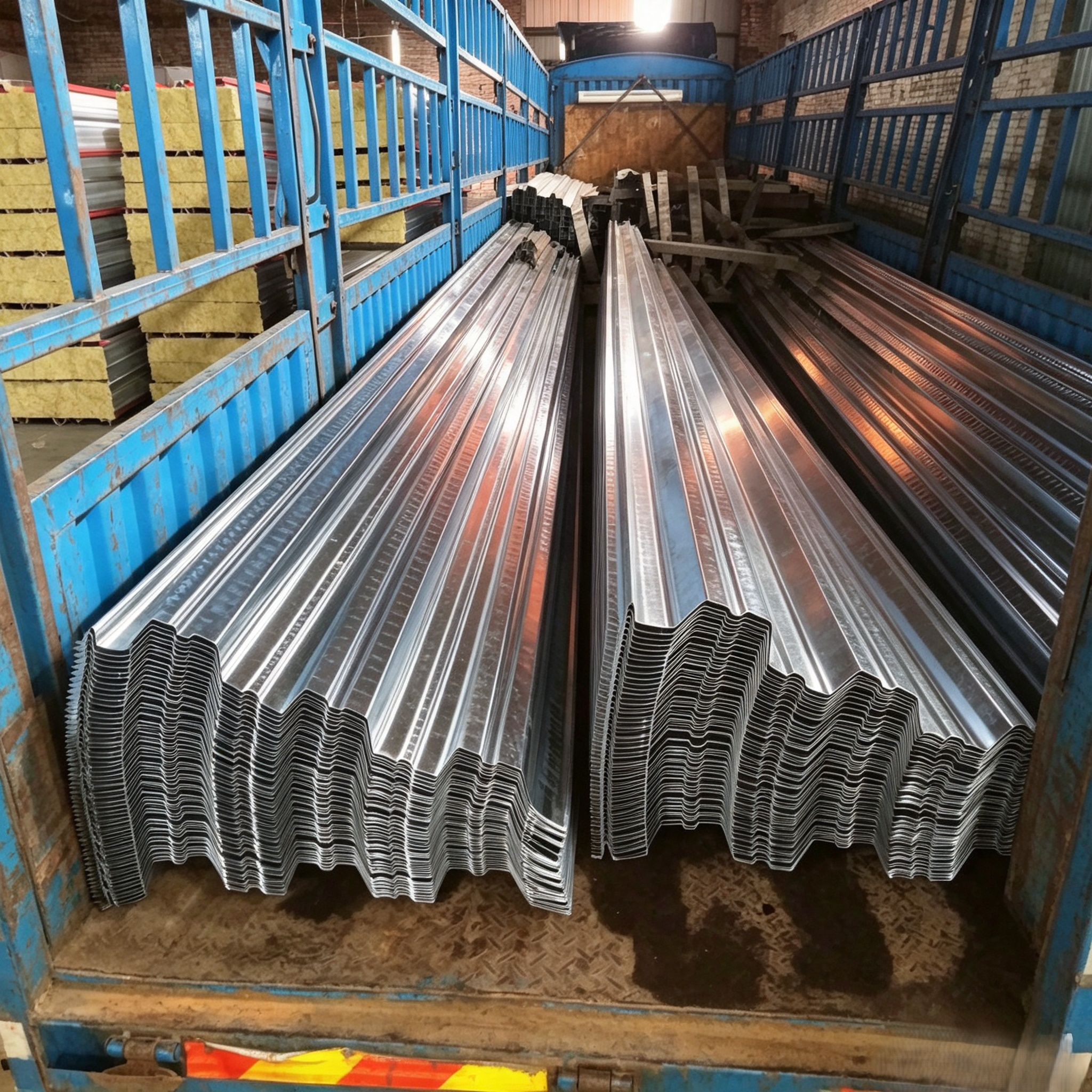
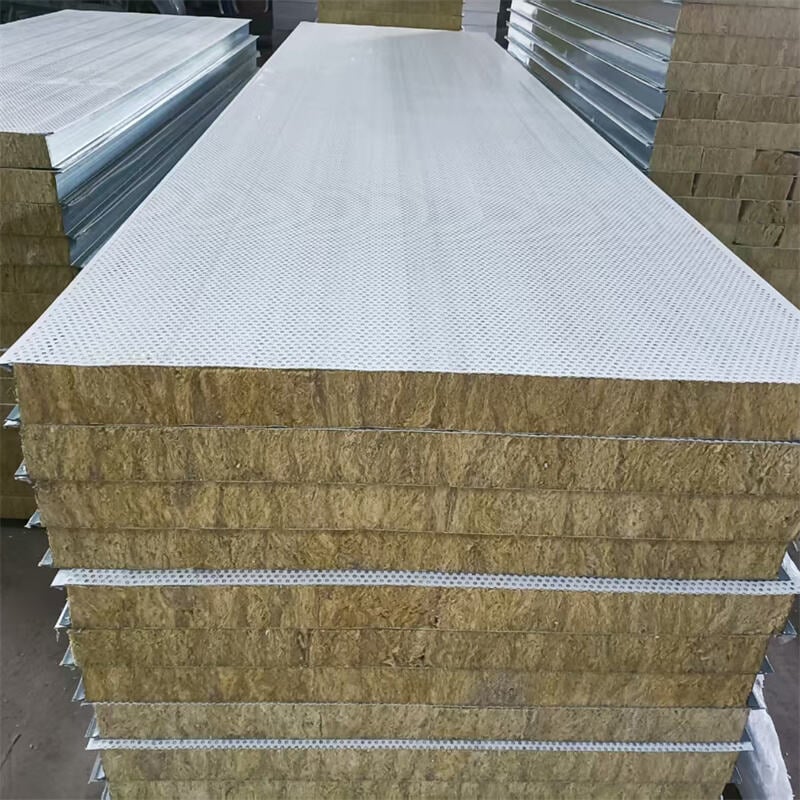
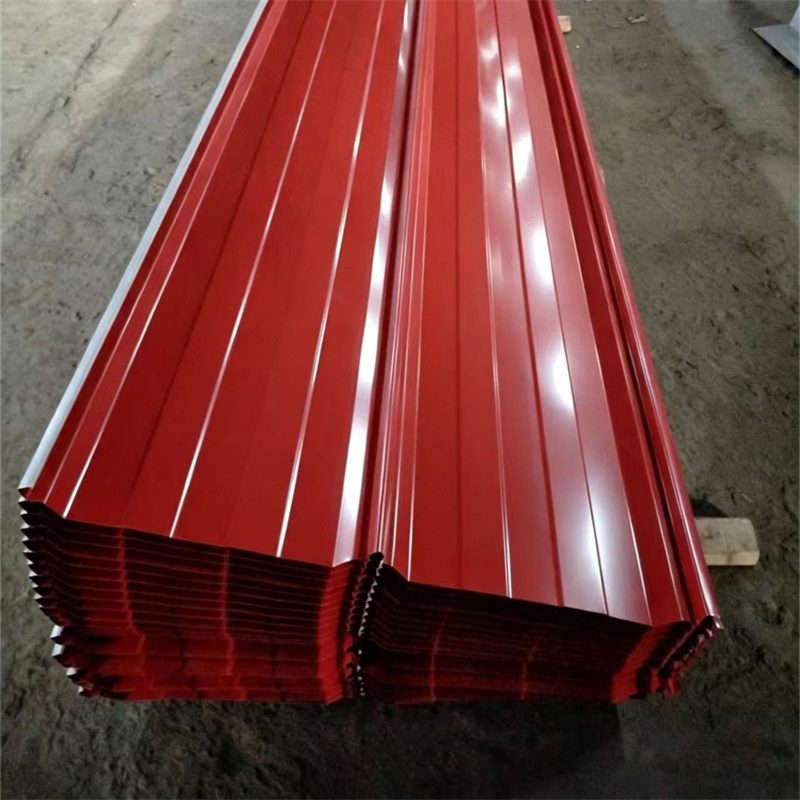
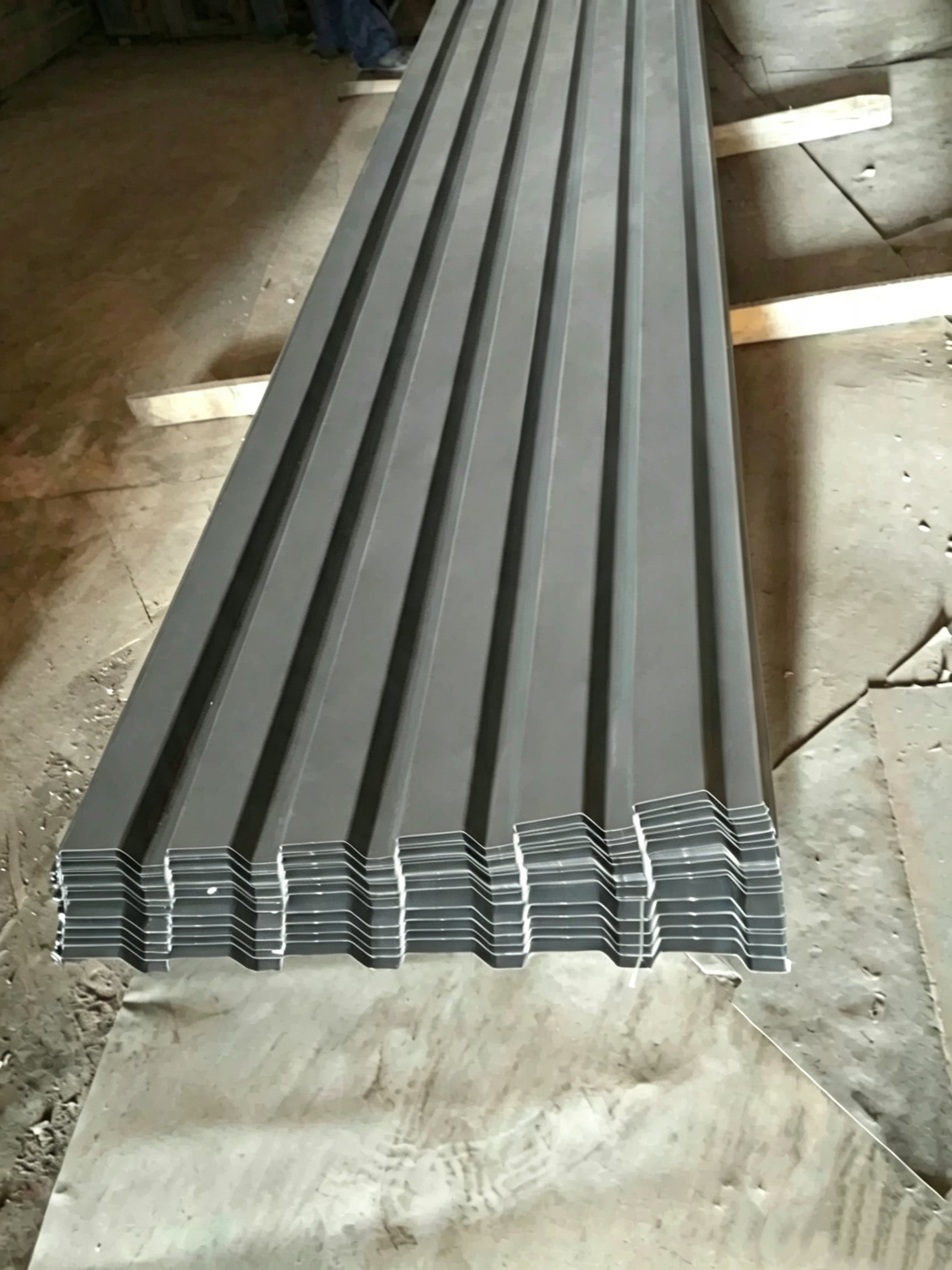
Material Quality: Look for high-grade steel that offers durability and resistance to weather  conditions. Galvanized steel is a popular  choice due to  its corrosion resistance, such as rockwool roof panels. 

Dimensions and  Design: Determine the required  dimensions based on the vehicles or equipment to be stored.  Custom designs may be necessary to accommodate specific needs. 

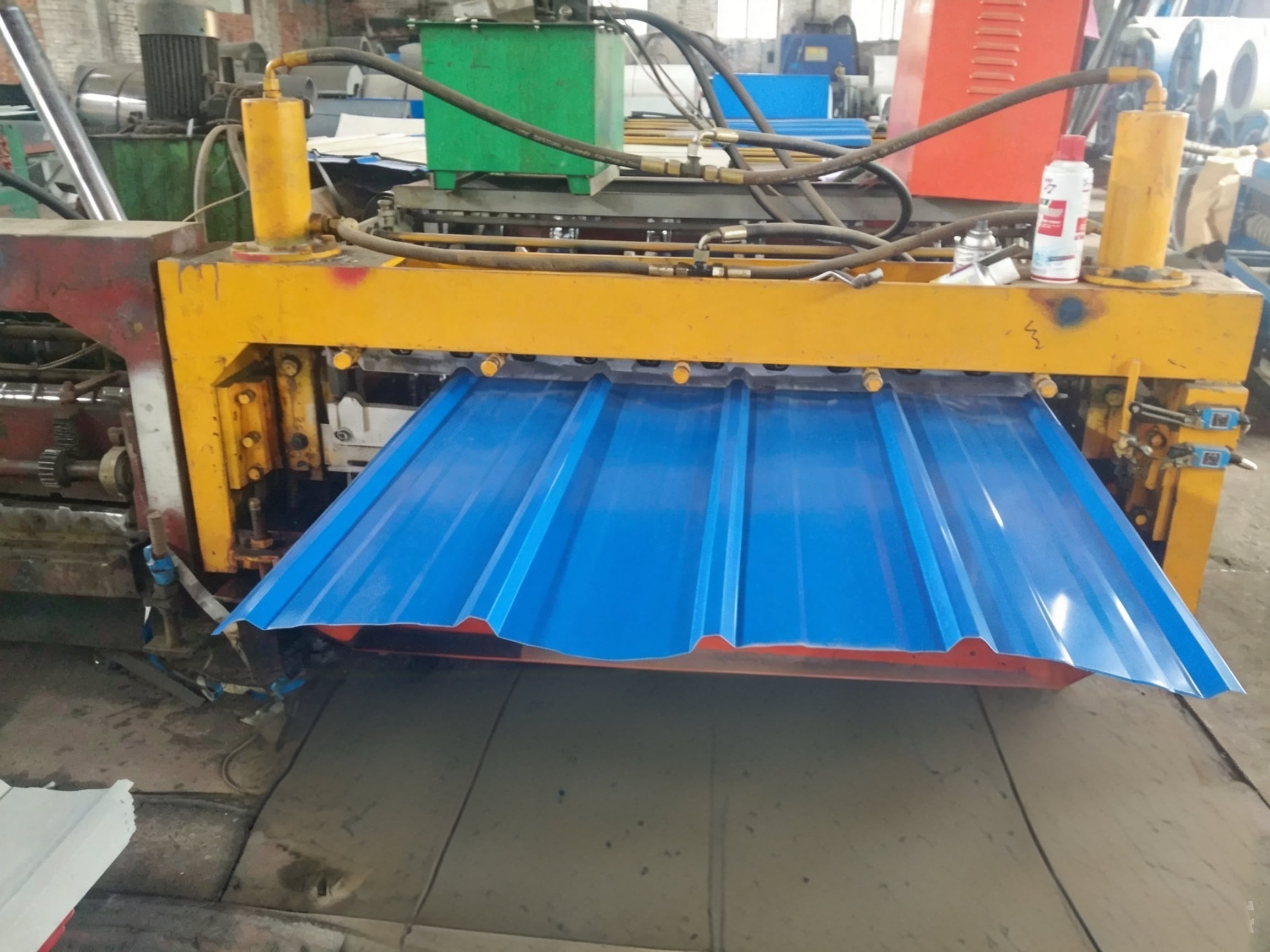
Manufacturing Process: Understanding the manufacturing capabilities of your  supplier is  essential. A company with robust fabrication  processes can offer better quality control and customization options. 

Cost  Considerations: Price is influenced by materials, design  complexity, and customization. Ensure that you factor  in the total cost of ownership, including installation  and maintenance. 

Supplier Reputation: Evaluate  suppliers based on their experience, quality certifications, and customer reviews. A company like Tianjin Xingyuanxing Color Steel Structure Co., Ltd. brings 10 years  of experience in  the industry, ensuring stable quality and efficient project services. 

By considering these factors, buyers can make more  informed decisions and select a carport that meets their specific  needs.

Frequently Asked Questions

What is a metal roof carport?

A metal roof carport is a durable shelter using steel framing and metal roofing to protect vehicles from weather. It offers long-lasting corrosion resistance and low maintenance compared to traditional materials.
We offer custom widths, lengths, and heights to fit single or multiple vehicles, plus options for attached or freestanding designs to match site requirements.
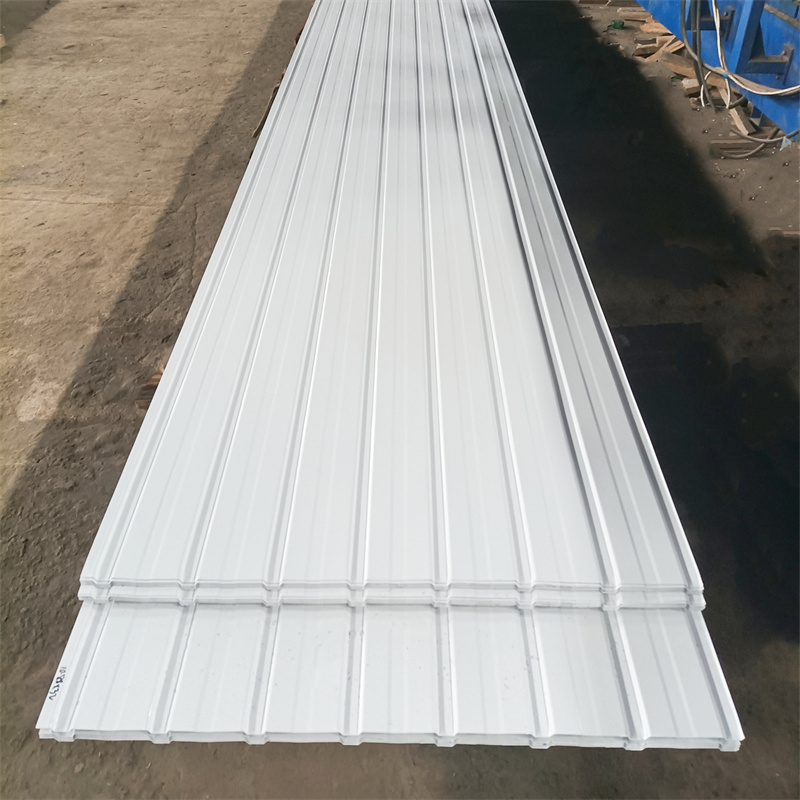
We use high-strength steel frames and color-coated metal roofing panels with anti-corrosion treatments for durability and aesthetic finish suited to local climate.
Typical installation for a standard carport is 1–3 days, depending on size and site conditions. Custom or large projects may take longer with a detailed schedule provided.
Yes. We handle engineering design, fabrication, installation, and can assist with local permit requirements. After-sales support and maintenance guidance are provided for project stability.

Our Blog Posts

What Our Partners Say

How to Evaluate the Quality of Metal Roof Carports

How to Evaluate the Quality of Metal Roof Carports

Quality evaluation of metal roof carports involves several  criteria: 

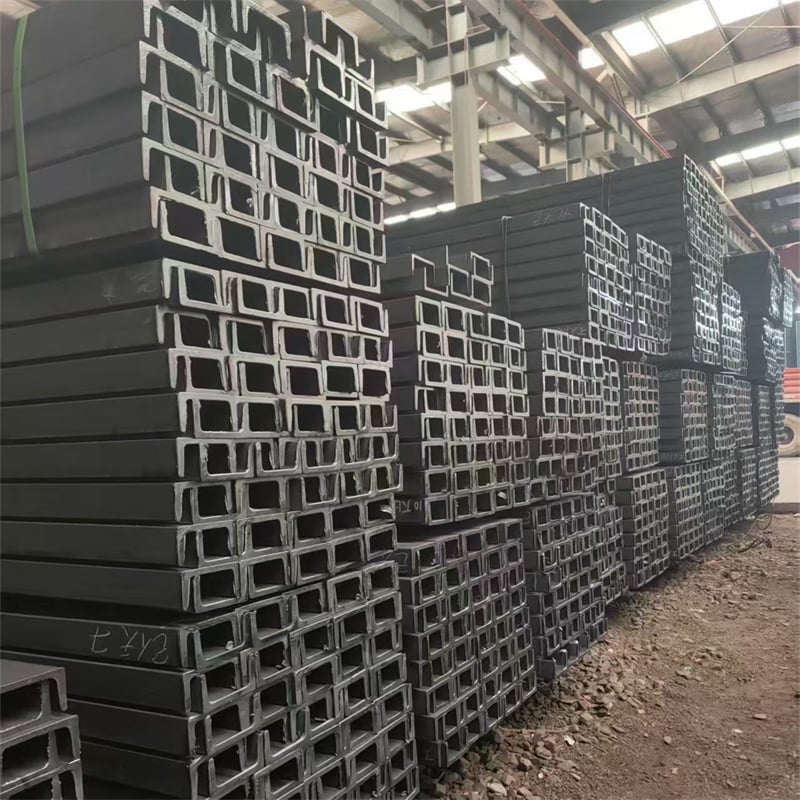
Material Specifications: The thickness  of the steel used should be appropriate for the expected load and environmental conditions. A common thickness is 14 to 16 gauge, but this  may vary based on specific applications. 

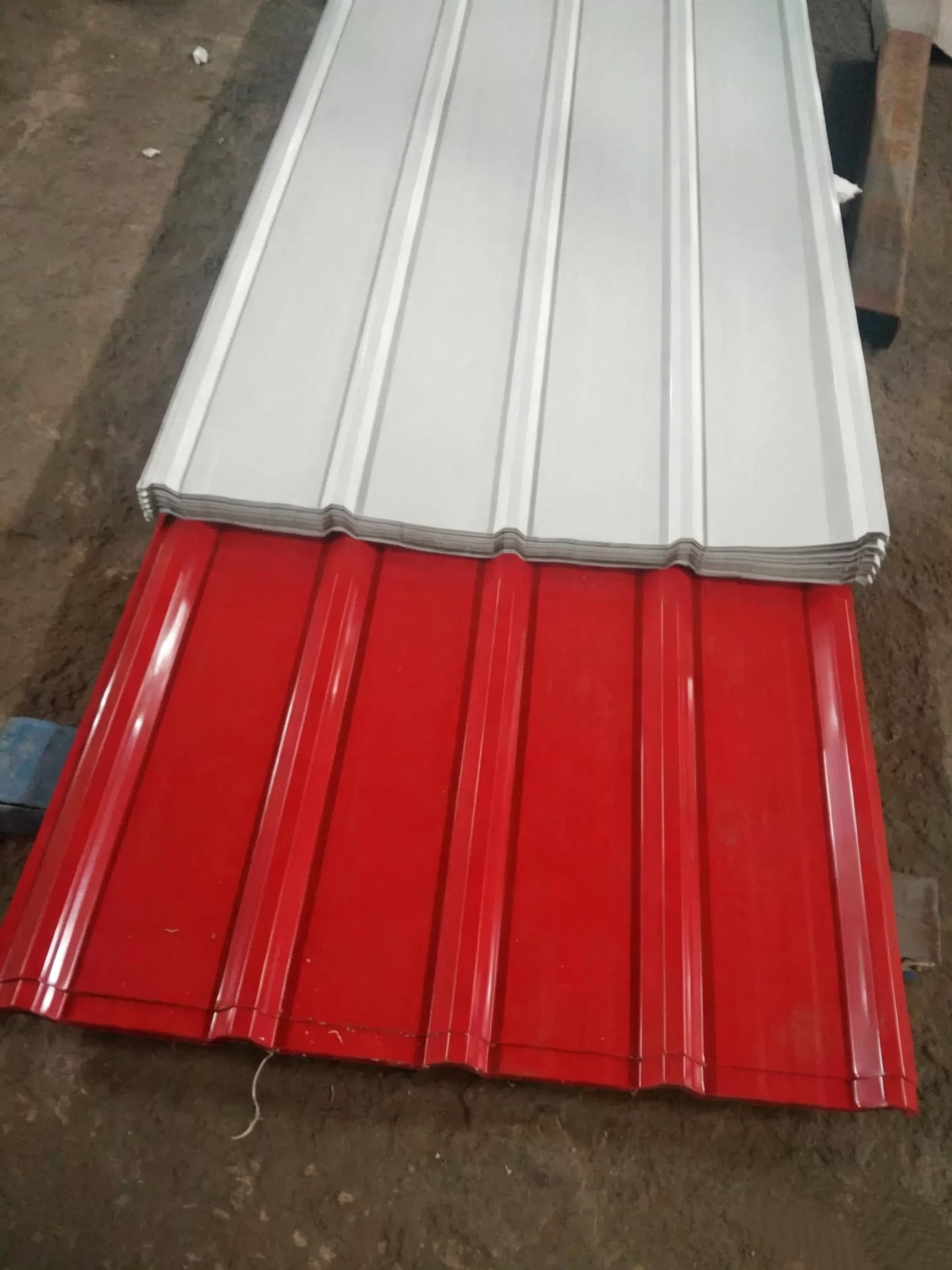
Coating and Finish:  Assess the type of protective coating applied to the metal.  Powder coating provides a durable finish that  resists fading and  chipping, which  is  vital for long-term performance. 

Construction Quality: Inspect welds and joints for strength and  integrity. Poorly executed welds  can lead to structural failure. A reputable manufacturer will provide detailed inspections during the production process. 

Certifications: Check if the product  meets industry  standards and regulations.  Certifications can indicate the reliability of the manufacturing process and material quality. 

Warranty and Support: A strong  warranty can be  a good indicator of quality. It shows the  manufacturer's confidence in their product and provides peace of  mind for buyers. 

Evaluating  these aspects will help ensure that you select a metal roof carports that will perform well over its intended lifespan.

Best Practices

Best Practices

To maximize the value and  longevity of your metal  roof carport, consider the following best practices: 

Site Preparation:  Ensure the site is adequately  prepared  before installation. A level and well-drained area  will support the  structure and prevent water accumulation. 

Regular Maintenance: Conduct routine inspections  to check for rust,  damage, or loose fittings. Prompt maintenance can extend the life of the  carport. 

Installation Guidelines:  Follow  the manufacturer's installation  guidelines  closely.  Proper installation is critical to structural integrity  and performance. 

Weather Considerations: If your location experiences heavy snowfall or high winds, consult  with the manufacturer to ensure the carport design can withstand these  conditions. 

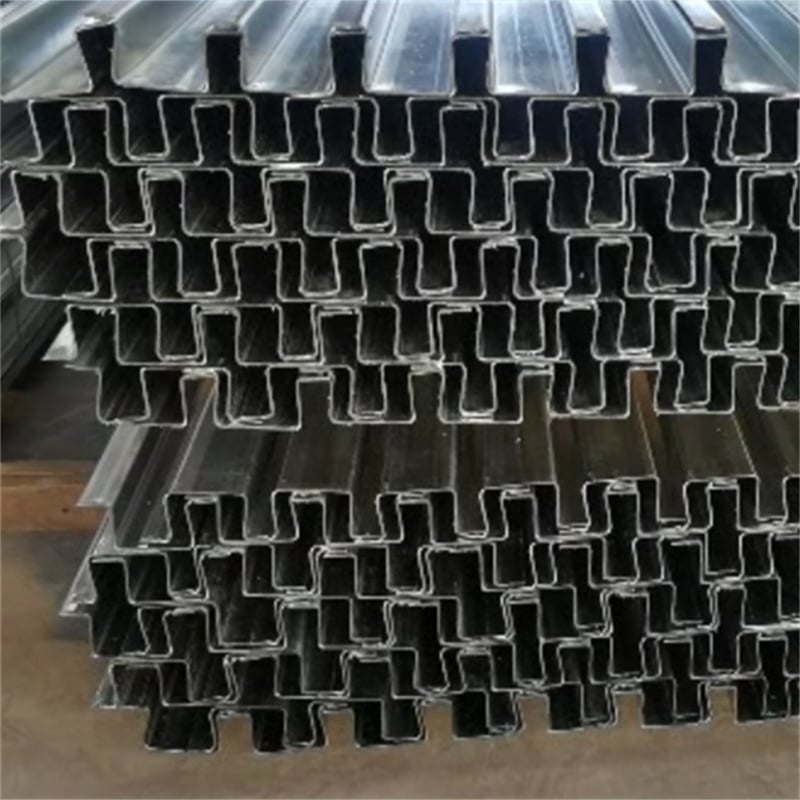
Custom Solutions: If standard designs do not meet your requirements, consider custom solutions. This can include specific dimensions or features such as enclosed sides or additional height, such as metal roof decking. 

Adhering to these best practices will enhance the durability and  functionality of your metal  roof carport.

Common Problems with Metal Roof Carports and Their Solutions

Common Problems with Metal Roof Carports and Their Solutions

While  Xingyuanxing metal roof carports  are generally robust,  they can encounter specific issues. Here  are some common problems and their solutions: 

Rust Formation: Over time, even galvanized steel can develop rust if  the protective coating is compromised. Regular inspections  and touch-ups of the coating can prevent rust. 

Structural Weakness: If a  carport is not properly installed or if  it uses inadequate  materials, it may not withstand heavy loads or adverse  weather. Ensure that all components  are rated for local conditions. 

Pooling Water: If  the metal roof carports design does not allow  for proper drainage, water can pool, leading to leaks or structural damage. Ensure the design includes adequate slope and drainage solutions. 

Corrosion from Chemical Exposure: In industrial settings, carports may be exposed to chemicals that  can cause corrosion. Choosing the right material and protective coatings can mitigate this risk. 

Wind Damage: Strong winds can lift or damage carports. Installing  anchors and ensuring the design is rated for wind resistance  can help prevent this  issue. 

Addressing these  common problems proactively  can save costs and ensure the longevity of your metal roof carport.

Applications of Metal Roof Carports in Various Industries

Metal roof carports are versatile structures that find applications across multiple industries: 

Automotive: Carports provide  secure storage  for vehicles, protecting  them from weather elements and UV  damage. 

Agriculture: Farmers use metal  carports to protect machinery and supplies, ensuring that equipment remains functional and in good condition. 

Construction: Temporary carports can  serve as storage sites for tools and materials on  construction sites, offering on-site protection from the elements. 

Retail: Businesses  may use metal carports as covered areas for outdoor displays or as additional parking solutions. 

Recreation: Parks and recreational facilities often  utilize carports to  provide shade and shelter for equipment or outdoor events. 

Understanding the various applications can assist buyers in selecting the right type and configuration  of  Xingyuanxing metal roof carport for their specific  industry  needs. Additionally, the use of metal roof carport can enhance functionality and durability in various settings. 

By focusing  on the  outlined aspects, B2B buyers  can  make  informed  decisions when considering metal roof carports, ensuring they choose the right solution  for their operational requirements.