Choosing Quality Metal Carport Buildings for Projects

application/metal-carport-buildings, application/metal-carport-buildings, 
Inquiry
Inquiry

metal carport buildings

Metal carport buildings serve as  versatile,  durable solutions  for vehicle and  equipment protection  in various  industrial  and  commercial applications.  When considering a purchase, B2B buyers often prioritize factors such as quality, customization, and  suitability for specific  project requirements. This  article  will  guide  purchasing managers,  engineers, and product managers  through  essential aspects of selecting and evaluating  metal carport buildings, ensuring informed decisions that align with their  operational needs.

Why choose Xingyuanxing metal carport buildings

Our Products

Choosing the Right Metal Carport Buildings for Your Project Needs

Selecting the right metal carport building  involves evaluating  several critical factors. First, consider the intended use:  will it primarily serve as  a shelter for  vehicles, outdoor  equipment, or materials? The  purpose will dictate  size, height, and design requirements.

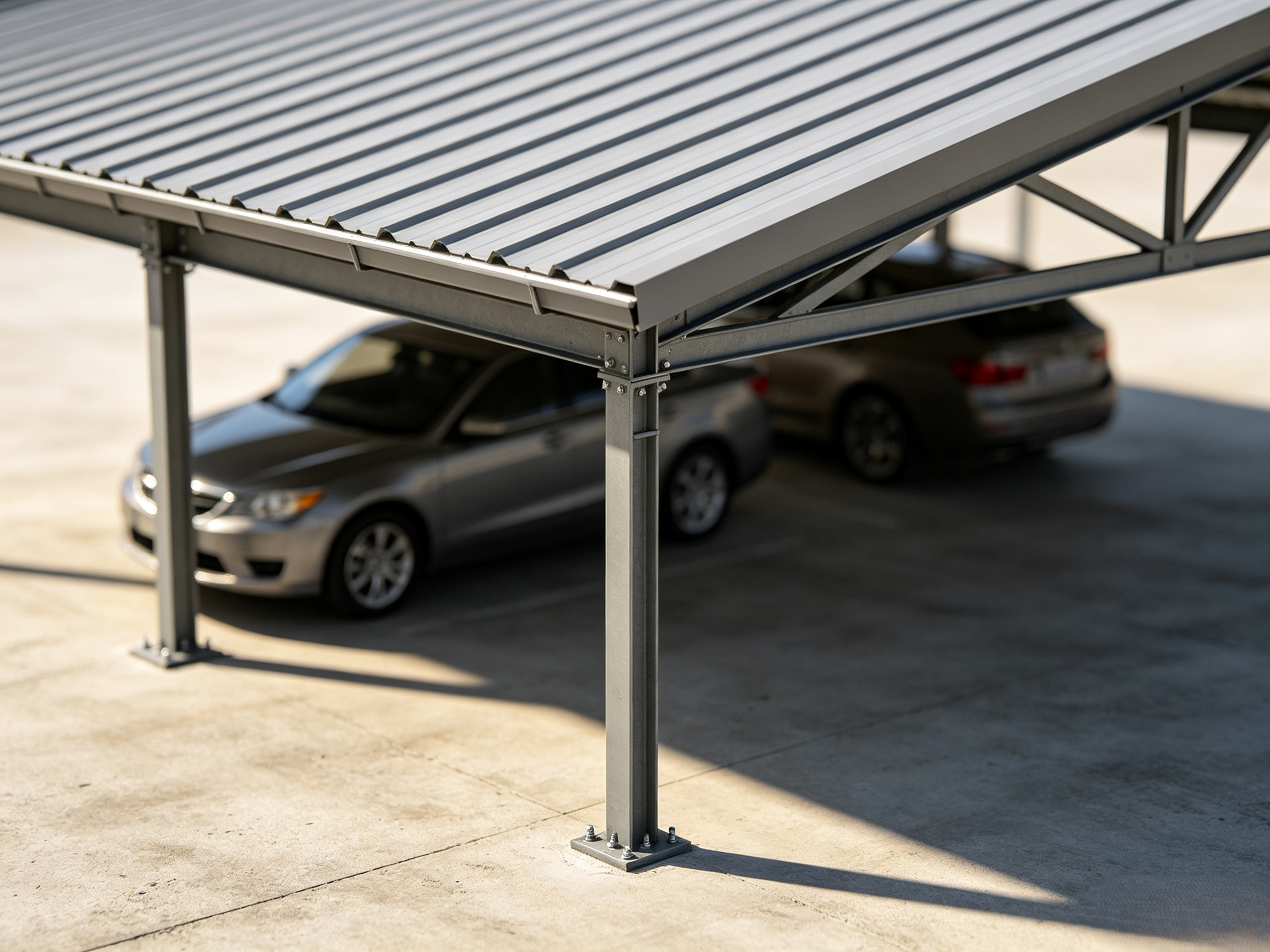
Next,  assess the material specifications. High-quality metal carport  buildings are typically constructed from galvanized steel, known for its strength and resistance to corrosion. The thickness of the steel also matters; a minimum gauge of 14 is generally recommended for durability and  support under varying weather conditions.

Customization options are another vital consideration.  Many manufacturers,  including  Tianjin Xingyuanxing Color  Steel Structure  Co., Ltd.,  offer tailored solutions to meet specific project needs, such  as dimensions, colors, and additional features like sidewalls or ventilation systems. Buyers should engage manufacturers early in the  process to discuss these requirements and ensure the proposed solutions  align with their operational goals. For instance, incorporating a secondary steel structure can enhance the overall stability and utility of the carport.

Frequently Asked Questions

Our Blog Posts

What Our Partners Say

Key Specifications for High-Quality Metal Carport Buildings

Key Specifications for High-Quality Metal Carport Buildings

When evaluating metal carport buildings, several  key specifications warrant attention:

Material Quality:  Ensure the use of high-grade  galvanized steel or aluminum to maximize durability and resistance to  rust and corrosion.

Gauge  Thickness: A thicker gauge  (e.g., 14 or 12) enhances structural  integrity, especially in areas subject to heavy snow  or wind loads.

Dimensions:  Consider the width,  length, and height of  the carport. Custom dimensions may be required based  on the size of the vehicles or equipment to  be stored.

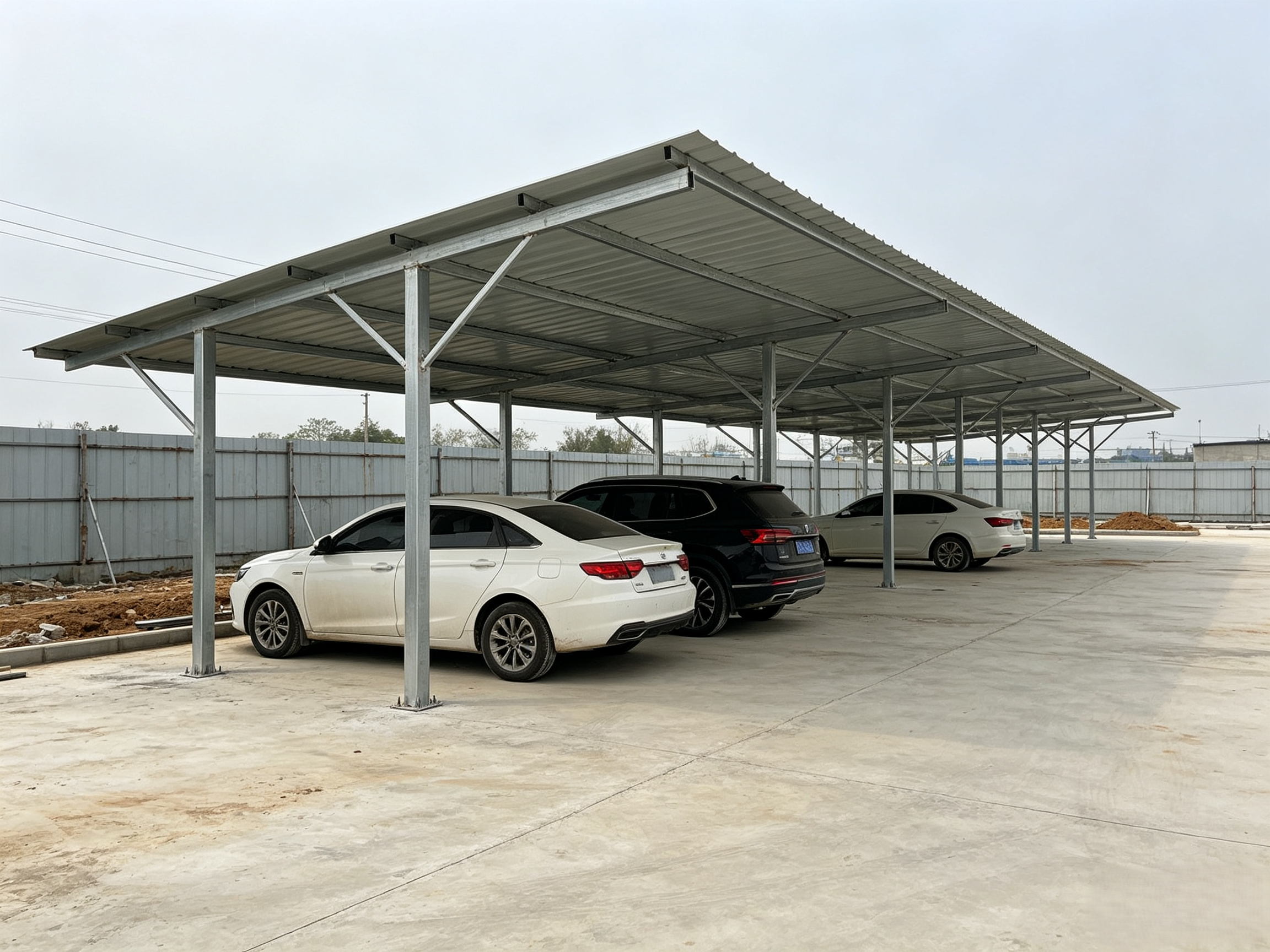
Roof Design: The roof style (flat, gabled, or arched) can significantly impact water drainage and snow load. A  well-designed roof will prevent pooling and structural stress.

Foundation Requirements: Ensure the carport is designed with a suitable foundation plan that accommodates local  soil conditions and complies with  zoning regulations.

Finish and Coatings: Look for protective coatings that enhance durability and aesthetics. Powder-coating, for  instance,  can provide additional resistance against the elements.

By carefully reviewing these  specifications, buyers  can ensure their selected metal carport buildings meet both performance and longevity expectations.

Best Practices

Best Practices

To optimize the purchase  and installation of  metal carport buildings, consider  the following  best practices:

Request Samples: Prior to finalizing  orders, request material samples to assess quality firsthand. This step is crucial for confirming that the material meets your expectations in terms of appearance and strength.

Review Project Plans: Collaborate with manufacturers to develop detailed project plans that outline all specifications, including dimensions,  materials, and finishes. Clear documentation  minimizes  misunderstandings during production.

Inspect During Production: If  possible,  arrange for  inspections during  the  manufacturing process. This proactive approach can help  identify potential issues early, ensuring they are addressed before shipment.

Clarify  Delivery and Installation: Discuss logistics early in the purchasing process. Confirm lead times, delivery methods, and installation  requirements to avoid delays that could  impact  project timelines.

By adhering to these practices,  buyers  can streamline their procurement process and enhance the overall quality of the metal carport buildings they receive.

Applications of Metal Carport Buildings in Various Industries

Applications of Metal Carport Buildings in Various Industries

Metal carport  buildings find applications  across multiple industries due to their versatility  and durability:

Automotive: In  the automotive  industry, metal carports serve as protective shelters for vehicles and equipment, safeguarding them from environmental elements.

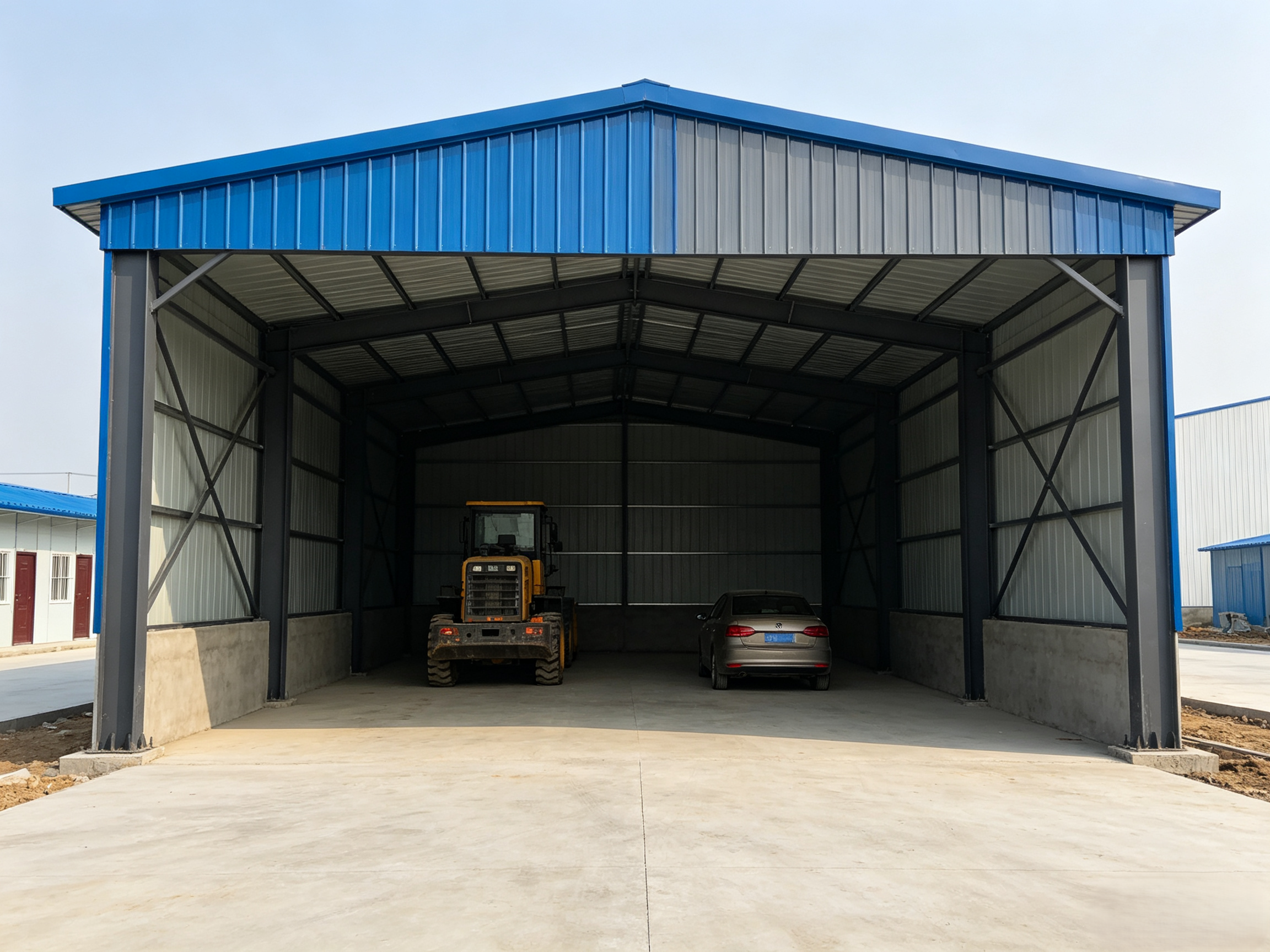
Agriculture:  Farmers utilize metal carports  for storing tractors, tools, and feed,  providing a secure space  that protects valuable assets from weather  damage.

Construction: Construction sites  often require temporary shelters for equipment and  materials. Metal carports offer  quick, cost-effective solutions that can be relocated as needed.

Retail:  Retailers  may use metal carport  buildings for outdoor displays, storage, or as additional customer service areas, enhancing the shopping experience.

Event Spaces: For  outdoor events, metal carports can provide covered areas for guests, vendors, or equipment, ensuring events can proceed regardless of weather conditions.

Understanding  these  applications helps buyers identify  the most suitable designs and features for their specific needs.

Common Problems with Metal Carport Buildings and Their Solutions

While metal carport buildings are designed  for  longevity, buyers should be aware of potential issues and their solutions:

Rust and Corrosion: If not properly coated or maintained, metal carports  can develop rust.  Buyers should ensure that their chosen product includes  rust-resistant coatings and consider periodic inspections to address  any emerging issues.

Structural Damage: Improper installation or extreme weather can lead  to structural failure. To mitigate this  risk, ensure that the foundation is  adequately prepared and follow all manufacturer guidelines during installation.

Insufficient  Ventilation: In enclosed carports, inadequate ventilation can lead to moisture buildup, which may cause mold  or  rust. Buyers can  consider adding ventilation options or selecting designs  that include airflow features.

Poor Quality Control: Subpar manufacturing can result in  defects. Engaging  with reputable suppliers, like Tianjin Xingyuanxing, known for quality assurance processes, can significantly reduce the likelihood of receiving defective  products.

By understanding these  common issues and addressing  them proactively, buyers can significantly enhance the performance and lifespan of their metal carport  buildings.