Installation Guidance for Lightweight Steel Frame Structures
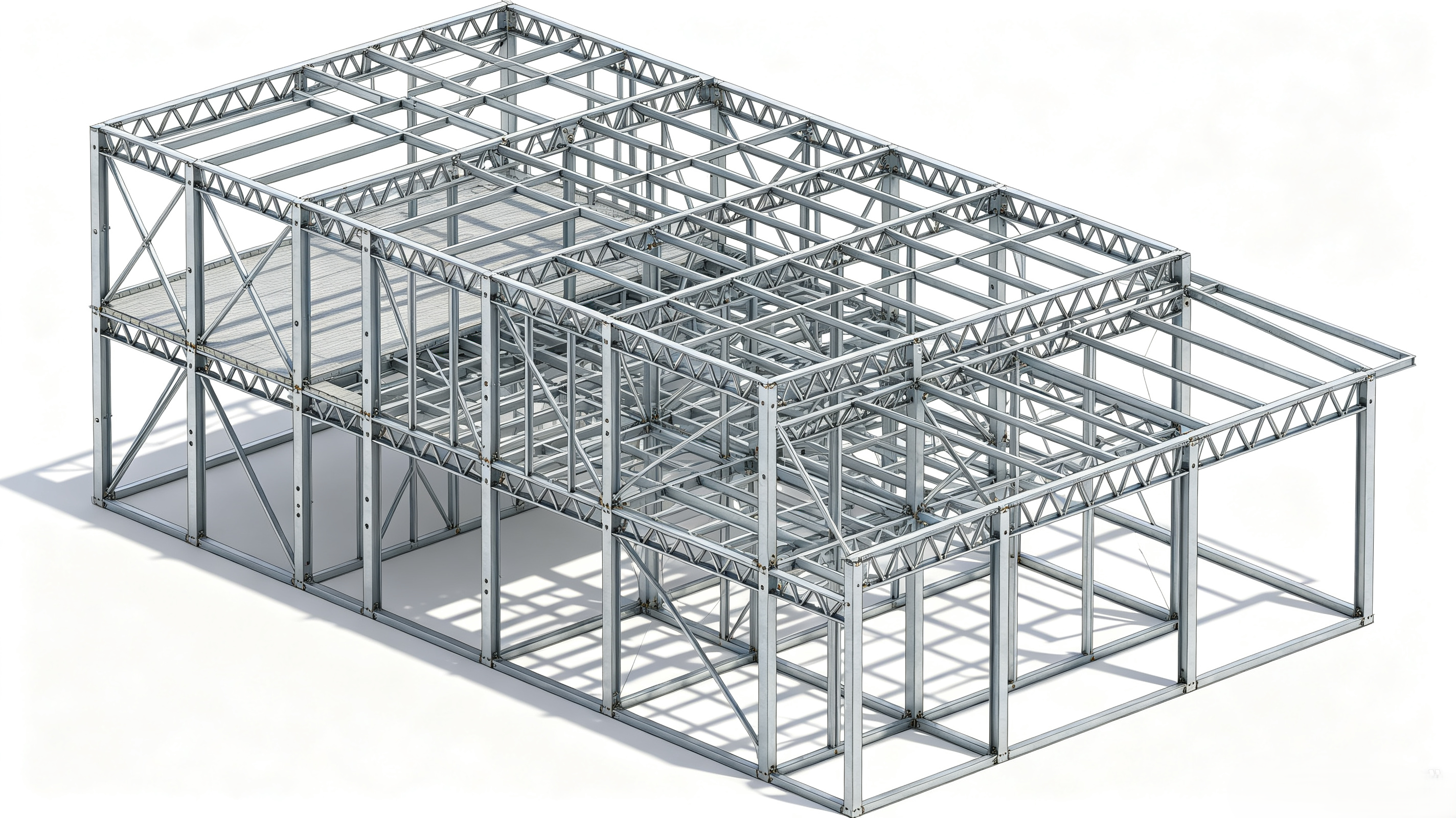
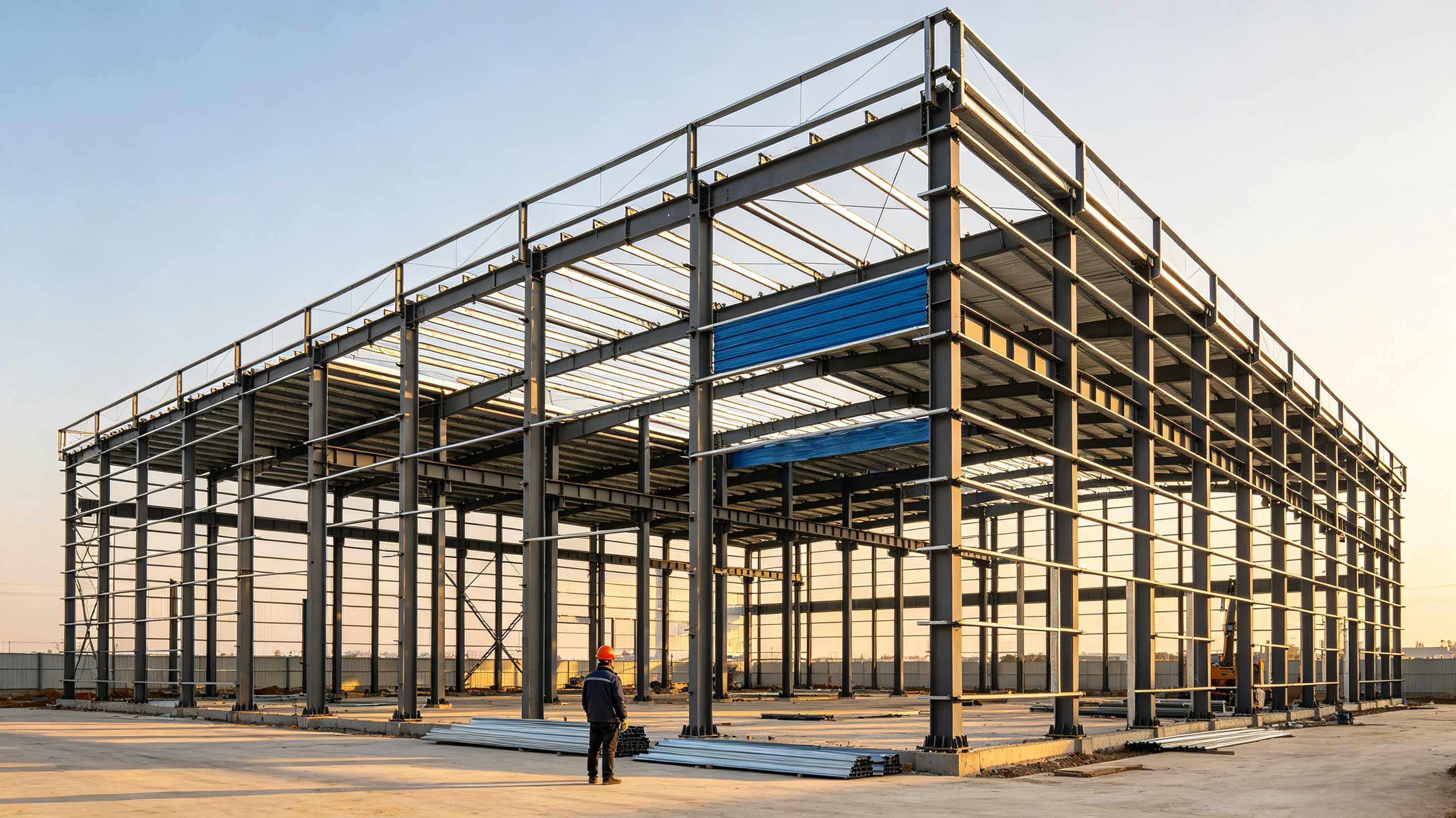
Proper installation of lightweight steel frame structures is critical to ensure long-term performance and safety. Begin with a detailed installation plan that outlines the sequence of assembly, required tools, and safety protocols. This plan should consider site-specific conditions, including weather and ground stability.
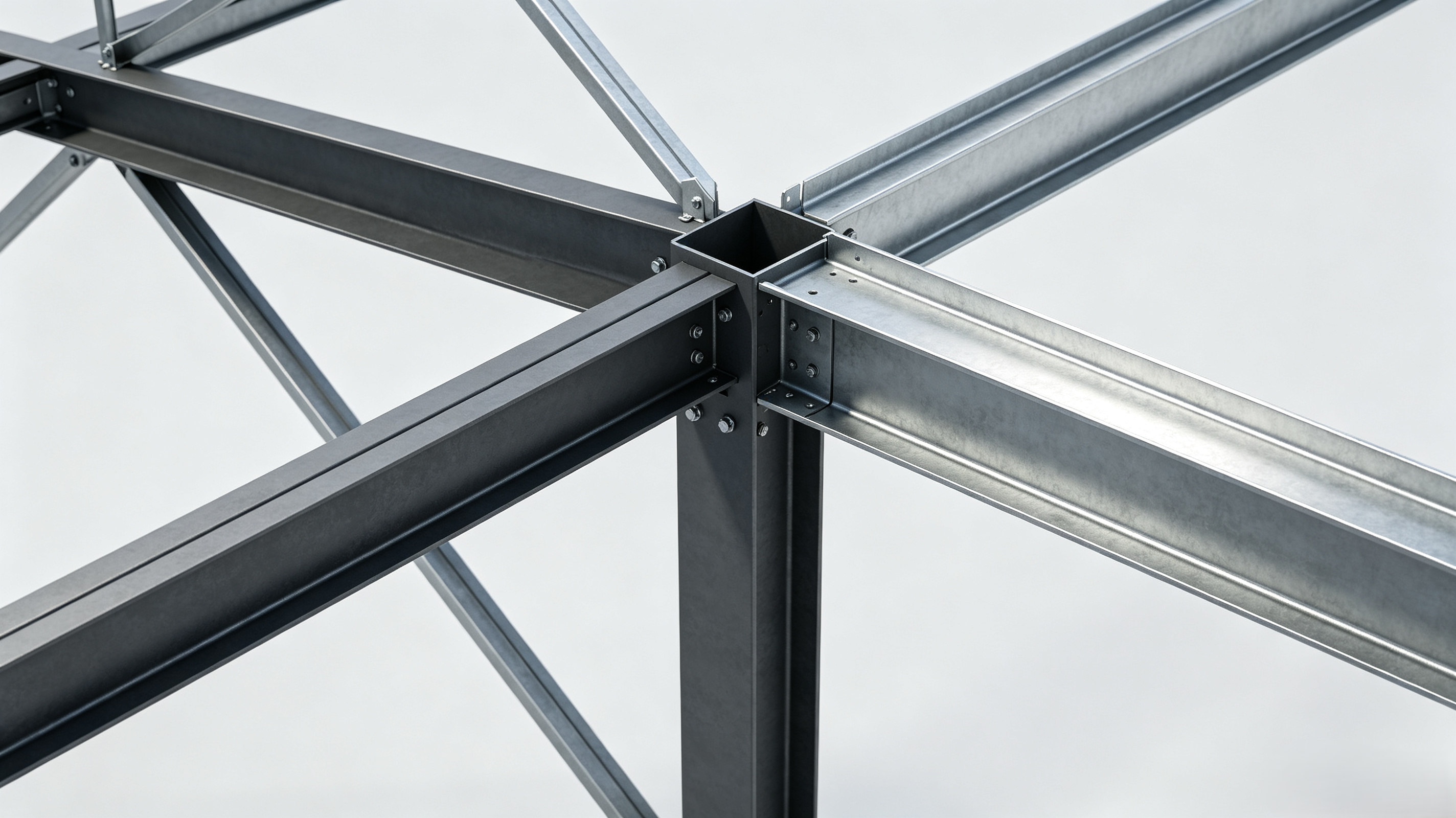
Before installation, ensure that all components are on-site and inspected for quality. It's essential to have a qualified team familiar with steel frame assembly techniques to avoid common installation mistakes, such as misalignment and improper fastening.
During the installation process, regularly check for compliance with design specifications and industry standards. Using laser alignment tools can help maintain accuracy, especially for larger structures. It is also recommended to have a quality control representative on-site to oversee the installation and address any issues that arise.
After installation, conduct a thorough inspection to ensure that all connections are secure and the structure meets the required specifications. Documenting this process can provide valuable records for future maintenance or inspections.
In summary, lightweight steel frame construction is a practical solution for various building projects, offering significant benefits in terms of weight, efficiency, and performance. By considering key specifications, evaluating material quality, sourcing reliable suppliers, and following proper installation guidance, B2B buyers can make informed decisions that align with their project requirements. For example, using materials like Hot-Dip Galvanized I-beam Profiles 10# For Humid Industrial Workshops can enhance the project's overall durability.
 EN