Key Insights on Lightweight Steel Frame Construction

application/lightweight-steel-frame-construction, application/lightweight-steel-frame-construction, 
Inquiry
Inquiry

lightweight steel frame construction

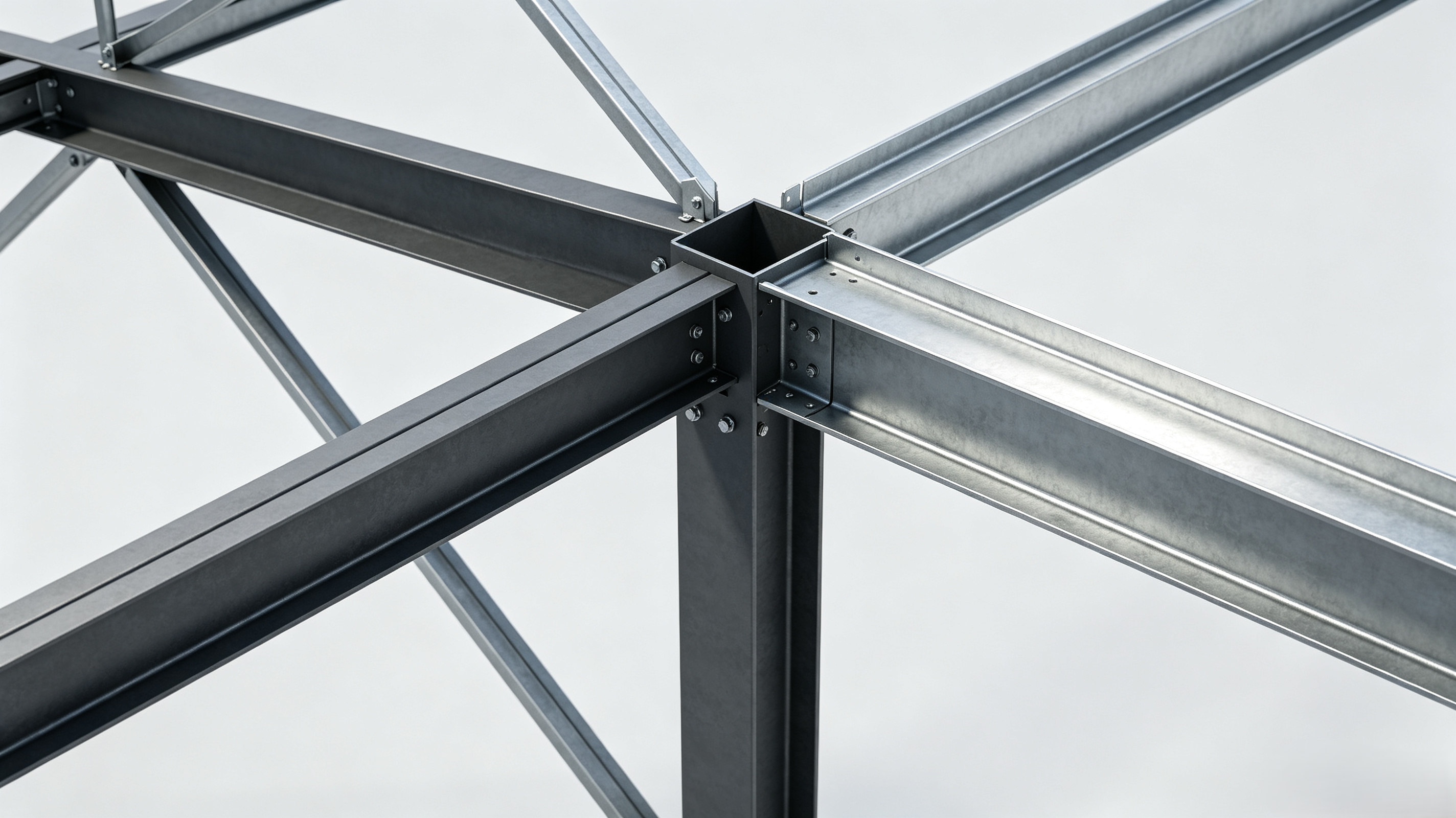
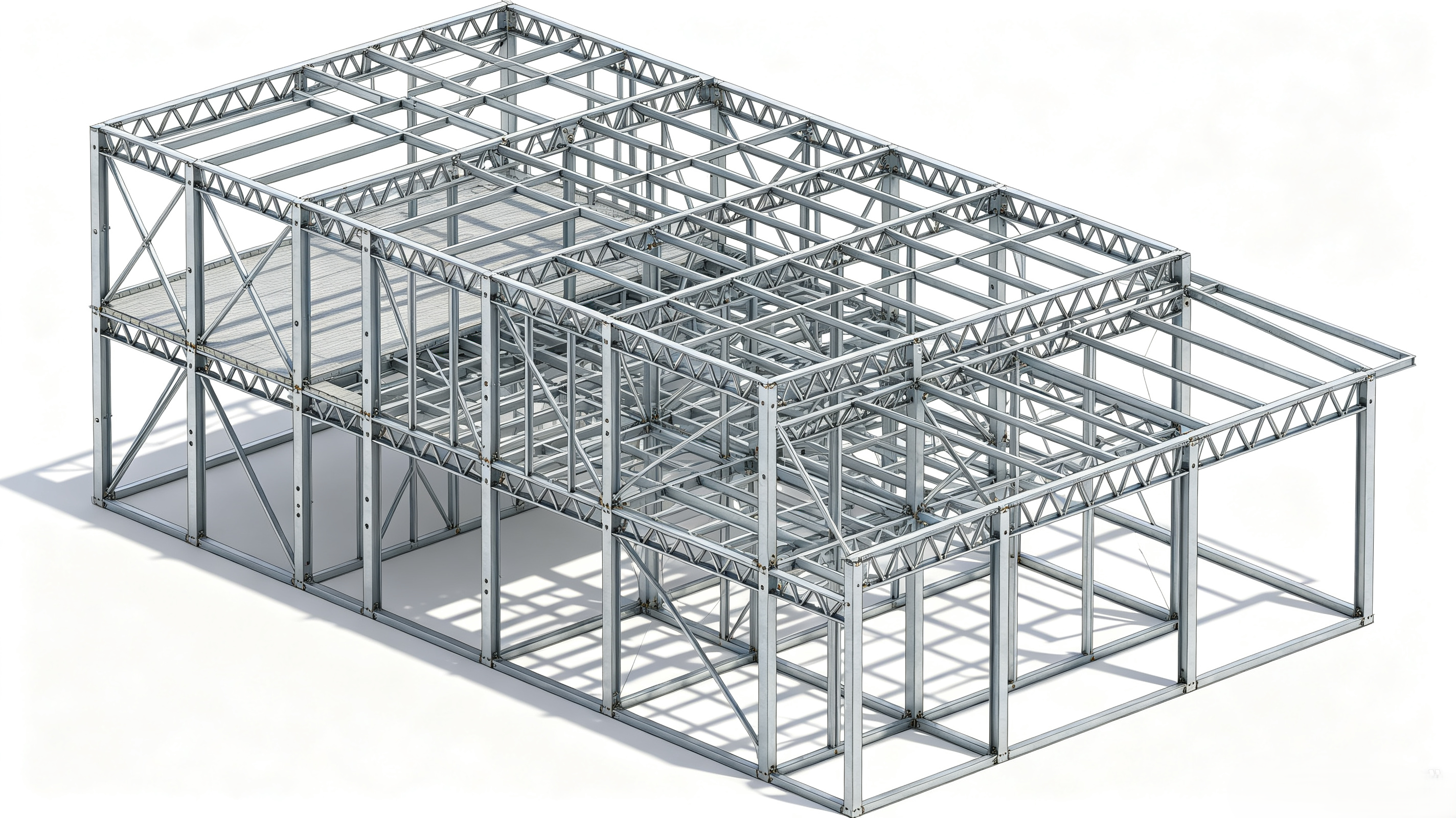
Lightweight steel frame construction  is  an innovative building method that utilizes  thin-walled steel sections  to create durable  and  efficient structures. This approach offers  numerous advantages, including reduced  weight, faster  assembly times,  and enhanced seismic performance. For  B2B buyers, the choice  of lightweight  steel  frames poses critical concerns such as material quality, cost-effectiveness, and  supplier reliability.  This article will  provide insights  into what to consider when selecting lightweight steel  frame  construction, key specifications, quality evaluation, sourcing suppliers, and installation guidance.

Why choose Xingyuanxing lightweight steel frame construction

Our Products

What to Consider When Choosing Lightweight Steel Frame Construction?

When selecting lightweight  steel frame construction, several factors should be prioritized. First, assess the  project's specific requirements, including load-bearing capacity, insulation needs, and environmental conditions.  The intended application—be it commercial, residential, or  industrial—will significantly  influence the choice of materials and frame configurations.

Second, consider the manufacturing capabilities  and expertise of potential suppliers. A supplier with a solid background in steel structure  engineering, like Tianjin Xingyuanxing Color Steel  Structure Co., Ltd., will  understand the nuances of different designs and materials.  This experience is crucial for ensuring that the final  product  meets industry  standards and  project specifications. For instance, suppliers offering Galvanized Several-Shaped Steel Profiles 50*70mm For Greenhouse Frames can provide specialized solutions.

Third, evaluate customization options. Buyers may  need tailored  solutions  to meet unique project demands, and suppliers should  be able to accommodate variations in design and material specifications. A clear understanding of your  project's objectives will help streamline discussions with potential suppliers.


Frequently Asked Questions

Our Blog Posts

What Our Partners Say

Key Specifications for Lightweight Steel Frame Construction Products

Key Specifications for Lightweight Steel Frame Construction Products

The key specifications of  lightweight steel frame  construction products  include material thickness, yield strength,  and dimension tolerances.

Material Thickness: Typically, lighter steel sections have thicknesses ranging from 0.5 mm to 3 mm. The appropriate thickness should be determined based on load requirements and  building codes. Thinner sections may reduce weight and costs, but they must also meet structural integrity  standards.


Yield  Strength: This specification  indicates the maximum stress that a material can  withstand without  permanent deformation. Common yield strengths for  lightweight steel sections are around 250 MPa to 450 MPa. Choosing the  right yield strength is essential to ensure that the frame can support the intended loads and  resist environmental forces.

Dimension  Tolerances: Accurate dimensions are crucial for seamless assembly.  Tolerances typically range from ±1 mm  to ±5 mm, depending on the component. Buyers should confirm the  tolerances to  prevent issues during installation.

Understanding these specifications  is vital for buyers to ensure that lightweight steel frames will perform adequately in their intended applications.

How to Evaluate the Quality of Lightweight Steel Frame Materials?

How to Evaluate the Quality of Lightweight Steel Frame Materials?

Evaluating the  quality of lightweight steel frame  materials involves several  key steps. Start by verifying  the material certification. Steel should be sourced from reputable  suppliers who  provide mill test reports  or  certificates of conformity that validate compliance with  relevant standards, such as ASTM for North America or EN for Europe.

Next, perform a visual inspection for signs of defects  such as corrosion, rust, or surface  imperfections. Quality materials should  have a clean finish without  dents or scratches, which  could compromise structural integrity.

Additionally, consider the manufacturing process. Steel frames that undergo hot-dip galvanization or  other protective treatments  are less prone to corrosion, extending their lifespan. Buyers should inquire  about the manufacturer's quality control processes, including in-process inspections and  final checks  before shipment.

Finally, requesting samples  for testing under actual operating conditions is advisable. This step allows buyers to assess the material’s performance in real-world applications.

Where to Source Reliable Suppliers for Lightweight Steel Frames?

Where to Source Reliable Suppliers for Lightweight Steel Frames?

Sourcing reliable  suppliers for lightweight steel frames involves researching and assessing various options. Start  by looking for manufacturers with significant industry experience and a robust portfolio. Companies like Tianjin Xingyuanxing  Color Steel Structure Co., Ltd., known for their  expertise in  steel  structure engineering, can provide valuable insights  into  product selection and customization.

Trade shows and industry exhibitions are excellent  venues for connecting with  potential suppliers. They offer opportunities to see products firsthand, discuss technical specifications, and gather materials. Online platforms and industry-specific directories can  also help identify  reputable manufacturers.

When evaluating suppliers, consider their production  capabilities, lead  times, and past project  references.  Assessing customer  reviews and testimonials can provide additional insights into  their reliability and service quality. Establishing a good relationship with suppliers can facilitate smoother  communication and collaboration throughout the  project lifecycle.

Installation Guidance for Lightweight Steel Frame Structures

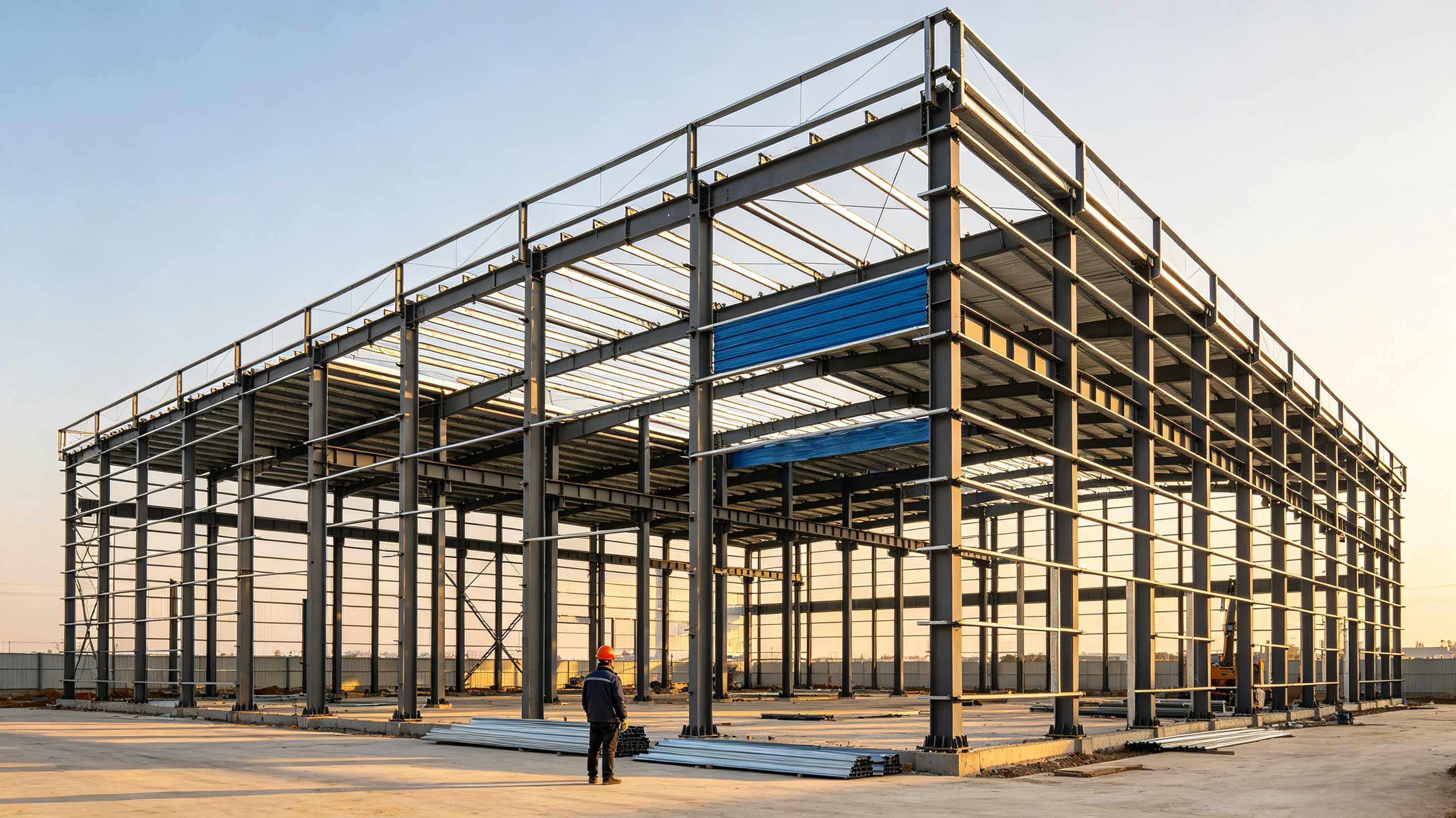
Proper installation of lightweight steel frame structures is critical to ensure long-term performance and safety. Begin with a detailed  installation plan that outlines the sequence of assembly, required tools, and safety protocols. This plan should consider site-specific conditions, including weather and ground  stability.

Before installation, ensure that all components are on-site  and inspected for quality. It's essential to  have a qualified team familiar with steel frame assembly techniques to  avoid  common installation mistakes, such as misalignment and improper fastening.


During the installation process, regularly check for  compliance  with design specifications and industry standards. Using  laser alignment tools can help maintain accuracy,  especially for larger structures. It is also recommended  to have a quality control representative on-site to oversee the installation and address any issues that arise.

After installation, conduct a thorough inspection to ensure that all connections are secure and the structure meets the required specifications. Documenting this process can provide valuable records for future maintenance or inspections.


In summary, lightweight steel frame  construction is a practical  solution for various building projects, offering significant benefits in terms of weight,  efficiency, and performance.  By considering key specifications, evaluating material quality, sourcing  reliable suppliers, and  following proper installation guidance, B2B buyers  can make informed decisions that align with their project requirements. For example, using materials like Hot-Dip Galvanized I-beam Profiles 10# For Humid Industrial Workshops can enhance the project's overall durability.