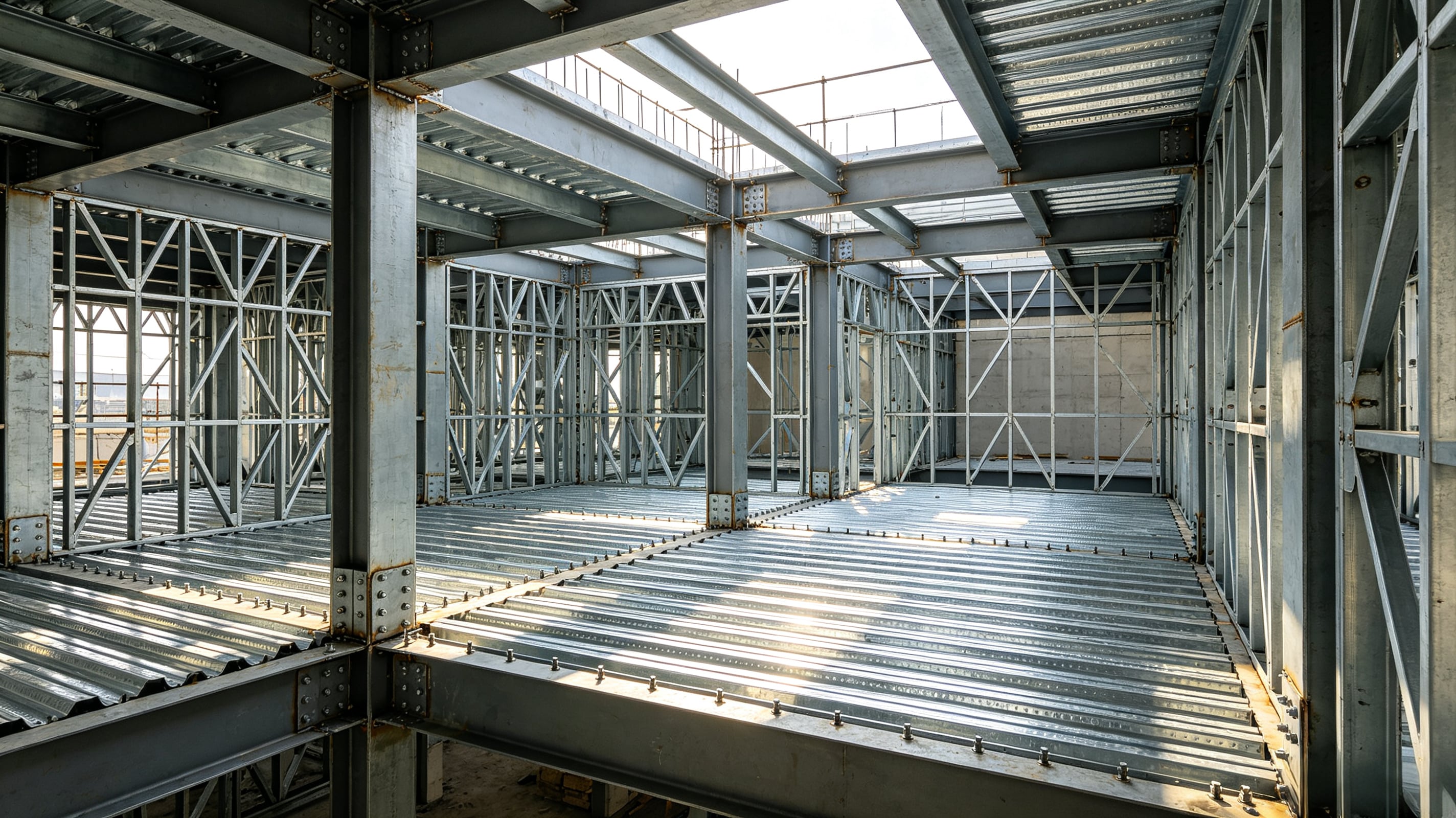
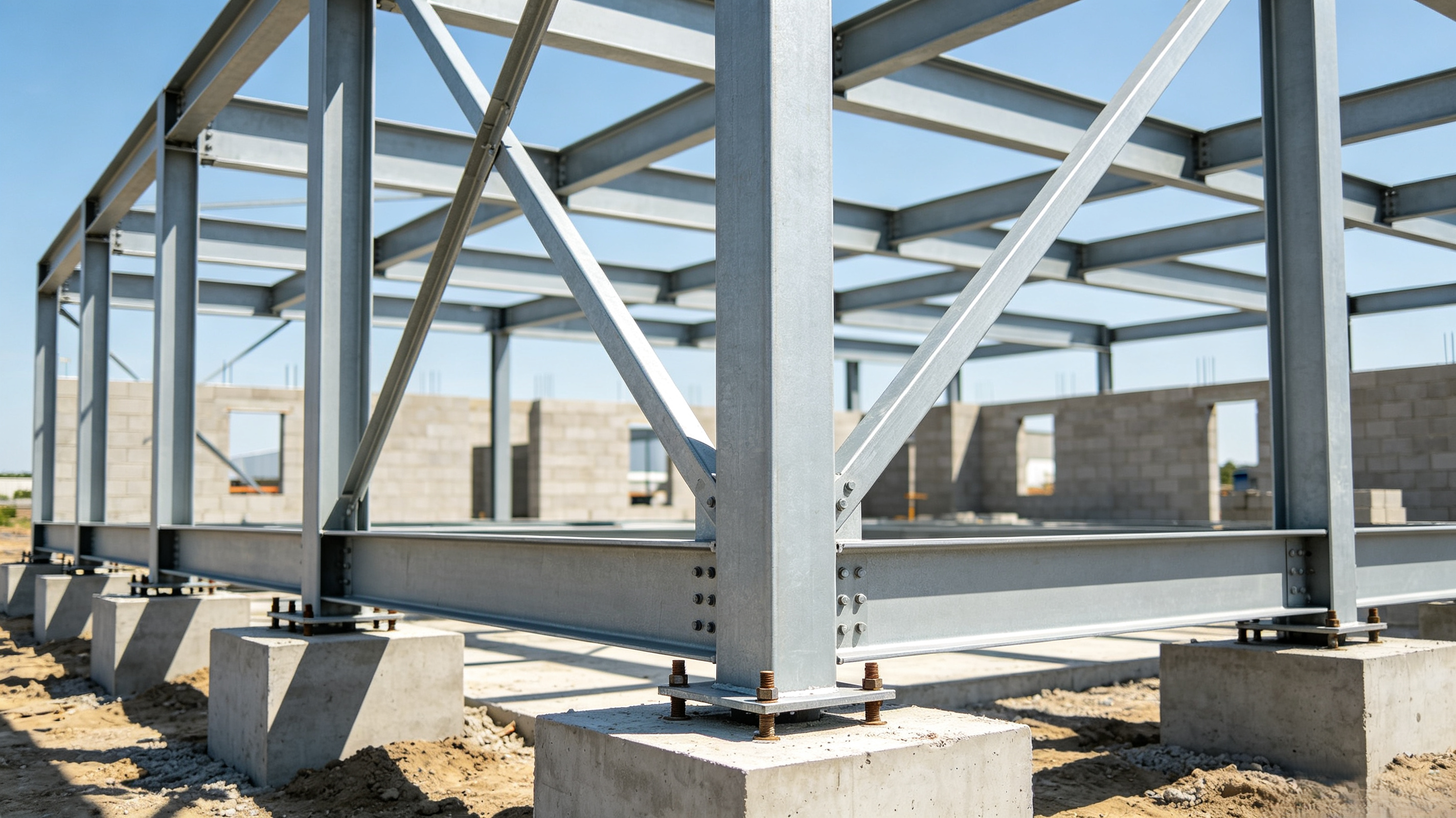
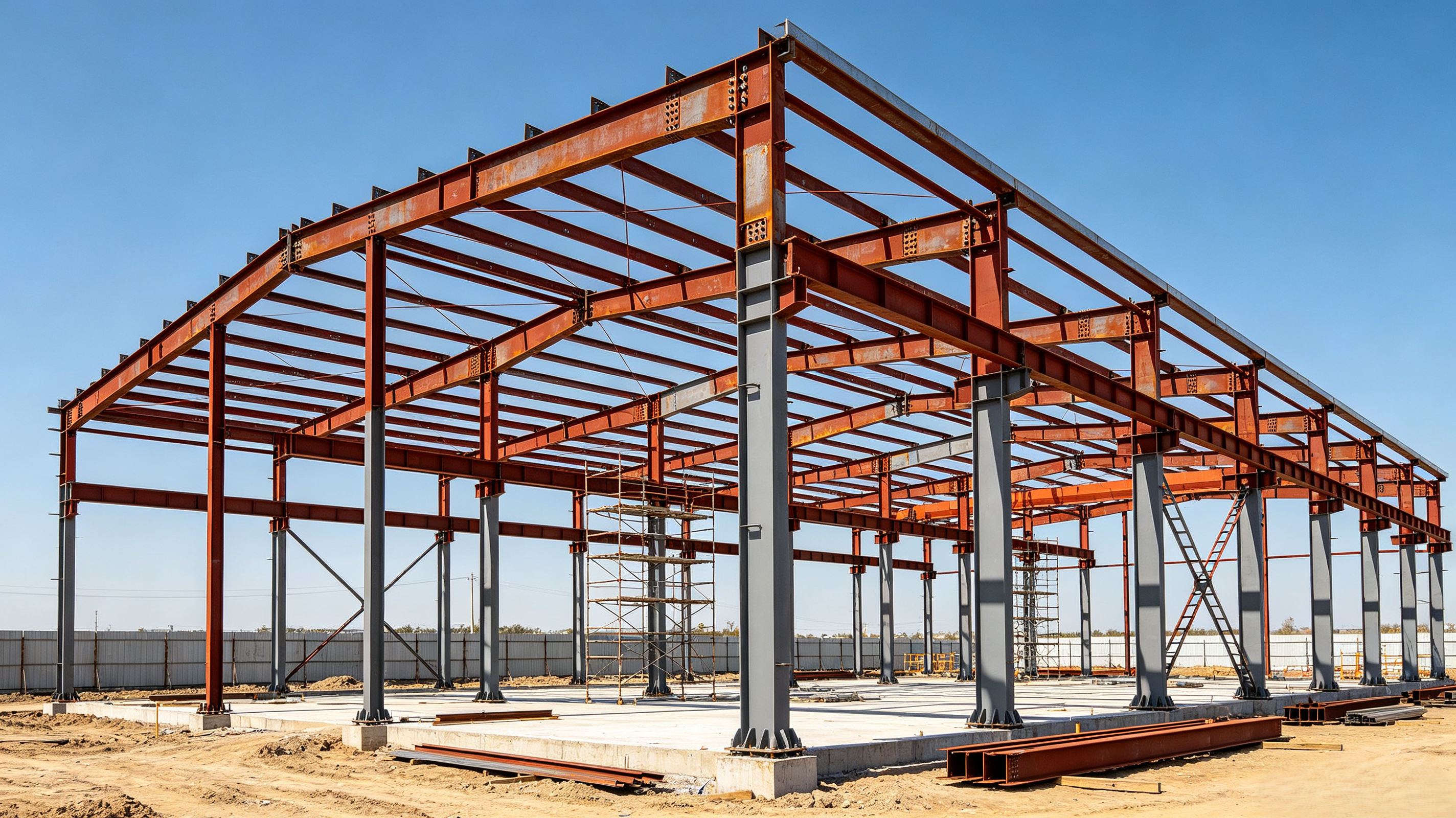
While lightweight steel construction is efficient, certain challenges can arise during the project lifecycle. Here are common issues and their respective solutions:
Corrosion: Despite protective coatings, steel can still be susceptible to corrosion if not properly maintained. Regular inspections and maintenance, along with applying additional protective layers, can mitigate this risk.
Thermal Performance: Lightweight steel can conduct heat, leading to temperature fluctuations inside buildings. Insulation materials should be carefully selected to ensure adequate thermal performance, particularly in extreme climates.
Sound Transmission: Steel structures can transmit sound more than traditional materials. Incorporating sound-dampening materials during construction can help reduce noise levels within the building.
Structural Misalignment: Improper installation can lead to structural misalignment, affecting the integrity of the building. Ensuring that skilled labor is employed and following strict installation guidelines can help prevent this issue.
Supply Chain Delays: Material availability and supply chain disruptions can impact project timelines. Establishing strong relationships with reliable suppliers, like Tianjin Xingyuanxing Color Steel Structure Co., Ltd., can help mitigate these risks.
By proactively addressing these common challenges, buyers and contractors can ensure smoother project execution and satisfactory results.
Incorporating lightweight steel construction into your projects can lead to cost savings, increased efficiency, and enhanced design flexibility. By understanding how to choose the right materials, specifications, and installation techniques, as well as being aware of potential challenges, stakeholders can make informed decisions that support successful project outcomes. Additionally, considering options like the Roof system can further enhance your project's success.
 EN