Choosing the Right Steel Shed Frame for Your Project

application/steel-shed-frame, application/steel-shed-frame, 
Inquiry
Inquiry

steel shed frame

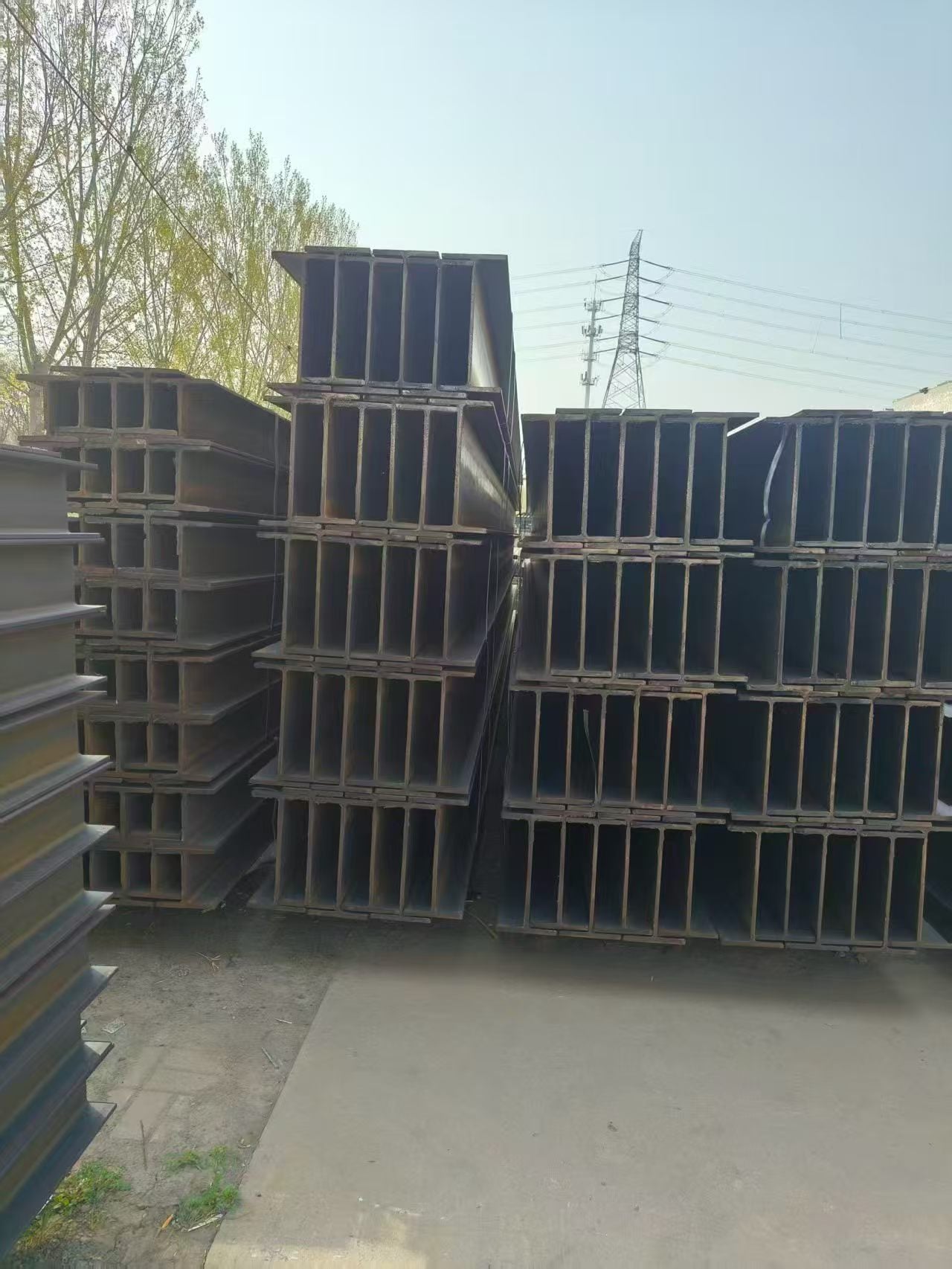
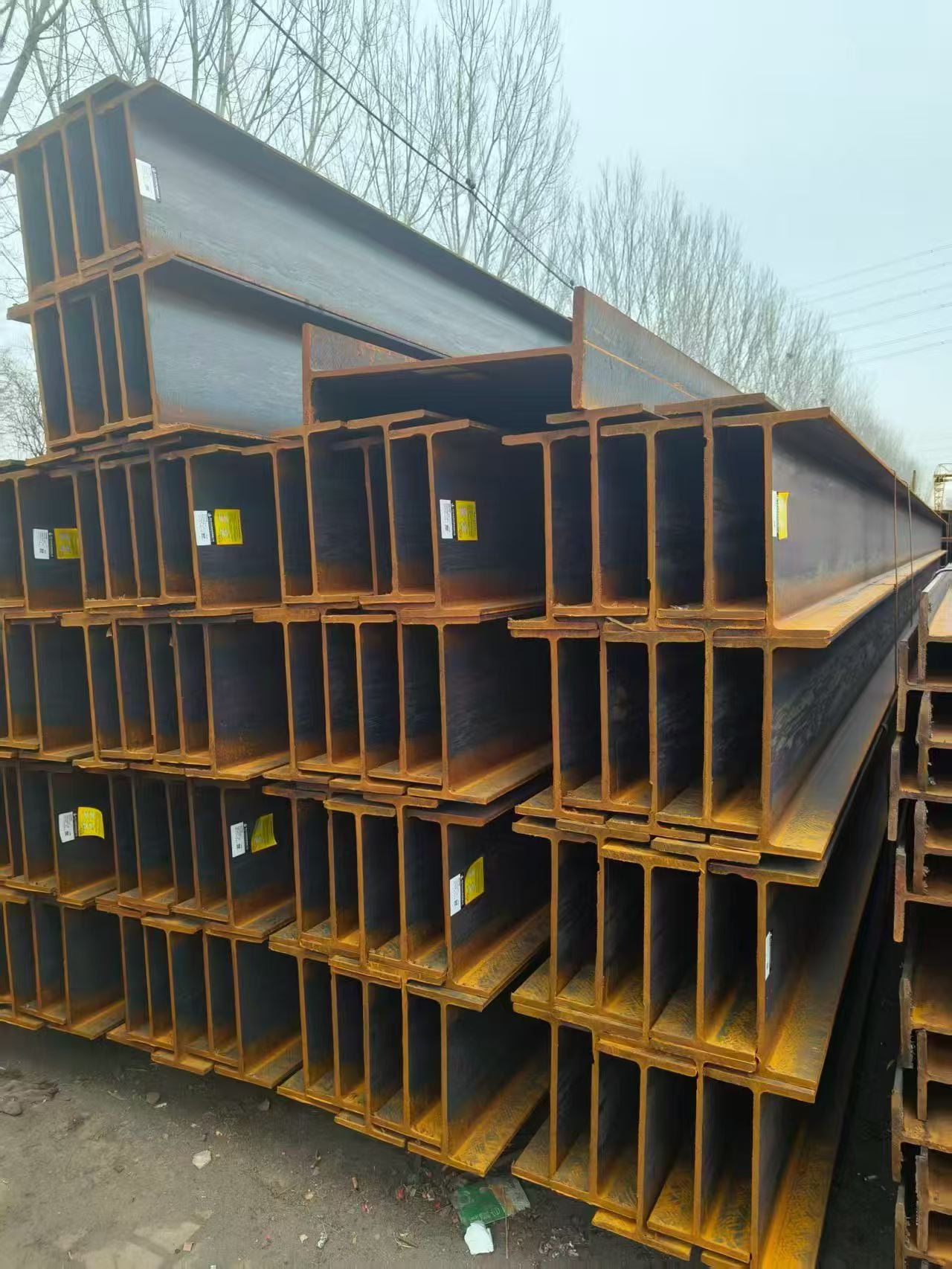
Steel shed  frames are structural components designed to support and  enclose storage solutions,  workshops, and other functional spaces. Their  critical role in construction makes  it essential for buyers—such  as  purchasing  managers, project engineers, and distributors—to understand the  various specifications, applications, and  quality indicators that can affect  their  purchasing decisions. This  article will provide  insights into selecting the right  steel  shed frame, focusing on  key  specifications,  quality expectations, and  applications across different industries.

Why choose Xingyuanxing steel shed frame

Our Products

Choosing the Right Steel Shed Frame for Your Project Needs

When selecting  a steel shed frame, it is essential  to consider the specific requirements of your project. The frame must  be compatible with the intended use, which can range  from simple storage to more complex applications involving mechanical systems. Factors  to evaluate include load-bearing capacity, environmental exposure (such as moisture  or  chemical  exposure), and the overall dimensions of the shed.

For instance, if the shed  will be used  for heavy equipment storage, a  frame with a higher  load capacity and thicker steel would be advisable.  Conversely,  a lighter  frame may  suffice for less demanding applications. Additionally, the design should accommodate  any insulation or wall systems you plan to incorporate, as  these  will affect the  overall structure. For instance, using a Galvanized Several-Shaped Steel Profiles 50*70mm For Greenhouse Frames can enhance durability.

Frequently Asked Questions

Our Blog Posts

What Our Partners Say

Key Specifications to Consider for Steel Shed Frames

Key Specifications to Consider for Steel Shed Frames

Several technical specifications  are crucial when  assessing steel shed frames:

Material Grade: Common materials include  galvanized steel and pre-painted options. Galvanized steel provides excellent corrosion  resistance, making it ideal for outdoor applications. The material’s gauge (thickness) is also critical; thinner gauges  may compromise durability under heavy loads.

Dimensions: The height,  width, and length of the frame should align with your project requirements. Accurate  dimensions  are essential for ensuring compatibility with available space  and intended usage.

Load Capacity: Understanding the load capacity of the shed  frame is vital. This includes both static loads (the weight  of the  structure itself and any stored items) and  dynamic loads (forces that may act on the frame, such as wind or seismic activity).

Finish: The surface treatment of the steel frame can impact  its longevity  and maintenance requirements. Options include powder coating, which offers a durable finish, and  hot-dip galvanizing for  enhanced corrosion resistance.

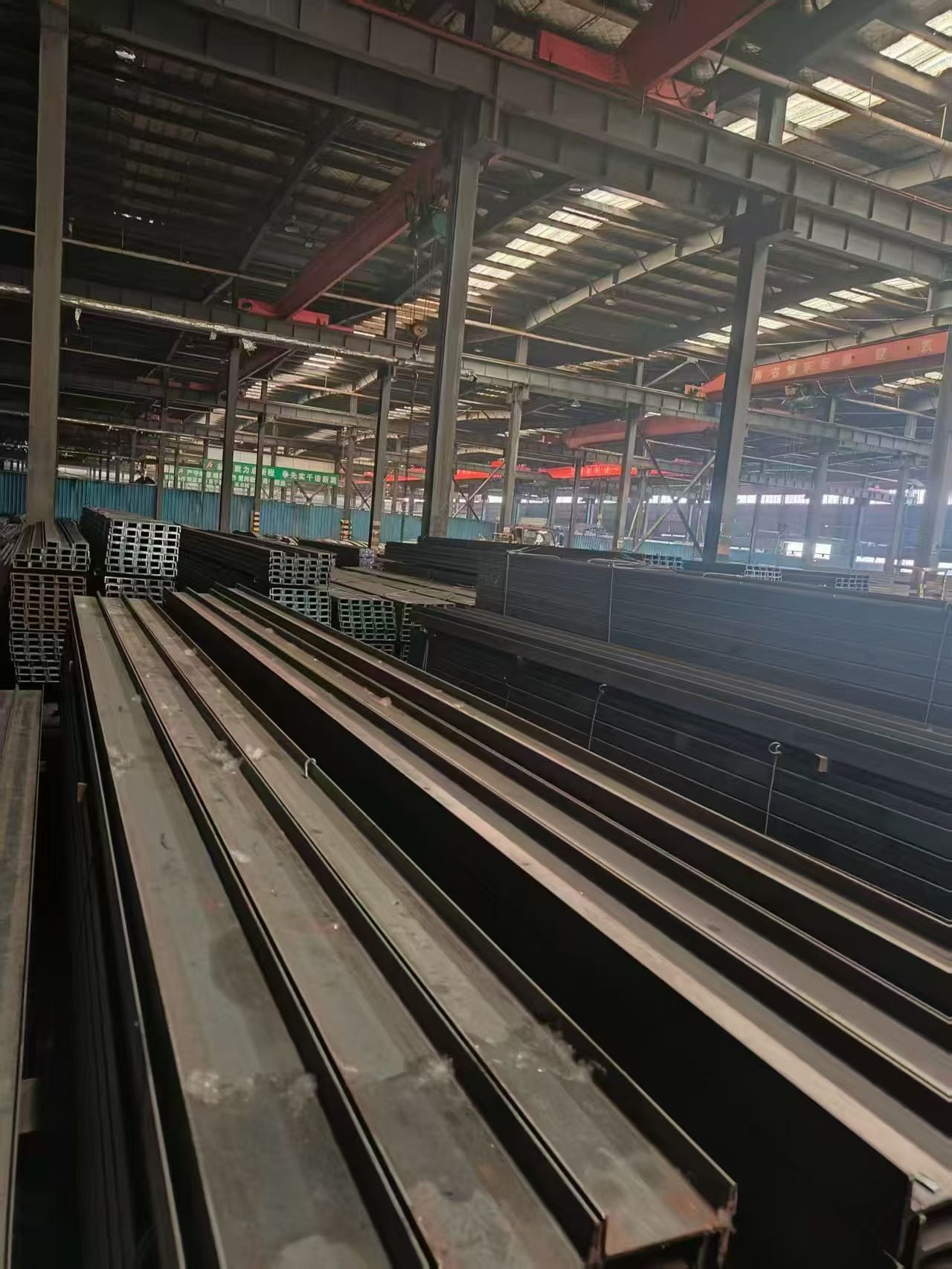
Configuration: Steel shed frames may come in various configurations, such as A-frame, portal frame, or mono-slope designs.  Each design has unique benefits depending on the application. For example, using Hot-Rolled U-Shaped Channel Steel Q235B For Industrial Equipment Base Support can provide additional structural integrity.

What to Look For

What to Look For

When  evaluating potential steel shed frames, consider the  following:

Quality Control  Processes: Ensure  the manufacturer employs strict quality control measures during production, including material testing and dimensional inspections. This oversight helps prevent issues that could arise during installation or operation.

Customization Capabilities: Depending on  your project, you may require bespoke solutions  tailored to specific dimensions  or load requirements. Assess whether the manufacturer can accommodate customization requests.

Certifications: Look for manufacturers that comply with industry standards and  certifications,  which can be indicators of reliability and quality assurance.

Production Equipment: Understanding  the  technology and machinery  used in frame fabrication can provide insight into the precision and  efficiency of  the manufacturing process.

Lead Time and MOQ: Inquire about the minimum  order quantities (MOQ)  and  expected lead times for production. This information is crucial  for project planning  and  inventory management.

A Buyeru2019s Guide

A Buyeru2019s Guide

To effectively prepare for purchasing a steel shed frame,  consider the following steps:

Determine Specifications: Clearly define  the specifications required for your frame, including dimensions, load  capacity, and material preferences.

Request Quotations: When reaching out to  suppliers, provide  detailed information about your  project, including the intended application, site conditions, and any customization needs. This will enable suppliers to  offer more accurate quotes.

Evaluate  Samples: If possible, request  samples of the frame or similar products to assess quality  and  performance before making a larger commitment.

Inspect Manufacturing  Practices:  If  feasible, visit the manufacturing  facility to observe production processes and quality control measures firsthand. This  can  provide valuable insights into the reliability of the  supplier.

Compare Suppliers: Evaluate multiple suppliers based on their product  offerings, quality assurance practices, customization options, and  overall reputation in the industry.

Applications of Steel Shed Frames in Various Industries

Steel shed frames find  various applications across  multiple sectors, showcasing their versatility and reliability:

Agriculture: Used for equipment storage, livestock  housing, and grain storage,  steel frames provide durability against  environmental stressors.

Construction: These frames serve as temporary or permanent storage for tools and materials, ensuring job sites remain organized and efficient.

Manufacturing:  In manufacturing settings, steel shed frames can function as  workshops, assembly  areas,  or storage for raw materials and finished goods.

Commercial Use: Retailers may utilize  steel shed frames for additional storage or as modular retail spaces, taking advantage of their durability and customizable designs.

Recreational Facilities: Parks and recreational areas often utilize  steel frames for storage sheds, maintenance facilities,  and shelters, benefiting from their structural  integrity and ease of installation.

In summary, understanding the nuances  of steel  shed frames—from specifications to  applications—enables buyers to make informed  decisions that align with their project requirements. By focusing on key factors such as material  quality, load capacity, and customization options, purchasing managers and  project engineers can ensure  they select the most suitable solutions for their needs.