Choosing the Right Steel Structure Supplier

application/steel-structure, application/steel-structure, 
Inquiry
Inquiry

steel structure

When  considering  steel structures for industrial  applications, selecting the right  supplier  is crucial.  Steel structures are integral to various projects, providing the  framework for  buildings, bridges, and other infrastructures. Buyers  often  face  challenges such as ensuring quality, understanding  specifications, and  managing costs. This  article will guide you  through essential considerations for  choosing a steel  structure supplier,  evaluating product specifications, understanding  cost factors, and recognizing the advantages of  steel structures.

Why choose Xingyuanxing steel structure

Our Products

How to Choose the Right Steel Structure Supplier for Your Needs

Selecting  a steel structure supplier requires careful evaluation to ensure they meet your project needs. Key considerations include:

Experience and Expertise: Look for suppliers with a  proven track record in steel structure  engineering, fabrication, and installation. Companies  like Tianjin Xingyuanxing Color Steel Structure Co., Ltd., with  over a  decade of experience in the Beijing-Tianjin-Hebei region, demonstrate reliability  through their established processes and quality control.

Manufacturing Capabilities: Assess  their production equipment  and capabilities. A supplier should have modern machinery that can handle the  specific  demands of your project, including the ability to  produce custom dimensions and designs. Additionally, consider how their Secondary steel structure options might meet your needs.

Quality Control Processes: Inquire about the supplier's quality assurance practices. Effective quality control ensures the final  product meets  required specifications, reducing the  risk of structural failures.

Certifications: Check for relevant  industry  certifications that validate the supplier's  adherence to quality  standards and regulations.

Customer Support and Communication: A responsive supplier who provides clear communication throughout the project lifecycle can significantly  enhance your purchasing experience.

Frequently Asked Questions

Our Blog Posts

What Our Partners Say

Key Specifications to Evaluate in Steel Structure Products

Key Specifications to Evaluate in Steel Structure Products

When evaluating steel structure  products, several specifications are critical to ensure suitability  for your application:

Material  Specifications: Determine the type of steel used (e.g., carbon steel, stainless steel)  as it affects durability, strength, and corrosion resistance. For  instance, structural  steel grades  like S235, S275, and S355 each have different tensile strengths and applications.

Dimensions  and Tolerances: Understand the dimensions of the steel components and the tolerances that the manufacturer can achieve. Accurate dimensions are essential for proper fit  during assembly and  installation.

Coating and Surface Treatment: Evaluate the surface treatment options available, such  as galvanizing or powder coating.  These treatments enhance corrosion  resistance and improve the aesthetic appeal of the  structure.

Load-Bearing Capacity: Confirm that the  steel structure meets the load requirements  for your specific use case. This includes understanding how different designs can accommodate  various loads, including live loads, dead loads, and environmental  factors.

Customization Options: Assess  the supplier's  ability to customize products to meet specific project requirements, including unique designs or additional features. For example, their Accessories can provide additional functionalities tailored to your project.

Understanding the Cost Factors of Steel Structure Projects

Understanding the Cost Factors of Steel Structure Projects

The cost of  steel structure projects can vary widely based on  several factors:

Material Costs: The price of  steel fluctuates  based  on market conditions. Understanding current market prices  can help you budget effectively.

Design and Engineering: Custom designs  may incur additional costs due  to the  engineering time required to create detailed specifications.

Fabrication and Labor: The complexity of the structure impacts fabrication costs. More intricate  designs  necessitate skilled labor and advanced machinery, leading to higher expenses.

Transportation and Logistics: Consider the cost of transporting  steel components to the project  site. This includes shipping fees, handling  charges, and any special equipment needed for  delivery.

Installation Costs: Factor in  the expenses related to the  installation of the  steel structures. This may involve hiring specialized contractors  who can ensure safe and precise assembly.

A Comprehensive Guide

A Comprehensive Guide

To make informed decisions regarding steel structure purchases,  follow these guidelines:

Prepare  Detailed Specifications: When reaching out for quotes, provide comprehensive  specifications  that include dimensions, materials, load requirements, and any customization needs.

Request Samples: Before  finalizing orders, request samples or mock-ups.  This allows you to  assess quality  and fit before committing to larger quantities.

Evaluate  Supplier Reputation: Research potential suppliers by reading reviews and seeking  recommendations from industry peers.  A supplier's reputation can be  a strong  indicator of reliability.

Check References: Ask for references from previous clients to gauge the supplier's performance and reliability in delivering quality steel structures.

Establish  Communication Channels: Maintain open lines of communication  with your supplier  throughout the project. This helps address any issues promptly  and ensures  alignment  on  expectations.

Advantages of Steel Structures for Industrial Applications

Steel structures offer numerous advantages for industrial applications:

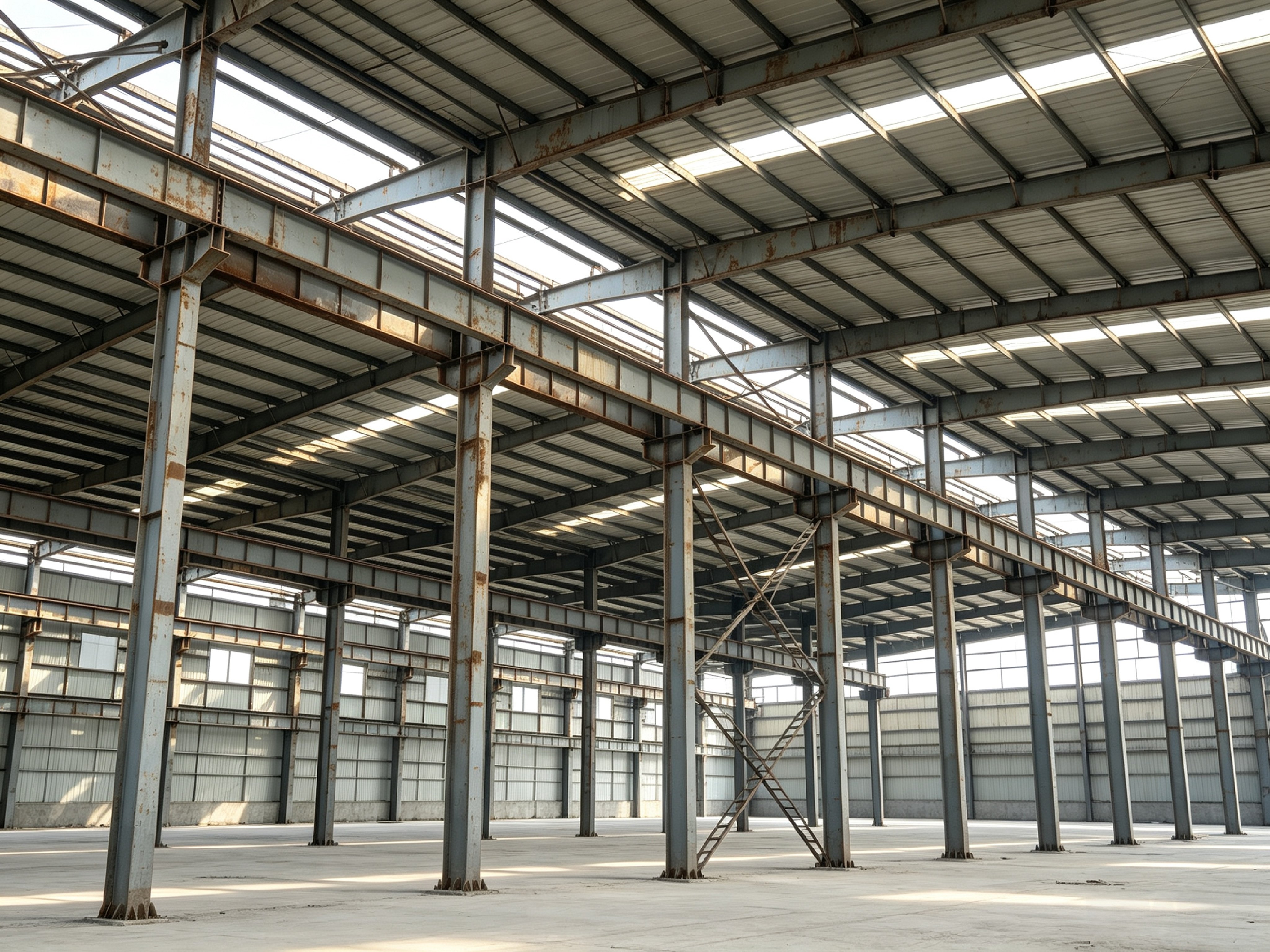
Strength and Durability: Steel's inherent  strength  allows  for  the construction of  large, open spaces without the  need for excessive support. This flexibility is ideal for  warehouses and  manufacturing facilities.

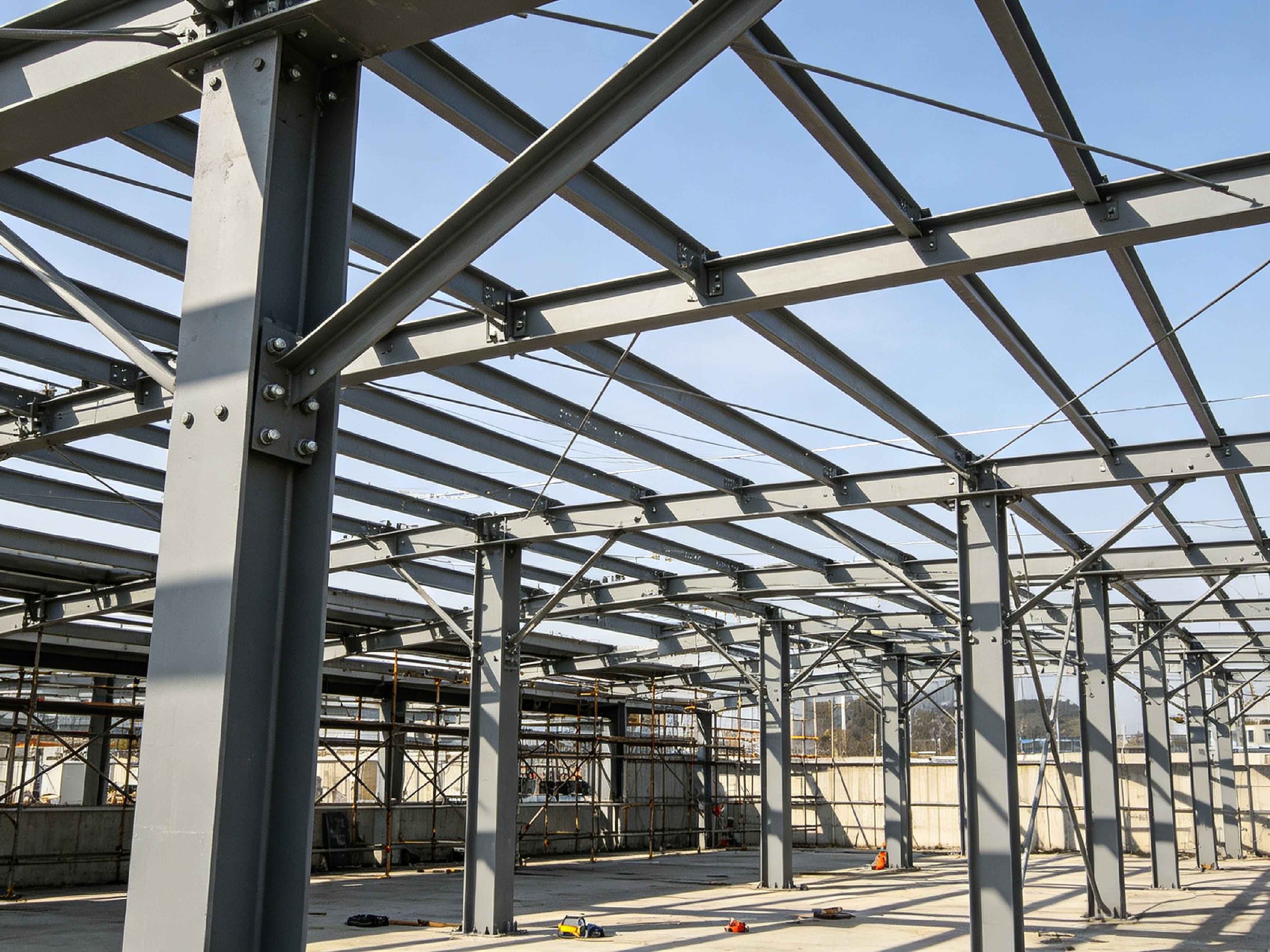
Design Flexibility: Steel can be fabricated into various  shapes and sizes, accommodating unique architectural designs while maintaining structural integrity.

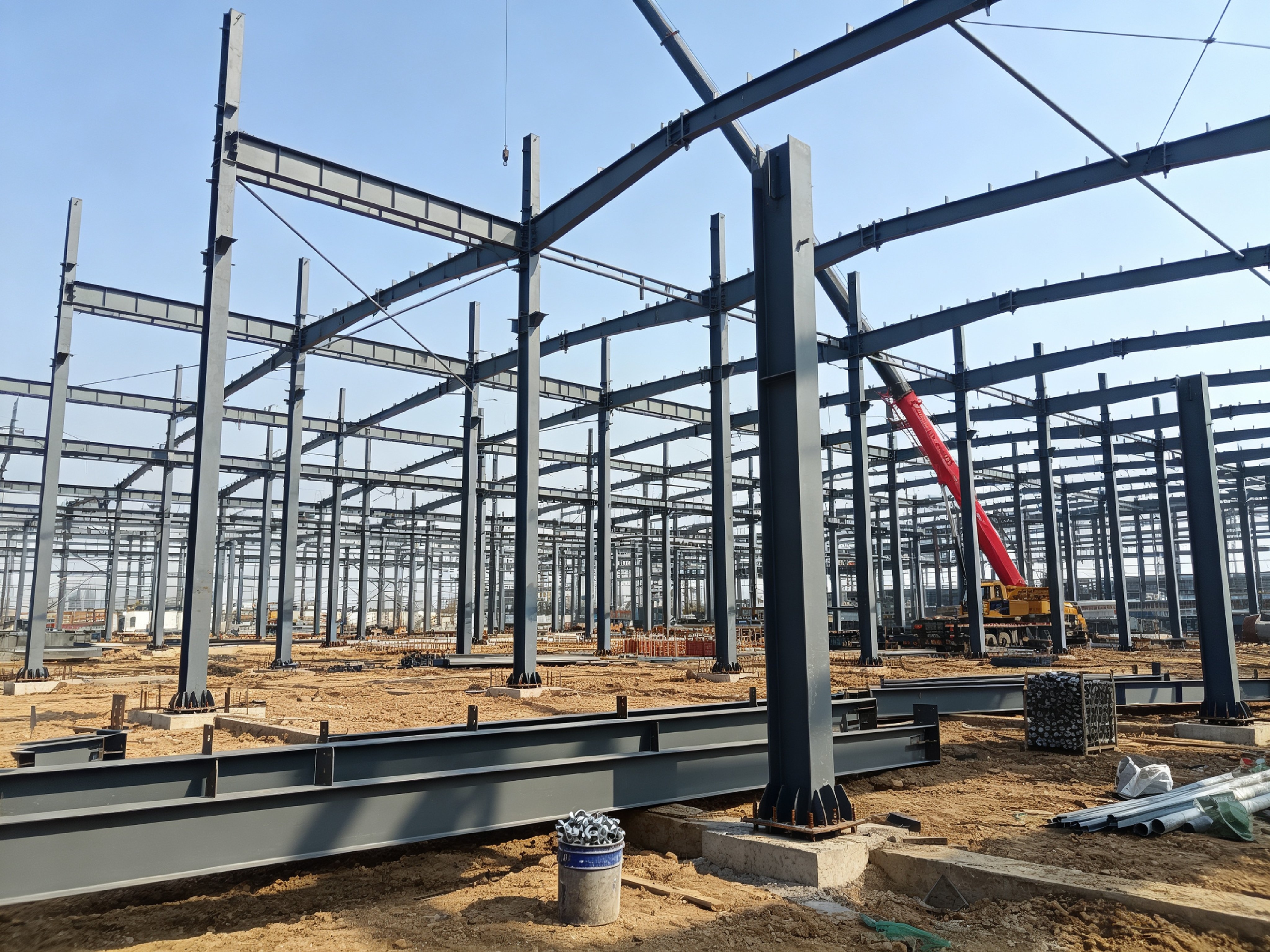
Speed of Construction:  Pre-fabrication of  steel  components can  significantly  reduce on-site construction time, allowing projects to be completed faster.

Sustainability: Steel is recyclable, making  it an environmentally  friendly choice. Many steel structures can be repurposed or recycled at the end of their  life  cycle.

Cost-Effectiveness: Although initial material costs may be higher than alternatives, steel structures often lead to lower overall costs due to their durability, reduced maintenance needs, and quicker construction times.

By understanding these factors, B2B buyers can make informed decisions when selecting steel structures for their projects. Whether you're an engineer, purchasing manager,  or project manager,  this knowledge will help you navigate the complexities of sourcing steel structures effectively.