Key Considerations for Steel Structure Buildings

application/steel-structure-buildings, application/steel-structure-buildings, 
Inquiry
Inquiry

steel structure buildings

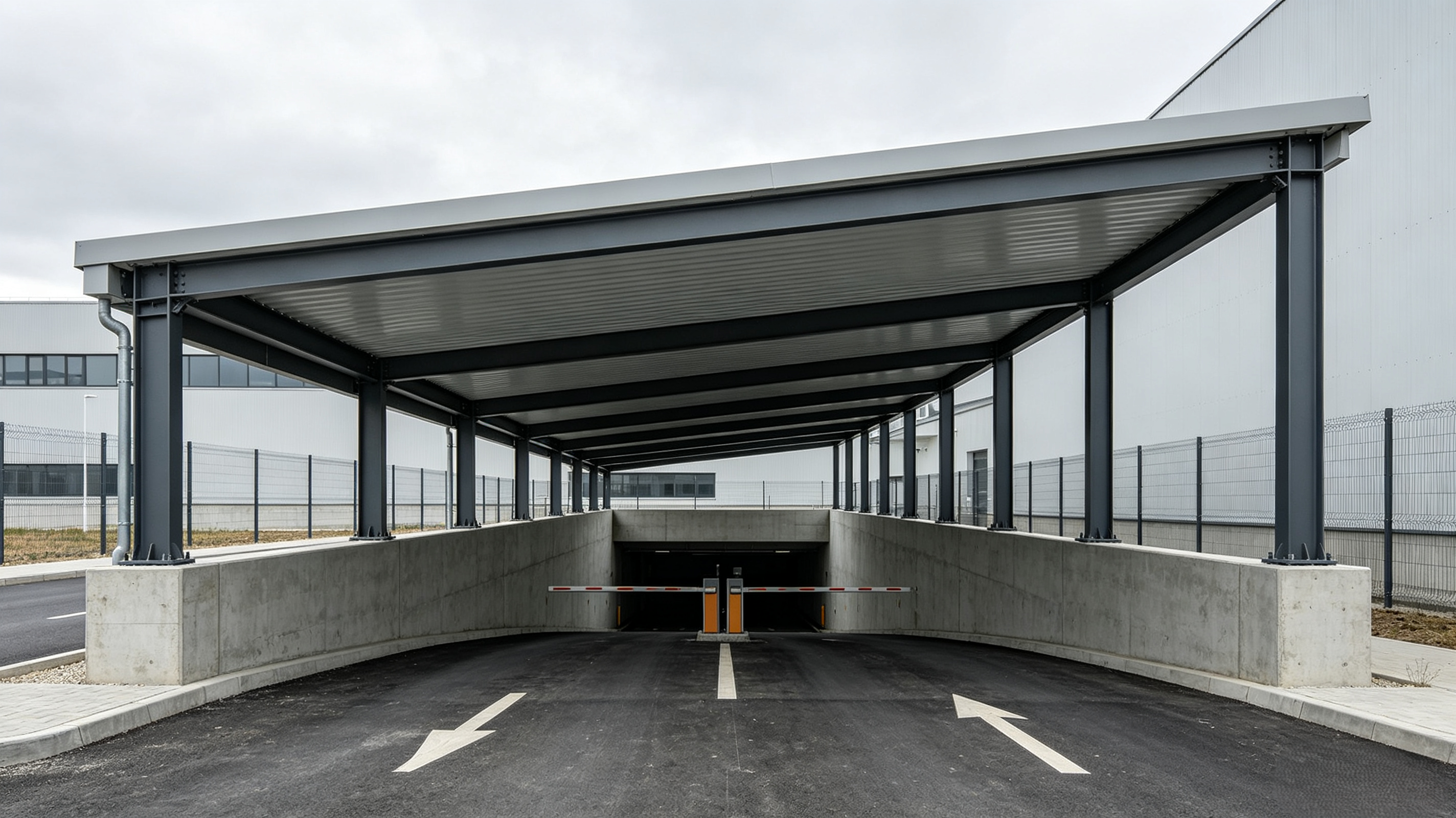
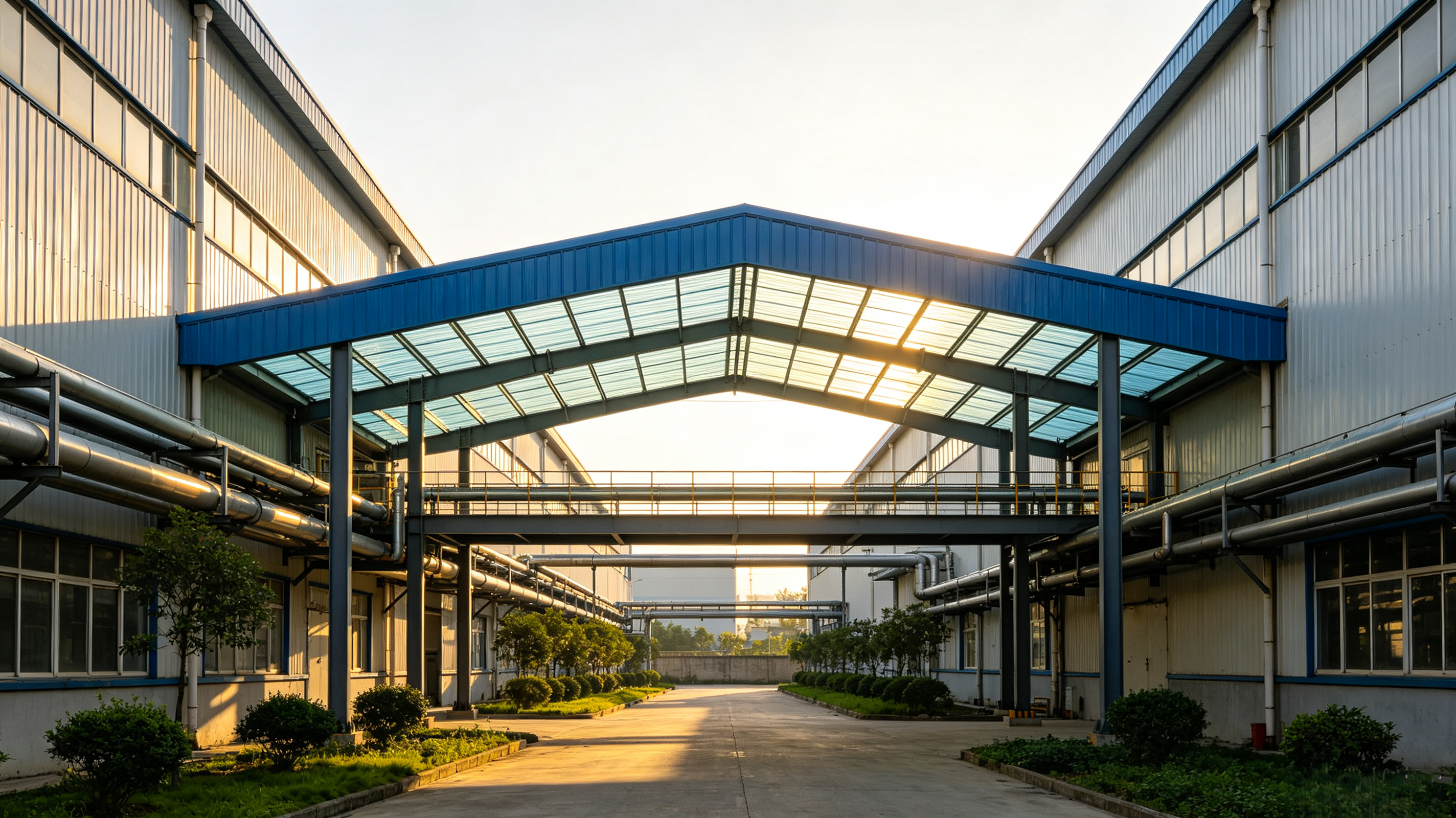
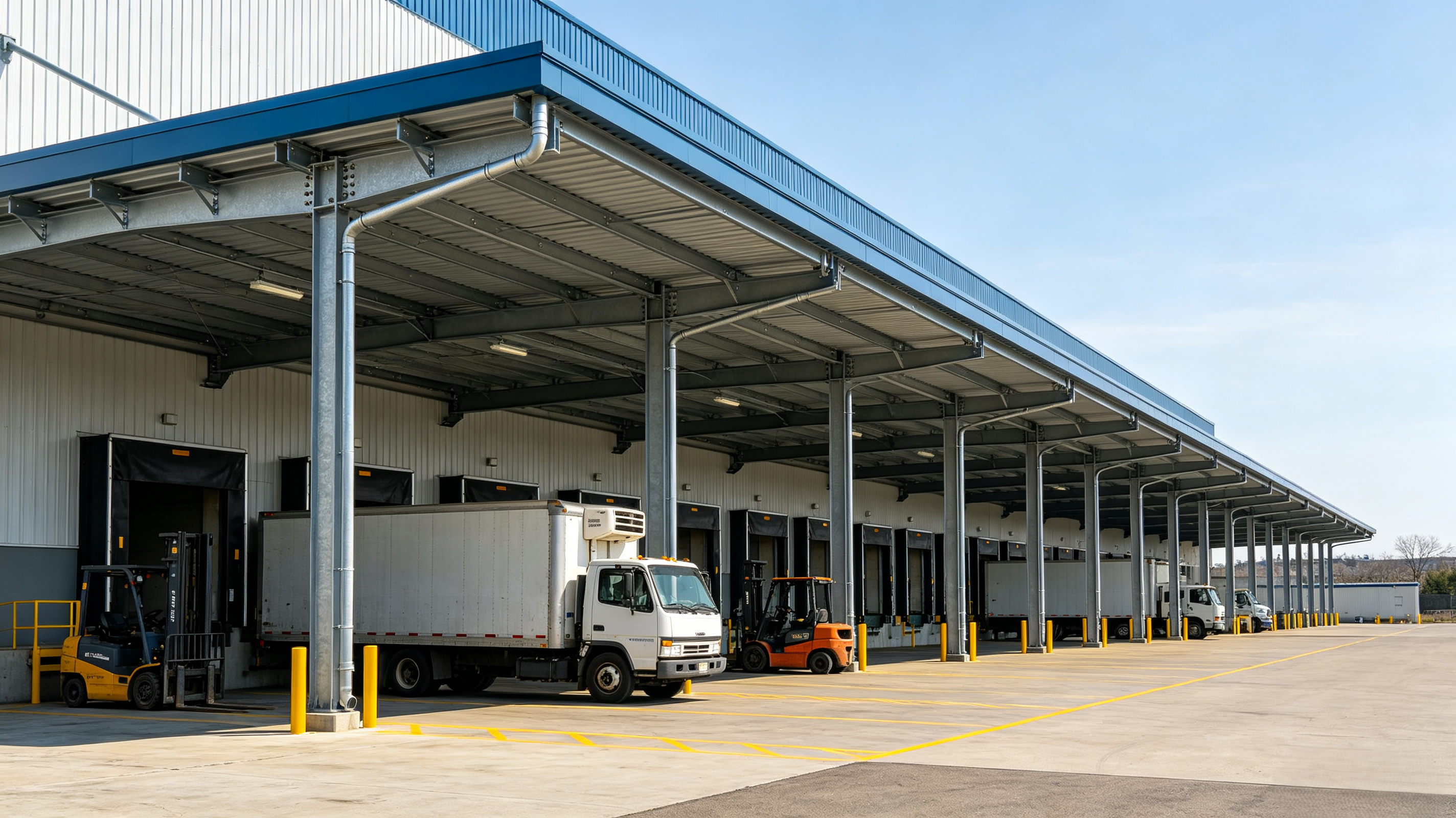
Steel structure buildings have become a prominent  choice in the  construction industry due to their durability, flexibility, and  cost-effectiveness. These structures, made primarily  from steel  beams and columns, offer substantial benefits for commercial,  industrial,  and even residential  applications. However, when purchasing steel structure buildings, buyers often have specific concerns, including material quality,  supplier reliability, and  project  timelines.  This article aims to  provide  practical insights  into selecting  steel structure  buildings, evaluating suppliers, understanding  technical  specifications, and addressing common issues  throughout the project lifecycle.

Why choose Xingyuanxing steel structure buildings

Our Products

What to Consider

When considering steel  structure buildings, buyers  should evaluate  several key factors to ensure their project meets both functional and  aesthetic requirements. First, the intended use of the structure is paramount.  Whether it's for manufacturing, warehousing, or office space, the design and materials must align with the operational  needs.

Next, assessing the environmental conditions at the construction site is critical. Factors  like wind loads, seismic activity,  and  temperature  variations will influence the structural design and material selection. For instance, regions prone to high winds may require  additional bracing or heavier gauge steel to ensure stability and safety. Using Corrosion-Resistant Hot-Dip Galvanized Round Tube Q235B For Greenhouse Bracing can provide additional support in such conditions.

Additionally, customization capabilities should be explored. Many projects necessitate unique  designs that can accommodate specific requirements, such as large open spaces or  integrated technology. Discussing these needs with  potential suppliers can lead to  tailored  solutions that enhance functionality.

Lastly, understanding the total cost of ownership  is essential. This includes not only the  initial purchase price  but also long-term maintenance, energy efficiency, and potential for future expansion. Buyers should ask suppliers about these aspects to  make informed decisions.

Frequently Asked Questions

Our Blog Posts

What Our Partners Say

Evaluating Supplier Reliability for Steel Structure Buildings

Evaluating Supplier Reliability for Steel Structure Buildings

Reliability is a crucial factor when selecting a supplier for  steel structure buildings. Start by reviewing their track record and project portfolio. A reputable supplier should have extensive experience in the industry, preferably  with successful projects similar to yours.  Companies  like Tianjin Xingyuanxing Color  Steel Structure Co., Ltd., with a decade of experience  in the Beijing-Tianjin-Hebei region, can often provide insights into  their  capabilities and past successes.

Next, consider the supplier’s  quality control processes. Ask about their manufacturing standards, certifications, and any quality assurance protocols they  follow.  A well-established supplier will likely have a robust quality management system in place to ensure that products meet industry standards and  client specifications.

Communication and support are also  vital. A responsive supplier who  provides clear and  timely information can significantly enhance the  project experience. Ensure the supplier  is willing to engage in discussions about project timelines, potential challenges, and their  approach to problem-solving.

Finally, seek feedback from previous clients, if possible.  Testimonials and case  studies can offer valuable insights into a supplier’s ability to deliver on promises and maintain customer satisfaction throughout the project lifecycle.

Understanding Technical Specifications for Steel Structures

Understanding Technical Specifications for Steel Structures

Technical  specifications are fundamental when  evaluating steel structure buildings, as they directly impact performance,  safety, and longevity.  Key specifications include material grade, dimensions, and load-bearing capacity.


Material grade, often indicated by designations such as  S235, S275, or S355, affects the strength and ductility of the steel. Choosing the appropriate grade  is essential for ensuring that the structure can withstand expected loads and environmental conditions. For example, S355 steel is typically recommended for applications requiring higher strength, such as in Prefabricated Structural H-Beam Steel 100×100mm For Large-Span Industrial.

Dimensions of the structural components, including the thickness of  beams and  columns, must also be aligned with  project requirements. Buyers should confirm these measurements against local building codes and regulations, as non-compliance can lead to costly modifications or safety  issues.

Load-bearing capacity is another crucial technical specification. It determines how much weight the structure can support without compromising integrity. This includes accounting for both live loads  (e.g., occupants, equipment) and dead loads (e.g.,  the weight of the  structure itself). Buyers should work closely with engineers to ensure  that these specifications are accurately calculated and meet the intended  use.

Lastly, understanding any additional features, such as fireproofing treatments or corrosion resistance, can enhance the longevity and safety of  the structure. Discussing these aspects with suppliers  can provide  clarity  on how to meet specific project requirements.

Best Practices

Best Practices

Implementing best  practices  during the procurement and construction phases of steel structure buildings can  significantly improve outcomes. First, always request detailed quotations from multiple suppliers. This not only helps in comparing prices but also offers insights into the services  included,  such as installation or post-purchase support.

Next, ensure clear communication throughout the  project.  Regular updates and check-ins with the supplier can help address  any issues promptly and keep the  project on track. It’s also advisable to establish  a project timeline with milestones  to monitor progress  effectively.

During the manufacturing phase, consider  requesting samples or prototypes of critical components. This step  can help verify that the materials and workmanship meet your specifications before full-scale production begins. Testing samples under actual operating conditions can also  uncover any potential performance issues.

Lastly, prioritize  safety during installation.  Proper training for  workers and adherence to safety guidelines can prevent accidents and ensure that  the structure  is assembled correctly.

Common Problems in Steel Structure Projects and Their Solutions

Despite careful  planning, various challenges can arise  during steel structure projects.  One common issue is delays in material delivery, which can disrupt project timelines. To mitigate this risk, establish clear delivery schedules with suppliers and consider implementing buffer periods within the project timeline to  account for potential setbacks.

Another frequent problem is miscommunication regarding design  specifications. Ensuring that all  stakeholders are on  the same page about project requirements can prevent costly rework.  Regular project meetings and detailed documentation can help clarify expectations and keep everyone aligned.

Quality control  issues can also arise if the manufacturing process is not closely monitored. It’s crucial to have a quality assurance  plan that includes  checks at various production stages. Buyers should discuss inspection  protocols with suppliers to ensure that all products meet the agreed-upon standards before shipment.

Finally, buyers should  be aware of potential structural issues  that may arise during installation. Engaging experienced  engineers to oversee  the assembly process can help  identify and rectify  problems early, ensuring the final structure meets safety and performance standards.

Selecting  and managing steel structure buildings involves careful consideration of multiple factors, from supplier reliability to technical specifications. By following best practices  and being proactive in addressing potential challenges, buyers can ensure successful project outcomes that meet their operational needs.