Quality Steel Purlins for Sale: A Complete Guide

application/steel-purlins-for-sale, application/steel-purlins-for-sale, 
Inquiry
Inquiry

steel purlins for sale

Steel purlins  play  a crucial  role  in  the structural integrity  of various  construction projects,  offering support for roofs and walls. For businesses seeking steel purlins for  sale, understanding  their  specifications, applications, and best  purchasing practices is essential. This article  will guide purchasing managers, contractors, and engineers through the  key  factors to consider, helping them  make  informed  decisions that align with their  project needs.


Why choose Xingyuanxing steel purlins for sale

Our Products

How to Choose Quality Steel Purlins for Your Next Projec

Selecting the appropriate steel purlins involves evaluating several  factors, including  material, dimensions, and load requirements.

Material Selection: Steel purlins are typically made from cold-formed or hot-rolled steel. Cold-formed purlins are lighter  and easier to  handle, making them suitable for smaller projects or applications where weight is a concern. Hot-rolled  purlins offer superior strength and durability,  ideal for structures requiring high load-bearing capacity, such as industrial equipment bases.

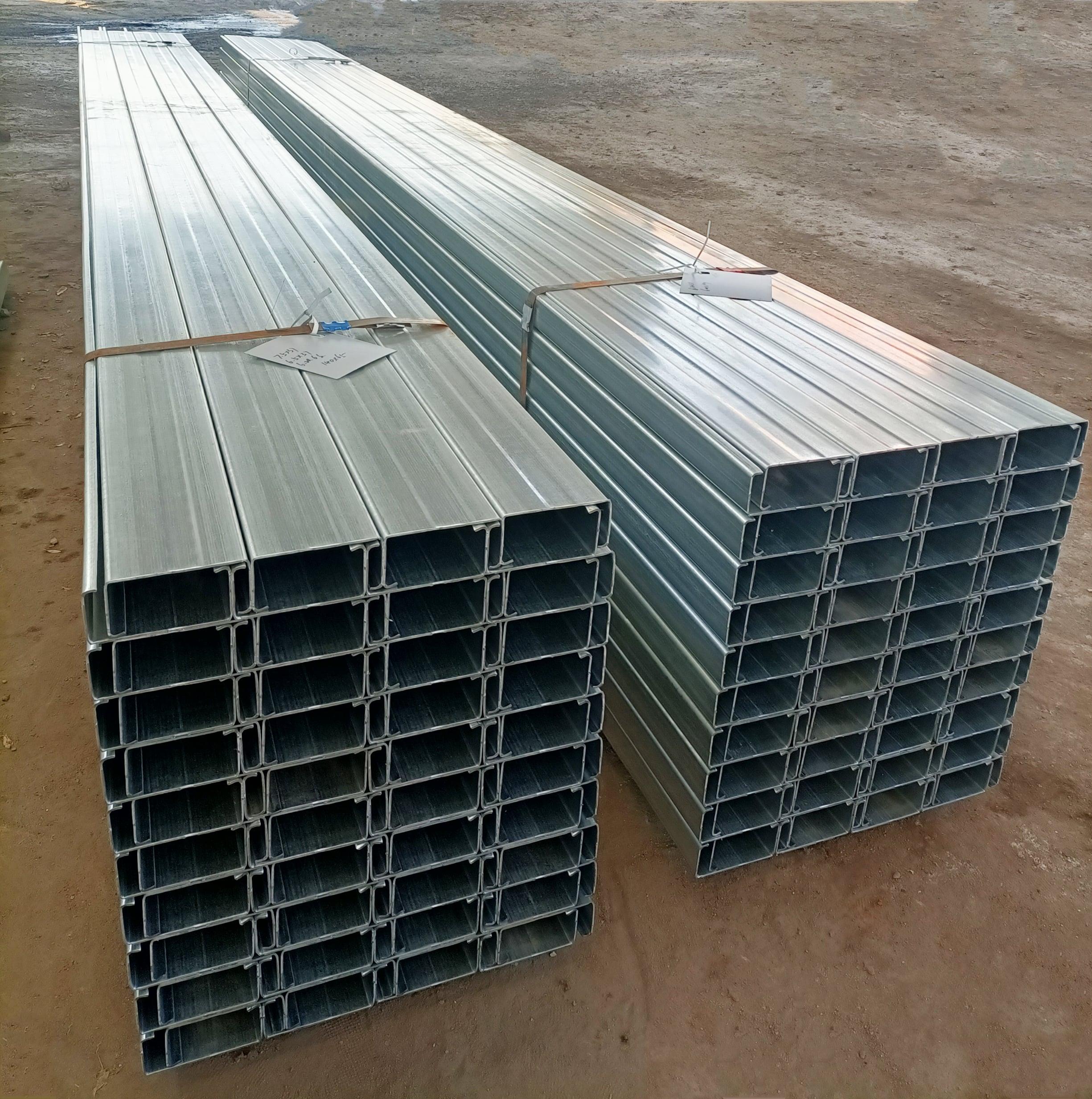
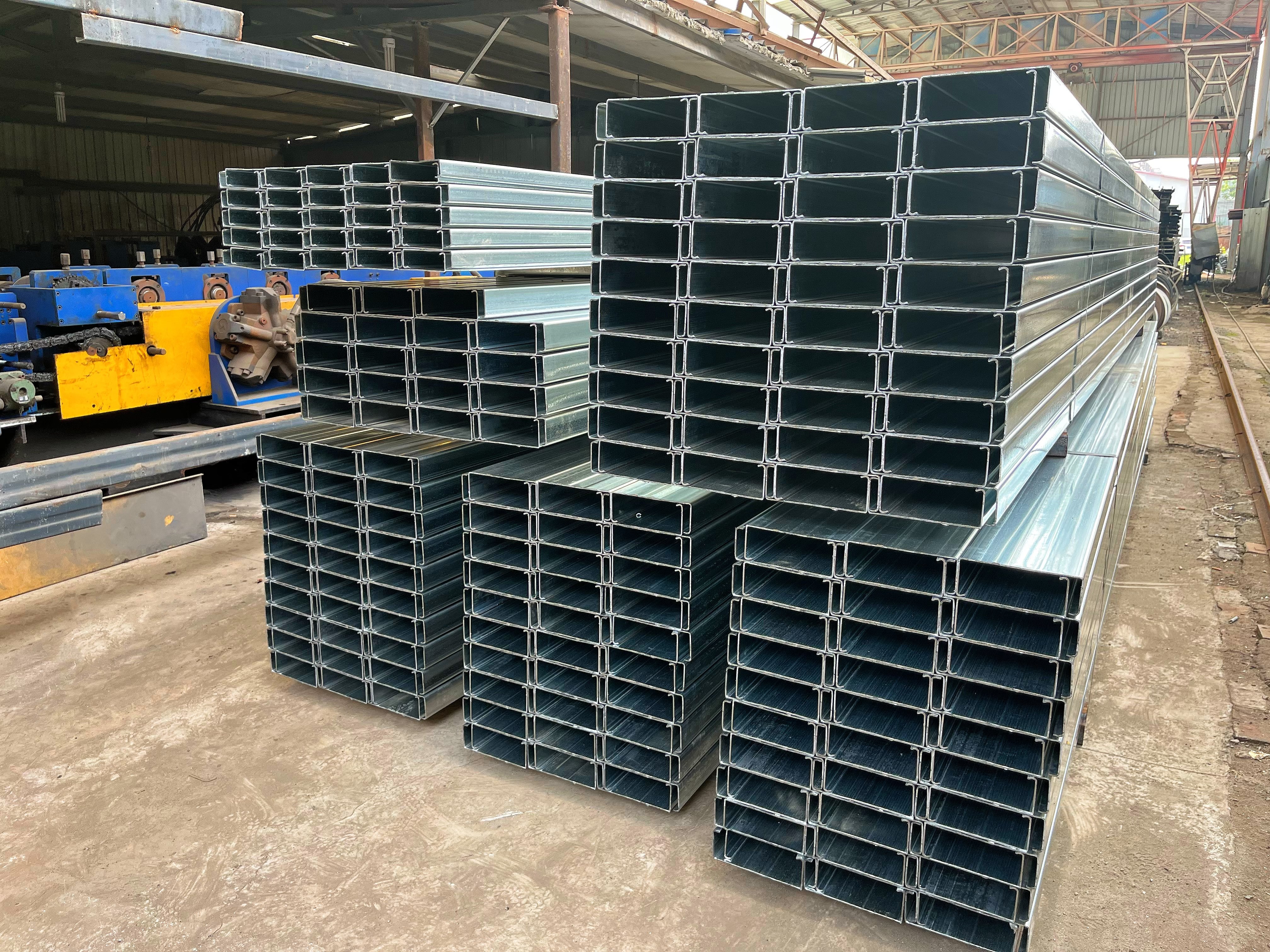
Dimensions: The size and thickness of the purlins should match the project's specifications.  Common dimensions include C and Z sections, with varying heights and flange widths. It's  crucial to work with  an engineer to determine  the right dimensions based  on  load calculations and spacing.

Load Requirements: Assess the anticipated loads on the purlins,  including dead loads (the weight  of the structure itself) and  live loads (additional weight from occupants, equipment, and environmental factors). Ensuring that the purlins can withstand these loads prevents structural  failures.


Customization Options: Depending on the project requirements, custom purlins  may be necessary. Discussing your specific needs with a manufacturer can lead to tailored  solutions that ensure optimal performance.

By carefully considering these factors, buyers can select steel purlins that meet  their project requirements effectively.

Frequently Asked Questions

Our Blog Posts

What Our Partners Say

Where to Find Reliable Suppliers of Steel Purlins in Bulk

Where to Find Reliable Suppliers of Steel Purlins in Bulk

When  sourcing steel purlins, buyers should prepare to provide detailed information  to  facilitate accurate quotations. Here are critical  elements to include:

Project Specifications: Share  architectural  and engineering  drawings that detail  the required dimensions and load specifications. Material Requirements: Specify the preferred material type  (cold-formed or hot-rolled steel) and any coating or treatment needed for corrosion resistance. Quantity: Clearly state the order  quantity, as this can influence  pricing and lead time. Delivery Information: Provide the delivery address and any  specific logistical considerations that  may affect  shipping.

Additionally, buyers should  inquire about the manufacturer's  production capabilities, quality control measures, and lead times.  Understanding these aspects helps ensure  that the selected  supplier can meet project deadlines without compromising  quality.

Understanding the Cost Factors of Steel Purlins for Wholesale Buyers

Understanding the Cost Factors of Steel Purlins for Wholesale Buyers

Contractors play a pivotal role in the installation of steel purlins. Here are best practices to follow:

Pre-Installation Inspection: Before  installation, thoroughly  inspect all purlins for any visible defects or damage. This step ensures that only quality materials are used in the  construction process.

Proper Handling: Use appropriate lifting equipment to move purlins, minimizing the risk  of bending or damage. Ensure that  they are stored in a dry place to prevent  corrosion.

Accurate Installation: Follow the manufacturer’s guidelines  for installation, paying  close attention to spacing and alignment. Incorrect installation can  lead to structural weaknesses.

Quality  Checks During Installation: Continuously monitor  the  installation process to ensure that it meets the specifications outlined  in the project plans. Conduct  regular inspections to catch any issues early.

Documentation: Maintain records of  all materials used, including batch numbers  and certifications. This documentation can be beneficial for future projects and  quality assurance.

By adhering  to these practices, contractors  can enhance the reliability and longevity of the  structures they build.

What Buyers Should Know

What Buyers Should Know

While steel purlins are robust, they can encounter issues during production  or installation. Here are common problems  and their solutions:


Corrosion: Steel  purlins are  susceptible to rust, especially in humid environments. To mitigate this, ensure that the purlins are coated with protective treatments such as galvanization or paint. Regular inspections should be conducted to identify and address any signs of  corrosion early.

Bending or Warping: Improper handling or storage can lead to  bending or warping. To  avoid this, always use proper lifting techniques and  store purlins flat on a stable surface. If bending  occurs, assess whether the purlin can still meet load requirements or if it needs replacement.

Misalignment During Installation: Misalignment  can compromise structural integrity. To prevent this, use  precise measuring tools and ensure that all team members  are  trained in proper installation techniques. Conduct  a dry fit before final installation to confirm  alignment.

Inadequate Load  Capacity: Sometimes, purlins may not meet the required load specifications due to inaccurate calculations. Always consult an engineer to verify load requirements before  finalizing purlin specifications.


By being proactive in identifying and addressing these issues, buyers and  contractors can ensure the long-term performance of their steel purlins.

Applications of Steel Purlins in Construction and Industrial Projects

Steel purlins are versatile components used in various construction applications, including:

Commercial Buildings: Purlins provide essential support for roofs  and  walls in warehouses, retail spaces, and office buildings, ensuring structural  stability while minimizing material usage.

Industrial Facilities: In factories and manufacturing plants, steel purlins support large spans, accommodating  heavy equipment and storage solutions, such as prefabricated structural beams.

Agricultural Structures: Steel purlins are commonly used in agricultural buildings, such as barns and storage facilities, due to  their strength and durability in harsh environments.

Residential Projects: Increasingly, steel  purlins are being utilized in modern  residential designs, offering a contemporary aesthetic and robust structural support.

Understanding the diverse applications of steel  purlins allows buyers  to appreciate their value in  enhancing structural  performance and design flexibility in various projects.

In summary, choosing the  right  steel purlins for sale involves careful  consideration of materials, dimensions,  and  load requirements. By following best  practices and being  aware of potential issues,  contractors and buyers can ensure successful outcomes  in their construction projects.