High-Quality Rockwool Sound Absorbing Panels

application/rockwool-sound-absorbing-panels, application/rockwool-sound-absorbing-panels, 
Inquiry
Inquiry

rockwool sound absorbing panels

Rockwool sound absorbing panels  are  essential materials  used in various industrial  and commercial applications  to  enhance acoustic performance.  As a  B2B buyer, you may be  concerned about the quality, sourcing, and application of these panels. This  article  will help you  navigate the important factors to  consider when evaluating  rockwool sound  absorbing panels, ensuring you make  informed purchasing decisions that  meet  your project  needs.


Why choose Xingyuanxing rockwool sound absorbing panels

Our Products

Evaluating the Quality of Rockwool Sound Absorbing Panels for Your Projects

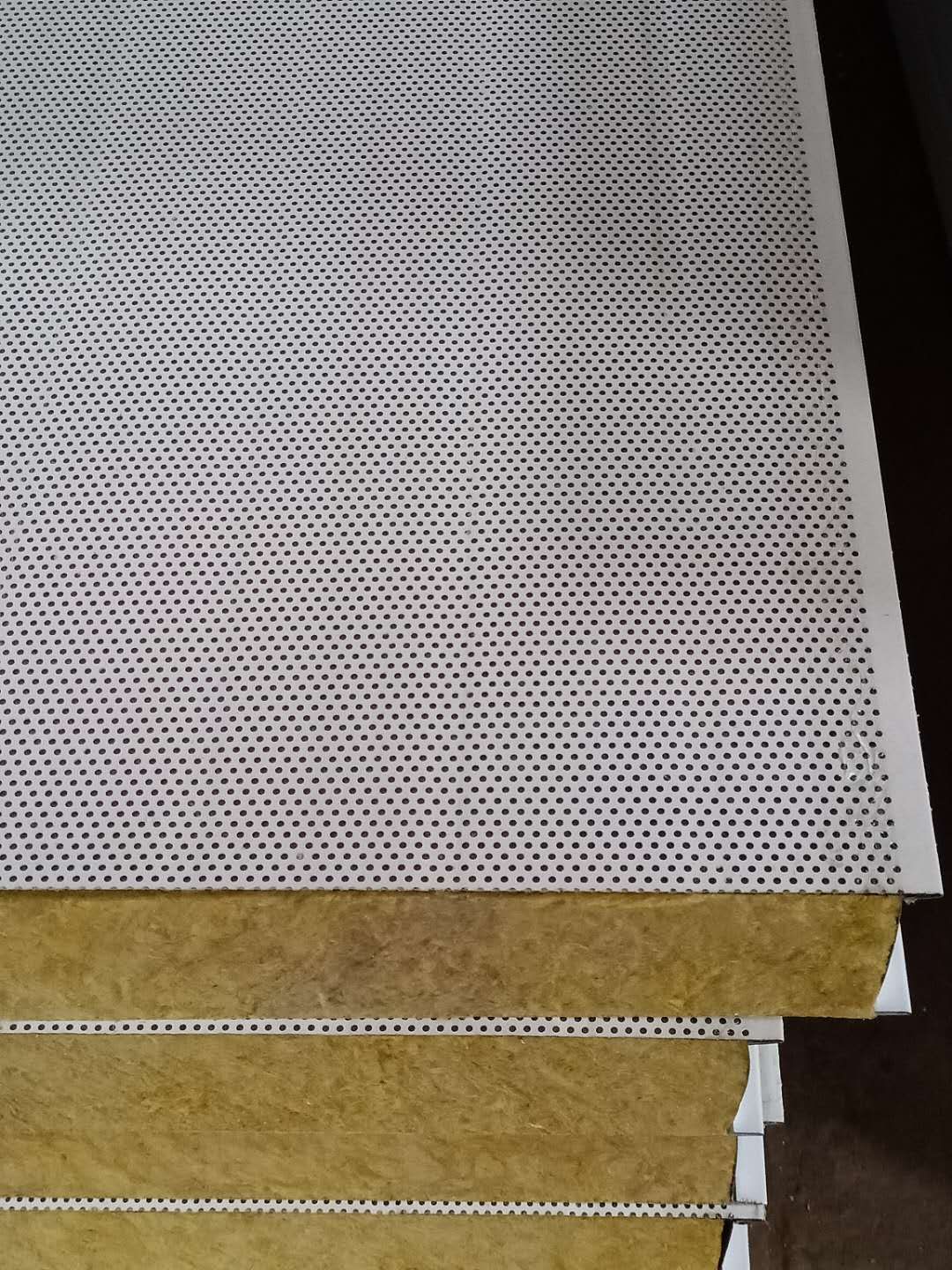
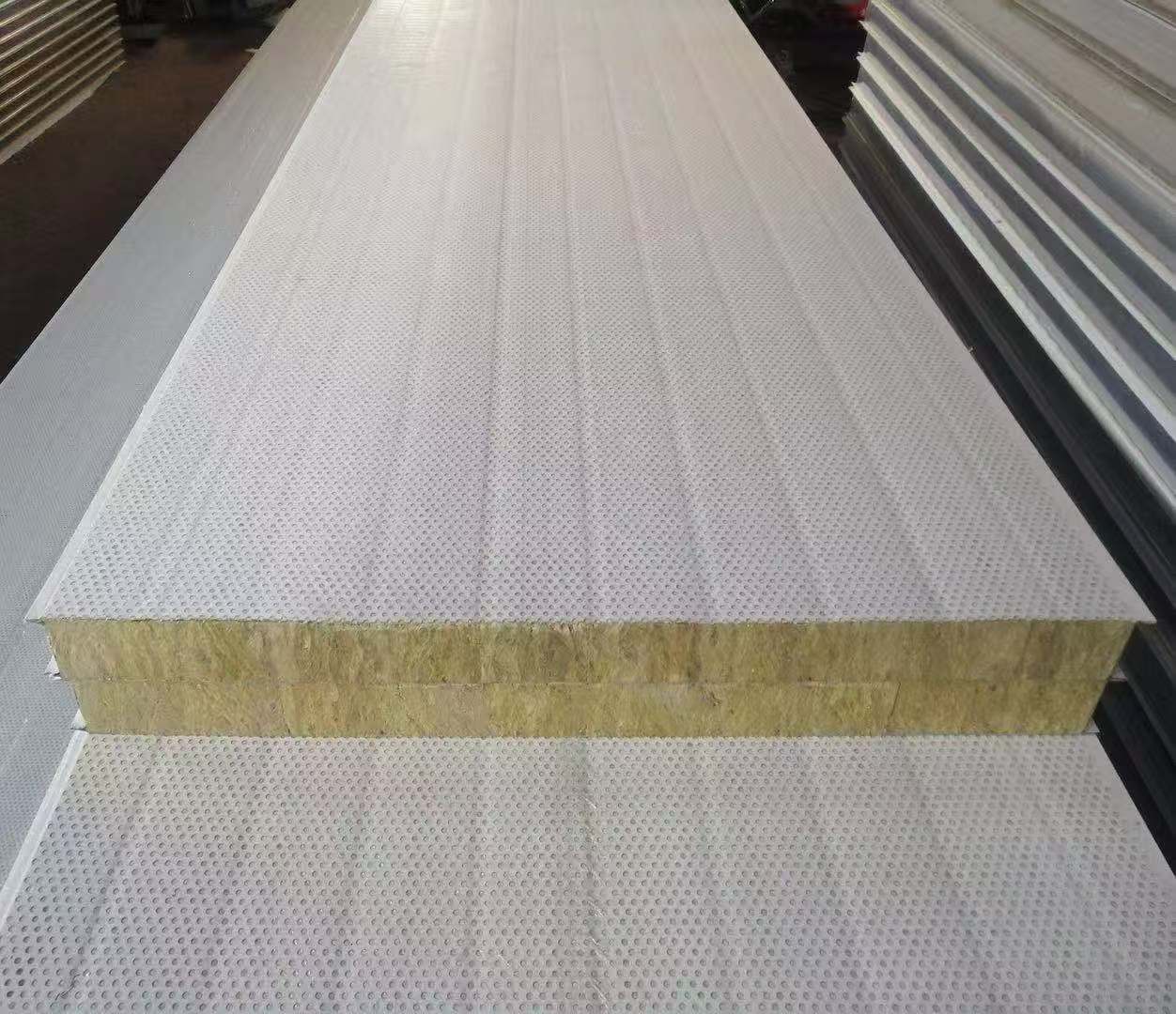
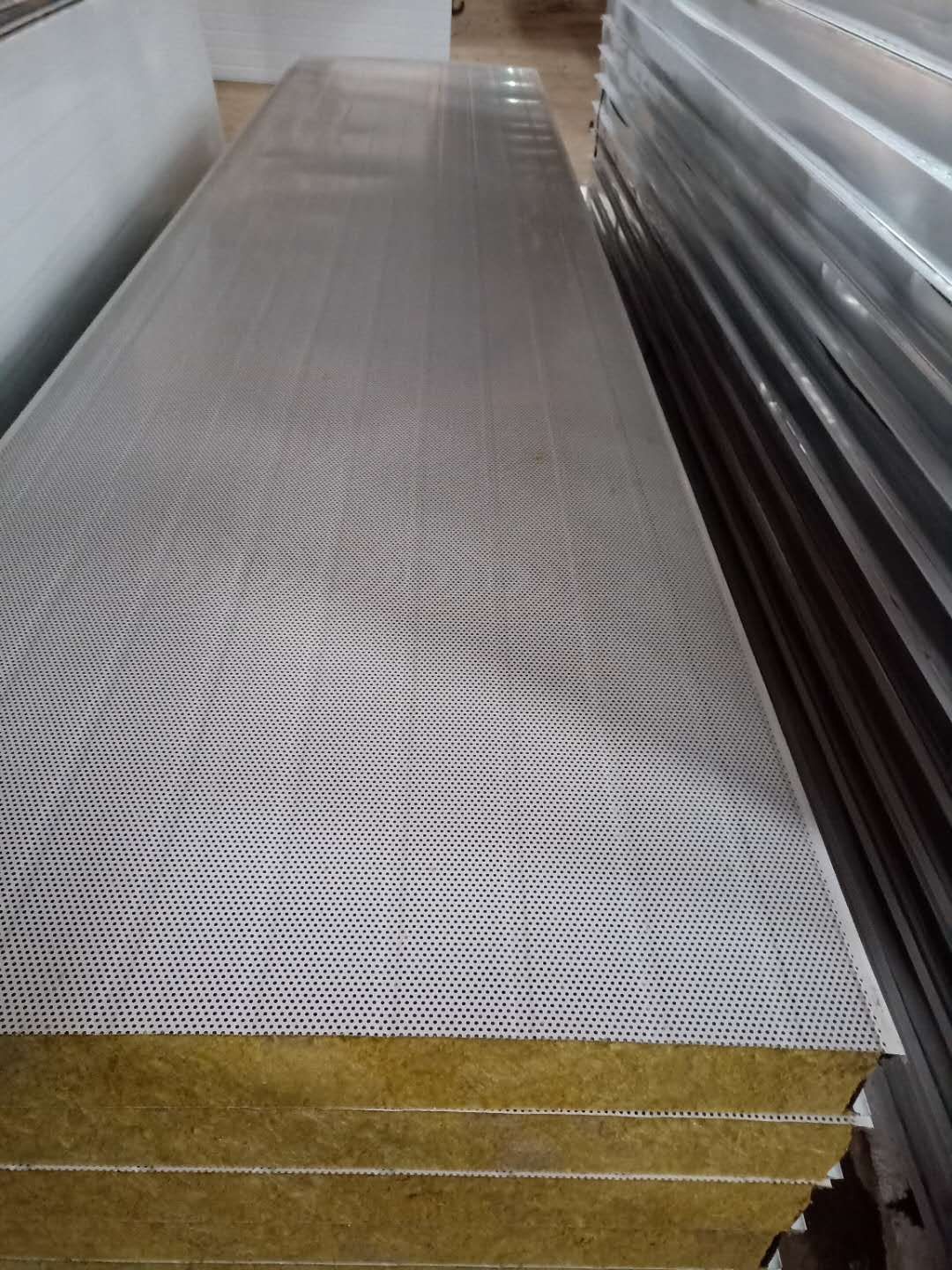
Quality is  paramount when  selecting rockwool sound absorbing panels. Key specifications to examine include density, thickness, and surface finish.

Density: Higher density panels typically offer better sound  absorption. The density impacts the panel's ability  to reduce  sound transmission, making it  crucial for applications requiring significant noise control, such as recording studios or manufacturing facilities. For instance, in a Factory building of steel structure, these panels can play a vital role in noise reduction.

Thickness: The thickness of the panels  affects their sound absorption capabilities. Thicker panels can absorb  lower frequencies better, which is vital  in environments where bass sounds  are prevalent.


Surface Finish: A smooth surface may  enhance aesthetics, while a textured surface can improve sound absorption.  It's essential to  balance aesthetics with functionality based on your project's requirements.

Additionally, consider the manufacturing process and material sourcing. Ensure  that  the  panels are produced  in facilities that adhere to strict quality control measures. Certifications indicating compliance  with industry standards can also provide assurance of product quality.  For example, evaluating the Accessories used in conjunction with the panels may also impact overall effectiveness.


Frequently Asked Questions

Our Blog Posts

What Our Partners Say

Bulk Order Considerations for Rockwool Sound Absorbing Panels

Bulk Order Considerations for Rockwool Sound Absorbing Panels

When planning a bulk order of rockwool sound absorbing panels, several factors come into play. First, evaluate your project specifications, including size, dimensions, and performance requirements.  This will help you determine the exact quantity needed.

Next, consider the minimum  order quantity (MOQ) set by suppliers. Different  manufacturers may have varying  MOQs, which can influence your  purchasing strategy. It’s advisable to negotiate  terms that align with your  project  timelines and budget constraints.

Lead time is another critical consideration.  Understand the typical production and  shipping times from your supplier, especially  if custom sizes  or finishes are required. Planning ahead  can prevent delays that could impact your project schedule.


Lastly, assess the total cost of ownership, which includes  not just  the unit price but also shipping,  handling, and any potential tariffs if importing. This  comprehensive approach  will ensure that you secure the best value  for your investment.

Where to Source High-Quality Rockwool Sound Absorbing Panels Wholesale

Where to Source High-Quality Rockwool Sound Absorbing Panels Wholesale

Finding reliable suppliers for rockwool sound absorbing panels is crucial for maintaining quality and consistency in your projects.  Start by engaging with manufacturers known for their expertise in  sound insulation materials. Tianjin Xingyuanxing Color Steel Structure Co., Ltd.,  with its extensive  experience  in the Beijing-Tianjin-Hebei region,  is an example of a supplier that integrates design, fabrication,  and installation, ensuring  a seamless supply chain.

When sourcing wholesale, look for  suppliers that offer customization options. Tailored  solutions  can address specific project requirements regarding dimensions,  densities, and finishes. Additionally, explore online  platforms  and industry trade shows to connect with potential suppliers and assess their product  offerings  firsthand.

It's wise to request samples before committing to a  bulk order. This allows you to evaluate the quality and performance of the  panels under actual working conditions. Confirming the supplier's quality control processes can also provide peace of mind regarding the consistency  of  future orders.

What You Should Consider

What You Should Consider

Before finalizing your order for rockwool sound absorbing panels, several  considerations should be addressed:

Application Suitability: Ensure the panels are appropriate for your specific application. Different environments, such as commercial buildings, industrial sites, or residential projects, may have unique  acoustic requirements.


Performance Requirements: Assess  the expected sound absorption coefficients for the  panels at various frequencies.  This data  is crucial  for  environments where precise acoustic performance is necessary.

Installation Conditions: Consider  the installation environment. Panels may require specific conditions for optimal performance,  such as temperature and humidity levels.

Maintenance and Durability: Review the maintenance requirements for the panels. Some materials may require regular upkeep  to maintain their acoustic properties and appearance.

Environmental  Impact: Evaluate  the sustainability of the materials used. Sourcing panels made  from recycled materials can enhance  your project's eco-friendliness.

By addressing these  considerations, you can ensure  that the rockwool sound absorbing panels  selected will meet both practical and regulatory standards  for your project.

Applications of Rockwool Sound Absorbing Panels in Various Industries

Rockwool  sound absorbing panels find applications across a diverse range of industries, each with unique acoustic challenges. Here are a few notable  examples:

Construction and Architecture: In commercial and residential buildings, these panels are used to control noise  between rooms, enhance speech intelligibility in offices, and create comfortable  environments in public spaces like theaters and auditoriums.

Manufacturing: Factories often utilize  rockwool  panels to reduce  noise pollution, ensuring a safer and more productive working  environment. Proper sound insulation can also help comply with local noise regulations.

Transportation: In transportation hubs such as airports and train stations,  these panels mitigate the  impact of noise from vehicles and crowds, improving passenger comfort.

Music and Entertainment: Recording studios and concert halls benefit  greatly from sound-absorbing materials, which  are essential for achieving the desired  acoustic quality for sound production and performance.

Healthcare: Hospitals and clinics use sound-absorbing panels to create quiet zones that promote healing and patient comfort, particularly in areas with high foot traffic.

Understanding the specific application needs  can guide you in selecting the right rockwool sound absorbing panels that not only meet performance criteria but also align  with industry standards.


By considering these insights and practical guidelines, you will be  well-equipped to make informed decisions about  rockwool sound absorbing panels that enhance your projects  while ensuring compliance with  quality and performance expectations.