Choosing a Reliable Steel Structure Contractor

application/steel-structure-contractor, application/steel-structure-contractor, 
Inquiry
Inquiry

steel structure contractor

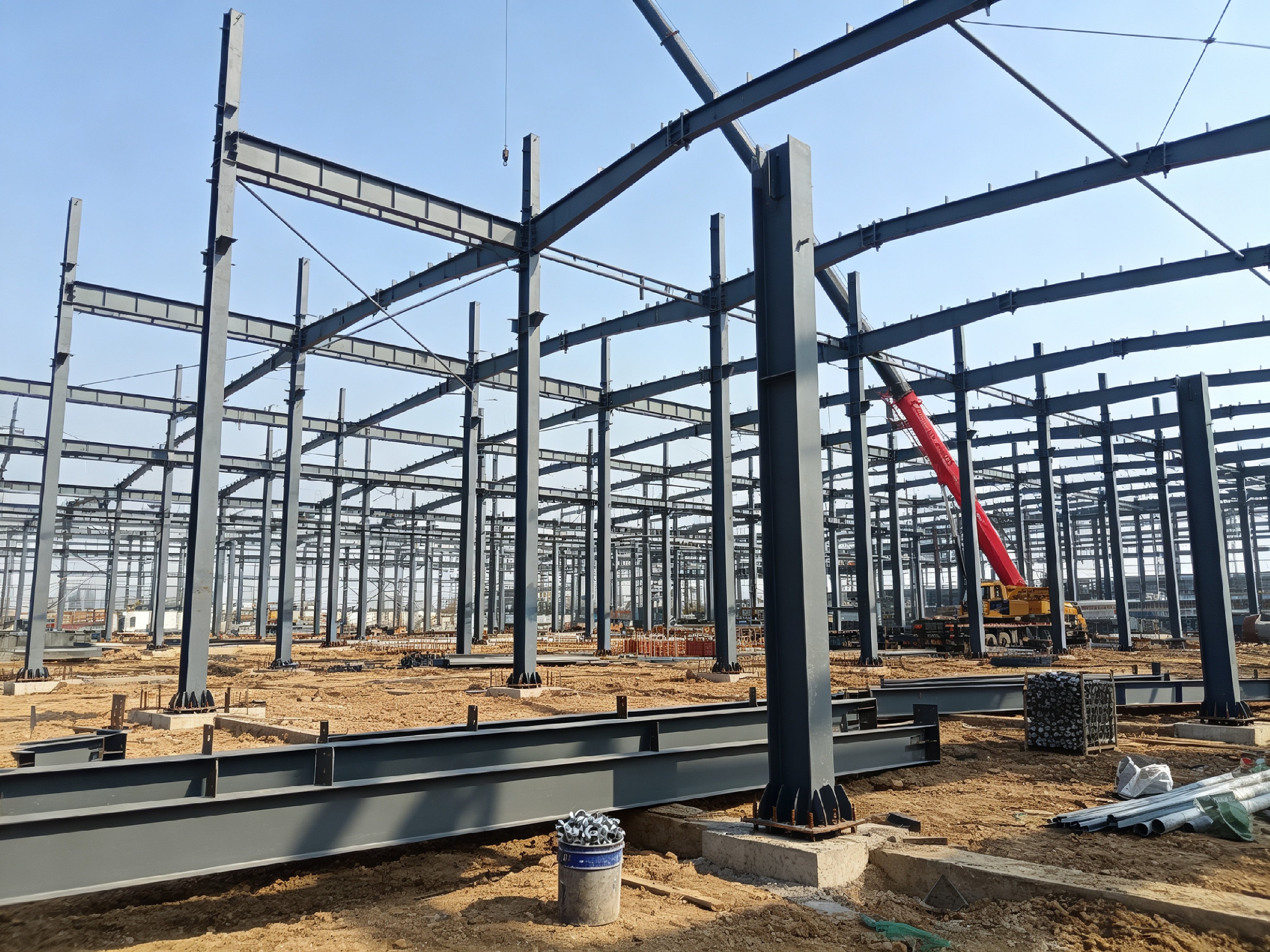
When choosing a steel structure contractor,  it’s  essential to  understand the  complexities of steel structure  engineering,  fabrication,  and installation. The right contractor can significantly impact  the efficiency,  quality, and cost-effectiveness  of your project. Buyers such as purchasing managers, engineers, and  project managers often have  concerns about material specifications,  project  timelines,  and overall costs. This article will  guide you through the key considerations  when  selecting a steel structure contractor,  helping you make informed decisions for your construction needs.


Why choose Xingyuanxing steel structure contractor

Our Products

What to Consider When Selecting a Steel Structure Contractor

When evaluating  a steel  structure contractor, several factors should be at the forefront of your decision-making process:

Experience and Expertise: Look for contractors with a proven track record in steel structure projects. Experience in your  specific industry  or application can significantly enhance project efficiency and outcomes.

Manufacturing Capabilities: Assess the contractor's ability to handle different types  of steel structures. Do they  have the facilities and technology to fabricate custom solutions? Understanding their production capabilities can give you confidence in their ability to meet your needs.


Quality Control  Processes: Inquire about their quality assurance  measures. A reliable contractor should have stringent protocols  in place  to ensure that every aspect of the construction meets industry standards and client specifications.

Project Management: Effective project management is crucial for timely delivery. Evaluate their past projects for adherence  to schedules and budgets.  A contractor that communicates well and provides regular updates  can help mitigate potential issues.

Customization Options: Depending on your project requirements, you may need customized steel structures. Confirm  that  the contractor can  accommodate specific  designs, dimensions, and material  specifications. For instance, you might want to explore options like Galvanized Several-Shaped Steel Profiles 50*70mm For Greenhouse Frames for tailored solutions.


Frequently Asked Questions

Our Blog Posts

What Our Partners Say

Steel Structures vs. Traditional Construction

Steel Structures vs. Traditional Construction

Steel structures offer several advantages over traditional construction methods, making them a popular choice for  modern  building projects.

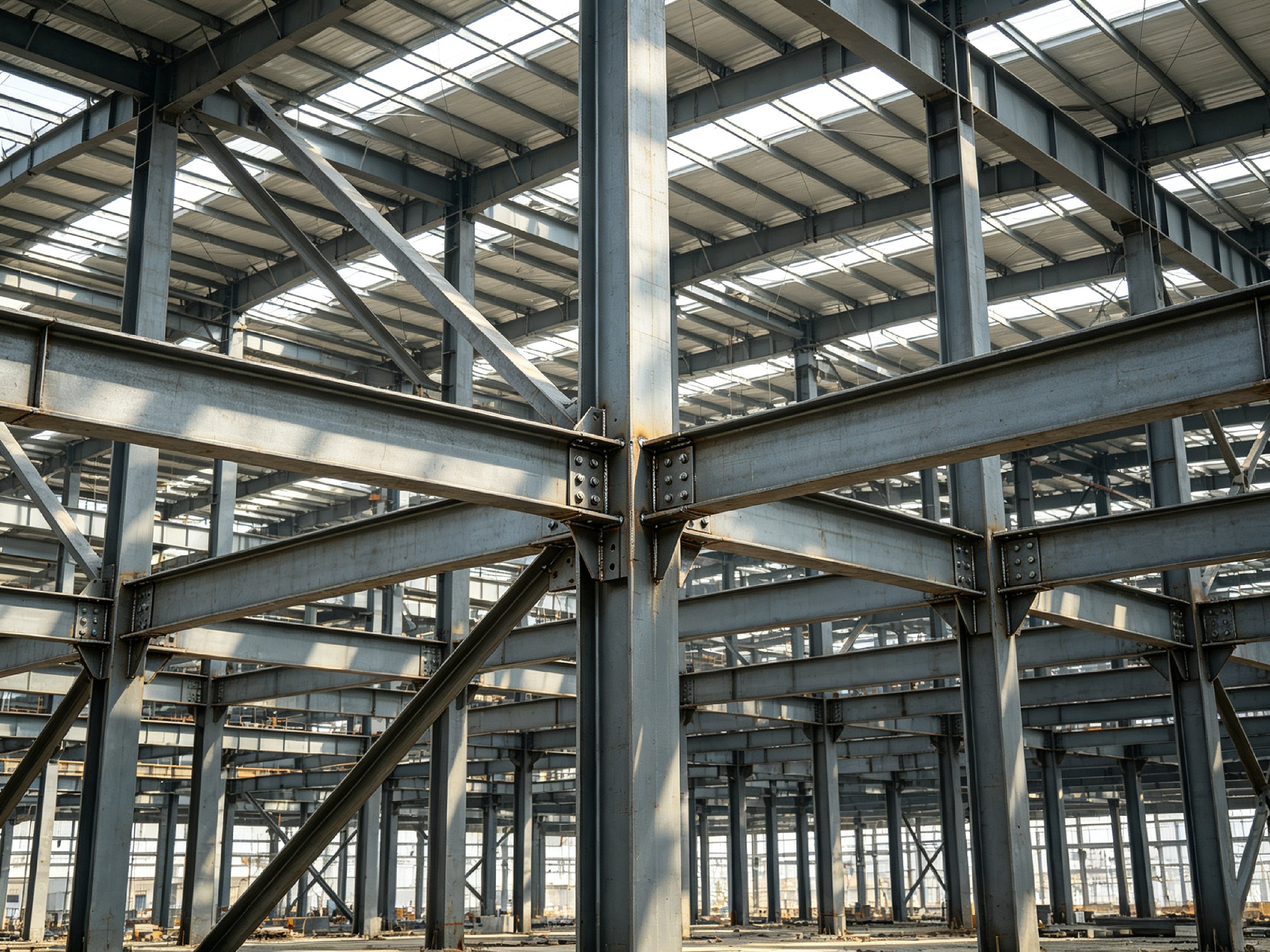
Strength and Durability: Steel's inherent strength allows for larger spans and  more open spaces, reducing the need for  numerous support columns. This flexibility can enhance the functionality of commercial and industrial spaces.

Speed  of Construction: Steel  components can be prefabricated off-site and then quickly  assembled on-site, significantly reducing  construction time compared to traditional methods. This efficiency can lead to cost savings and faster project completion.

Sustainability: Steel is recyclable and can be reused in new  constructions, making it an eco-friendly  choice.  Additionally, modern steel structures can be designed for energy  efficiency, further promoting sustainability.

Cost-Effectiveness: While the initial cost  of steel may be higher than  some  traditional materials, the long-term savings in maintenance and energy  efficiency can offset this initial  investment.

 
Applications of Steel Structures in Modern Construction Projects

Applications of Steel Structures in Modern Construction Projects

Steel structures  are versatile and can be utilized in various construction applications, including:

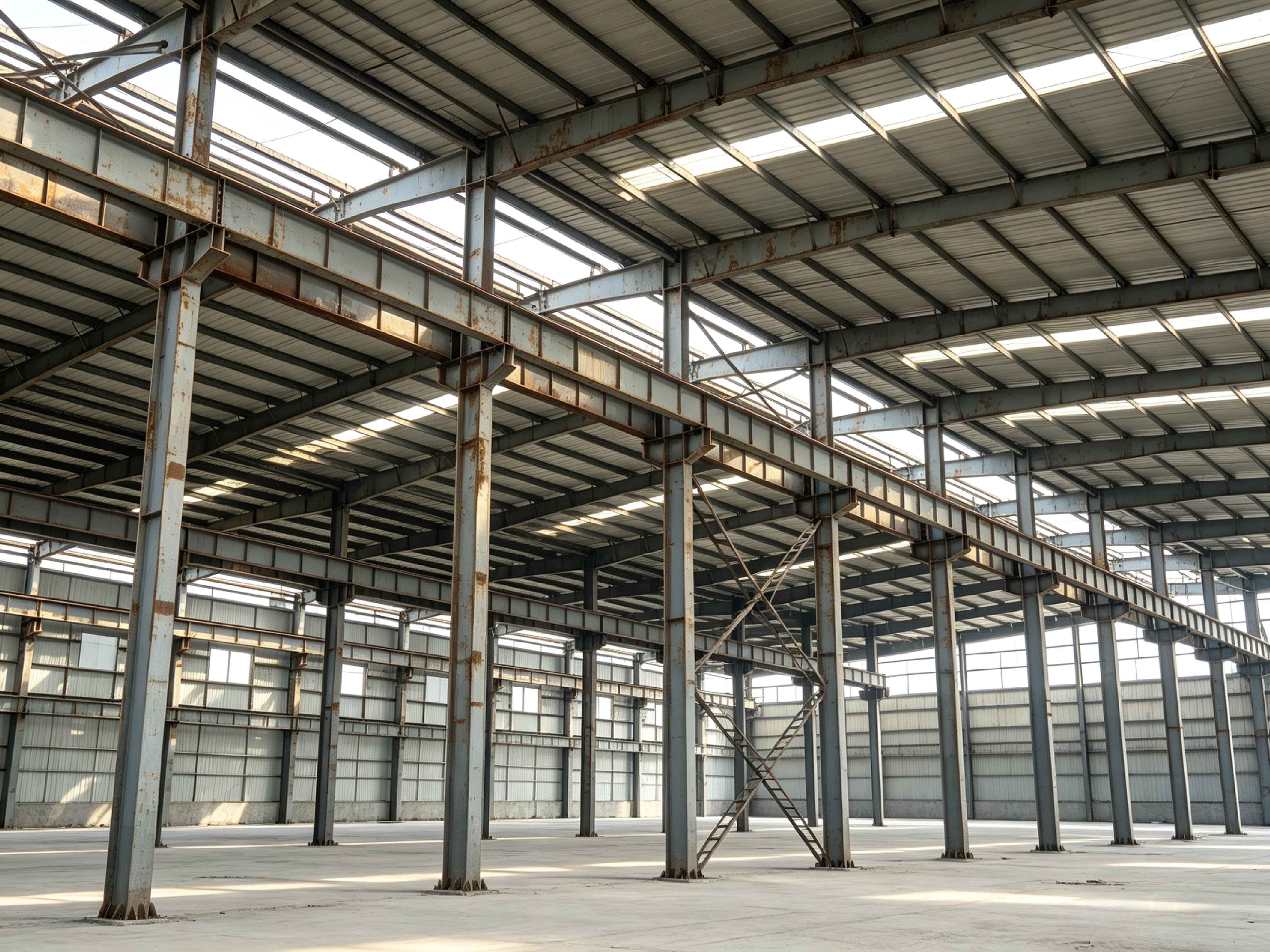
Commercial  Buildings: Steel is commonly used in the construction of office  buildings, retail spaces,  and warehouses due to its strength and design flexibility.

Industrial Facilities: Factories  and  manufacturing plants benefit from  steel  structures that can accommodate heavy machinery and high  operational  loads. For such applications, consider using Hot-Rolled U-Shaped Channel Steel Q235B For Industrial Equipment Base Support.

Infrastructure  Projects: Bridges,  overpasses,  and transportation hubs often employ steel due to its ability  to withstand heavy loads and harsh environmental  conditions.


Residential Buildings: Increasingly, steel is being used in  residential construction for modern homes, particularly in areas prone to earthquakes or severe weather.

Sports Facilities and Auditoriums: The large spans required for  arenas and sports  complexes are efficiently achieved using steel structures, allowing for unobstructed views  and seating arrangements.

Common Problems with Steel Structures and Their Solutions

Common Problems with Steel Structures and Their Solutions

While steel structures  offer numerous benefits, there are common challenges that can  arise during their construction and use:

Corrosion: Steel is susceptible to  rust and corrosion if not properly treated. Ensure  that your contractor uses  appropriate protective coatings  and materials designed for your specific environmental conditions.


Thermal Expansion: Steel  expands and  contracts with temperature changes, which can  lead to structural issues if not accounted for  in the design. Discuss thermal  expansion considerations with your contractor  during the design phase.

Welding Issues: Poorly executed welding can  compromise the integrity of steel structures.  Ensure your contractor employs certified welders and follows industry standards  for welding practices.

Design Limitations: While steel structures are flexible,  they still have design limitations based on load requirements and local building codes. Collaborate  closely with your contractor to  ensure compliance with  all regulations and optimal design.

How to Make Informed Decisions When Sourcing Steel Structures

When  sourcing  steel structures, it's essential to gather comprehensive information to  make informed decisions:

Request Detailed Quotations: When reaching out for quotes, provide potential contractors with thorough  specifications, including project  size, required materials, and design preferences. This will help ensure  accurate pricing and lead times.

Evaluate Samples: Before  committing to a contractor, request  samples of materials  and components.  Assessing the quality of these samples can provide insight into the contractor's standards and capabilities.

Check References: Speak with past clients about their experiences. Inquire about the contractor’s reliability, quality of work, and ability to meet deadlines.

Review Certifications: Ensure  that the contractor holds  relevant industry certifications that demonstrate their commitment to quality and compliance with  safety standards.

Consider Lead Times: Discuss lead times for production and delivery upfront. Understanding these timelines will help  you plan your  project schedule effectively.

By considering these factors and conducting thorough research, you can select a steel structure  contractor that aligns with your project's  needs, ensuring successful delivery and  long-term  performance.