Key Features of Prefabricated Steel Structures

application/prefabricated-steel-structures, application/prefabricated-steel-structures, 
Inquiry
Inquiry

prefabricated steel structures

Prefabricated steel  structures are engineered  solutions designed to optimize construction processes, offering  a blend  of durability, efficiency, and versatility. As a B2B buyer, your primary  concerns likely  revolve around product specifications, material  quality,  and the overall cost-effectiveness of  such  structures.  This article  aims to  address  these concerns while providing insights into the key features,  common  issues, and various applications of  prefabricated steel  structures, enabling you to make  informed purchasing  decisions.

Why choose Xingyuanxing prefabricated steel structures

Our Products

Key Features of Steel Structures

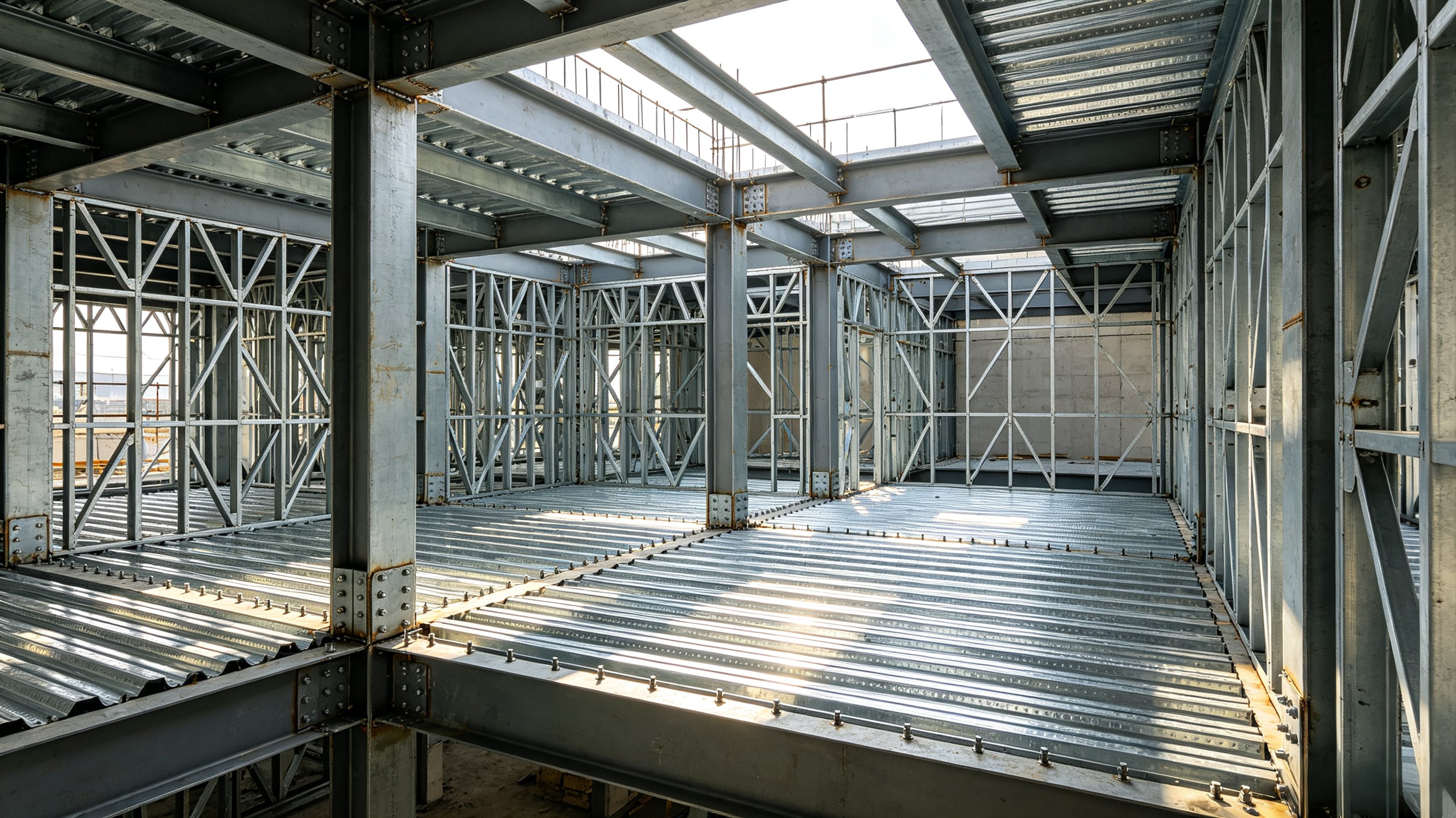
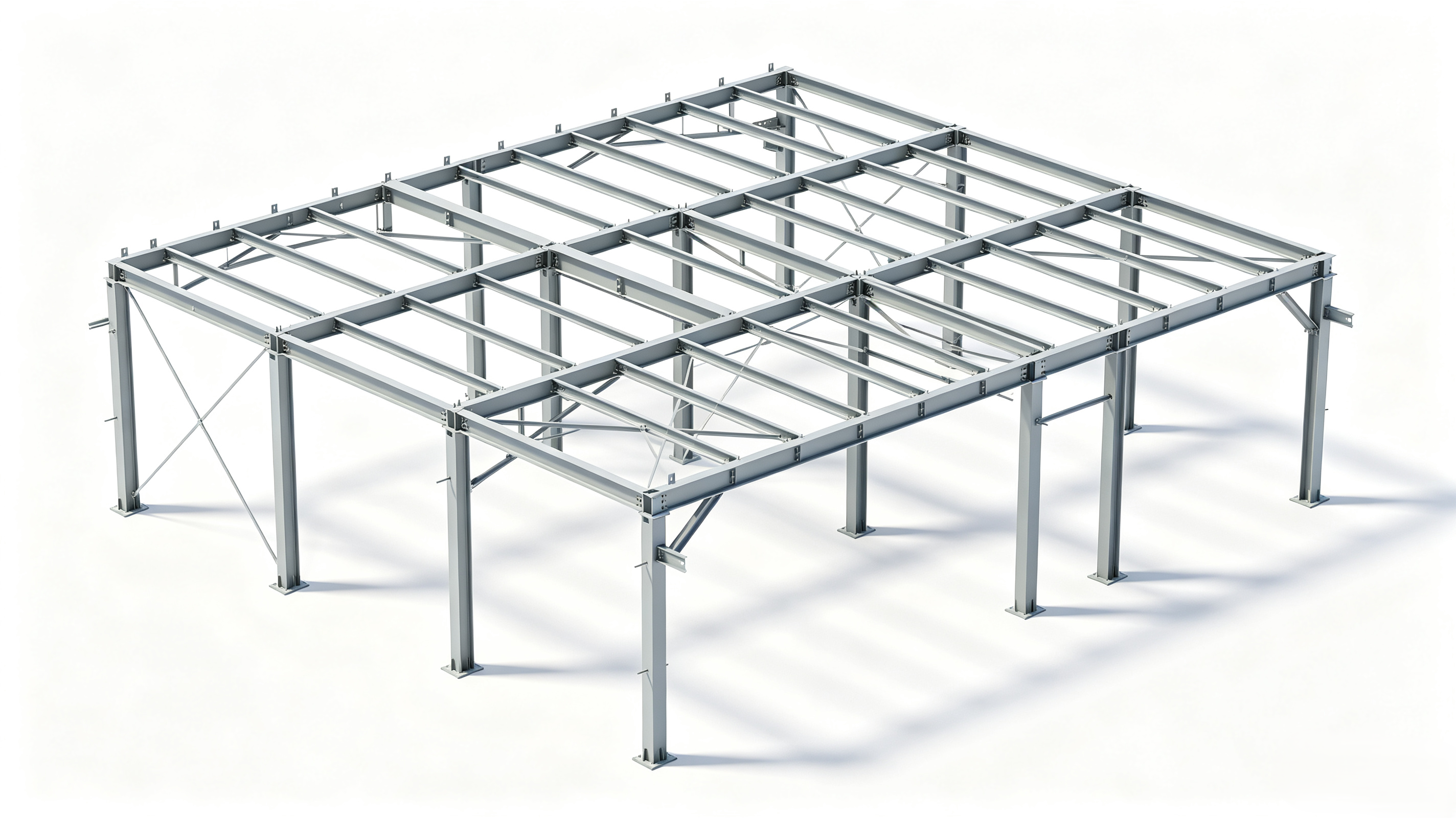
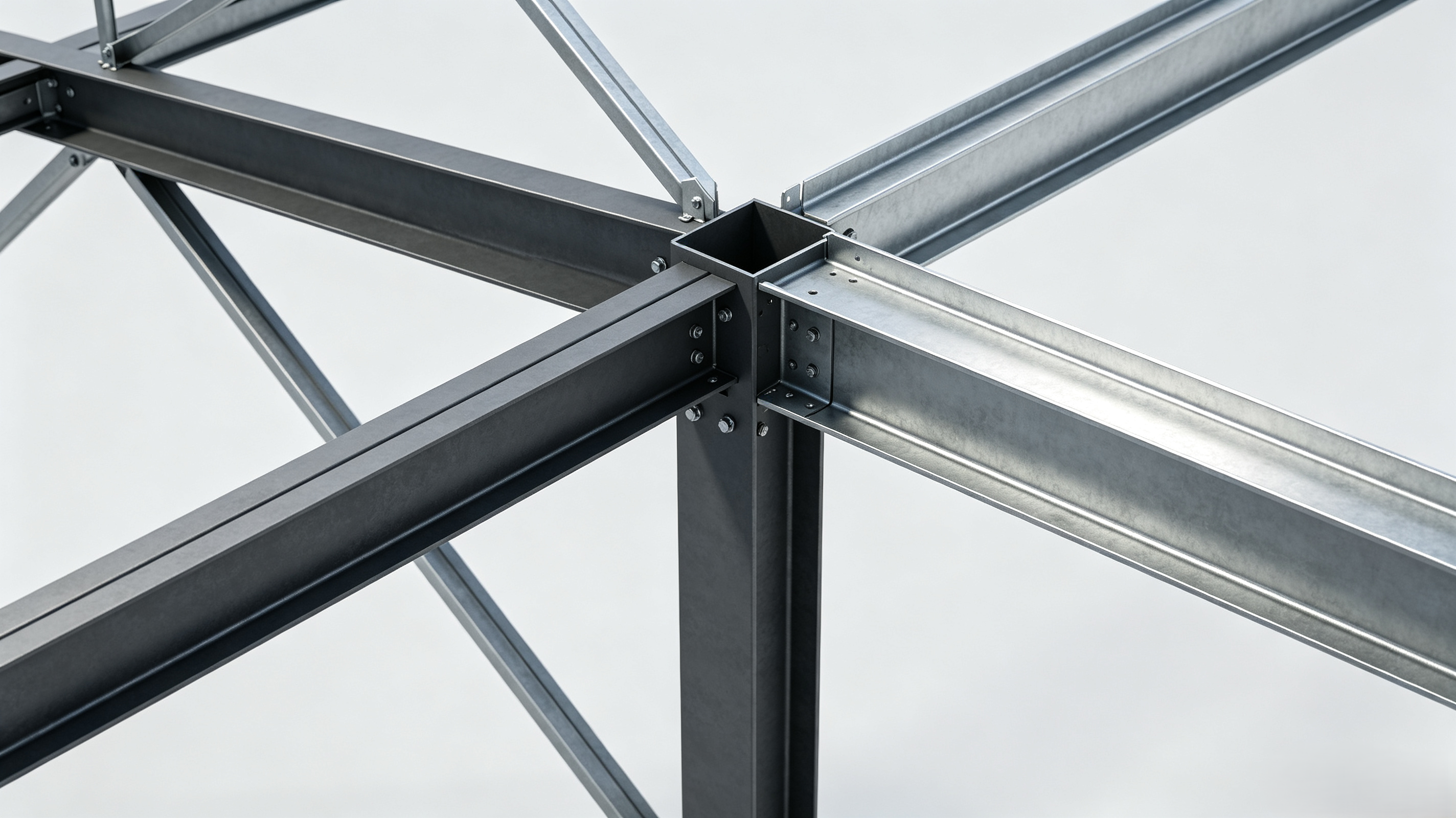
Prefabricated steel structures are renowned for their strength and  flexibility. Key features include:

Durability:  Steel structures are resistant to  environmental factors such as corrosion, extreme temperatures, and pests, ensuring  longevity  and reduced maintenance costs.

Design  Versatility: Steel can be fabricated into various shapes and sizes, allowing for customized designs that meet specific project requirements. This adaptability is vital for diverse industrial applications.

Quick  Assembly: Prefabricated components are manufactured off-site, which  significantly reduces  on-site construction time. This efficiency translates to  lower labor costs and  minimized project delays.

Cost-Effectiveness: While the initial investment may be higher than traditional materials, the  long-term savings associated with maintenance, energy efficiency, and durability make steel  a cost-effective choice.

Sustainability:  Steel is recyclable, making it an environmentally friendly option. Many manufacturers, including Tianjin  Xingyuanxing  Color Steel  Structure Co., Ltd., prioritize sustainable practices in steel production. For instance, using Galvanized Several-Shaped Steel Profiles 50*70mm For Greenhouse Frames can enhance the sustainability of your projects.

Understanding  these features helps buyers appreciate the  advantages of  prefabricated steel structures, especially in large-scale projects where time and budget constraints are critical.

Frequently Asked Questions

Our Blog Posts

What Our Partners Say

Common Problems with Prefabricated Steel Structures and Solutions

Common Problems with Prefabricated Steel Structures and Solutions

While  prefabricated steel structures  offer numerous advantages, they can present specific challenges. Common  problems include:

Material Quality Variability: Inconsistent steel quality can lead to structural  deficiencies. To mitigate  this, buyers  should ensure that  their  supplier  adheres to strict quality control processes and relevant  certifications.

Design Flaws: Miscalculations in design can result in improper load distribution. Engaging with experienced engineers during the design phase can help  identify potential issues before fabrication.

Installation Challenges: Incorrect  installation can compromise structural integrity.  It's advisable for buyers to work  closely with suppliers who offer installation services or provide comprehensive guidelines for assembly.

Weather-Related Delays: Unforeseen weather conditions can hinder  installation schedules. Planning for contingencies and maintaining communication  with suppliers can help navigate these  delays.

By anticipating these common  issues and implementing effective solutions, buyers can ensure a smoother procurement and installation process.

Versatile Uses of Prefabricated Steel Structures in Industry

Versatile Uses of Prefabricated Steel Structures in Industry

Prefabricated steel structures find applications across various industries due  to  their adaptability  and  strength. Some notable  uses include:

Industrial Warehouses: The ability to span large areas without internal columns makes steel an  ideal choice for warehouses, maximizing storage space and  operational efficiency.

Commercial Buildings: Many businesses  opt for prefabricated steel in constructing retail spaces, offices, and showrooms due  to its aesthetic appeal and durability.

Infrastructure Projects: Bridges, tunnels, and other critical infrastructure  often utilize steel for its load-bearing capacity and resilience against environmental forces.

Agricultural Buildings: Steel  structures are increasingly used for barns,  storage facilities, and greenhouses,  providing a reliable solution for  the agricultural  sector. Using Corrosion-Resistant Hot-Dip Galvanized Round Tube Q235B For Greenhouse Bracing can further enhance the durability of agricultural structures.

Emergency Shelters: Steel's quick assembly capabilities make it suitable for temporary structures in disaster  relief efforts.

Understanding  these applications allows buyers to recognize the broad potential of prefabricated steel structures in meeting  their  specific needs.

What to Look For

What to Look For

When evaluating prefabricated steel structures, several key factors should be considered:

Material  Specifications: Confirm the steel grade and thickness, as these factors impact strength and durability. Buyers should request detailed specifications from  suppliers.

Customization Options: Assess  the  supplier's ability to customize designs  based on project requirements, including dimensions, load capacities, and surface treatments.

Quality Assurance Processes: Inquire about the  manufacturer's  quality control measures, including  third-party certifications and  testing protocols.

Lead Times and  Delivery: Understand  the  expected lead times for production and delivery, especially if the  project schedule is tight.

Post-Installation Support: Determine what support the supplier offers after installation, such as maintenance  services or warranty terms.

By  focusing on these criteria, buyers can ensure  that they  select a supplier capable  of meeting  their specific needs.

Why Choose Steel for Prefabricated Structures

Choosing steel for prefabricated  structures  offers several compelling advantages:

Strength-to-Weight Ratio: Steel provides exceptional  strength without the added weight, allowing for lighter structures that reduce foundation costs.

Fire  Resistance: Steel is inherently fire-resistant, providing an added layer of safety for  commercial and industrial applications.

Energy  Efficiency:  Steel structures  can be designed to  meet energy efficiency standards,  reducing operational costs over  time.

Minimal Maintenance: The durability of steel minimizes the need  for frequent  repairs or  replacements, leading to  lower long-term costs.

Rapid Construction: The prefabrication process allows for quicker project completion, enabling businesses to start operations sooner.

Overall, the choice of  steel for prefabricated structures is driven by its performance, cost-effectiveness, and versatility, making it a preferred material for many industries.

Understanding the features, potential challenges, versatile applications, and key considerations for prefabricated  steel structures equips B2B buyers to make informed purchasing decisions. Whether you're managing a  large construction project or  seeking reliable building solutions, prefabricated steel structures present a compelling option that meets both performance  and budgetary needs.