Essential Guide to Metal Frame House Specifications

application/metal-frame-house, application/metal-frame-house, 
Inquiry
Inquiry

metal frame house

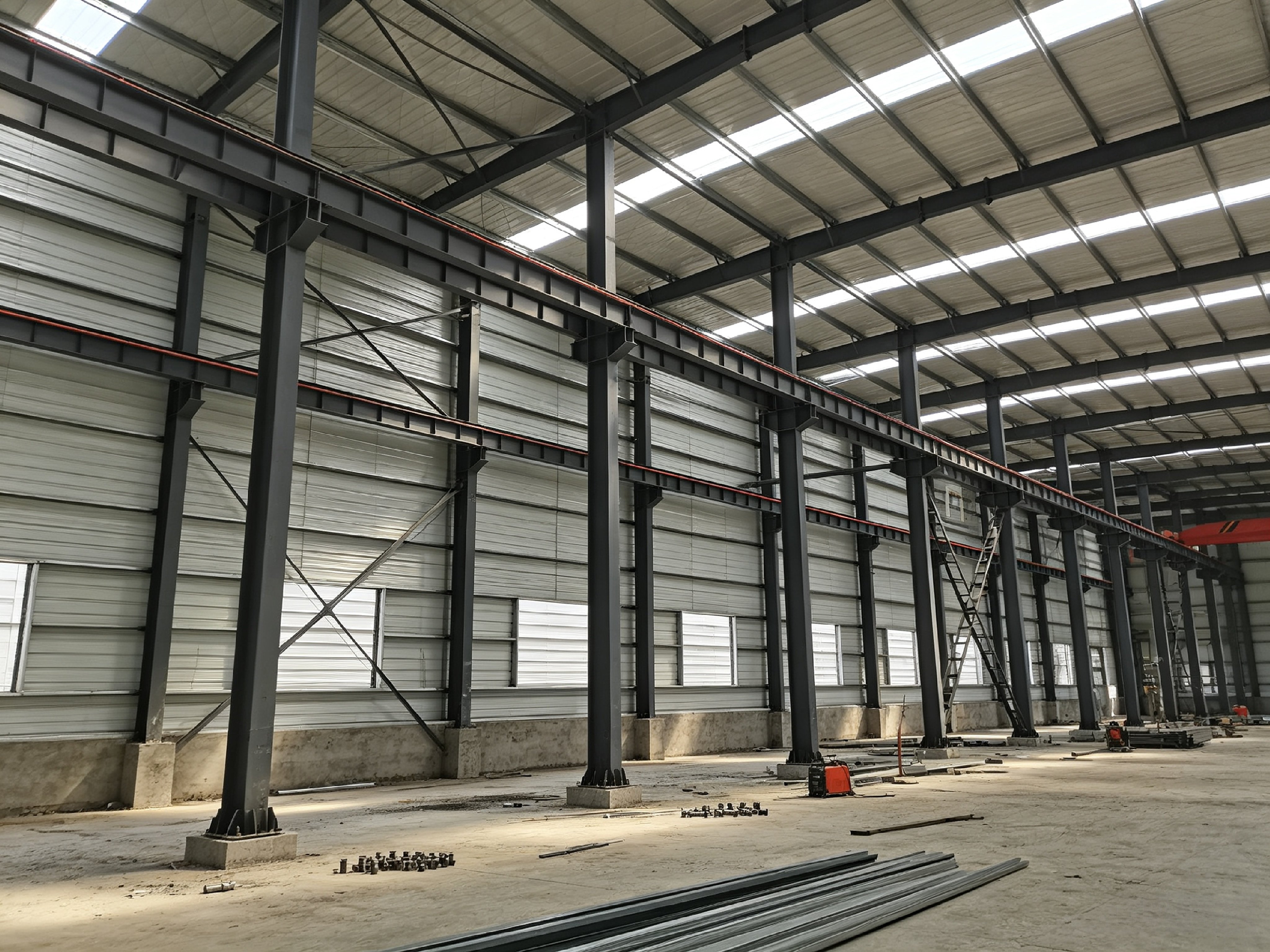
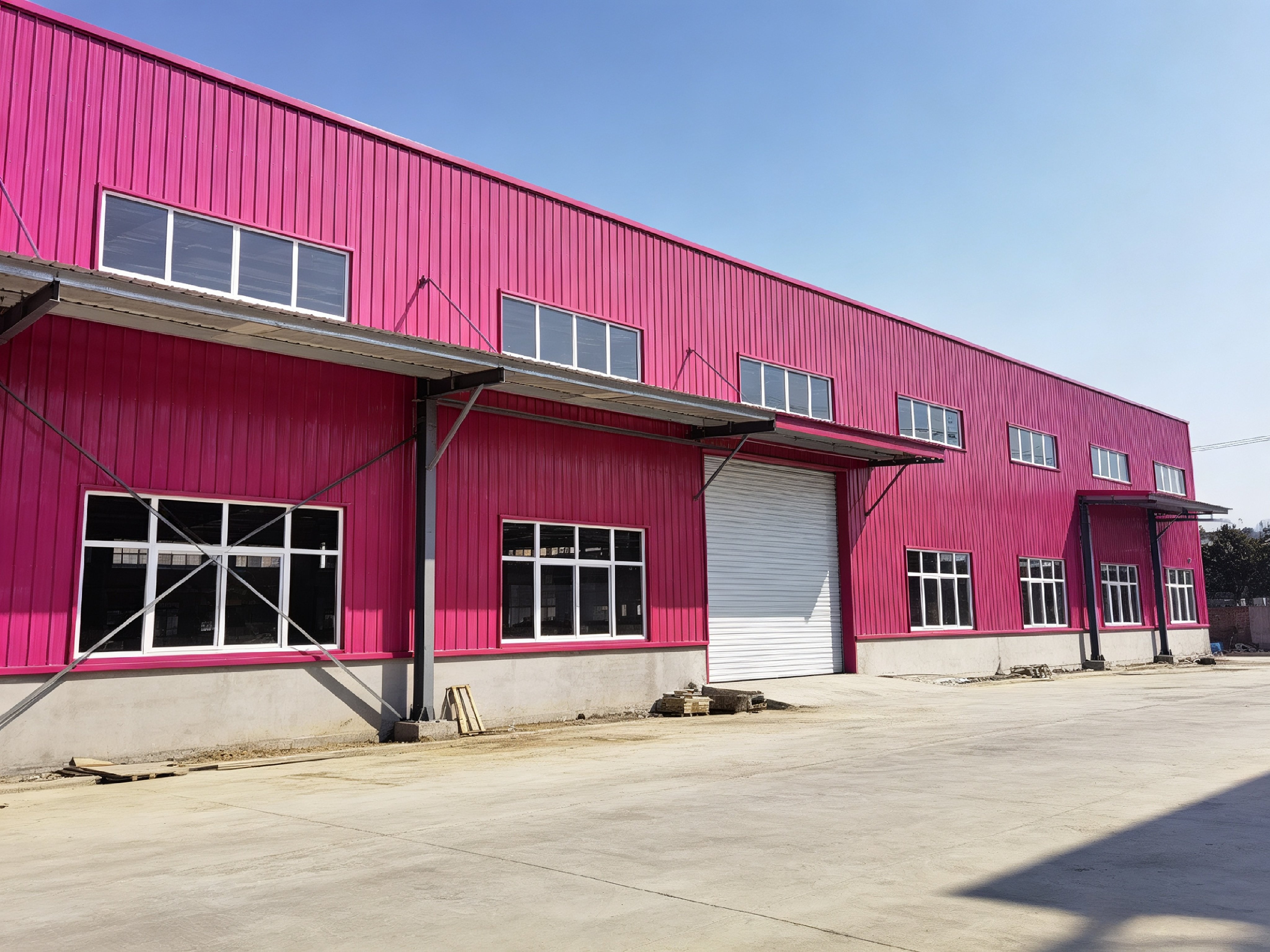
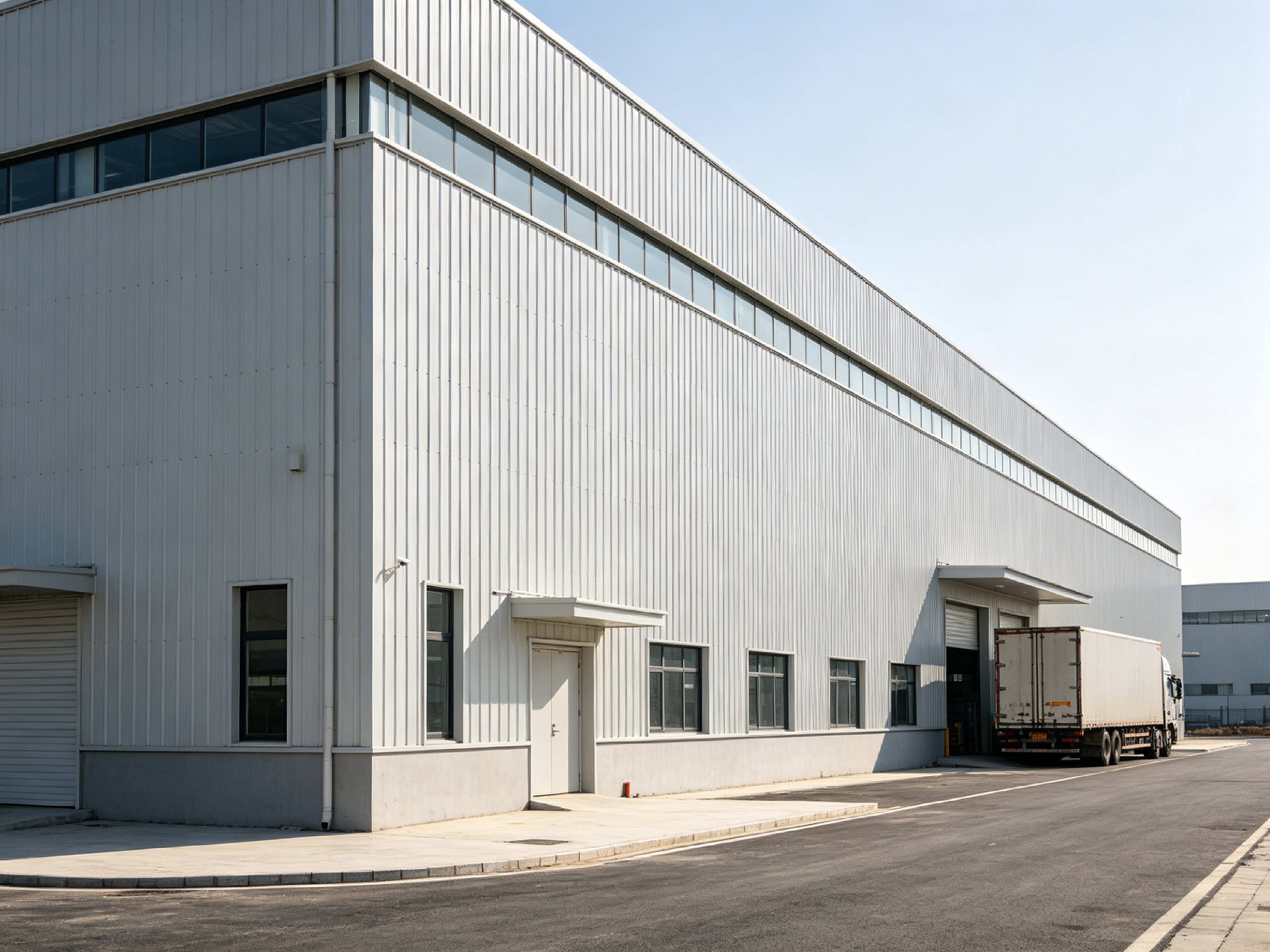
Metal frame houses are increasingly  gaining traction in the construction industry due to their durability, cost-effectiveness, and quick  assembly. For  businesses  looking to invest in these  structures, understanding  the specifications and sourcing options is crucial. This  article  will  guide  purchasing  managers, engineers, and project managers through  the key considerations for acquiring  metal  frame  houses, including essential specifications, cost factors,  and common  challenges  associated  with  these products.

Why choose Xingyuanxing metal frame house

Our Products

Understanding Metal Frame House Specifications for Wholesale Buyers

When purchasing metal  frame houses, it's essential to understand the key specifications that influence quality and performance.  Typically, these specifications include:

Material  Composition: Metal frame houses are primarily constructed from steel or aluminum, each offering unique benefits. Steel provides  greater strength  and load-bearing capabilities, making it suitable for larger structures, while aluminum is  lighter and more resistant to corrosion.

Dimensions and Load Capacity: Buyers must evaluate the  dimensions of the metal  frames, including height, width,  and length, as well as the  load capacity. This is critical for ensuring the structure can support the intended use, whether  residential or commercial. Additionally, considering the Secondary steel structure can provide insights into load-bearing capabilities.

Insulation and Energy Efficiency: Given that metal conducts heat, insulation is a vital consideration. Buyers should confirm the insulation materials used to ensure  energy efficiency and compliance with local building codes.

Surface Treatment: The  surface treatment, such as galvanization or powder  coating, enhances durability and resistance to  environmental factors. This  is particularly  important for structures exposed to  harsh weather conditions.

Understanding these specifications helps buyers assess the  suitability of a metal frame house for their specific application and ensures compliance with relevant building regulations.

Frequently Asked Questions

Our Blog Posts

What Our Partners Say

Sourcing Metal Frame Houses for Bulk Orders

Sourcing Metal Frame Houses for Bulk Orders

Sourcing metal frame houses for bulk orders involves a comprehensive understanding of the supply chain and the capabilities  of potential  suppliers.  When sourcing, consider the following:

Manufacturing Capabilities: Evaluate  suppliers like Tianjin Xingyuanxing Color Steel Structure Co., Ltd., which  integrates design, fabrication, and installation. This ensures consistency in quality and performance across the entire project.

Customization Options: Many  suppliers  offer customization based on project requirements, including specific dimensions, load  capacities, and design features. Clearly communicating your needs  can help suppliers provide tailored solutions, especially when considering the Factory building of steel structure.

Minimum Order Quantities (MOQ): Understand  the  MOQ policies  of suppliers  to ensure that your bulk order meets their requirements. This can impact inventory management and overall project costs.

Lead Times: Confirm lead  times for production and delivery to  align with  your project schedule. Manufacturers  with efficient production processes can significantly reduce downtime.

Establishing  a strong relationship  with your supplier can facilitate smoother transactions and better support throughout the project lifecycle.

Cost Factors to Consider When Purchasing Metal Frame Houses

Cost Factors to Consider When Purchasing Metal Frame Houses

The cost of metal frame houses  can vary  significantly based on  several factors. Buyers should consider:

Material Costs: The  choice between steel and aluminum affects overall costs. Steel frames may have a higher initial cost but  offer better longevity, while aluminum can be more cost-effective for smaller  applications.

Design Complexity: Custom designs or intricate structural requirements  can increase manufacturing costs. Simplifying design  specifications can help keep expenses in check without sacrificing functionality.

Transportation and Assembly Costs: Depending on  the location of the project, transportation costs can add to the overall budget.  Additionally, consider the  costs associated with assembly, including labor and any necessary equipment.

Quality Assurance and  Inspection: Investing  in quality assurance processes can  prevent costly issues  during or after installation. This includes verifying that  the frames meet all structural and safety standards.

By understanding  these cost factors,  purchasing managers can better estimate their budgets and choose solutions that align with their  financial  goals.

Common Problems with Metal Frame Houses and Practical Solutions

Common Problems with Metal Frame Houses and Practical Solutions

While metal frame houses offer numerous advantages, they are not without challenges.  Common issues include:

Thermal  Bridging:  Metal frames can create thermal bridges, leading to energy inefficiencies. To mitigate this, ensure  adequate insulation is  incorporated into  the design to minimize  heat loss.

Corrosion: Depending on environmental conditions, metal  frames may be susceptible  to corrosion. Implementing protective coatings and selecting suitable materials for the specific application can enhance durability.

Structural Integrity During Assembly: If  not assembled correctly, metal frame  structures can face  stability issues. It’s crucial to follow  precise assembly guidelines and employ skilled labor to ensure proper  installation.

Design Adaptability:  Changes in  design  during the  project can create complications. Establishing clear communication channels and having a flexible supplier can help manage changes effectively, including considerations for the Wall system.

Addressing these common problems  proactively can help maintain project timelines and budget, ensuring a successful outcome.

Comparing Metal Frame House Options for Your Contracting Needs

When selecting a metal frame  house, it’s vital to compare options based on specific contracting needs. Key considerations include:

Intended Use: Determine the primary function of the structure—residential, commercial, or industrial. This decision will guide your specifications and  design choices.

Environmental  Considerations: Assess the  environmental conditions where the structure  will be located. Factors such as wind loads, snow  loads, and seismic activity should influence your  choice of materials and design.

Regulatory Compliance: Familiarize  yourself with local building codes and regulations to ensure that your chosen metal frame house meets all legal requirements. This will help avoid potential delays or  fines.

Supplier Reputation: Research the reputation of potential suppliers.  Companies  with a strong track record of quality and reliability,  like Tianjin Xingyuanxing, can provide confidence in your purchasing decision.

By conducting thorough comparisons, purchasing managers can select the most suitable  metal frame house that aligns with their project specifications and budget constraints.

In summary, understanding metal frame house specifications, sourcing strategies, cost factors, and common challenges  is essential for  making informed purchasing  decisions. By leveraging this  knowledge, buyers can ensure they select the right solutions  for their contracting needs while  minimizing risks and maximizing value.