Choosing the Right Metal Frame Buildings for Projects

application/metal-frame-buildings, application/metal-frame-buildings, 
Inquiry
Inquiry

metal frame buildings

Metal  frame buildings are  versatile  structures made primarily from steel  and are designed  to  accommodate a variety of applications across different industries. As  a  B2B  buyer, you might  be evaluating  metal  frame buildings for factors like durability,  cost-effectiveness, and  customization options.  This article aims to provide  you with essential insights  into choosing the right  metal frame buildings for  your projects, sourcing reliable  suppliers, understanding cost implications, and identifying key applications in various sectors.

Why choose Xingyuanxing metal frame buildings

Our Products

What to Consider When Choosing Metal Frame Buildings for Projects

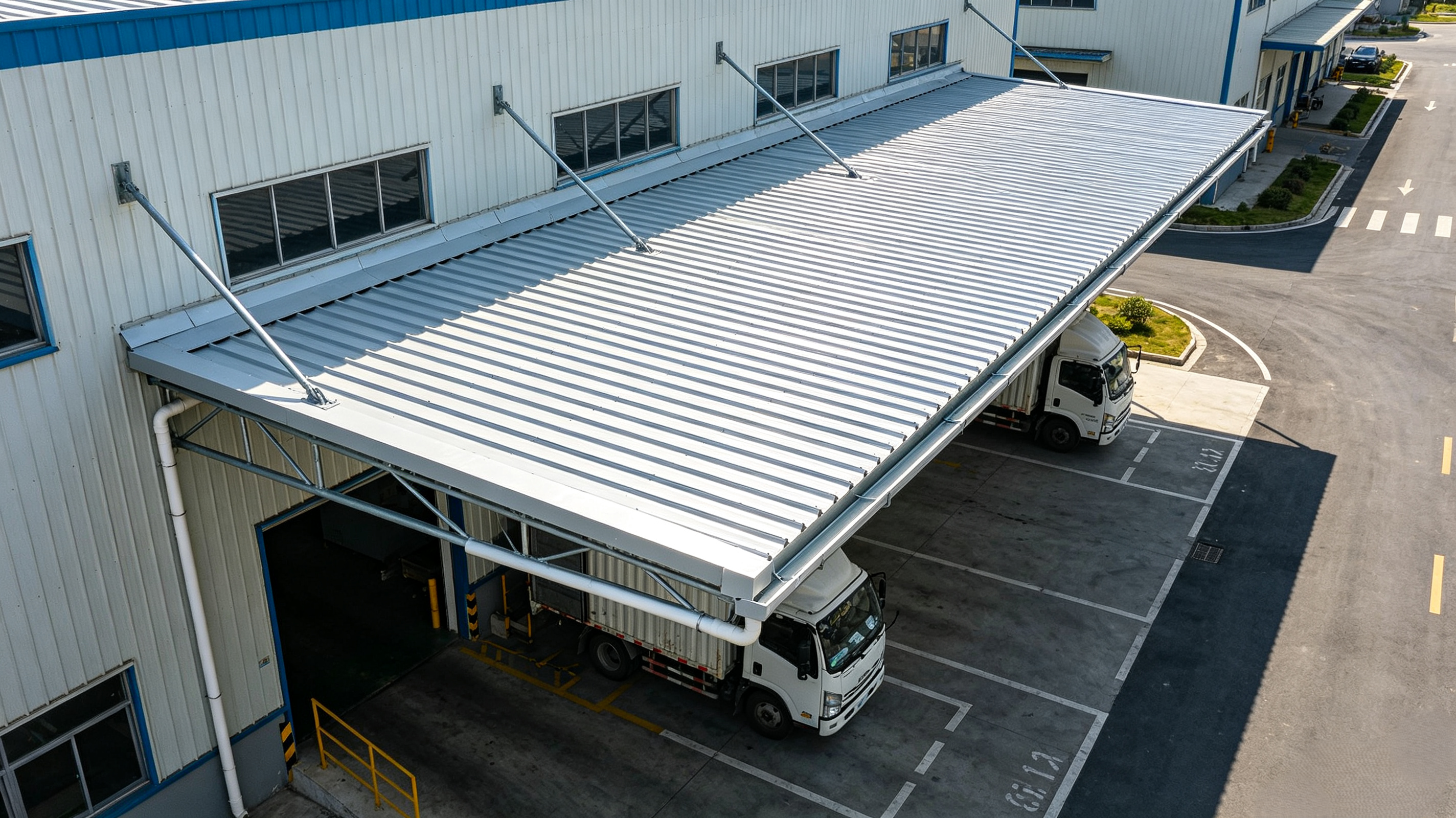
When selecting  metal frame  buildings, several factors should be taken into account to ensure  the structure meets your project's requirements. First, assess the intended use of the building. Will  it serve as a warehouse, office, or manufacturing  facility? Each  application may require different specifications regarding dimensions, load capacity, and insulation. For instance, if the building is intended for a warehouse, you might want to explore options related to the Secondary steel structure for enhanced durability.

Next, consider the material quality. Steel is the most common material used  in  metal frame buildings due to its strength and  longevity. However,  variations  in steel quality can affect the  structure's performance, so it's crucial to evaluate the grade of steel  being used. Moreover, the building's design should consider local environmental conditions, such as wind and snow loads, which affect the structural integrity.

Customization options are also significant.  Many manufacturers, including Tianjin Xingyuanxing Color Steel Structure Co., Ltd., offer tailored solutions to meet specific  project needs. This could include modifications in size, layout, or additional features like insulation  and ventilation systems.  Lastly, ensure that you understand the  local building  codes and regulations that  may impact the design and installation of your metal frame building, particularly when it comes to the Roof system.

Frequently Asked Questions

Our Blog Posts

What Our Partners Say

Where to Source Reliable Suppliers for Metal Frame Buildings

Where to Source Reliable Suppliers for Metal Frame Buildings

Finding a reputable  supplier for metal frame buildings is crucial for ensuring quality and reliability. Start by researching manufacturers with a proven track record in your region. Companies  that have  experience in the Beijing-Tianjin-Hebei area, such  as Tianjin  Xingyuanxing  Color  Steel Structure Co., Ltd., are  likely to understand local regulations and market needs better.

Networking within industry associations or attending trade  shows can also lead to valuable  supplier connections. Look for companies that have  positive  reviews and testimonials from previous clients.  Always check if the supplier  has relevant certifications,  which  can indicate  adherence to quality standards and best practices in manufacturing.

When contacting potential suppliers, provide clear specifications concerning your  project  requirements. This may include  dimensions, intended use, and any customization  needs. A well-defined request will help suppliers provide accurate quotes and timelines, ensuring you receive the best possible service.

Cost and Benefits

Cost and Benefits

Understanding the cost structure associated  with metal frame buildings is essential for budgeting and financial planning. Factors that influence the cost include material  selection, design complexity,  and additional  features like insulation or HVAC  systems. Generally, while initial costs may  be higher  for higher-grade materials, the long-term benefits often outweigh  these costs due  to durability and lower maintenance  needs.

One significant advantage of metal frame  buildings is their speed of construction. Steel structures can be erected much  faster than traditional buildings,  which can lead to reduced labor costs  and quicker project completion.  Additionally, metal buildings are often more energy-efficient, resulting  in lower utility  bills over time.

When evaluating costs, consider the total cost of ownership, which includes  installation, maintenance,  and operational expenses. This comprehensive view will  help you make a well-informed purchasing decision.

Step-by-Step

Step-by-Step

To streamline the process of acquiring a metal frame building, follow these steps:

Define  Your Requirements: Determine  the specific needs  of your project, including size, purpose, and any special features required.

Research Suppliers:  Identify and  evaluate  potential suppliers based  on their experience, reputation, and  product offerings. Collect quotes for comparison.

Request Samples: If possible, obtain samples or visit existing installations to assess the quality of the materials and workmanship.

Review Proposals: Analyze supplier proposals carefully, focusing on price, delivery  times, and warranty terms.

Finalize Specifications: Once you've selected a supplier, confirm all technical specifications, including dimensions,  materials, and design features.

Approve Sample: Before mass production, request a final sample for approval to ensure it meets your expectations in terms  of quality and performance.

Place Your Order: After confirming all  details, proceed with placing  your order and finalize the payment  terms.

Schedule Installation: Coordinate with the supplier for delivery and installation, ensuring all parties are  aligned on  the timeline and logistics.

Quality Inspection: Upon  delivery, inspect the materials for quality and accuracy against the  specifications  before installation  begins.

Key Applications for Metal Frame Buildings in Various Industries

Metal  frame buildings  have  diverse applications across several industries, making them a popular choice for various projects. Here are some key sectors where metal frame buildings excel:

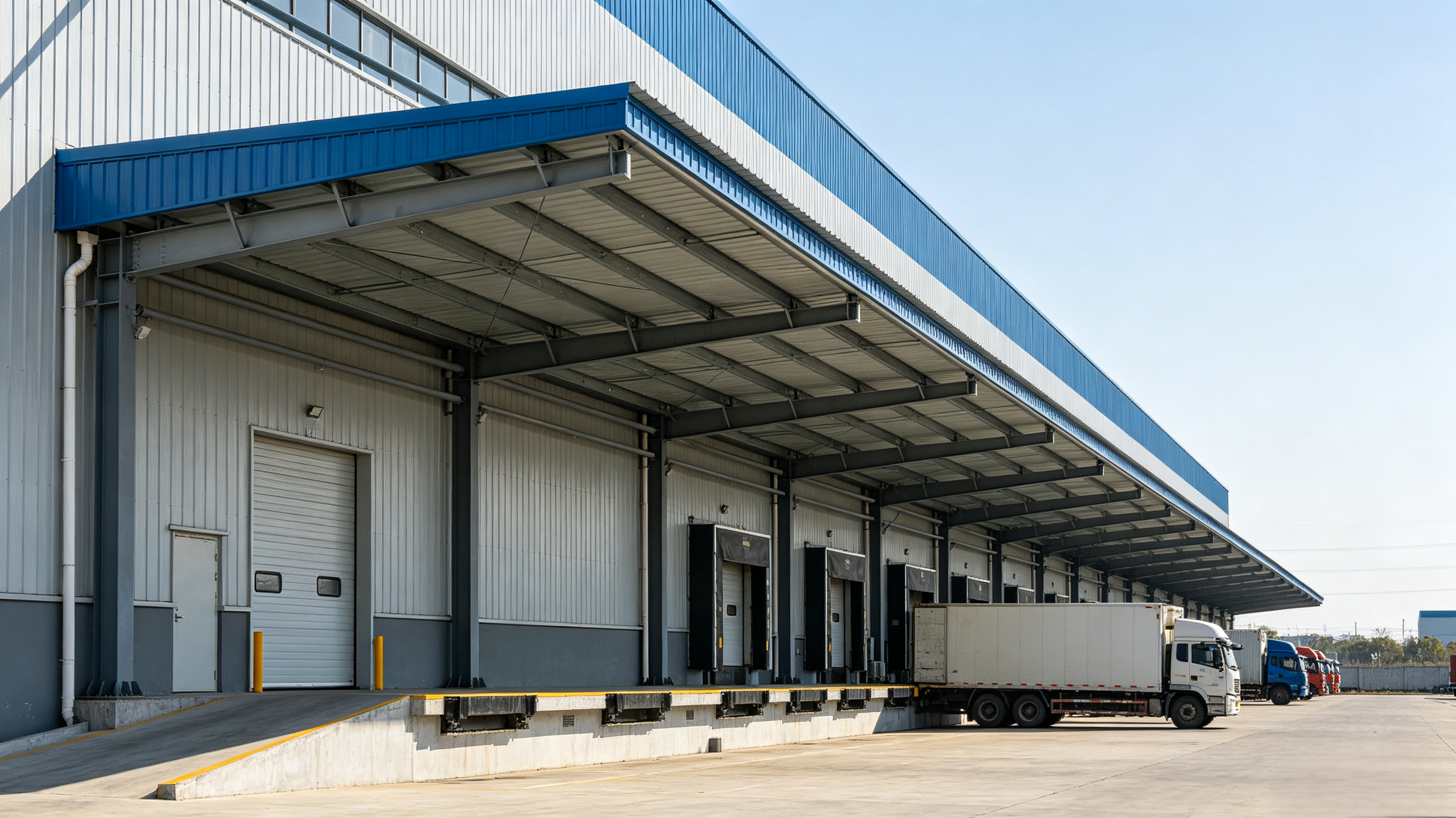
Warehousing and Distribution: Their large clear spans make metal frame buildings ideal for warehousing, allowing for  efficient  space utilization and  easier logistics management.

Manufacturing: These structures can accommodate heavy machinery and  provide the necessary load-bearing capacity, making them suitable for  manufacturing facilities.

Retail  and Commercial Spaces: Metal frame  buildings can be designed to create  appealing storefronts and commercial spaces that  attract customers while being cost-effective.

Agriculture: Farmers utilize metal buildings for storage, livestock housing, and equipment maintenance due  to their durability and low maintenance requirements.

Recreational Facilities: Metal buildings are increasingly used for sports complexes, community centers, and event spaces, offering durability and  flexibility in design.

In summary, metal frame  buildings offer practical solutions  for  a  variety of applications, combining strength, cost-effectiveness, and design flexibility. When considering your project, take the time to evaluate your specific needs, consult with  experienced suppliers, and  understand the long-term benefits these structures can provide.