Choosing Reliable Metal Building Manufacturers

application/metal-building-manufacturers, application/metal-building-manufacturers, 
Inquiry
Inquiry

metal building manufacturers

Choosing the right  metal building manufacturers is crucial for ensuring  quality, durability,  and efficacy in your  construction projects. Metal  buildings  are  increasingly preferred for their strength,  versatility, and cost-effectiveness, making it essential for buyers—such as  purchasing managers,  engineers, and product  managers—to understand the  key factors  that influence their selection.  This article will guide  you  through critical  considerations, reliable  sourcing options, specifications comparison,  common project challenges, and the diverse applications of  metal buildings in various industries.

Why choose Xingyuanxing metal building manufacturers

Our Products

What to Consider When Choosing Metal Building Manufacturers

When selecting metal building manufacturers, several  factors should be evaluated to ensure that  your project meets its requirements. Key considerations include:

Experience and Reputation: Look for manufacturers with a proven track record, especially in the specific  type of metal building  you require. A company with substantial experience in the industry, like Tianjin Xingyuanxing  Color Steel Structure Co., Ltd., can provide insights and solutions based on past projects.

Quality Control  Processes: Inquire  about the manufacturer's quality assurance  measures.  A robust quality control system ensures that the buildings meet industry standards and customer specifications, reducing the risk of defects.

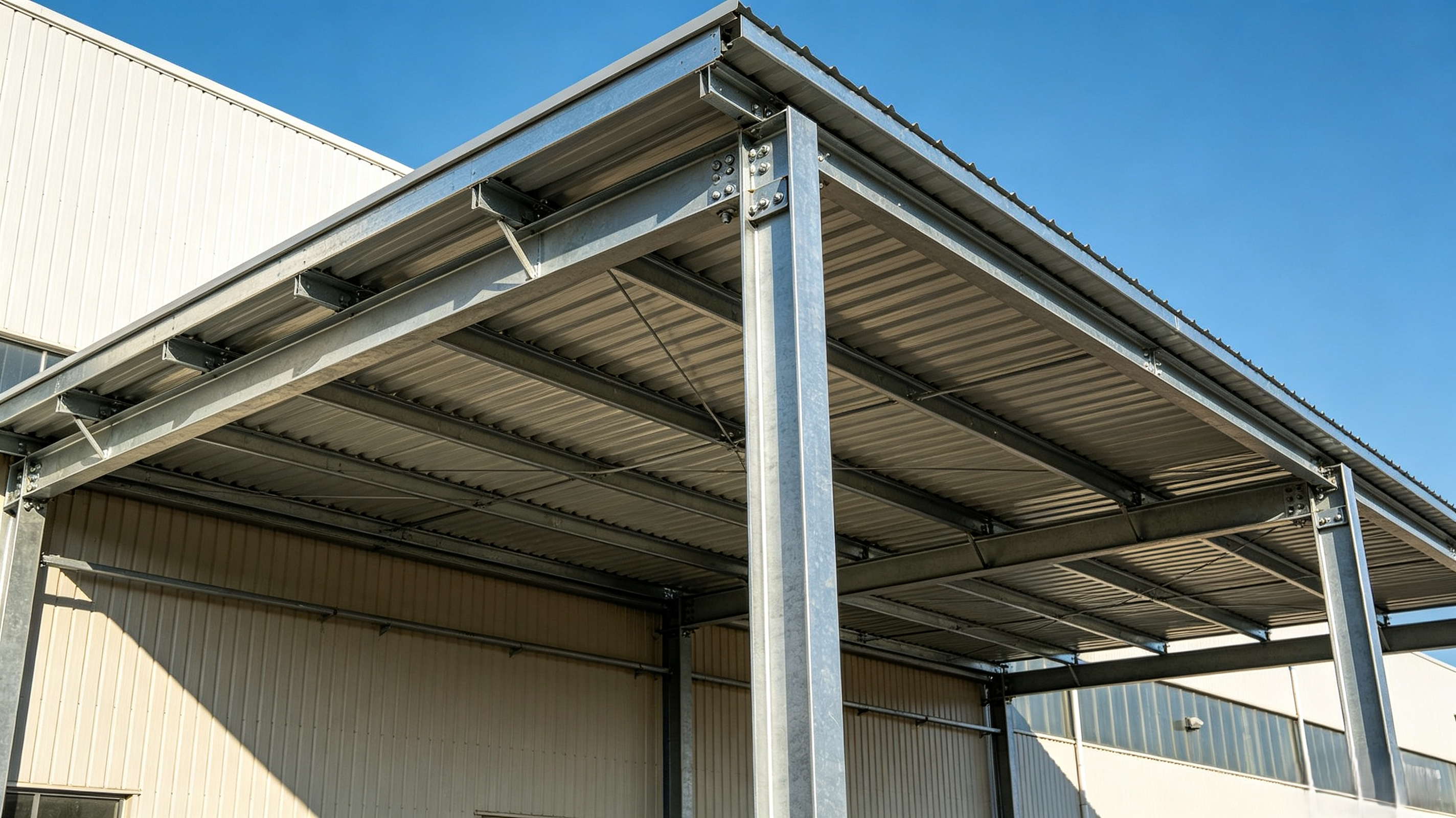
Customization Capabilities: Depending on your project needs, you may  require specific designs or materials. Ensure that the manufacturer can accommodate custom requests, which may include unique dimensions, materials, or features suitable for your  application's requirements. For example, certain projects may benefit from a Secondary steel structure to enhance durability.

Material Selection: The choice of materials greatly impacts the building's longevity and performance. Manufacturers should offer a  range of materials, such as  galvanized steel or pre-painted color steel, and  provide guidance on the  best options  for your specific  applications.

Production Capacity and Lead Times: Understanding the manufacturer's production capabilities and typical lead times is essential for project planning. Ensure that  the chosen manufacturer can meet your  deadlines without compromising quality.

Certifications and Compliance:  Verify if the manufacturer holds relevant certifications that ensure compliance with local and international building codes and safety standards.

Frequently Asked Questions

Our Blog Posts

What Our Partners Say

Where to Find Reliable Suppliers for Metal Buildings

Where to Find Reliable Suppliers for Metal Buildings

Finding reliable metal building manufacturers involves several strategies:

Industry  Directories and Trade Shows: Utilize industry-specific directories and attend trade shows to  connect with potential suppliers. These platforms often  showcase leading manufacturers and provide opportunities to discuss your requirements face-to-face.

Online Research: Conduct  thorough online research to identify manufacturers. Look for customer  reviews, case studies, and their  portfolio to assess their capabilities.

Networking: Leverage your professional network to gather  recommendations. Colleagues or industry contacts can  provide insights into their experiences with specific manufacturers.

Request for Proposals (RFPs): Consider issuing RFPs to multiple manufacturers. This will allow you  to compare proposals, pricing, and capabilities, ensuring  that  you select the  best fit for your project.

Local Suppliers: Consider sourcing  from local manufacturers.  Proximity can reduce shipping  costs and lead times,  and local suppliers  may have a better understanding of regional  regulations and requirements.

Comparing Metal Building Specifications for Your Project Needs

Comparing Metal Building Specifications for Your Project Needs

When assessing metal building  specifications, focus on the following factors  to ensure the structure meets your  project needs:

Dimensions:  Confirm the exact dimensions required for your project. Incorrect dimensions can lead to costly modifications  or delays.

Thickness and  Material Type: The gauge of the  steel used in construction affects durability and weight. Thicker steel typically offers better resistance to environmental stressors.  Understand how different materials' performance characteristics  align with your project requirements.

Load Capacity: Evaluate  the load-bearing capacity of the metal building. Ensure that it can support the intended loads, including  equipment, personnel, and  environmental factors like snow or wind.

Insulation and Energy Efficiency:  Consider the insulation properties of the building materials. Proper insulation  can significantly impact energy costs and comfort  levels within the structure.

Surface Treatment: Assess the surface treatment options available, such as galvanization or coatings, which can  enhance corrosion resistance and  longevity.

Installation Requirements: Different buildings may have varying installation needs. Ensure that you understand the assembly process,  including any foundation or anchoring requirements.

Common Problems in Metal Building Projects and Their Solutions

Common Problems in Metal Building Projects and Their Solutions

Metal building projects can face several common  challenges. Understanding these can  help mitigate risks:

Material Defects: Occasionally, defects in the materials can occur. It is crucial to conduct thorough inspections upon delivery and  before installation. Request samples and test them under actual operating conditions  when feasible.

Design  Misalignment: Design errors can lead to  complications during installation. Engage with the  manufacturer  during  the design  phase to ensure that all specifications are accurate and feasible.

Weather Delays:  Inclement weather  can hinder construction timelines.  Build flexibility into your project schedule and have contingency plans for  unexpected delays.

Code Compliance Issues: Failure to adhere to  local building codes can result in  fines or rework. Work closely with the manufacturer to ensure compliance with all relevant regulations.

Quality  Control Failures:  Inconsistent quality can jeopardize the project. Establish a quality inspection process that includes checks at various stages  of production and installation.

Understanding the Applications of Metal Buildings in Various Industries

Metal buildings are versatile and find applications across a range of industries, including:

Manufacturing: Metal buildings provide durable and scalable solutions for  manufacturing facilities, allowing for the installation of heavy machinery and  equipment.

Warehousing: The strength  and adaptability of metal buildings make them ideal for warehouses,  where high ceilings and large open spaces are often required.

Commercial Use: Retail spaces, office buildings, and showrooms benefit from metal structures due  to their modern aesthetics and customization potential.

Agriculture: Agricultural metal buildings are widely used for  storage,  livestock housing, and equipment sheds,  designed to withstand harsh environmental conditions. For instance, utilizing a robust Roof system can greatly enhance the durability of agricultural structures.

Recreational Facilities: Metal buildings are popular for gyms, sports  complexes, and community centers, providing  large, unobstructed spaces for various activities.

Residential Applications: Increasingly, metal buildings are  being used  in residential  settings for garages, workshops, and even entire homes,  offering unique architectural possibilities.

By understanding  these factors and the diverse applications of metal buildings, you can make  informed decisions when selecting metal building manufacturers for  your next  project.