Choosing a Metal Frame Garage for Your Business

application/metal-frame-garage, application/metal-frame-garage, 
Inquiry
Inquiry

metal frame garage

When considering the construction of a metal frame garage, it's essential to understand  its various  applications, material specifications, and the overall purchasing process. A metal frame garage offers durability, versatility, and  efficient construction, making it an appealing choice for businesses looking to  expand their  facilities. This article  will  help you  navigate the  key  considerations for selecting a  metal frame garage, along  with important  insights for  importers, distributors, contractors,  and  common issues  that may arise  during  usage.


Why choose Xingyuanxing metal frame garage

Our Products

What to Consider When Choosing a Metal Frame Garage for Your Business

When selecting a metal frame garage, several key factors should be taken into account to ensure that it meets your specific business  needs.

Size and Dimensions: Determine the  size of the  garage based on the intended use—whether it's for vehicle storage, equipment maintenance, or as a workshop. Accurate measurements are crucial, as a structure that is too small  may not accommodate your needs, while one that is too  large could lead to unnecessary costs.

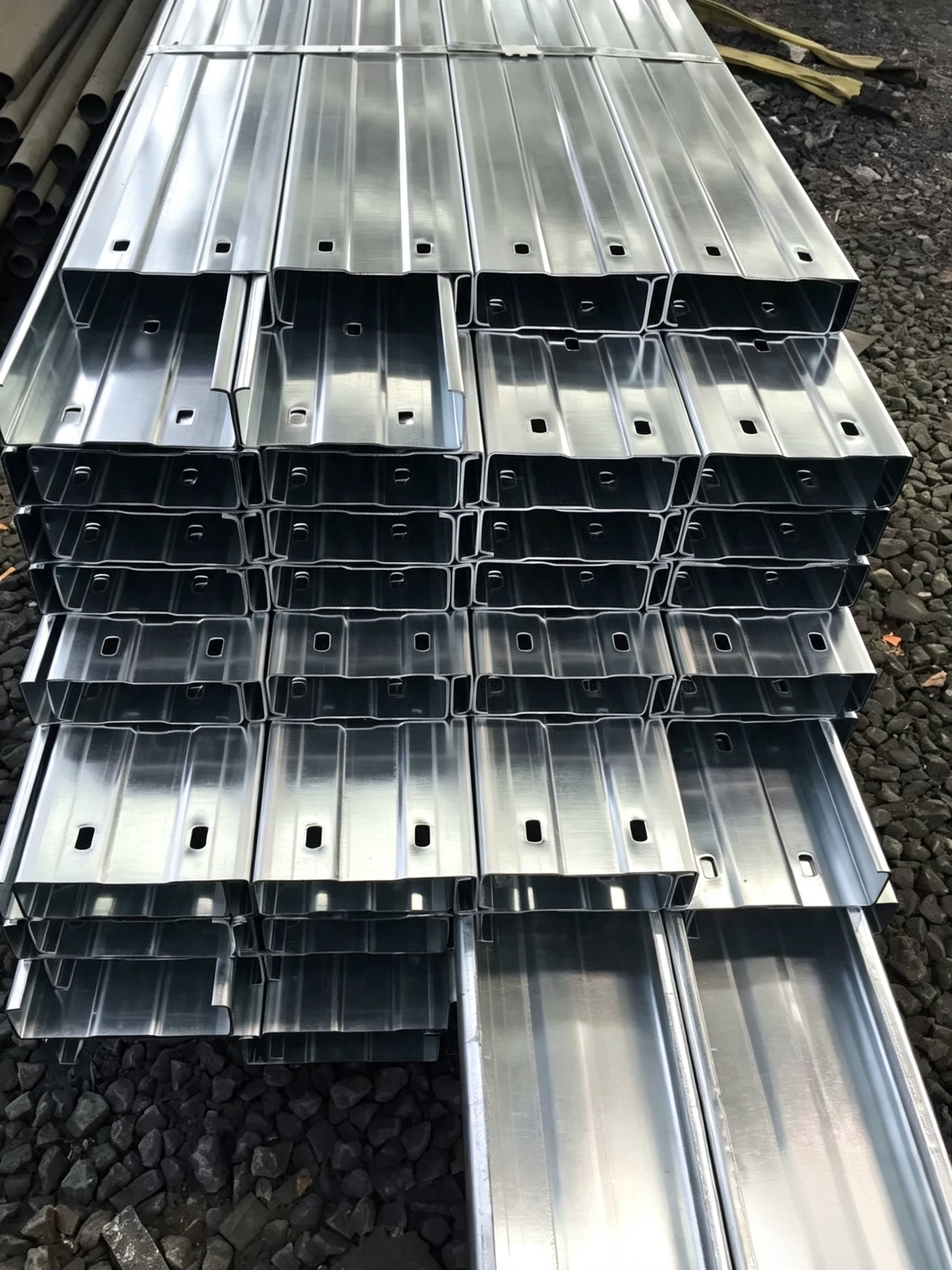
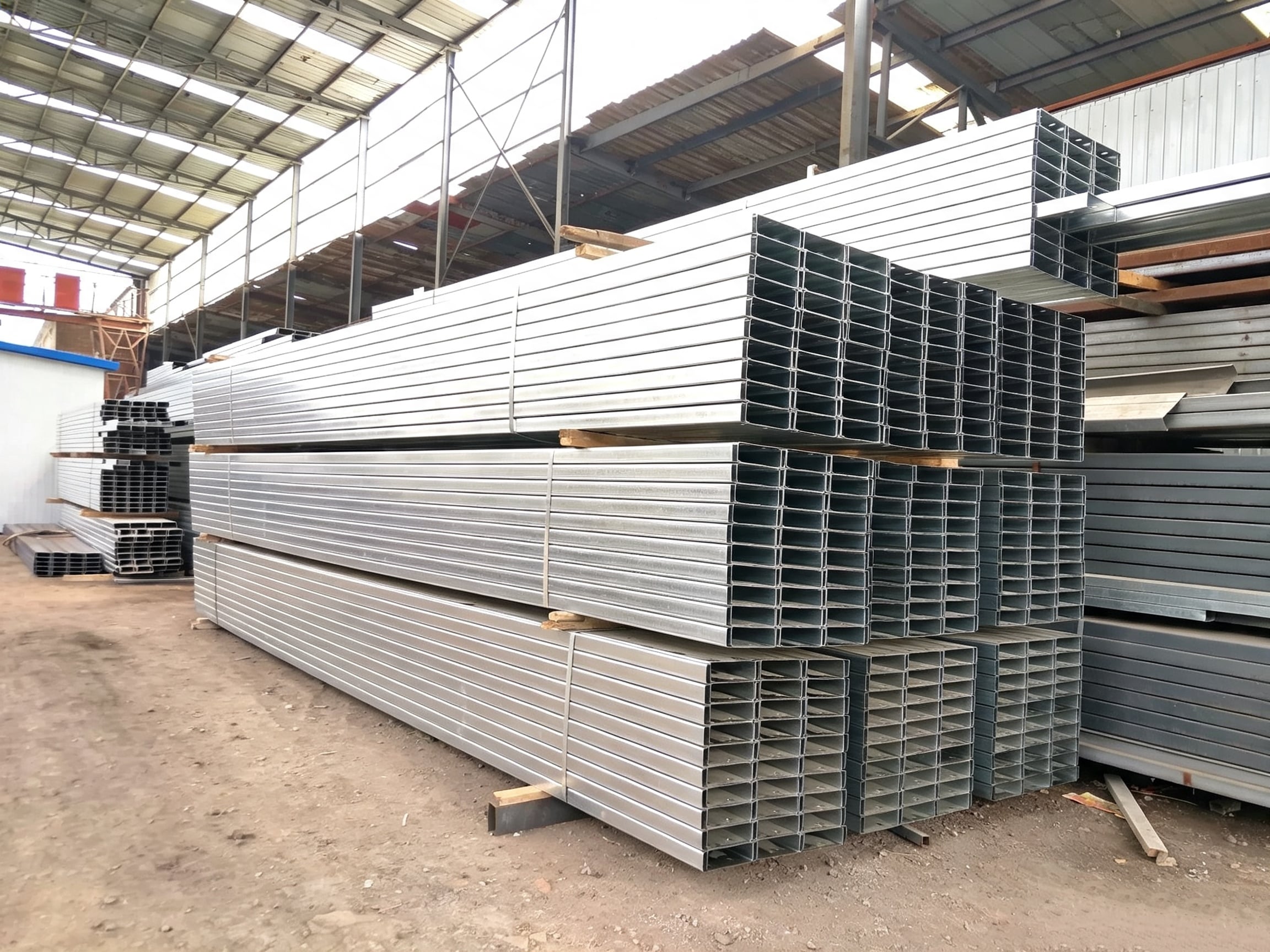
Material Specifications: The choice of materials significantly impacts the garage's  durability and insulation properties.  Common materials include galvanized steel for the frame due to its corrosion resistance and strength, and insulated  panels for  improved thermal performance. Ensure  that the material selected can withstand local environmental conditions, including snow load and wind resistance. For instance, you might consider using Galvanized Several-Shaped Steel Profiles 50*70mm For Greenhouse Frames to enhance durability.

Customization Options: Customization capabilities can  include size, layout,  and additional features such  as  windows, doors, and ventilation systems. Discuss your requirements with the manufacturer to ensure that the final structure aligns  with your operational needs.

Building Codes and Regulations: Always check local building codes and zoning regulations to ensure compliance. This may include permits for construction, structural  integrity requirements, and fire safety codes. Failure  to adhere to these regulations can result in costly fines or construction delays.

Installation  Process: Consider the complexity of the installation. Some metal frame garages may  require specialized  equipment and expertise for assembly, which could affect lead times and overall costs. Understanding the installation process will help in selecting the right contractor or service team.

Frequently Asked Questions

Our Blog Posts

What Our Partners Say

A Guide for Importers and Distributors

A Guide for Importers and Distributors

For importers and distributors looking to  source metal frame garages, it’s  essential to establish clear communication and set expectations with manufacturers. Here are some practical steps  to streamline the process:

Request Detailed Quotations: Provide  the manufacturer with comprehensive information, including product type, dimensions, material preferences,  and  any customization needs. This will enable  them to provide an  accurate quotation,  including costs and lead times.

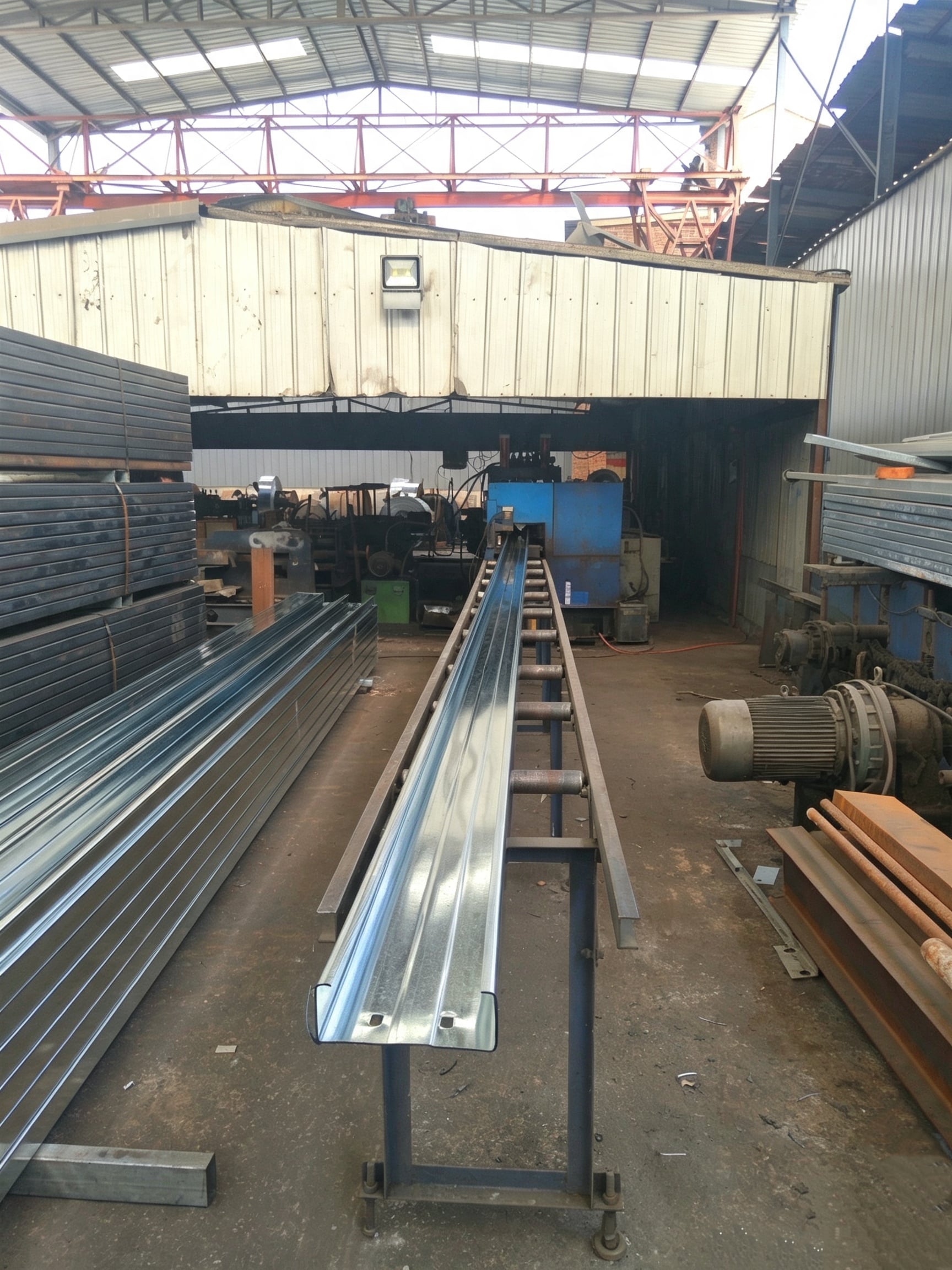
Assess Manufacturing  Capabilities: Evaluate  the manufacturer's production capacity, quality control processes, and lead times. A  reliable supplier should have a  proven  track record in  delivering consistent quality within agreed timelines.

Quality Inspections: Establish criteria  for quality inspections at various production  stages. This  may include material checks, structural integrity tests, and post-installation assessments to ensure that the final product meets your specifications.

Packaging and Shipping Considerations: Discuss packaging  methods to ensure that the garages are shipped safely and securely. Proper packaging minimizes damage during transit, which is  crucial for maintaining product integrity.

Understanding Minimum Order Quantities (MOQs): Be aware of the supplier’s MOQ, which can affect your purchasing strategy. Smaller orders may lead to higher per-unit costs, so plan accordingly based on your inventory needs.

Best Practices for Contractors

Best Practices for Contractors

Contractors involved in  the installation of metal frame garages  should  adhere to industry best practices to ensure a successful project.  Key practices include:

Site Preparation: Ensure that the site is properly  prepared before beginning installation. This includes clearing the area, leveling the ground, and ensuring proper drainage to prevent water accumulation around  the structure.

Follow Manufacturer Instructions:  Each  manufacturer may have specific installation guidelines. Following these instructions  closely will help prevent  issues related to structural integrity and warranty claims.

Utilize Proper Tools and Equipment: Use  appropriate  tools and safety equipment during installation to minimize risks and ensure efficiency. This includes lifting equipment for heavy panels  and safety gear  for workers.

Regular Communication with Clients: Maintain open  lines  of communication with clients throughout the installation process. Providing updates and addressing any concerns promptly  can enhance client satisfaction and lead to repeat business.

Post-Installation Inspection: Conduct a thorough inspection after installation to ensure all components are secure and functioning as intended. This step can  help identify any issues early on, allowing  for  timely resolutions.

Common Problems with Metal Frame Garages and Effective Solutions

Common Problems with Metal Frame Garages and Effective Solutions

While metal frame garages are durable and efficient, certain issues can arise. Here  are some common problems along  with their solutions:

Rust and Corrosion: Over time, exposure to moisture can lead to rusting or corrosion of  the metal frame. To mitigate this, ensure that the steel is properly galvanized or coated with rust-resistant paint. Regular maintenance checks can help  identify early  signs of corrosion.

Insulation Issues: Poor insulation can lead to temperature fluctuations,  affecting the usability of the garage. Selecting high-quality insulated panels and ensuring proper installation can help maintain stable internal temperatures.


Structural Weakness: If the garage was not built  in accordance with local building codes or was poorly installed, it may suffer from structural weaknesses. Hiring qualified contractors  and verifying compliance  with regulations during construction can help prevent these issues. Consider using Prefabricated Structural H-Beam Steel 100×100mm For Large-Span Industrial to enhance structural integrity.

Leakage: Poorly  sealed joints or inadequate drainage can lead to leaks. Regular inspections and maintenance, including sealing  any  gaps  and ensuring  proper drainage systems are in place, can prevent water damage.

Pest  Infestation:  Metal garages can sometimes attract  pests if they are not  properly sealed. Implementing effective pest control measures and ensuring tight seals on doors and windows  can help keep unwanted visitors out.

An Overview

Choosing  a metal frame garage involves  careful consideration of various  factors, from  material specifications  to compliance  with local building regulations. Understanding the needs of your business, along with effective communication  with suppliers,  can significantly enhance the purchasing experience.  For importers  and distributors,  assessing manufacturing capabilities and ensuring quality inspections are critical  to maintaining  standards. By  adhering to best practices  during installation and being aware of potential issues, contractors can  deliver successful projects that meet client expectations. By  taking these steps, businesses  can invest in a  metal frame garage that supports their operational  goals effectively.