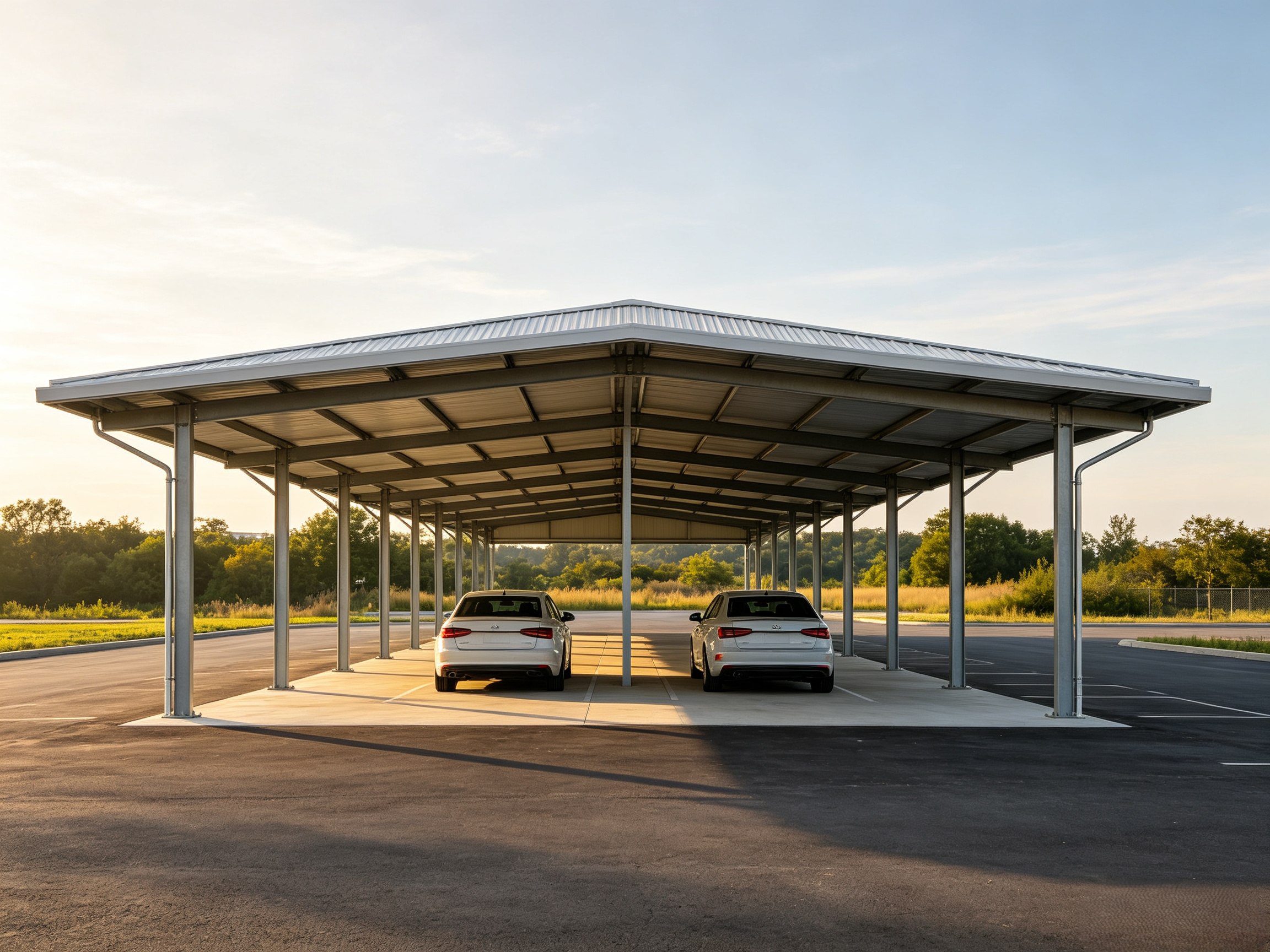
Quality Metal Carports for Sale: Key Considerations

application/metal-carports-for-sale, application/metal-carports-for-sale, 
Inquiry
Inquiry

metal carports for sale

When considering the purchase of metal carports for sale, it’s essential for B2B buyers  to understand the various factors  that influence their  selection. Metal carports  serve as  versatile structures used in various  industries for  vehicle protection,  storage, and  workspace enhancements.  Buyers often have concerns  about material quality, customization  options, and cost-effectiveness. This article aims  to guide  purchasing managers,  engineers, and  product  managers through the critical considerations  involved in sourcing metal carports, ensuring informed  decision-making for their respective needs.


Why choose Xingyuanxing metal carports for sale

What to Look for in Metal Carports for Sale

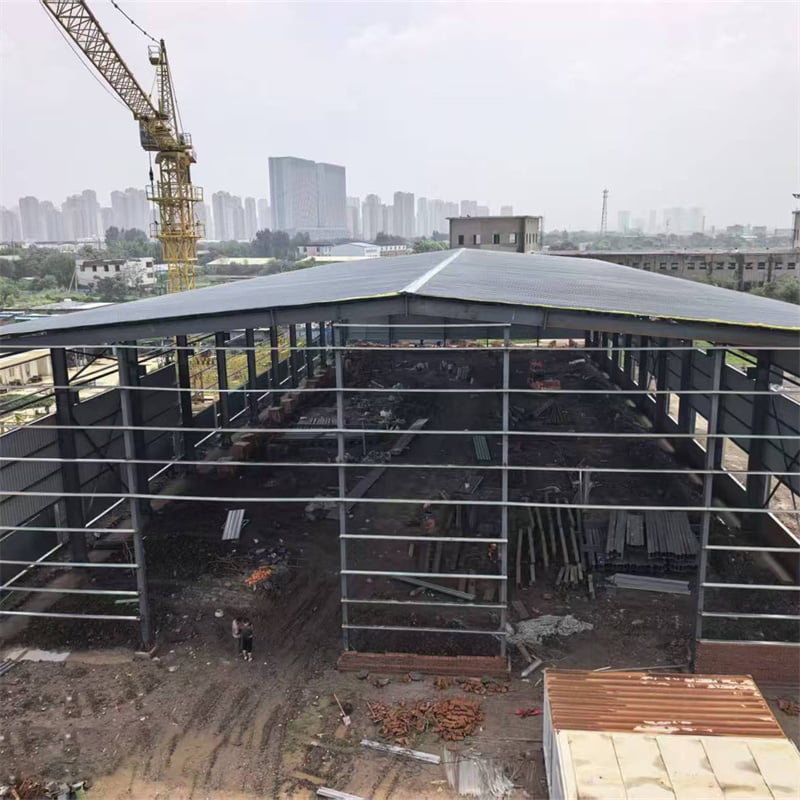
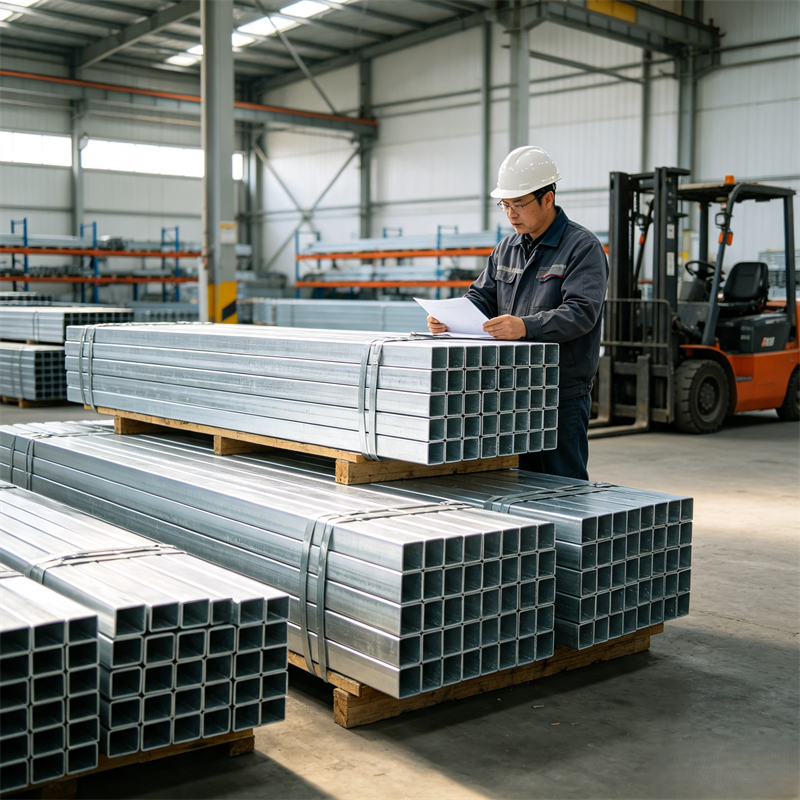
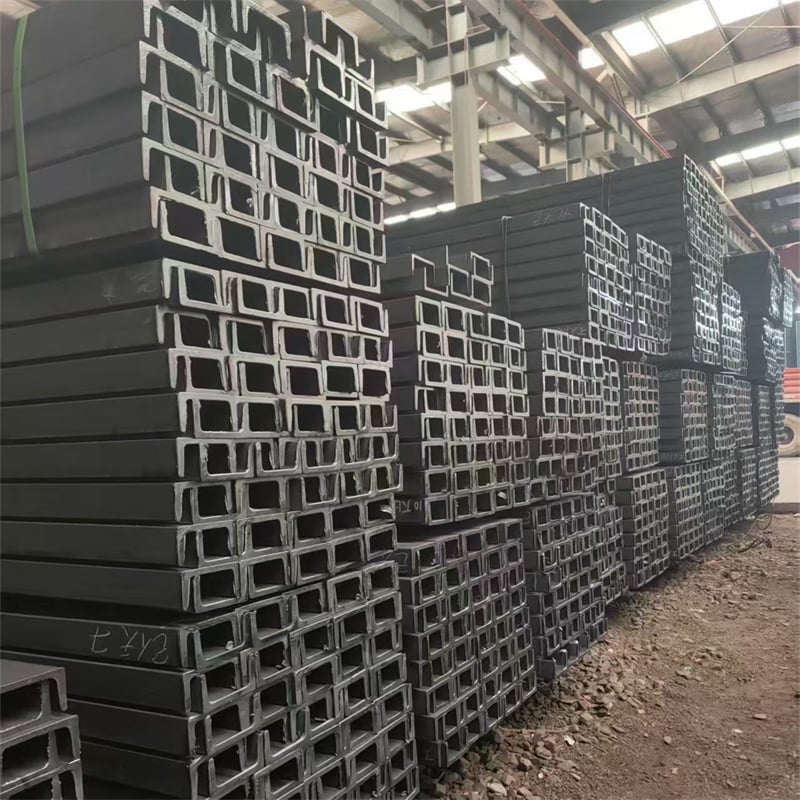
When  evaluating metal carports  for  sale, several key specifications must be considered to ensure the structure meets both operational and regulatory requirements.  First, assess the material used in the carport’s construction; galvanized steel is commonly favored for its durability  and resistance to  corrosion, which is vital for  outdoor applications.

Next, dimensions are crucial—buyers should define the required width, length, and height  based on the intended use. For instance, a carport  intended for larger vehicles or equipment may require a higher clearance. Additionally, consider the load  capacity;  this will depend on expected snow loads,  wind resistance,  and the weight of any equipment stored beneath the structure.

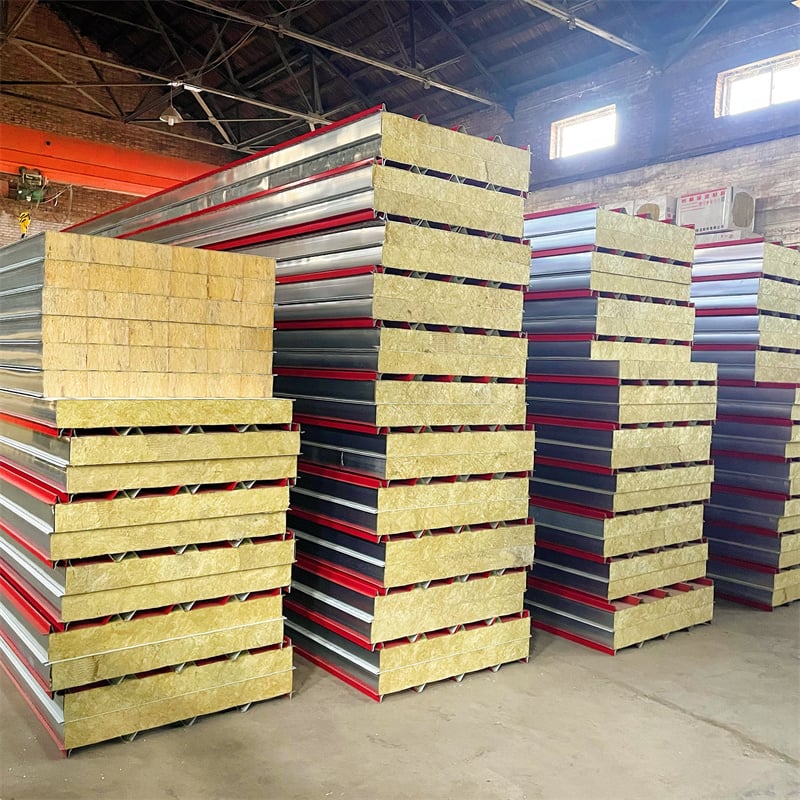
Furthermore, the design and configuration of  the carport should align with its intended application. Options range from open-sided to fully enclosed  models,  influencing both cost  and versatility. Buyers should also inquire about customization capabilities, such as color options, door placements, and additional features  like side panels or insulation.


Finally, ensure the manufacturer has a robust  quality control process in place, which can significantly impact the longevity and performance of the carport.

Frequently Asked Questions

Our Blog Posts

What Our Partners Say

Sourcing Metal Carports for Wholesale Orders

Sourcing Metal Carports for Wholesale Orders

When sourcing metal carports for wholesale orders, buyers should establish a clear understanding of their volume needs and the  specific requirements of their target market. A reliable supplier  will offer  flexible minimum order quantities (MOQ) and the  ability to accommodate bulk requests without compromising quality.

It is also advantageous to evaluate the supplier’s production capabilities.  Tianjin Xingyuanxing Color Steel Structure Co., Ltd., for example,  integrates design, fabrication, and installation  services, backed by  a decade of experience in the industry. This integrated approach can streamline  the  procurement process, ensuring timely  delivery and consistent quality  across orders.

Buyers should also  consider the supplier’s export  experience, especially if international shipping is involved. Understanding the logistics, including shipping methods and any  potential customs regulations, will aid in planning and reduce  unforeseen delays.

To enhance procurement efficiency, buyers should prepare detailed specifications for their orders, including  material preferences,  dimensions, and any  necessary certifications to comply with local  regulations.

Cost Factors to Consider When Purchasing Metal Carports

Cost Factors to Consider When Purchasing Metal Carports

The cost of metal carports can vary widely based  on several factors. Primary considerations include material  choice, size, and design complexity. For example,  basic  models may be more affordable, while custom designs with specific features will likely incur additional costs.

Another cost factor is the manufacturing  process. Carports that require custom  fabrication or special coatings may take longer  to produce, which can increase  labor and material costs. Thus,  understanding the production timeline is essential for  budgeting.

Shipping  and handling fees can also  impact the overall cost,  particularly for larger orders. Buyers should verify shipping costs with the  supplier to avoid budget overruns.

Additionally, consider the long-term cost implications of maintenance and operational efficiency. Investing in  high-quality materials that offer durability and corrosion resistance may lead  to  lower maintenance costs  over time, making them  more cost-effective in the long  run.

Best Practices and Tips

Best Practices and Tips

To  ensure a successful purchase  of metal carports,  buyers should adhere to several best  practices.  First, always request  samples or prototypes before committing to a large order. This allows for a thorough  inspection of materials and construction quality, ensuring they align  with your  expectations.

Conduct a comprehensive market analysis to compare different suppliers. Look for reviews and case studies that demonstrate a supplier’s reliability  and customer  service. Engaging with suppliers who have established themselves in  the  industry can reduce risks associated with quality and delivery.

When it comes to customization, communicate your needs clearly. Discuss options for design modifications, finishes, and additional features that may  enhance functionality. Collaborating closely with the manufacturer during this phase can yield a product tailored to your specific use case.

Finally, maintain open lines of communication with  your  supplier throughout  the  production process. Regular updates on  progress can help manage expectations and address any  potential issues  before they escalate.

Applications of Metal Carports in Various Industries and Projects

Metal carports find applications across  multiple industries, each benefiting  from their  unique features and capabilities. In the automotive sector, carports serve as protective shelters for vehicles, safeguarding them from environmental damage. Businesses  can  use them as extended service areas, providing shade for customers while they wait.


Agricultural  operations often utilize metal carports to  protect equipment  and livestock feed from harsh weather conditions. Their robust structure can withstand high winds and heavy snow loads, crucial for outdoor applications in rural areas. For instance, corrosion-resistant materials are particularly useful in these settings.

In construction, metal carports can serve as  temporary storage units for tools and machinery,  helping keep job  sites organized  and secure. Their adaptability allows for quick assembly and disassembly, making them ideal for dynamic environments.

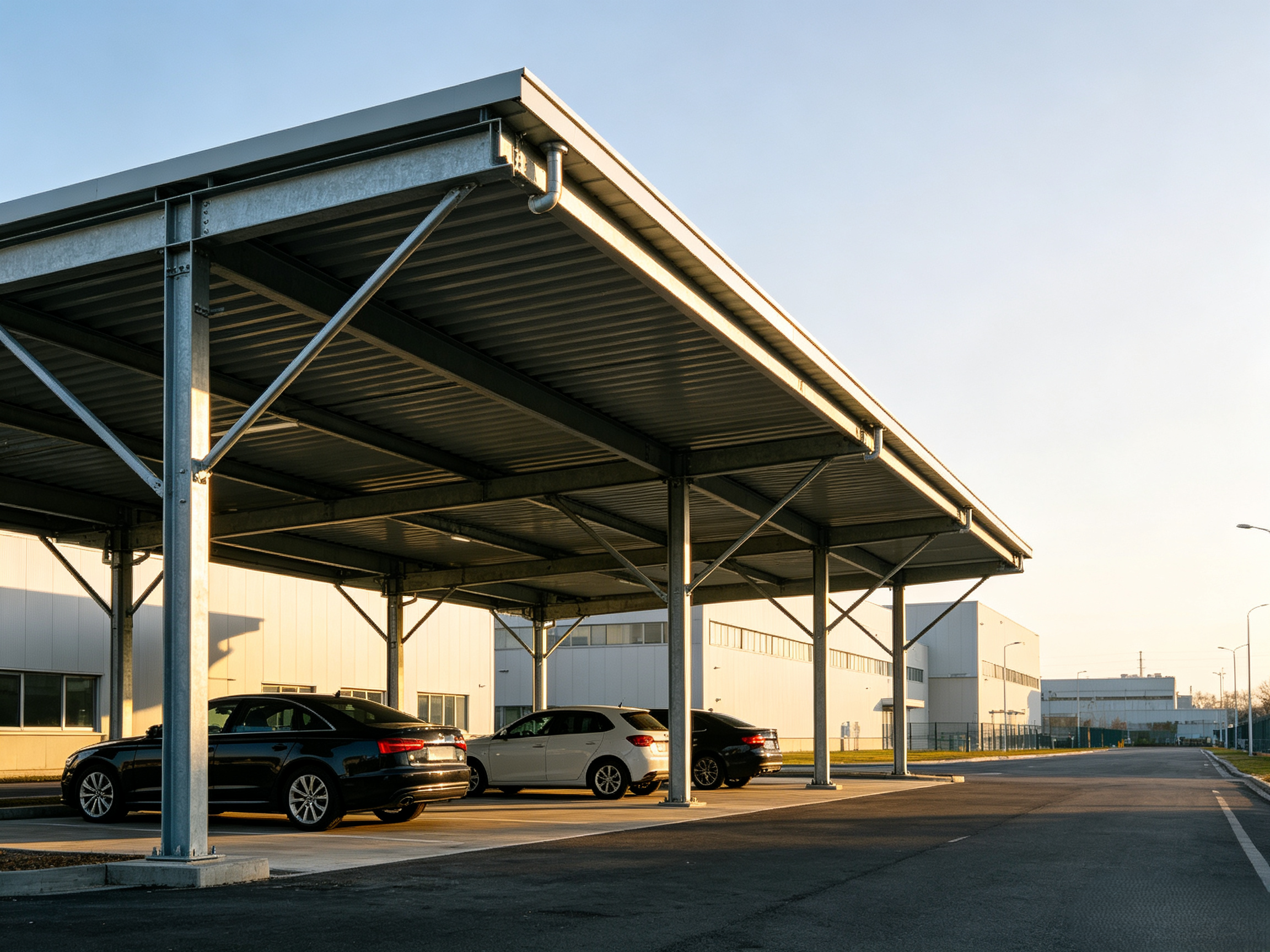
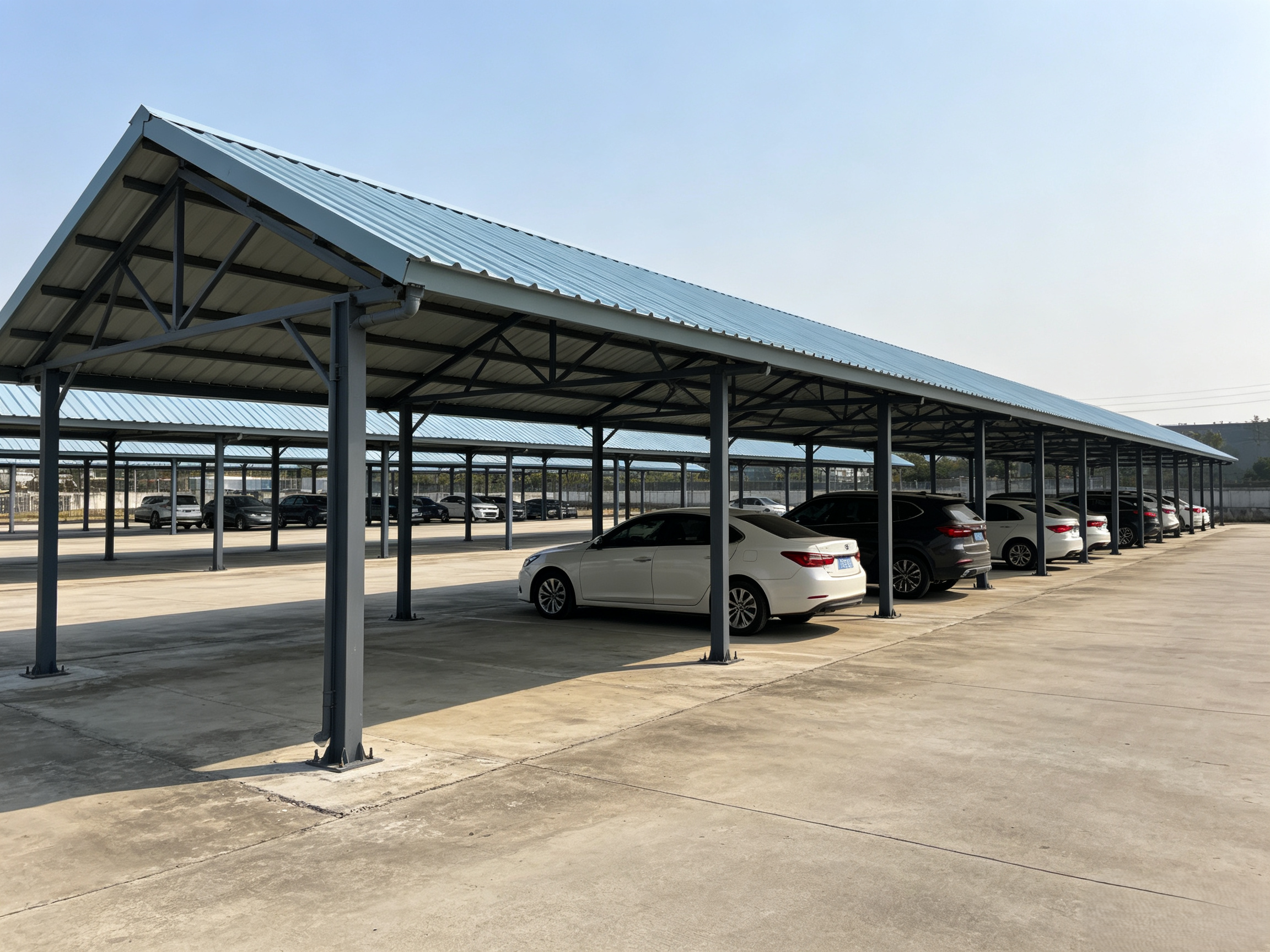
Additionally, metal carports are increasingly used in commercial settings as covered parking solutions, enhancing customer experience and maximizing  space utilization. Understanding  these various applications can help buyers select the right design and features that meet their specific industry needs.

By adhering to these guidelines  and considering the practical applications of metal carports, B2B  buyers can make informed decisions that align with their operational  objectives  and  budgetary constraints.