Key Specifications for Galvanized Panels in Bulk Orders

application/galvanized-panels, application/galvanized-panels, 
Inquiry
Inquiry

galvanized panels

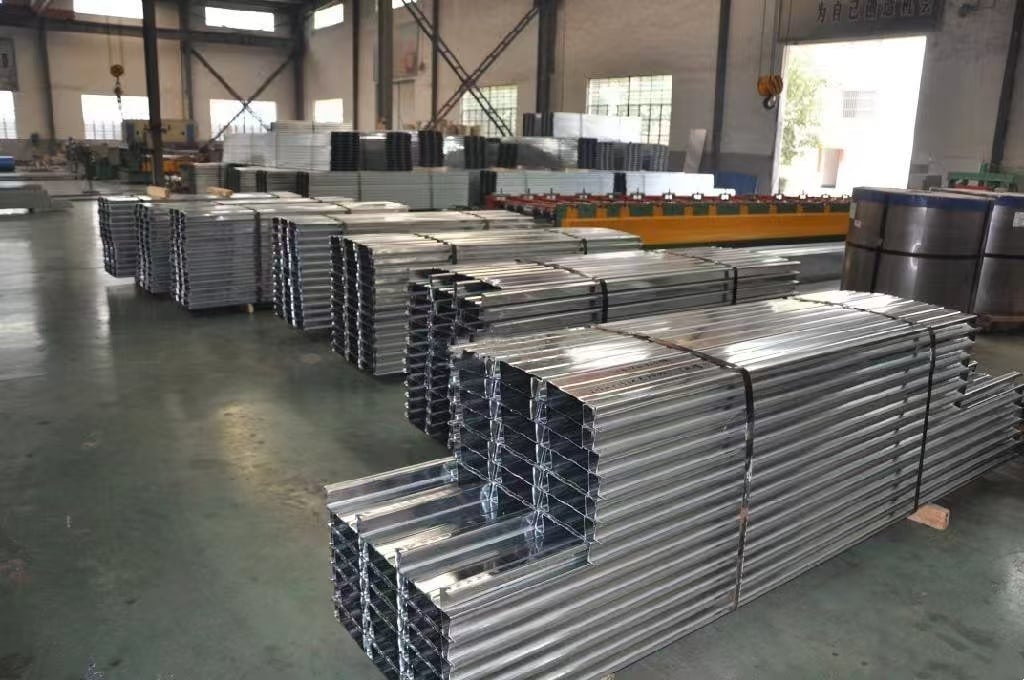
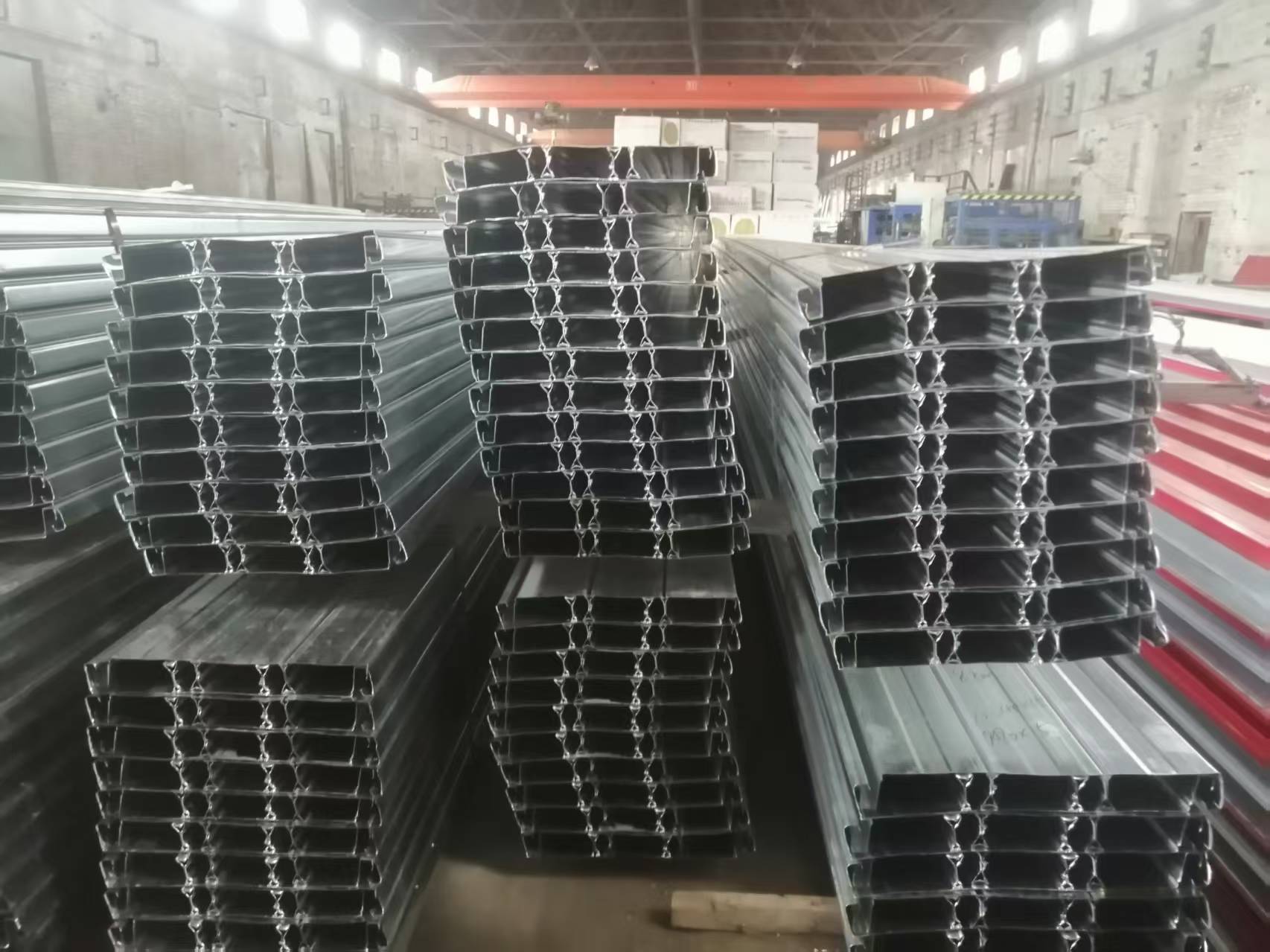
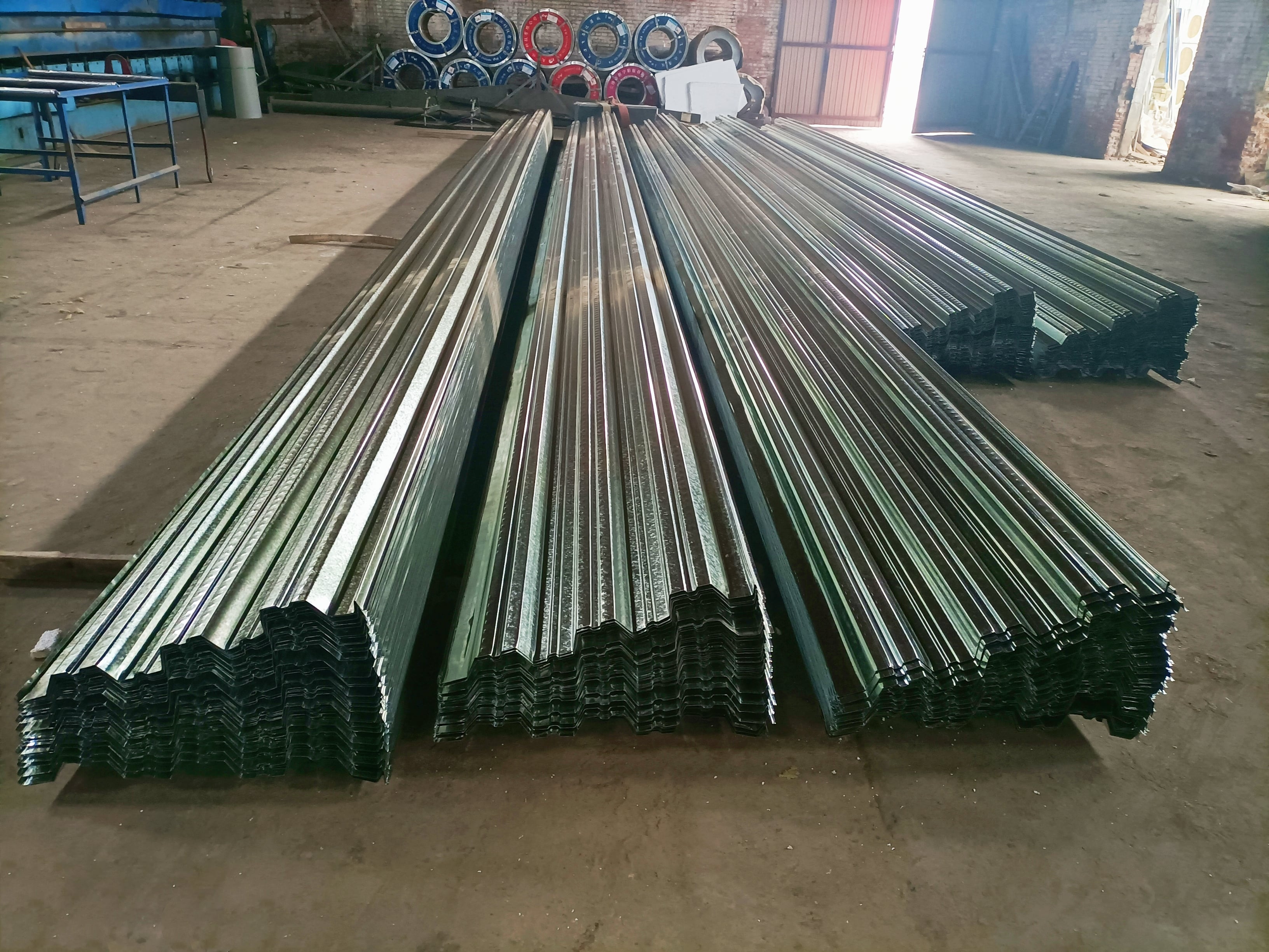
Galvanized panels are  essential  in various industrial and construction applications,  known for  their  durability and  resistance to corrosion.  Buyers often face concerns  regarding quality, specifications, and  cost when sourcing these  panels in bulk.  This article will  help you understand the key specifications, quality  evaluation methods, cost factors,  best practices for  contractors,  and common  issues associated  with galvanized panels,  enabling informed purchasing decisions.


Why choose Xingyuanxing galvanized panels

Our Products

Key Specifications for High-Quality Galvanized Panels in Bulk Orders

When ordering galvanized panels, several key specifications should be considered to ensure the product meets your project's requirements.

Material Composition: High-quality galvanized panels are typically made from steel  that has been coated with zinc. The thickness of the zinc layer is crucial; a thicker coating  generally provides better corrosion resistance, especially in harsh environments. Corrosion-Resistant Hot-Dip Galvanized Round Tube Q235B For Greenhouse Bracing

Dimensions: Standard sizes for galvanized panels vary, but they  should  be specified based on your application.  Ensure the dimensions, including length, width, and thickness, are compatible with your structural  needs.

Corrosion Resistance Rating: It’s essential to select panels with a corrosion resistance rating that matches the environmental conditions they will face. This can include factors such as humidity, exposure  to chemicals,  and temperature extremes.

Panel  Finish: The surface finish impacts both aesthetics and performance. A smoother finish can  reduce friction and improve the panel's lifespan, while a textured surface may enhance grip and aesthetics.

Compliance  Standards:  Ensure that the panels meet relevant industry  standards,  such as ASTM specifications. This compliance is crucial for ensuring safety and  durability in construction applications.

Understanding these specifications helps  ensure  that the galvanized panels you purchase  will perform effectively in their intended  applications.


Frequently Asked Questions

Our Blog Posts

What Our Partners Say

How to Evaluate the Quality of Galvanized Panels for Wholesale Purchases

How to Evaluate the Quality of Galvanized Panels for Wholesale Purchases

Evaluating the quality of galvanized panels is vital before  finalizing a purchase. Here are several practical steps  to follow:

Request Samples: Before committing to a bulk order, always request samples. Inspect these samples for surface uniformity, coating thickness, and any signs of rust or imperfections. This hands-on assessment can reveal potential issues in the panels’ quality.

Conduct a Visual Inspection: Look for any defects such  as scratches,  dents, or irregularities in  the  coating. High-quality panels should have  a consistent  finish without visible flaws.

Verify  Certifications: Confirm that the supplier provides relevant certifications that validate  the quality of their  products. This  may include ISO certifications or other industry-specific standards.

Quality Control Processes: Inquire about the manufacturer's quality control processes.  A reliable manufacturer will have stringent quality checks throughout the production process to ensure  that each panel meets established  standards.

Feedback from Previous  Clients:  If possible, seek testimonials or case studies from previous clients. Their  experiences can provide insights into the  product’s performance and the supplier’s reliability.

Following these steps will help you ensure  that the galvanized panels you purchase meet the necessary quality standards.

Cost Factors to Consider When Purchasing Galvanized Panels in Bulk

Cost Factors to Consider When Purchasing Galvanized Panels in Bulk

Understanding the various cost  factors associated with purchasing galvanized panels in  bulk is  crucial for budget planning.  Here  are the key considerations:

Material Costs:  The price of raw materials, particularly steel and zinc, can fluctuate based on market conditions. Ensure to check current prices and trends that may affect your overall cost.

Production Volume: Bulk orders often come  with discounts, but the minimum order quantity  (MOQ) can vary by  supplier. Assess the MOQ against  your  project needs to avoid unnecessary expenditure.

Customization Requirements: Custom sizes or specifications often incur additional  costs. Be clear  about your requirements to ensure accurate pricing from suppliers. Factory Direct Q235B Angle Bar Steel With 90 Degree Right-Angle Structure


Shipping and  Handling: Factor in shipping costs, which can vary significantly based on distance and logistics. Also, consider any potential tariffs or import duties if sourcing from international suppliers.

Lead Times: Longer lead times  can affect project schedules, potentially leading  to increased costs due to delays. Always confirm estimated  delivery times and any penalties for late delivery.

By  considering these cost factors, you can  make more informed purchasing decisions and better manage your budget.

Best Practices for Contractors

Best Practices for Contractors

For contractors sourcing galvanized panels, adhering to best practices can enhance project outcomes:

Clear Specifications: Provide suppliers with clear and detailed specifications  to avoid miscommunication. Include  dimensions,  material requirements, and any specific performance  criteria.

Sample Approval: Always approve a sample before mass production. This step is essential to  confirm that  the  panels meet your expectations in terms of quality,  appearance, and functionality.


Supplier Evaluation: Research potential  suppliers thoroughly. Look for  reviews, industry  reputation, and previous project experiences to ensure reliability. Standing Seam Locking Panel, Stable Wind Resistance, Ideal 760mm For Large Span

Logistics Planning: Coordinate with your supplier regarding shipping and delivery  schedules. Plan for potential delays and have contingency measures in place  to keep your project on track.

On-Site Inspection: When the  panels arrive, conduct  an on-site inspection to verify that the delivered  products match the agreed specifications and quality standards.

Implementing these best practices can help contractors  avoid  common pitfalls and  ensure successful project completion.

Common Problems with Galvanized Panels and Effective Solutions

Despite their  advantages, galvanized panels can encounter several common issues. Here are some challenges  and effective solutions:

Corrosion  Over Time: While galvanized panels are resistant to corrosion, they can still suffer from rust,  especially if the zinc coating is damaged. Regular  inspections and maintenance can help identify early signs of corrosion. If significant  rust is detected, consider applying a rust-inhibiting primer or repainting the panels.

Inconsistent Coating Thickness: Variability in the coating can lead to uneven performance. Ensure thorough quality  checks  during production and opt for suppliers with stringent quality control measures  to  mitigate this problem.

Dents and Damage During Shipping: Panels can be damaged during transport, affecting their integrity. Request that  suppliers use proper packaging methods to protect the panels, and inspect  them immediately upon receipt.

Difficult Installation: Sometimes, panels may not fit  as expected due to manufacturing errors or  improper specifications. Always verify dimensions and use pre-approved samples  to ensure compatibility with  your installation requirements.

Environmental Reactions: Galvanized panels can react with certain chemicals or  pollutants, leading to deterioration. Be sure to analyze the environment in  which the panels will be used and select appropriate materials  accordingly.

By being aware of  these common problems and applying effective solutions, buyers can enhance the longevity and functionality of galvanized panels in their projects.