Choosing the Right C Section Purlins for Your Projects

application/c-section-purlins, application/c-section-purlins, 
Inquiry
Inquiry

c section purlins

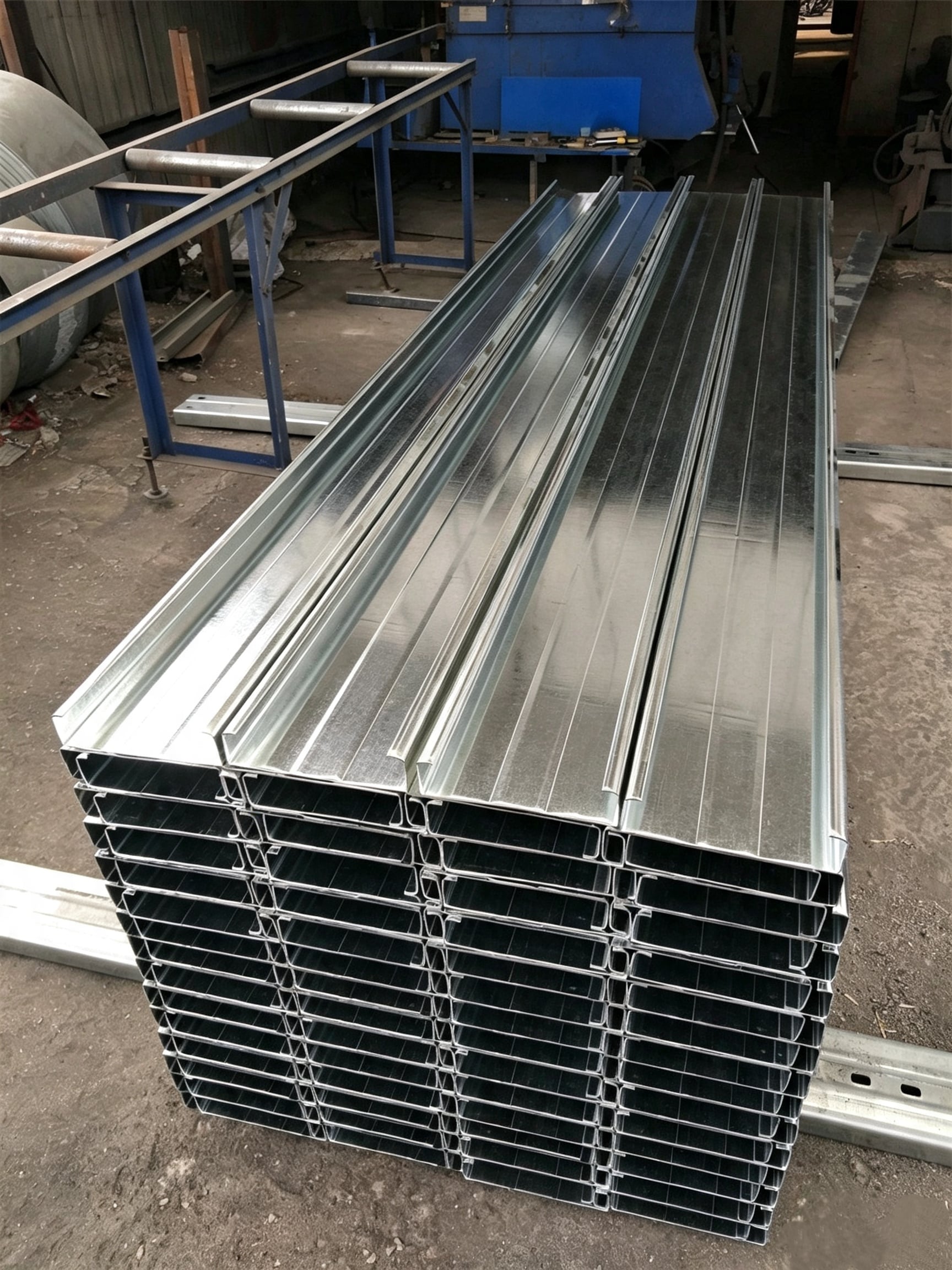
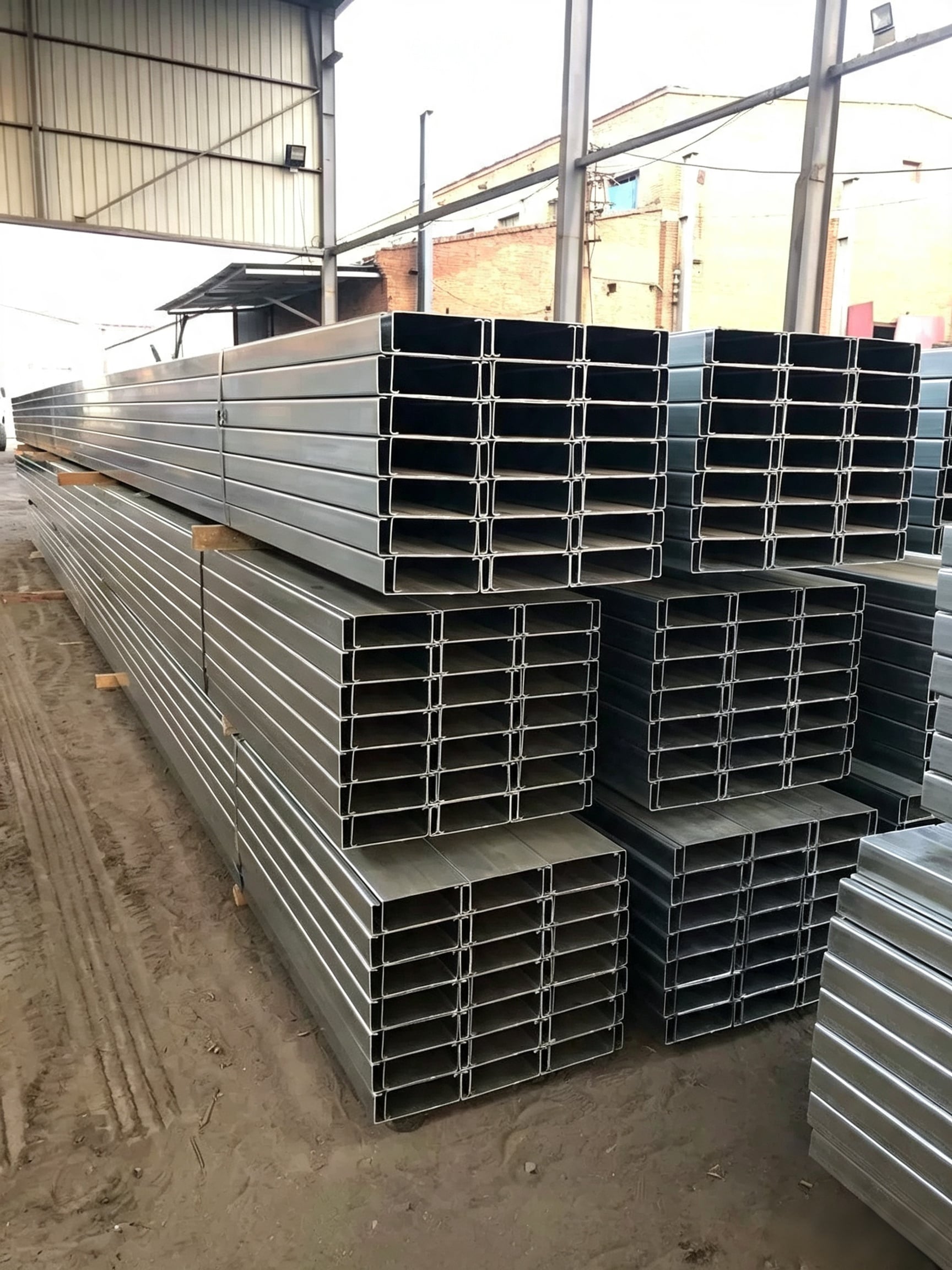
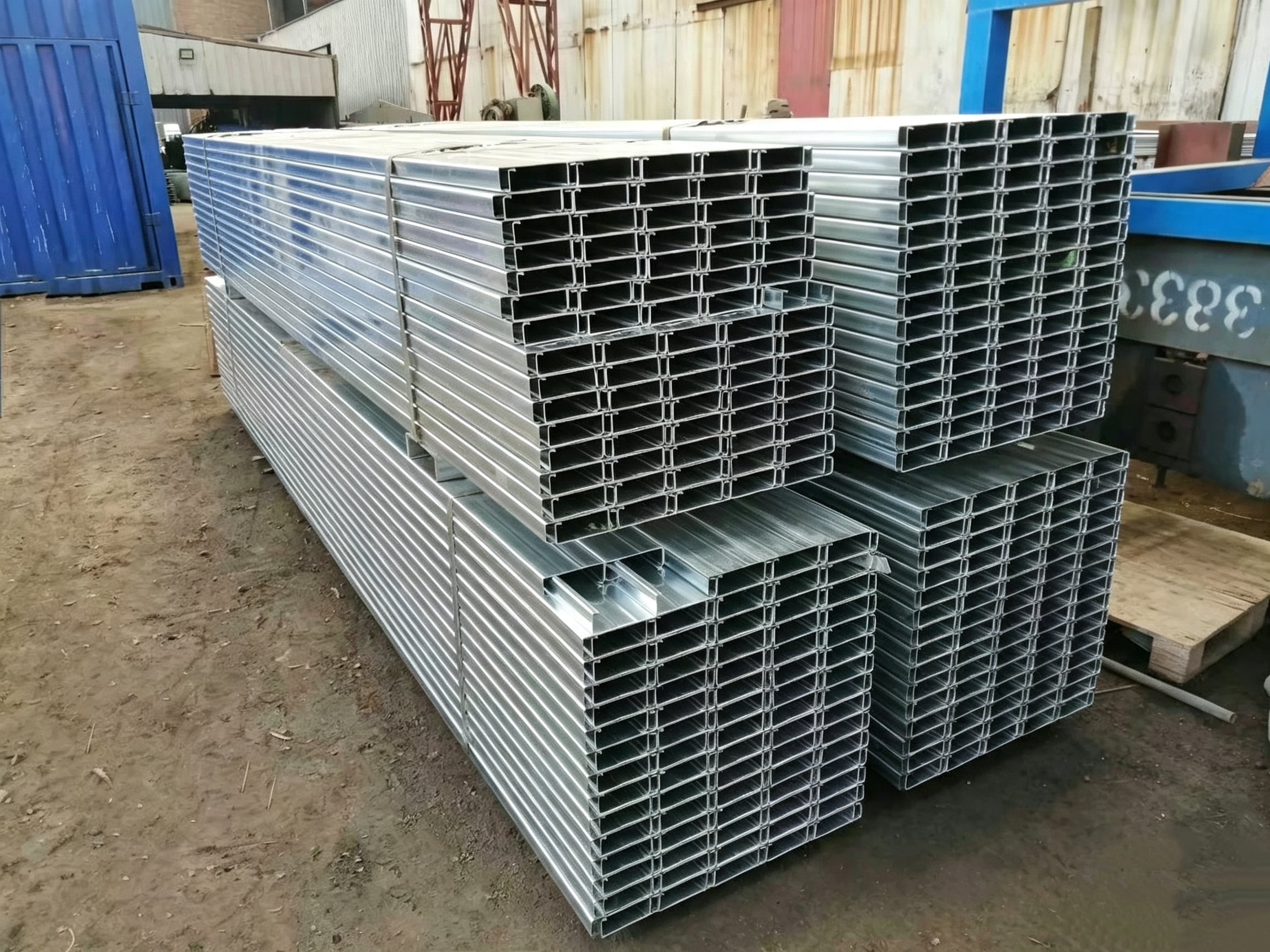
C section purlins are essential structural components in steel construction, widely used for providing support  in  various applications,  including building frames and roofing systems. For B2B buyers, understanding  the  specifications and  quality of  c section  purlins  is  critical  to ensure they  meet project requirements while adhering to budget and timeline constraints. This  article will guide  you through selecting the right c  section purlins,  evaluating their quality,  sourcing  reliable suppliers, understanding technical specifications, and addressing common  installation  challenges. Additionally, understanding the importance of the Secondary steel structure can further enhance the overall project integrity.

Why choose Xingyuanxing c section purlins

Our Products

Choosing the Right C Section Purlins for Your Project Needs

When selecting c section  purlins, it's crucial to consider  several factors  related to your specific project requirements. Start  with the load-bearing capacity, as this determines the  purlin's suitability  for your application. The thickness  of  the steel, measured  in millimeters, directly impacts the strength and durability of the purlins. Most commonly, c section purlins range from 1.5mm to 3.0mm in thickness, but your choice should reflect the expected loads and  environmental conditions.


Additionally, consider the length and width of the purlins. Standard dimensions may  not fit every application, and custom sizes can often  be ordered from manufacturers. Other factors include the material type,  typically galvanized steel, which offers corrosion resistance,  especially in outdoor applications. Understanding your project's specific requirements,  including the  anticipated loads and environmental factors,  will  significantly influence your choice  of c section purlins. For instance, the Roof system you choose can also impact the overall performance.

Frequently Asked Questions

Our Blog Posts

What Our Partners Say

How to Evaluate the Quality of C Section Purlins for Wholesale Purchase

How to Evaluate the Quality of C Section Purlins for Wholesale Purchase

Quality evaluation of c section purlins involves several key aspects that can affect performance and  longevity. First, inspect the material certifications; reputable  manufacturers will provide documentation  verifying the quality of the steel used. Look for standards such as ASTM or EN, which  indicate that the materials meet specific industry  requirements.

Another vital consideration is  the manufacturing process.  Ensure  that the purlins are produced using advanced techniques like cold-formed or  hot-rolled processes, as these methods can enhance strength and consistency. A  thorough  examination of the surface finish is also necessary; a properly galvanized surface should  be smooth and  free from defects,  ensuring  better  resistance to  corrosion.

Finally, conducting a physical inspection or requesting  samples before committing to a wholesale purchase  can prevent future issues.  This will allow you to assess the purlins' dimensions, weight, and overall construction quality firsthand, ensuring they meet your project's standards.

Where to Source Reliable C Section Purlins for Your Contracts

Where to Source Reliable C Section Purlins for Your Contracts

Finding a reliable source for c section purlins is paramount for  maintaining project integrity. Start by identifying manufacturers or  suppliers with  a solid reputation in the  industry. Companies  that have a proven track record, such as Tianjin  Xingyuanxing Color Steel Structure  Co., Ltd., known for their experience in the Beijing-Tianjin-Hebei  region, can often  provide a level of assurance regarding product quality and service.

When evaluating potential suppliers, consider their production capabilities, including  the range  of sizes and  customizations  available.  Ensure they have robust quality control processes in place, as this will affect the consistency of your orders. Additionally, inquire about  their  lead times and minimum order quantities (MOQ) to align with your project schedules.

Networking with industry contacts and seeking recommendations can also lead to discovering reliable suppliers. Attending trade shows or industry conferences provides  opportunities to connect directly with  manufacturers  and assess their offerings.

 
Technical Specifications for C Section Purlins You Should Know

Technical Specifications for C Section Purlins You Should Know

Understanding the technical specifications of c section  purlins is essential  for ensuring  they  meet your project requirements. Key specifications include:

Dimensions: Common dimensions include the depth and width of the purlins,  generally ranging from 100mm to 200mm  in depth and 50mm to 100mm in width. These dimensions impact the load-bearing capacity and installation compatibility.

Thickness: As mentioned earlier, thickness influences strength. For structural applications, a minimum  thickness of 1.5mm is often recommended, while heavier loads may require thicker purlins.

Material Composition: The steel used in production should ideally be galvanized or treated to resist corrosion, especially in outdoor environments. The material grade  can  also impact performance; for instance, S235 and S275 grades are commonly  used in  structural applications.

Load Capacity: Assessing  the load capacity  is critical for ensuring that your purlins can  support  the intended weight. Load tables can provide guidance  on the maximum loads for various  sizes  and thicknesses. It is also important to consider the Accessories that may be required for installation.

Buyers should confirm these specifications with their suppliers before placing an order to ensure the purlins will  function effectively in their  intended application.

Common Installation Problems with C Section Purlins and Solutions

Installation of c section purlins can present several challenges that can affect structural integrity if  not addressed properly. Common issues include  misalignment, inadequate fastening, and insufficient support.

Misalignment: Purlins must be installed straight and level to maintain structural integrity. Using  laser  levels or string lines during installation can help prevent misalignment. It's also advisable to double-check measurements before securing purlins  in place.


Inadequate Fastening:  Ensuring that purlins are properly fastened to the  main structure is vital. Using appropriate bolts, screws, or welds that meet the project specifications can prevent failure  during load-bearing. Consult the manufacturer's guidelines on  fastening methods and spacing  to ensure compliance.

Insufficient  Support: Purlins require adequate support to prevent sagging or bending under load. Confirm that support brackets  or beams are installed  correctly and spaced according to the manufacturer's recommendations.


By anticipating these common issues  and employing best practices  during installation,  you can enhance the performance and longevity  of c section  purlins in your projects.