C Sections Steel: Quality Evaluation and Benefits

application/c-sections-steel, application/c-sections-steel, 
Inquiry
Inquiry

c sections steel

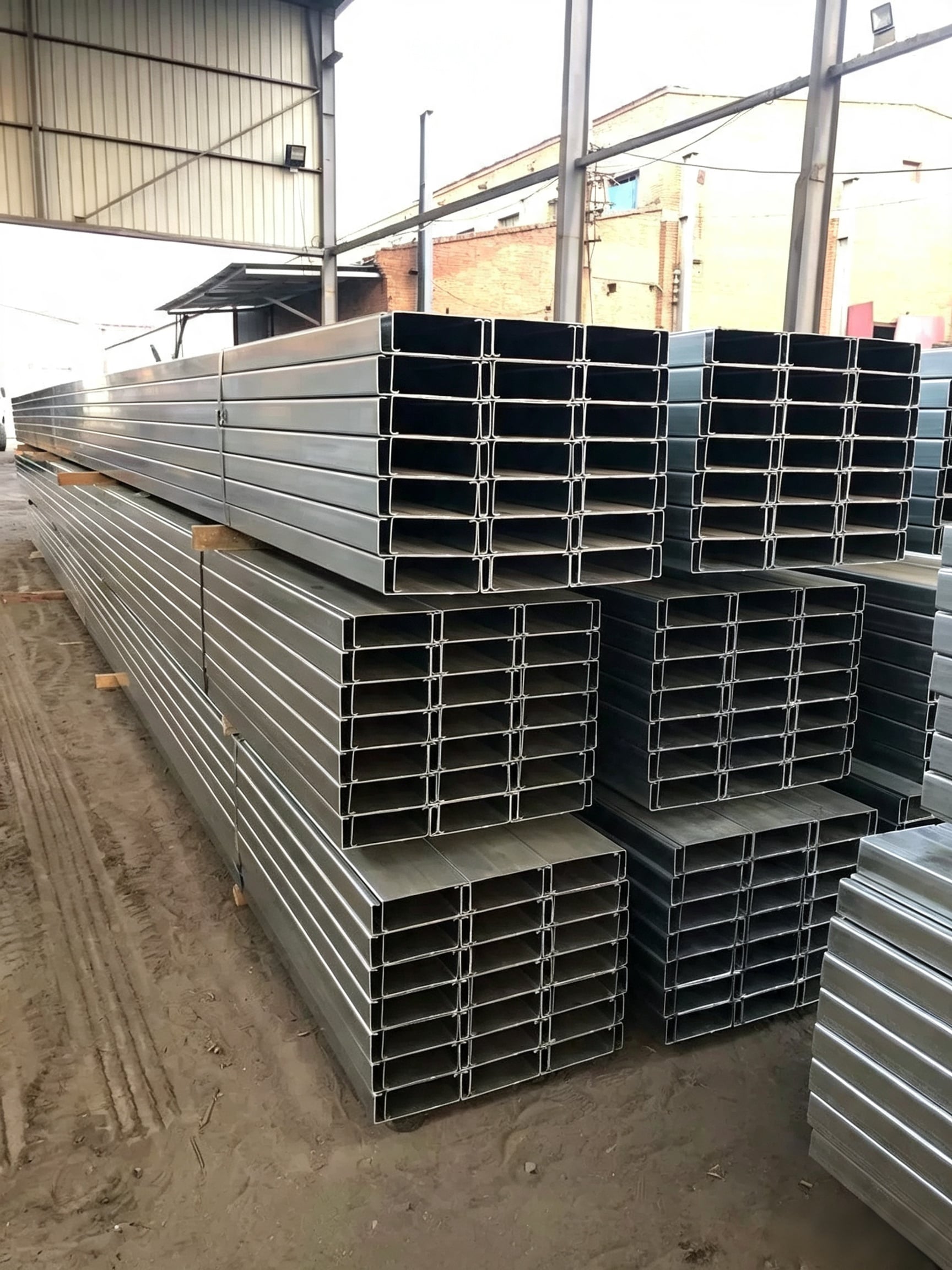
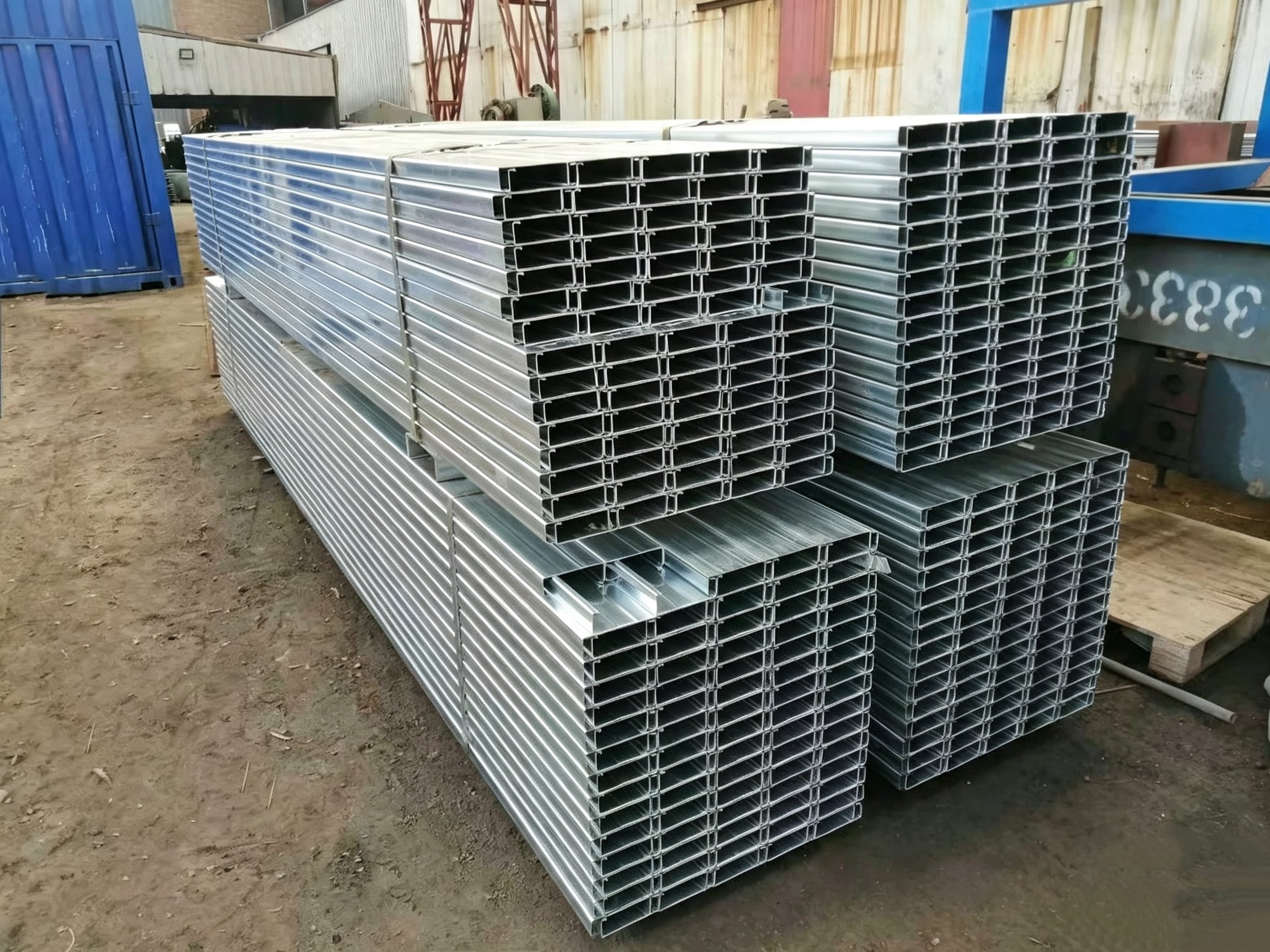
C sections steel are structural components  widely used in construction and industrial applications due to their strength and versatility. These  cold-formed steel sections are shaped like the letter "C"  and  are  essential  for creating reliable  frameworks for buildings, bridges,  and various infrastructure projects. For B2B buyers, understanding  the selection  criteria, quality evaluation, and  benefits of C  sections steel is crucial for making  informed purchasing decisions. This article aims to provide  insights  into what to consider when  choosing C sections steel, how  to evaluate product quality,  the benefits for distributors, specifications to understand, and  installation guidance  for effective project execution.

Why choose Xingyuanxing c sections steel

Our Products

What to Consider When Choosing C Sections Steel for Your Projects

When selecting C sections steel for a  project, several factors must  be taken into account to ensure  the material meets the specific requirements of the application. Key considerations include:

Material Specifications: Ensure the steel conforms to relevant industry standards, such as ASTM A570 or A992, which define the material properties, including tensile strength and yield  strength. The appropriate grade  should be chosen based  on the load-bearing requirements and environmental conditions.

Dimensions and Thickness: C  sections come in various sizes and thicknesses. It's essential to select  dimensions that align with the structural design, ensuring they can  support the intended loads without excessive deflection or failure.

Coating: Depending on the application environment, consider the type of coating (if any) that may  be necessary to prevent corrosion. Hot-dip galvanization, for instance, can enhance durability in outdoor settings. For example, Hot-Dip Galvanized I-beam Profiles 10# For Humid Industrial Workshops can be a great option for projects needing corrosion-resistant materials.

Customization: Many manufacturers, including Tianjin Xingyuanxing Color Steel Structure  Co., Ltd., offer customization  options to meet specific project needs.  Discussing these options early in the procurement  process can ensure that  the final product aligns  with design specifications.

By carefully evaluating these factors, buyers can make more informed decisions that  lead  to successful project  outcomes.


Frequently Asked Questions

Our Blog Posts

What Our Partners Say

Related product categories

How to Evaluate the Quality of C Sections Steel Products

How to Evaluate the Quality of C Sections Steel Products

Quality evaluation of C sections steel is critical to ensure they will perform  as expected in structural applications. Here  are some key aspects to assess:


Certifications: Verify that the manufacturer holds relevant certifications, such as ISO  9001 for quality management systems.  This indicates adherence to international quality standards  throughout the manufacturing process.

Material Testing: Request documentation that details material testing results, including tensile strength, yield strength, and elongation. This data provides assurance that the  steel meets specified performance criteria.


Visual Inspection: Check for any visible defects,  such as rust, dents, or inconsistencies in dimensions.  A thorough visual inspection can  reveal issues that may compromise the integrity  of the sections.

Sample Approval:  Before placing a large order, it is advisable  to request samples. Testing these samples under actual operating conditions will help confirm they meet performance expectations and design specifications.

Supplier Reputation: Research the manufacturer's  reputation in the  industry. A company  with a  strong track record of delivering high-quality products is more likely to provide reliable C sections steel.

By following these guidelines, buyers can mitigate risks  associated with poor-quality materials and ensure their projects are built  on a solid foundation.

Benefits of C Sections Steel for Distributors

Benefits of C Sections Steel for Distributors

C sections steel  offer numerous  advantages that make  them  an attractive product for distributors:

High Demand: With the ongoing growth in construction and infrastructure  projects, the  demand for C sections steel remains strong.  This creates a consistent market opportunity for distributors.

Versatility: C sections can be used  in a variety of applications, from residential buildings to large commercial structures. Their adaptability allows distributors to cater to a broad  customer base.

Stocking Options: Due to  their  standardized dimensions and specifications, C sections steel can be easily stocked and supplied in bulk,  simplifying logistics and inventory management.

Cost-Effectiveness: When sourced from reliable manufacturers like Tianjin Xingyuanxing, distributors can  benefit from competitive pricing and  high-quality products that enhance their reputation in  the market. For example, Factory Direct Q235B Angle Bar Steel With 90 Degree Right-Angle Structure offers great value for distributors.

Custom Solutions: Distributors can offer  customization options to their clients, tailoring products to meet  specific  project requirements. This adds value and strengthens customer relationships.

These  advantages position C sections steel as a strategic product  for distributors looking to expand their offerings and improve profitability.

Understanding the Specifications of C Sections Steel Products

Understanding the Specifications of C Sections Steel Products

Understanding the technical  specifications of C sections steel  is  essential for ensuring the right product is chosen for a specific application.  Key specifications include:

Thickness:  The thickness  of the steel section affects its strength and load-bearing capacity. Thicker sections  generally provide greater strength, but the choice must be balanced against weight considerations.

Dimensions:  Common dimensions include flange width, web depth, and length. Each dimension impacts the section's performance, so it is crucial to select the right specifications  based on structural requirements.

Steel Grade: The  grade of steel denotes its mechanical properties and suitability for various applications. Common grades include S235, S275, and S355, each suited for  different load conditions  and structural designs.


Weight: The weight of C sections  steel affects transportation and  handling. Buyers  should consider the weight in the context of the overall structural design to ensure ease of installation.

Fabrication Standards: Ensure the C  sections adhere to relevant fabrication standards, which may include welding specifications and tolerances. This ensures consistency and reliability in production.

By understanding  these specifications, buyers can select the  appropriate C sections steel that aligns with their project requirements and regulatory  standards.

Installation Guidance for C Sections Steel in Structural Projects

Proper  installation of C sections steel is vital to ensure  structural integrity and safety.  Here are essential guidelines for installation:

Pre-Installation Planning: Before beginning installation,  develop a comprehensive plan that  includes dimensions, load  calculations, and a  detailed installation procedure. This plan should also address any site-specific conditions.

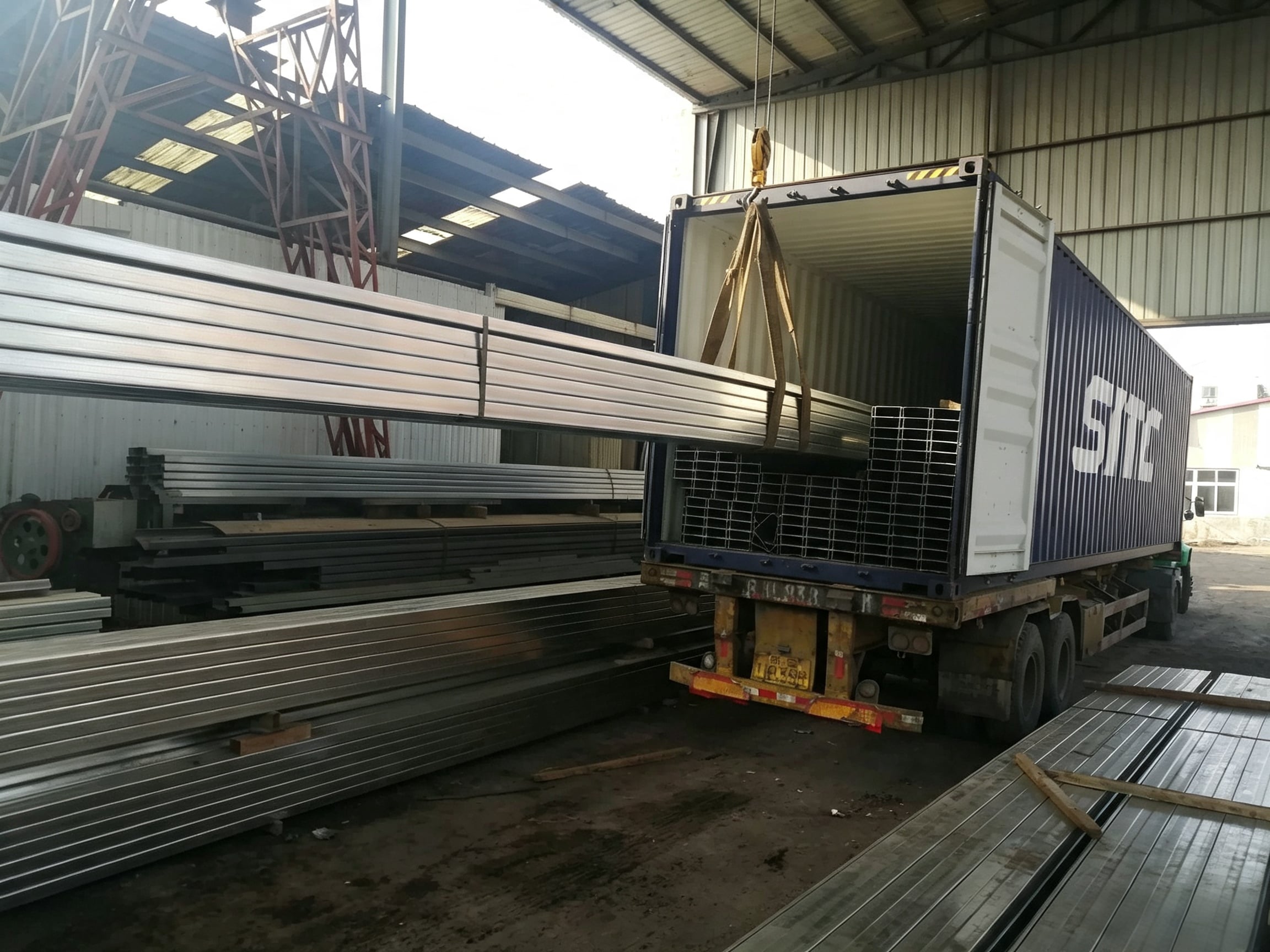
Handling and Storage: Store C sections steel in a dry, level  area to  prevent warping or damage. Use  appropriate lifting equipment to handle heavy sections safely.

Connection Methods: Familiarize yourself with the recommended connection methods, which may include bolting or welding. The chosen  method should comply with relevant engineering standards and provide sufficient strength.

Alignment and  Leveling: During installation, ensure that the sections are properly aligned and  leveled. Any misalignment can lead to structural issues and increased stress on the materials.

Inspection:  Conduct  a thorough inspection after installation to confirm that  all connections are secure and that  the sections are in compliance with design specifications. This step is crucial for identifying any potential issues before the structure is put to use.

By following these  installation guidelines, construction professionals can ensure that  C sections steel are installed correctly, contributing to  the overall safety and longevity of the structure.