Ribbed Metal Roofing: Key Specifications & Applications

application/ribbed-metal-roofing, application/ribbed-metal-roofing, 
Inquiry
Inquiry

ribbed metal roofing

Ribbed metal roofing is a  popular  choice among industrial and  commercial  projects due  to  its durability, aesthetic appeal, and cost-effectiveness. As a  B2B buyer,  understanding  the key  specifications,  installation considerations, and application areas for ribbed metal roofing is crucial for making an  informed  purchasing decision. This article will guide you through selecting  the  right ribbed metal roofing,  the technical specifications to consider,  cost factors, common  installation challenges, and  various applications in the  industry.

Why choose Xingyuanxing ribbed metal roofing

Our Products

Choosing the Right Ribbed Metal Roofing for Your Project Needs

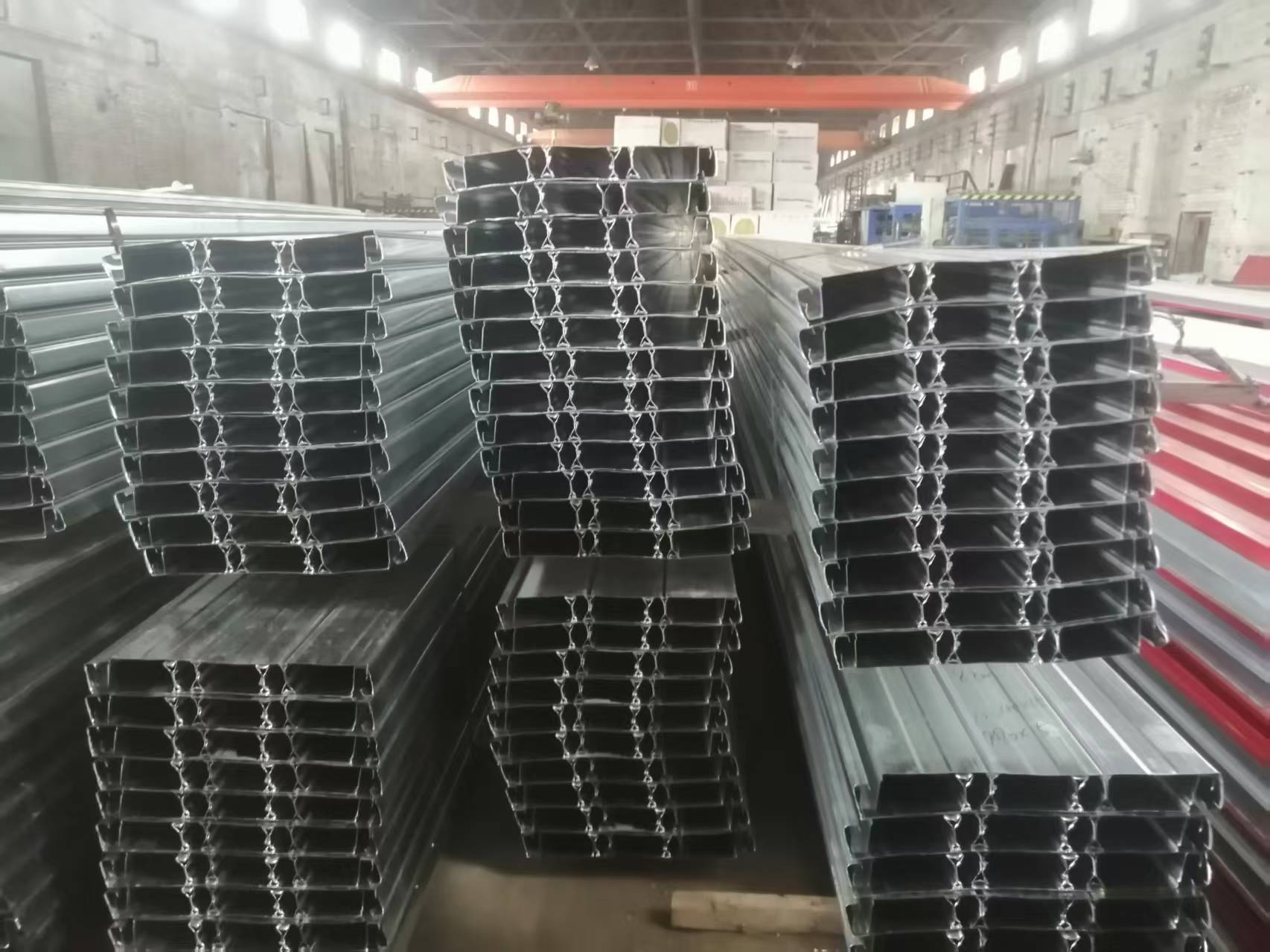
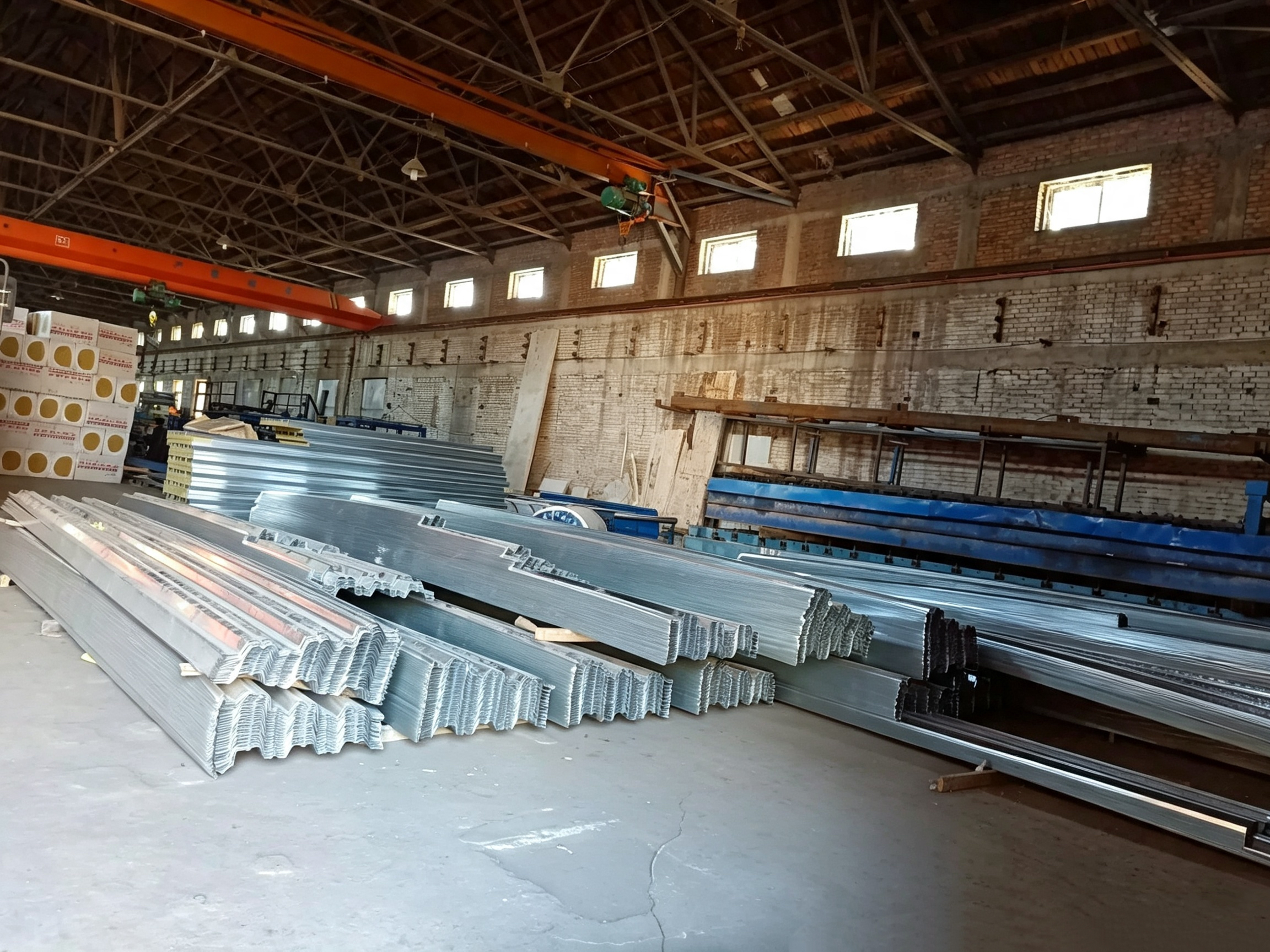
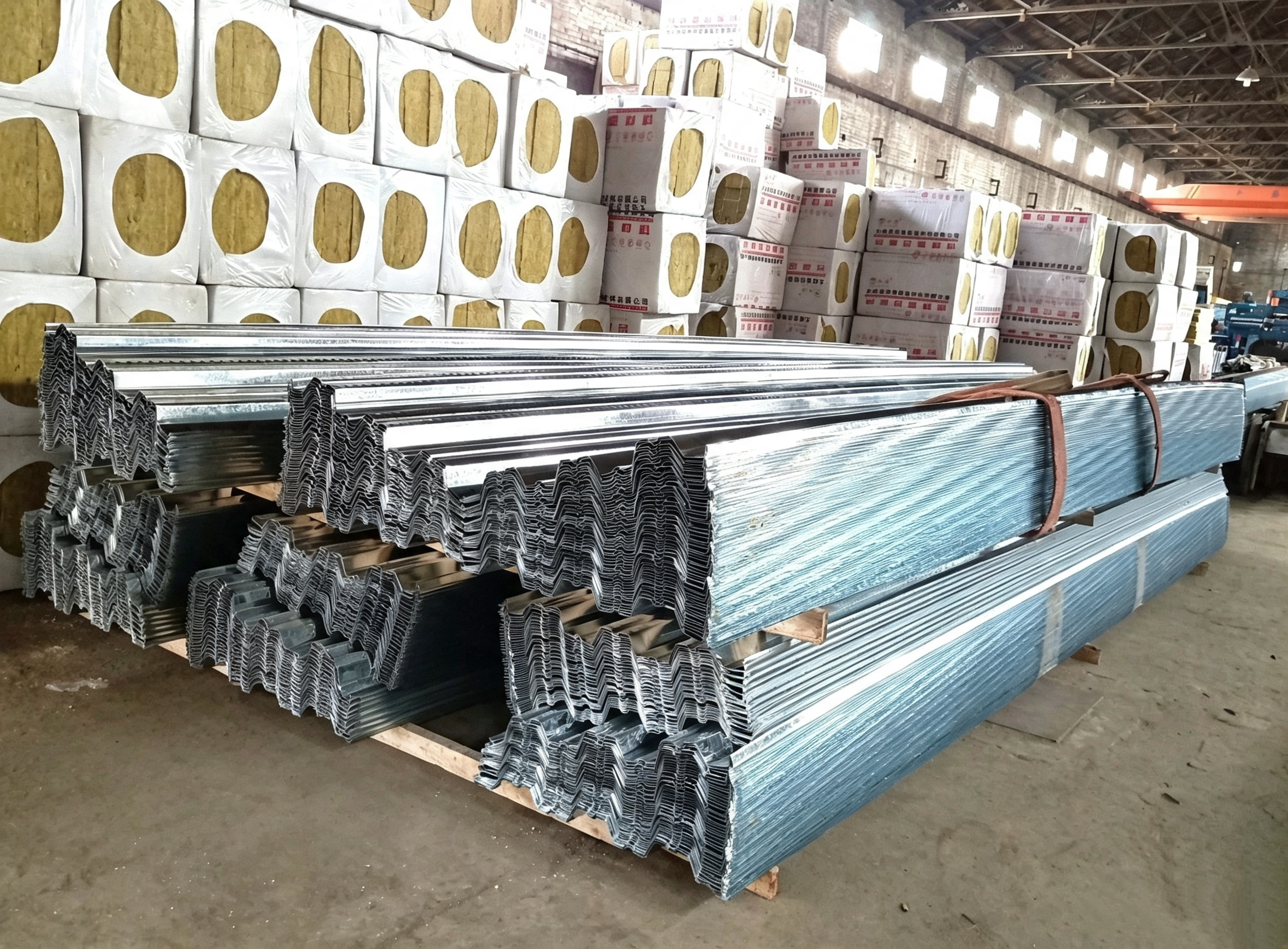
When selecting ribbed metal roofing, consider the specific requirements of  your project, including the intended use, environmental conditions, and  aesthetic preferences. The thickness  of the metal, typically  ranging from 24 to 29  gauge, plays  a significant role in determining the  roofing's strength  and  longevity. Thicker materials generally provide better resistance to impact and environmental stress. Additionally, consider the profile of the ribbed panels. Common styles include single rib and  double rib configurations,  with the  latter  offering increased strength and resistance to  wind  uplift. The finish is also critical—galvanized or pre-painted options enhance corrosion resistance and improve appearance, making them suitable  for various applications such as Galvanized Several-Shaped Steel Profiles 50*70mm For Greenhouse Frames.

Lastly, environmental factors such as local climate and exposure to chemicals should inform  your material choice. For example,  areas with heavy  snowfall may require a  standing seam system to allow for effective snow runoff.

Frequently Asked Questions

Our Blog Posts

What Our Partners Say

Related product categories

Key Technical Specifications of Ribbed Metal Roofing Explained

Key Technical Specifications of Ribbed Metal Roofing Explained

Understanding the technical specifications of ribbed metal roofing is vital for ensuring suitability for your application. Key specifications include:

  Gauge: The thickness  of the metal, typically measured in gauge. A lower gauge number indicates a thicker panel, which affects durability  and weight-bearing  capacity. Panel Width: Standard widths range from 26 to 36 inches. The width affects installation efficiency and  the  overall aesthetic. Rib Height and Spacing: These dimensions influence the roofing's structural performance and water drainage capabilities. Coating: The type of  coating, such  as  Kynar or polyester, affects weather  resistance, longevity, and color retention. Buyers should  evaluate the coating based on local environmental  conditions and desired lifespan. 

These specifications directly  impact the performance and suitability of  the roofing for specific applications,  so it's  crucial to  assess  them in relation to your project's requirements.

Cost Factors to Consider When Buying Ribbed Metal Roofing

Cost Factors to Consider When Buying Ribbed Metal Roofing

The cost of  ribbed  metal  roofing can vary  significantly based on several factors. Key  considerations include:

Material  Costs: Prices fluctuate based  on the  type of metal (steel, aluminum, etc.) and the gauge selected. Thicker and more corrosion-resistant materials  generally command higher prices. Profile and Design: More complex rib profiles or custom designs may increase costs due to additional manufacturing processes.  Quantity: Bulk purchases often  come with discounts, making it economically advantageous to buy in larger quantities. Shipping and Handling: Consider the logistics of  transporting large panels, which may incur additional costs based  on distance  and delivery  method. <p>Understanding these factors  can help  buyers make informed financial decisions and ensure that they stay  within budget  while meeting project specifications.
Common Installation Problems with Ribbed Metal Roofing and Solutions

Common Installation Problems with Ribbed Metal Roofing and Solutions

While ribbed metal roofing is  designed for durability, improper installation can lead to various problems. Common issues include:

Misalignment  of Panels: Panels  that  are not aligned correctly can lead to leaks and structural weaknesses.  To mitigate this, ensure that the roof deck is level and follow manufacturer  guidelines closely during installation.  Inadequate Fastening: Insufficient or incorrect  fastening can result in  panels lifting  or  blowing off during high winds. Use the recommended fasteners and ensure they are installed at the proper torque. Thermal Expansion: Metal expands and  contracts with  temperature fluctuations.  Allow for adequate spacing and use appropriate clips to accommodate movement, preventing buckling  or deformation. 

By  addressing these potential issues early in the installation  process, you can enhance the longevity  and effectiveness of the roofing system.

Applications of Ribbed Metal Roofing in Various Industrial Projects

Ribbed metal roofing is versatile and suitable for  a wide range  of industrial applications. Common  uses include:

Warehouses and Storage Facilities: The durability of  ribbed metal roofing makes it ideal for  large structures that require long-lasting protection against the elements. Manufacturing Plants: The strength of ribbed panels supports the structural demands of manufacturing  environments while providing an aesthetically pleasing appearance. Agricultural Buildings: The weather resistance and low maintenance requirements of ribbed metal roofing make it a practical choice for barns and  storage facilities. Retail and Commercial Buildings: The visual appeal and customization  options available with ribbed metal roofing can enhance the storefronts of retail spaces. 

Each of these applications benefits from the  unique properties of ribbed metal  roofing, making it a reliable choice for various sectors in the  industrial landscape, including options like Hot-Dip Galvanized I-beam Profiles 10# For Humid Industrial Workshops.

By understanding  the specifications, cost  factors, potential installation  challenges, and application suitability of ribbed metal roofing, B2B buyers can make informed decisions that align with their project needs. This knowledge not only  streamlines the purchasing process  but also ensures that the selected  roofing system delivers optimal performance and value  over its lifespan.