Quality Prefabricated Metal Sheds for Various Uses

application/prefabricated-metal-sheds, application/prefabricated-metal-sheds, 
Inquiry
Inquiry

prefabricated metal sheds

Prefabricated metal  sheds are versatile structures  widely  used in various industries  for storage, workshops, and other  applications. These sheds are manufactured  off-site, allowing  for quick assembly  and  reduced construction time.  As a  B2B  buyer, your main  concerns may include quality, cost, supplier reliability, and installation  processes.  This article aims to provide you with critical insights into  prefabricated metal sheds, including  key  specifications, supplier  evaluation, cost factors, installation  guidance, and applications across different sectors.

Why choose Xingyuanxing prefabricated metal sheds

Our Products

Key Specifications for Quality Prefabricated Metal Sheds

When  considering prefabricated  metal sheds, several specifications must  be evaluated to ensure you select a structure that meets  your needs. Key specifications include:

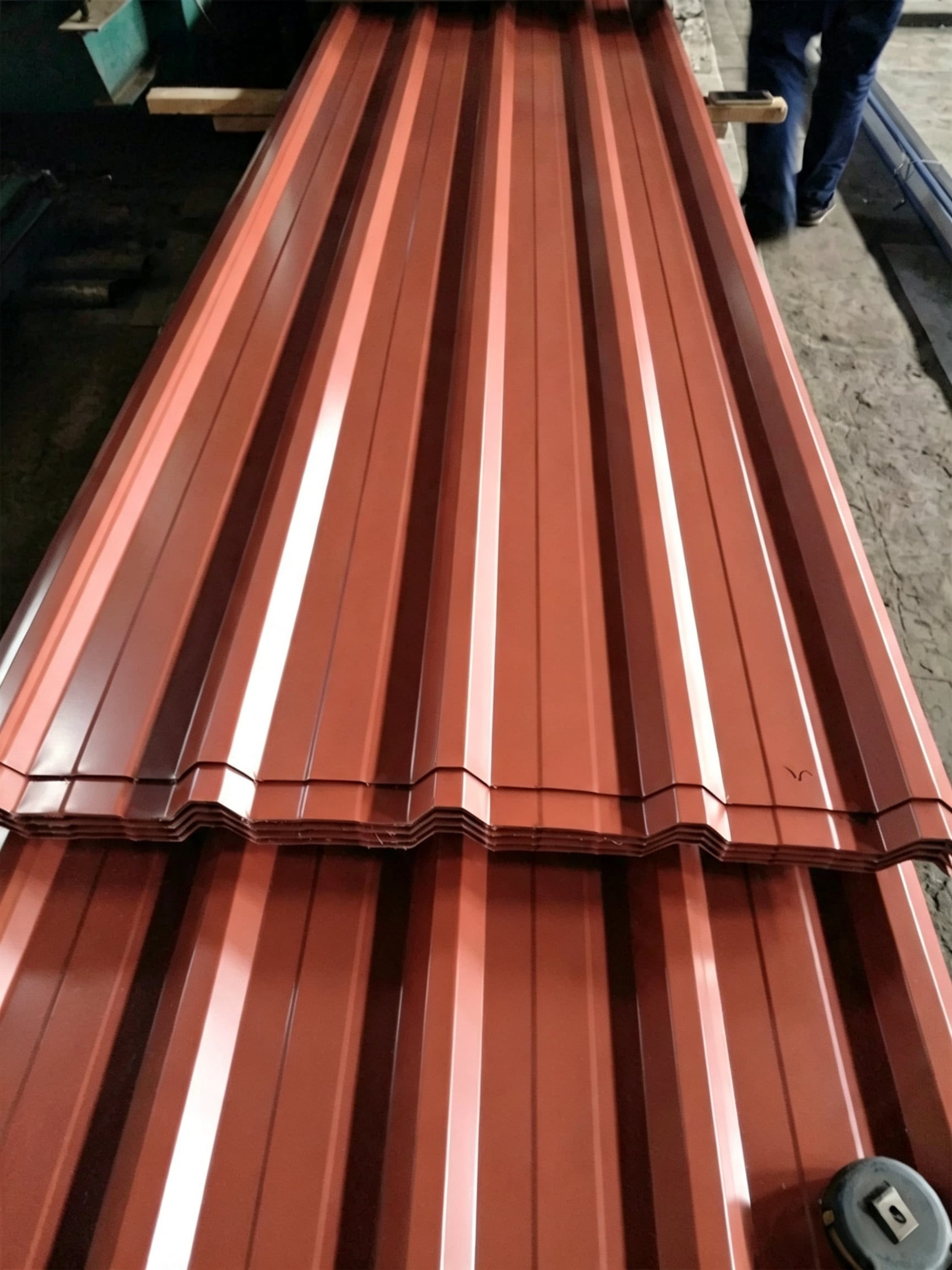
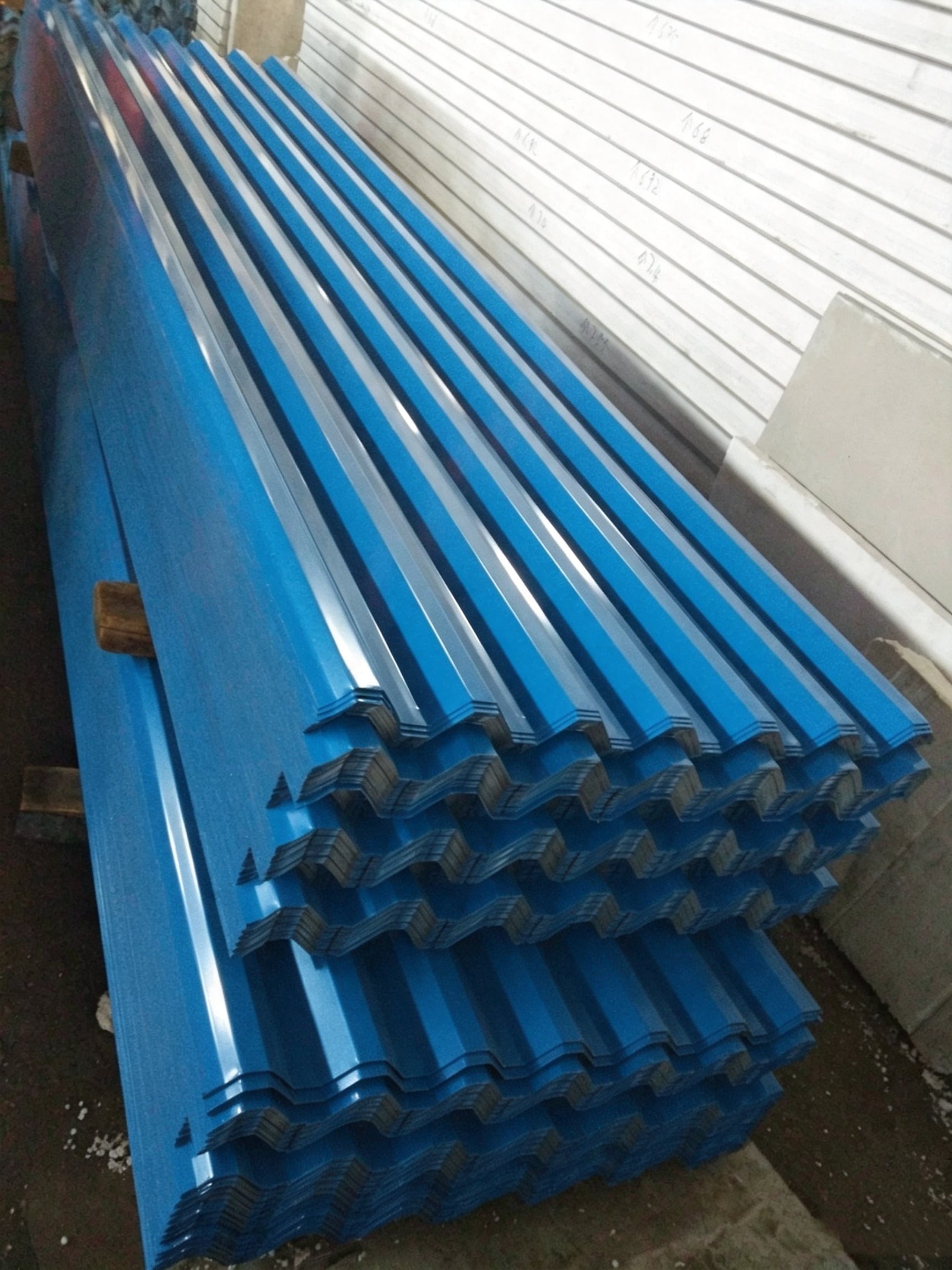
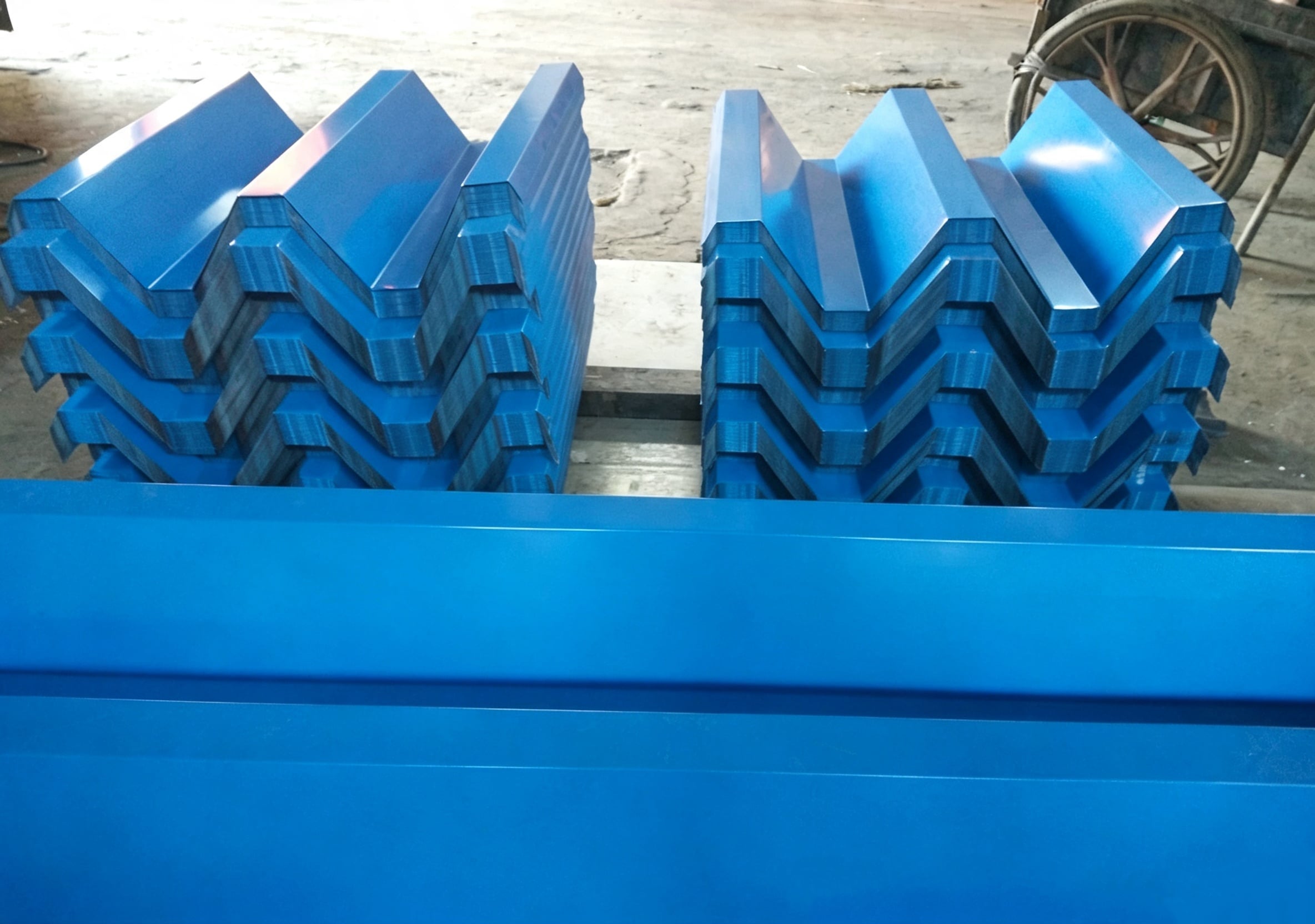
Material Type: Most prefabricated metal sheds are constructed  from galvanized steel or color-coated steel, which offers excellent durability and resistance to corrosion. The choice of material affects the shed's longevity and  maintenance requirements. For instance, Galvanized Several-Shaped Steel Profiles 50*70mm For Greenhouse Frames are a great option for enhancing durability.

Dimensions: Standard sizes can vary, but customization is often available to meet specific spatial constraints or capacity needs. Ensure that the  dimensions align with  your intended use, whether for storage or operational functions.

Thickness: The thickness of the steel used impacts the shed’s strength and durability. A thicker gauge (e.g.,  14 or 16  gauge) typically  offers better protection against environmental factors and impacts.

Structural Design: The design, including roof pitch and wall configuration, can influence performance, such as load-bearing capacity and resistance to wind or snow loads. Be sure to check local building codes and environmental  factors relevant to your area.

Quality  Control Processes: Understanding the  quality  control measures in place  during manufacturing  can provide insights into the expected durability and reliability of the shed. Look for manufacturers that adhere  to industry  standards and conduct rigorous testing.

These specifications directly influence the shed's performance and suitability for your intended application. Be sure to confirm these factors with your supplier to ensure alignment with your requirements.

Frequently Asked Questions

Our Blog Posts

What Our Partners Say

Related product categories

How to Evaluate Supplier Reliability for Metal Sheds

How to Evaluate Supplier Reliability for Metal Sheds

Choosing a reliable supplier for prefabricated metal sheds  is crucial for ensuring product quality  and service efficiency. Consider the following factors when evaluating suppliers:

Experience and Reputation: Look for suppliers  with a proven track record in the industry, such  as Tianjin Xingyuanxing Color  Steel Structure Co., Ltd., which has over 10 years  of experience in steel structure engineering. Research customer  reviews and case studies to gauge their reputation.

Manufacturing Capabilities: Assess the supplier’s manufacturing capabilities, including production equipment and capacity. A supplier with advanced  machinery  can  offer better precision and customization options, ensuring that the product meets your specifications. For example, High Tensile Strength Steel Tie Rod Q235B Carbon Structural Steel For Steel showcases such capabilities.

Certifications and Compliance: Verify any industry certifications the supplier holds, which can demonstrate adherence to quality standards and regulations. This is particularly important in industries  with strict compliance requirements.

Customer Support: Evaluate  the supplier’s customer service responsiveness. A supplier that offers support throughout the purchasing process,  including installation guidance and after-sales service, can significantly enhance your experience.

Sample  Approval Process: Before committing to a large order, request samples to evaluate quality firsthand.  This step can help you confirm that the shed meets your  specifications and expectations.

By considering these  factors, you can make a more  informed decision  and select a supplier that aligns with your business needs.

Cost Factors to Consider When Buying Prefabricated Metal Sheds

Cost Factors to Consider When Buying Prefabricated Metal Sheds

Understanding the cost structure associated with prefabricated metal sheds is  essential  for making a budget-conscious decision. Here are key cost factors to consider:

Material Costs: The type and thickness of steel used will significantly affect the overall cost. Higher-quality materials may come with a premium but can lead to reduced maintenance  and longer life expectancy.

Customization Options: Custom specifications, such as size adjustments or unique design features, can increase costs. It's essential to balance your specific needs with your  budget when considering customization.

Shipping and Installation Fees: Factor in the costs associated with transporting the shed to your location and any  installation services.  Some suppliers offer packaged  deals  that can provide savings on shipping and assembly.

Long-term Maintenance: While  upfront costs are critical, consider the long-term  maintenance expenses associated with the materials chosen. Opting for more durable materials may reduce ongoing costs related  to repairs or  replacements.

Volume Discounts: If you plan to order multiple units, inquire about discounts for bulk  purchases. This can lead to significant  savings, especially if your organization  has  ongoing needs for additional sheds.

Being aware of  these cost factors can help you negotiate effectively and ensure that you  receive the best value for your investment in prefabricated metal  sheds.

Installation Guidance for Prefabricated Metal Shed Projects

Installation Guidance for Prefabricated Metal Shed Projects

Proper installation is crucial to the performance and longevity of prefabricated  metal sheds. Here  are some essential guidelines to follow during installation:

Site  Preparation: Before installation, ensure  that the site is level and free of debris. Adequate drainage should also be considered to prevent water accumulation around the shed.

Follow Manufacturer Instructions: Adhering to the supplier's  installation  instructions is vital. These  guidelines  are  based  on the specific  design and materials used, ensuring proper assembly and structural integrity.

Use Qualified Personnel: Employ trained  professionals for the installation process. Experienced installers can  identify potential issues during assembly that may not be apparent to less experienced personnel.

Check Local Building Codes: Confirm that your installation complies with local building regulations, especially regarding permits and zoning laws. This can prevent future complications with inspections or legal issues.

Post-Installation Inspection: After installation, conduct a thorough inspection to ensure that  all components are secure and  functioning as intended. This step can help identify any issues early on,  allowing for prompt resolution.

By  following these  guidelines,  you can ensure a smooth installation process and maximize the performance of your prefabricated metal shed.

Applications of Prefabricated Metal Sheds in Various Industries

Prefabricated metal sheds are utilized across multiple  sectors due to  their  adaptability and durability. Here are some common applications:

Agriculture: Metal sheds provide secure storage for equipment, feed, and livestock. Their robust construction can withstand harsh weather conditions, making them ideal for farms.

Manufacturing: In manufacturing settings, these sheds can serve as workshops, storage facilities, or equipment shelters,  supporting operational efficiency and organization.

Retail: Retail businesses often use prefabricated metal sheds as additional storage or display spaces. Their customizable nature allows for various configurations to fit specific retail needs.

Construction: Construction  sites benefit from these  sheds as temporary offices  or storage  for tools and materials. Their quick  assembly and mobility  make them practical for dynamic work environments.

Recreational Facilities: Metal sheds can be used in parks or recreational areas for equipment storage or as staff facilities.  Their durability ensures  they remain functional over  time, even with high  usage.

Each application may have unique requirements, so it’s essential to assess the specific needs of  your industry when selecting a prefabricated  metal shed. Understanding  the various applications can  also help you explore how to best utilize these structures for your  organization.