Wholesale Options for Metal Warehouse Roofs

application/metal-warehouse-roof, application/metal-warehouse-roof, 
Inquiry
Inquiry

metal warehouse roof

Metal  warehouse  roofs  are  critical components in the construction  and  design  of commercial  and industrial buildings, providing durability,  protection,  and insulation against various weather conditions.  As purchasing managers and engineers consider their options, they often prioritize quality, specifications,  and installation processes.  This article  aims to  provide comprehensive insights on  metal warehouse roofs, guiding B2B buyers through key considerations for  selection, installation guidelines, and common issues  faced with  these structures.


Why choose Xingyuanxing metal warehouse roof

Our Products

Wholesale Options for High-Quality Metal Warehouse Roofs

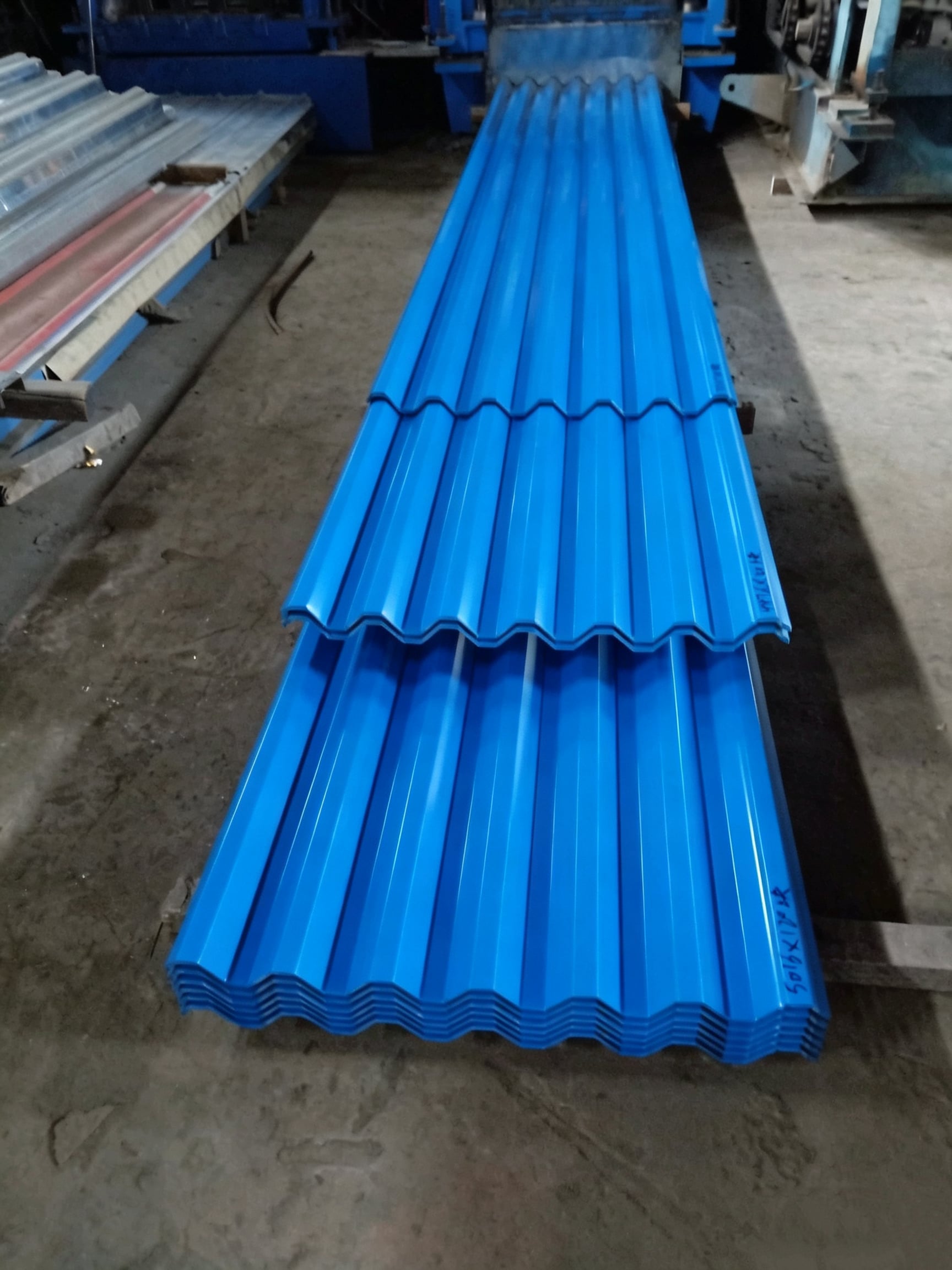
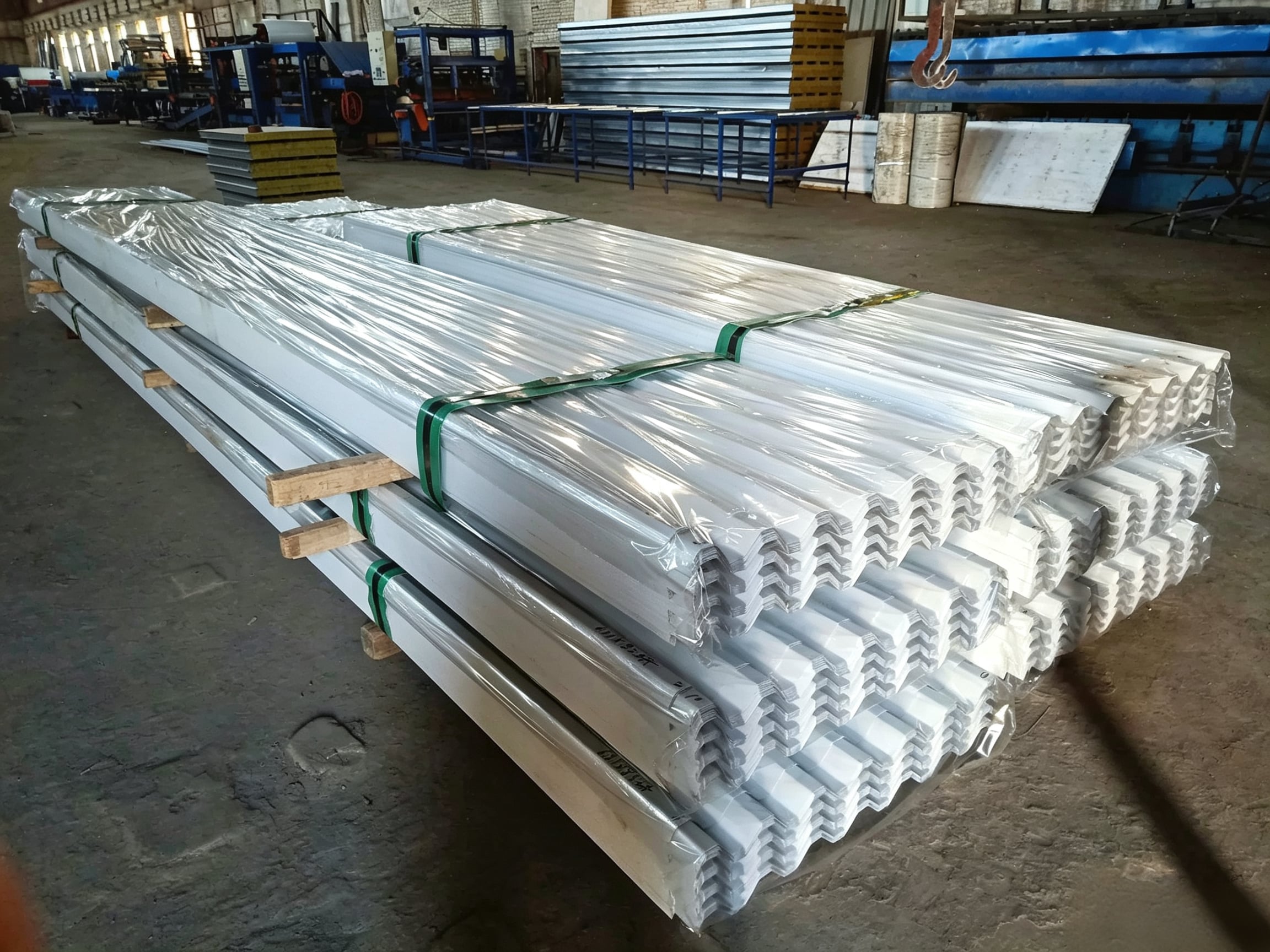
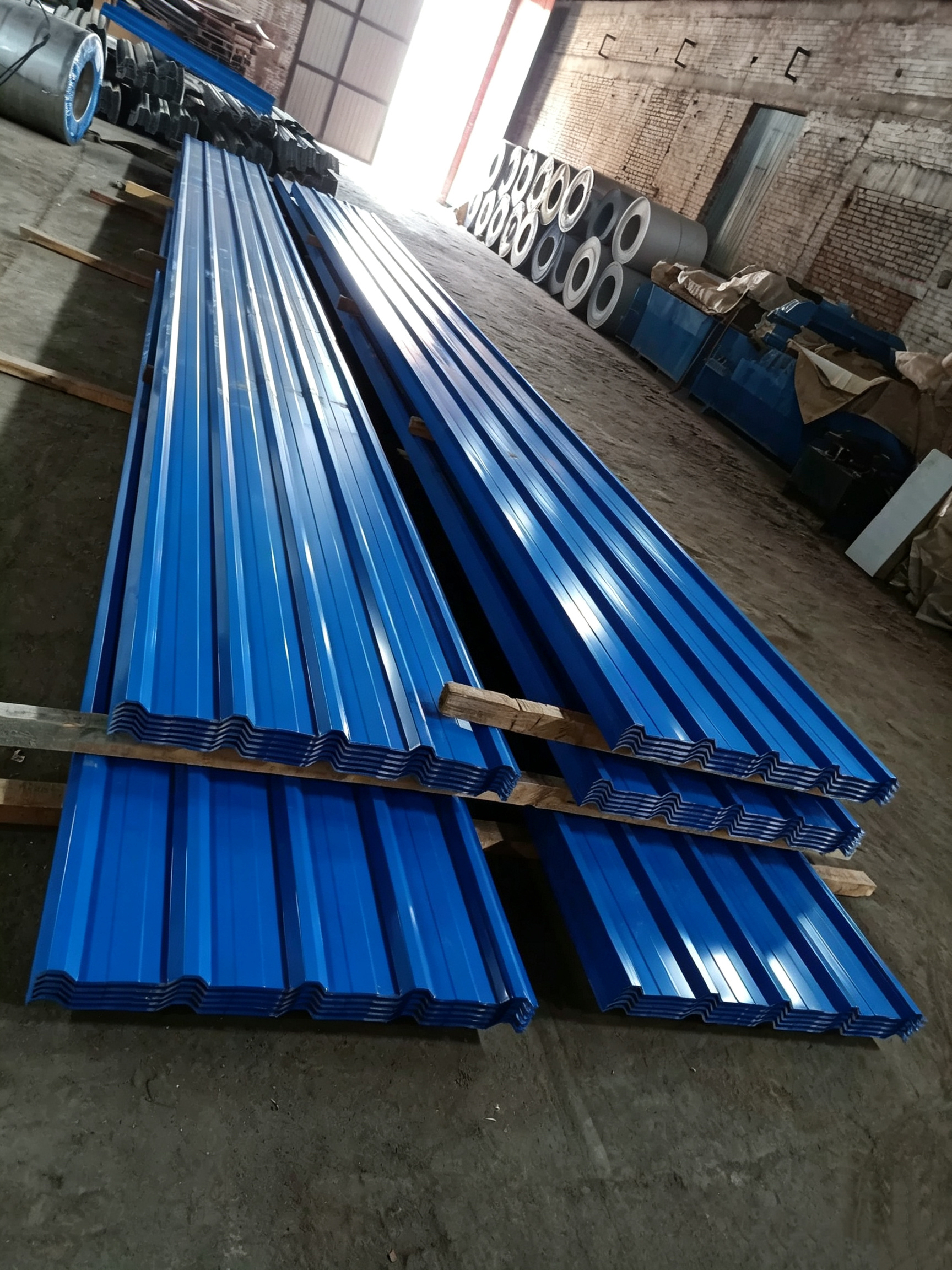
When sourcing  metal warehouse roofs, wholesale  options  can provide significant cost advantages and flexibility for  large-scale projects. Factors to  consider include the type of metal (such as galvanized  steel, aluminum, or zinc-coated  steel), the thickness (typically ranging from 22 to 26 gauge), and the roofing profile (such  as  corrugated,  standing seam, or flat panels).

Tianjin Xingyuanxing Color Steel Structure Co., Ltd. offers a range of customizable  solutions to meet diverse  project requirements.  Buyers should inquire about  minimum  order quantities (MOQ), which can vary  based on the specific type and design  of the roofing. Additionally, understanding the lead  times for  production and delivery is crucial, as this can significantly impact  project schedules. For instance, using Galvanized Several-Shaped Steel Profiles 50*70mm For Greenhouse Frames can enhance structural integrity.

Frequently Asked Questions

Our Blog Posts

What Our Partners Say

Key Specifications to Consider in Metal Warehouse Roofs

Key Specifications to Consider in Metal Warehouse Roofs

Selecting the right metal warehouse roof involves evaluating several  essential  specifications:

Material Thickness: The gauge of the metal  affects  its strength and durability. Thicker materials generally offer better resistance  to impacts  and weather  conditions but may also increase costs.

Coating: A protective  coating  is essential  for preventing corrosion and extending the roof's lifespan. Buyers should consider options like paint, galvanization, or polymer coatings, depending on environmental conditions.

Insulation: Depending on the intended use of the warehouse, insulation may be necessary  to regulate interior temperatures. Buyers should evaluate insulation options and their thermal performance ratings.

Load-Bearing  Capacity: It's  vital to ensure  that the  roof  can withstand expected loads, including snow, wind, and any rooftop equipment. This capacity should be confirmed with structural engineers during the design phase.


Understanding these specifications will help buyers select a metal warehouse roof that  meets their  operational needs while  ensuring long-term performance.

What to Look For

What to Look For

When evaluating potential suppliers for metal warehouse roofs, buyers should consider the following factors:

Manufacturing Capabilities: Assess the supplier's  production equipment and capabilities to ensure they can meet specific design requirements and quality  standards. 


Quality Control Processes: Inquire about the supplier's quality assurance  practices. A robust quality control process can prevent  defects and ensure  that the final product meets all specifications.


Customization Options: Many projects  require tailored solutions. Buyers should confirm the  supplier's ability to customize dimensions, colors, and coatings  to  fit specific project requirements.

Experience and Reputation: Suppliers with a  proven  track record in the industry, such as Tianjin Xingyuanxing, often offer more reliable products and services. Look for customer testimonials and case studies to gauge their credibility.

By  focusing on these criteria,  purchasing  managers can make informed  decisions that align  with  their project goals.

Installation Guidelines for Metal Warehouse Roofs

Installation Guidelines for Metal Warehouse Roofs

Proper installation of metal warehouse roofs is  crucial for  ensuring their performance and longevity. Buyers  should consider the following guidelines:

Site Preparation: Ensure the building structure  is adequately prepared to support the  roof. This includes  checking for level surfaces and proper drainage systems.

Weather  Considerations: Schedule installation during favorable  weather conditions to avoid complications arising from rain, snow, or  extreme temperatures.

Fastening Methods: Select appropriate fastening  methods for the roofing material. Techniques may include using screws, clips, or adhesives, depending on the roofing profile  and environmental conditions.


Sealing and Waterproofing:  Properly seal joints and  seams to prevent water infiltration. Buyers should verify that  the  installation team is familiar  with sealing techniques specific to the chosen roofing system.

Following these installation  guidelines can help ensure that the metal warehouse roof performs effectively  and meets expected service life.


Common Problems with Metal Warehouse Roofs and Their Solutions

Despite their durability, metal warehouse roofs can encounter several issues over time. Common problems include:


Corrosion: Exposure to the  elements can lead to rust and deterioration  of the metal surface. To mitigate this, regular maintenance and inspections are essential. Application of protective  coatings can also  extend the life of the roof.

Leaks: Improper installation or damage over time  can create leaks in the roofing system. Regular checks of seams  and joints, along with timely repairs, can help prevent water damage inside the warehouse.

Thermal Expansion:  Metal roofs expand and contract with temperature changes, which can lead to warping or buckling if not properly installed. Ensuring proper spacing and using appropriate fastening  methods can help accommodate these  changes.

Punctures and Dents: Heavy impacts  from falling debris or foot traffic can cause damage. Buyers should consider installing protective  measures, such as walkways for maintenance access, to minimize risks.

Addressing  these common problems proactively  can help maintain  the integrity and functionality of metal warehouse  roofs  over time.

By understanding these aspects  of metal warehouse roofs, B2B buyers can  make informed decisions that enhance  their project's success and longevity.