Essential Guide to Metal Sheds for Sale

application/metal-sheds-for-sale, application/metal-sheds-for-sale, 
Inquiry
Inquiry

metal sheds for sale

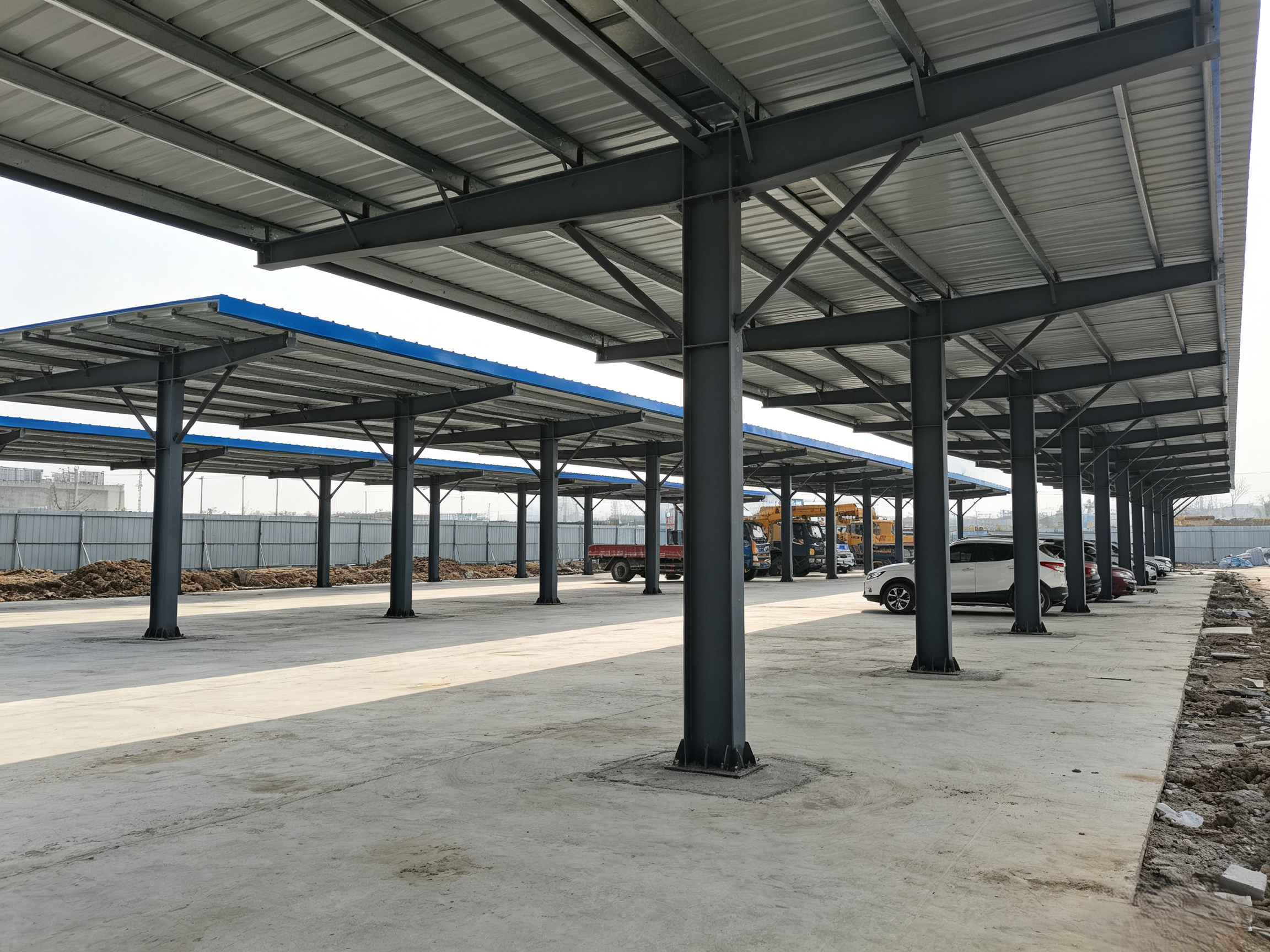
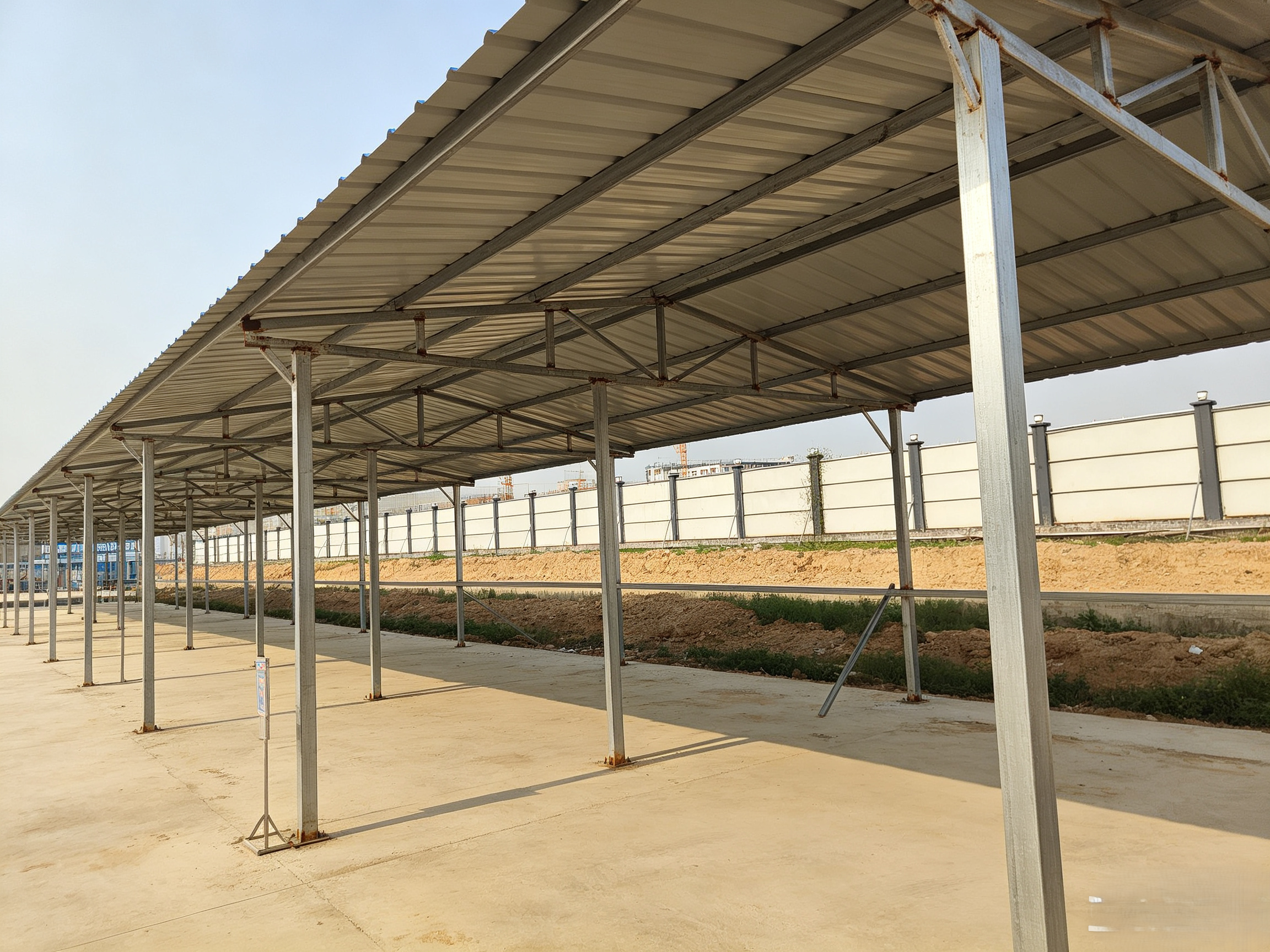
Metal sheds are versatile  structures  that  serve a variety of purposes in both commercial  and  industrial  settings.  For  organizations looking  to invest in durable storage solutions,  exploring metal sheds for  sale is essential.  Key considerations include material  quality, design  specifications,  and application  suitability. This article will guide you through the considerations to make when selecting metal  sheds, covering cost factors,  best practices, common issues, and the  diverse applications  of metal sheds across industries.

Why choose Xingyuanxing metal sheds for sale

What to Consider When Choosing Metal Sheds for Sale

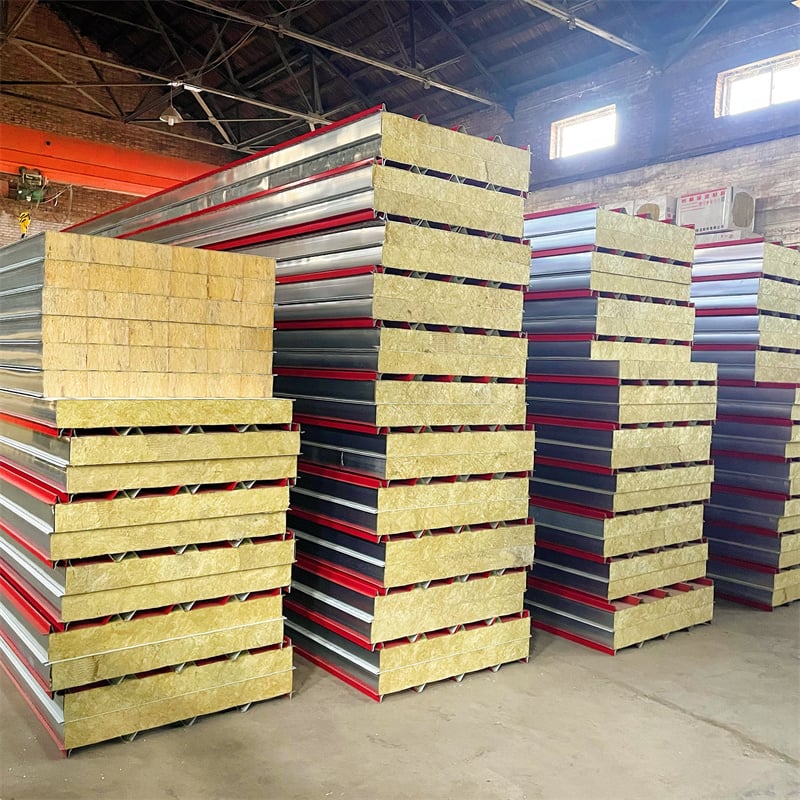
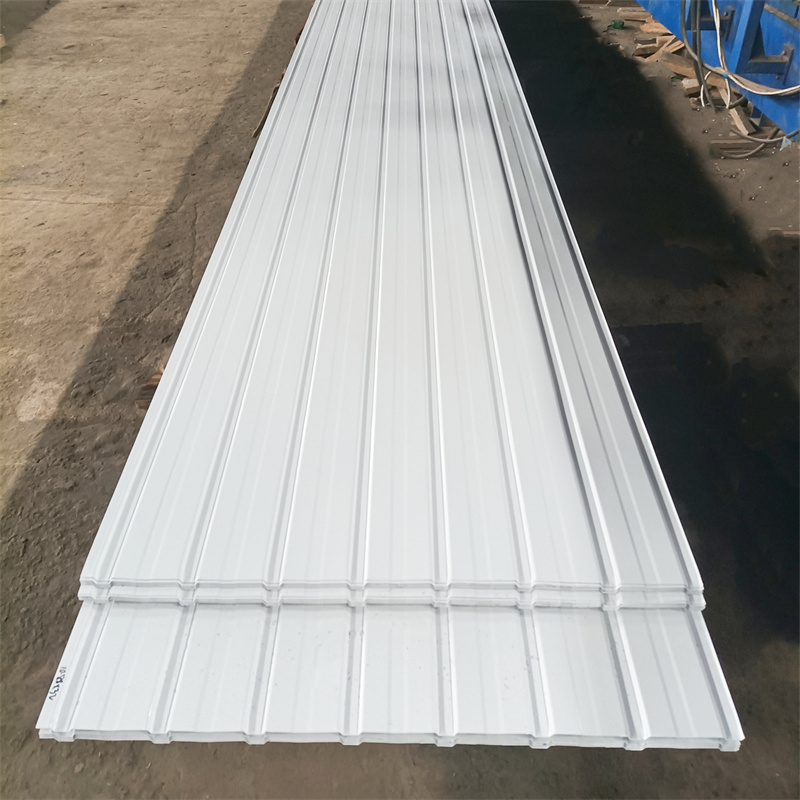
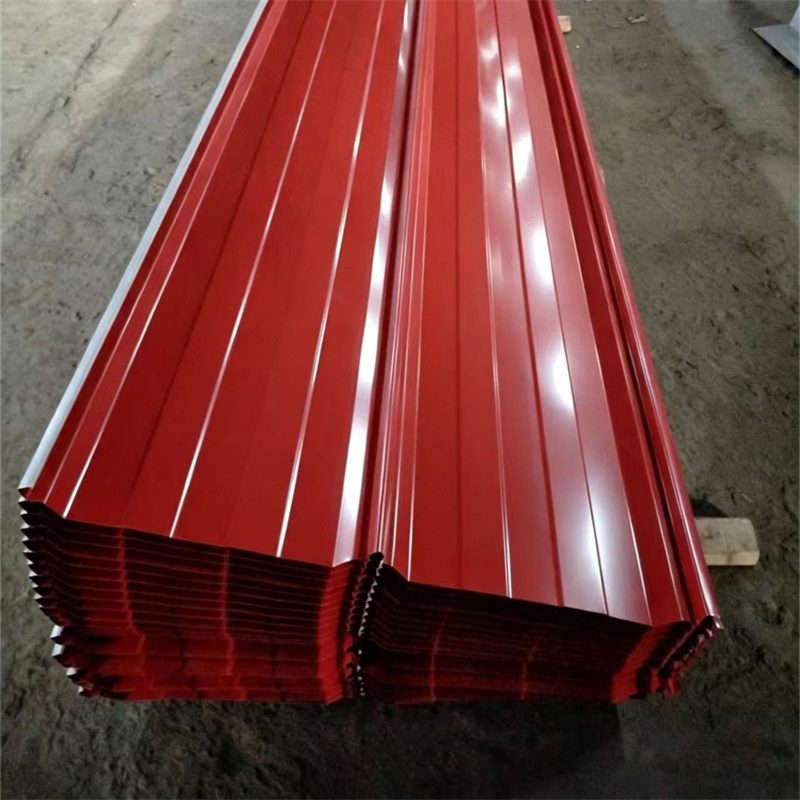
When  selecting  a metal shed, several factors should influence your  decision. First, consider the material. Most metal sheds are constructed  from galvanized steel, which offers excellent resistance to rust and corrosion.  Look for sheds with a high-quality coating to  enhance durability and longevity, especially if the shed will  be exposed  to harsh weather conditions.

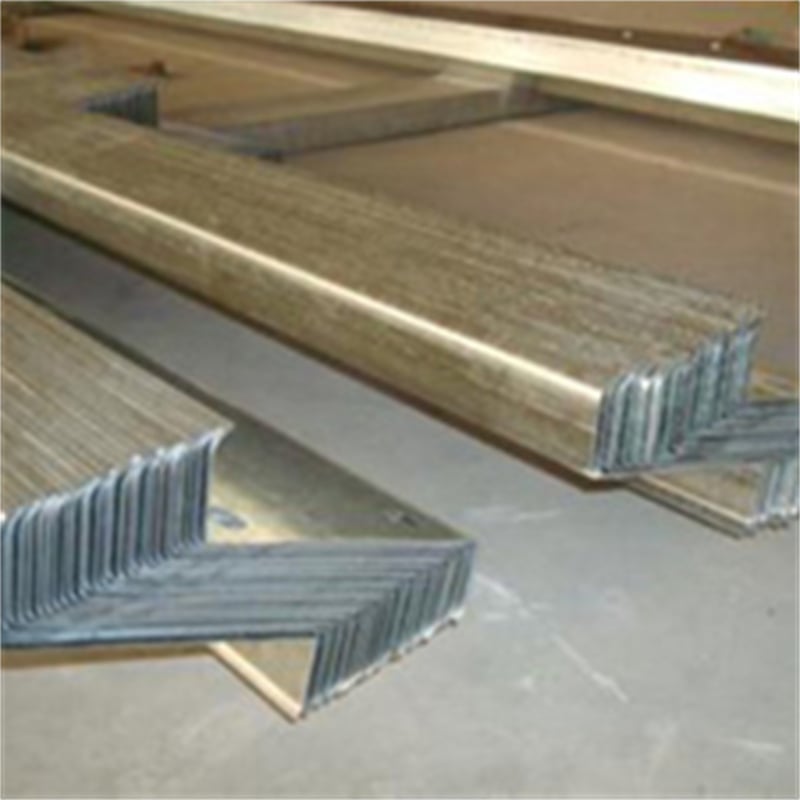
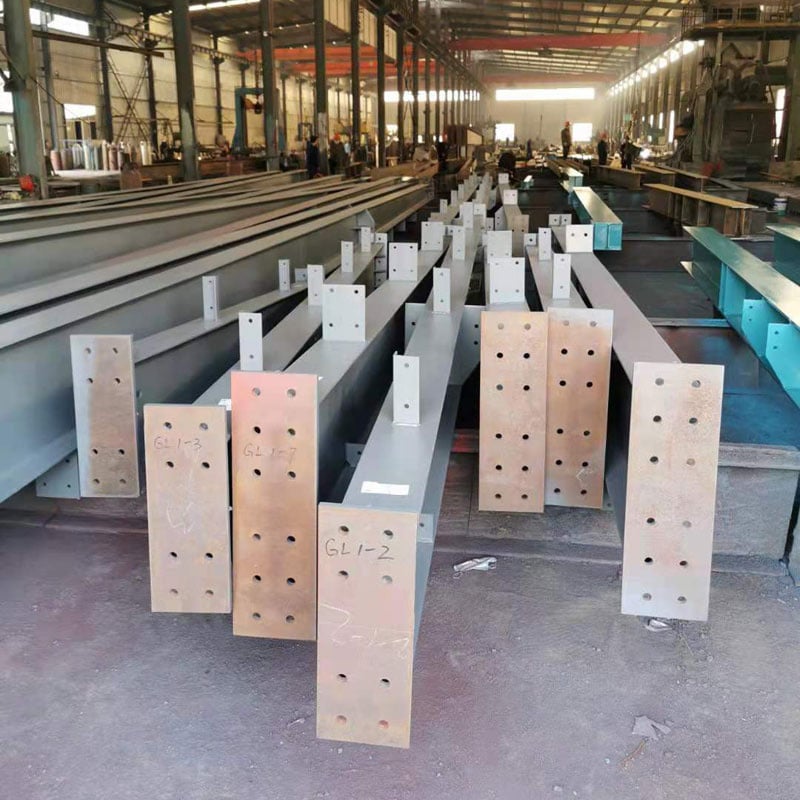
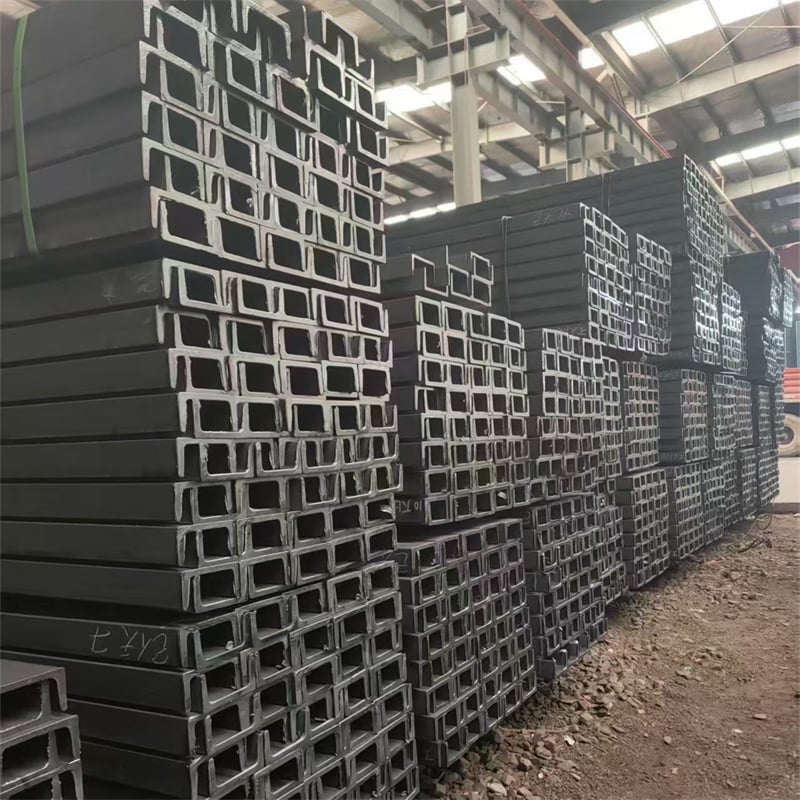
Next, evaluate the dimensions and design  of  the shed. Ensure the size aligns with your storage needs,  whether for equipment, tools, or inventory. A well-designed  shed should also account  for  accessibility, allowing for easy entry and exit,  which is crucial for operational efficiency. Additionally, consider the secondary steel structure to add more stability and strength to your shed.

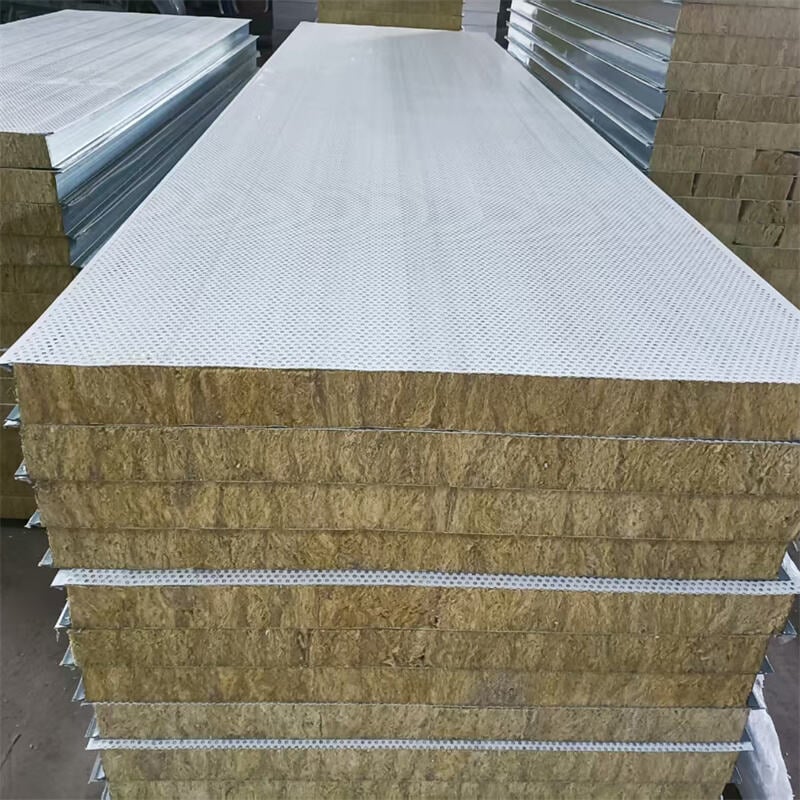
Additionally, think about the  shed's insulation and ventilation.  Insulated metal  sheds can help regulate temperature and protect sensitive materials, while proper  ventilation prevents moisture buildup that could  lead to mold or deterioration.

Frequently Asked Questions

Our Blog Posts

What Our Partners Say

Cost Factors to Evaluate When Purchasing Metal Sheds

Cost Factors to Evaluate When Purchasing Metal Sheds

The cost of metal  sheds can vary widely based on several factors. These include the quality  of materials used, size, design complexity, and additional  features such as windows, doors, and ventilation systems. When evaluating costs, it’s essential to consider not only the initial purchase price but also long-term expenses, such  as  maintenance and potential energy costs related  to heating  or cooling.

Buyers should  also inquire about the minimum order quantity  (MOQ) and lead times.  Some suppliers may offer  better  pricing for bulk orders but may have higher upfront  costs  for  smaller purchases.  Understanding these factors can help you make a more cost-effective decision.

Lastly, always seek quotes from multiple  suppliers to compare prices and services. Keep in mind that the cheapest option may not always  provide the best value,  especially if it compromises quality or  service.

Best Practices and Tips

Best Practices and Tips

To ensure a successful purchase of metal sheds, follow these best practices:


Request Samples: Before finalizing your order, ask for a sample or demonstration. This can provide insight into the  material quality, finishes, and overall construction.

Verify  Supplier Credentials: Ensure that the manufacturer or supplier has a solid reputation and  relevant experience in producing  metal structures. This can often be verified through customer  reviews,  industry certifications, and their  portfolio  of past projects.

Confirm Specifications: Always confirm material specifications, dimensions,  and design features  before placing  an order.  This helps prevent misunderstandings and ensures that the final product meets your requirements.

Understand Installation Requirements: Some metal sheds may require  professional  installation, while others can be assembled as DIY projects. Be clear about the installation process and any additional costs involved.

Plan for Future Needs: Consider potential expansion or additional storage needs when selecting a shed. Opting for a slightly larger shed can  save you from needing to purchase  another  in the future.

Common Problems with Metal Sheds and Their Solutions

Common Problems with Metal Sheds and Their Solutions

Despite their  durability, metal sheds can encounter  several common issues:

Rust  and Corrosion: Over time, even galvanized  steel  can develop rust if  not properly maintained. Regular inspections and applying anti-corrosive treatments can mitigate this risk.

Poor Insulation: Insufficient insulation can  lead to  temperature fluctuations,  which can affect the  stored items. Ensure that the shed is  designed with adequate  insulation or add insulation panels if necessary.

Structural Damage from Weather: High winds or heavy snow can damage poorly  constructed sheds. When selecting a shed, ensure it is rated for local  weather conditions  and  consider additional reinforcements if necessary.

Condensation Issues:  Metal sheds can attract moisture,  leading to condensation. Installing ventilation systems and ensuring proper drainage can help  reduce moisture buildup.

By anticipating these challenges, buyers can take proactive steps to maintain their metal sheds and extend their lifespan.

Exploring Applications for Metal Sheds in Various Industries

Metal sheds are incredibly versatile and can serve a variety of applications across different industries.

Agriculture: Farmers often use metal sheds for equipment storage, feed  storage, or as livestock shelters. Their resilience against weather conditions makes them an excellent choice for outdoor applications.

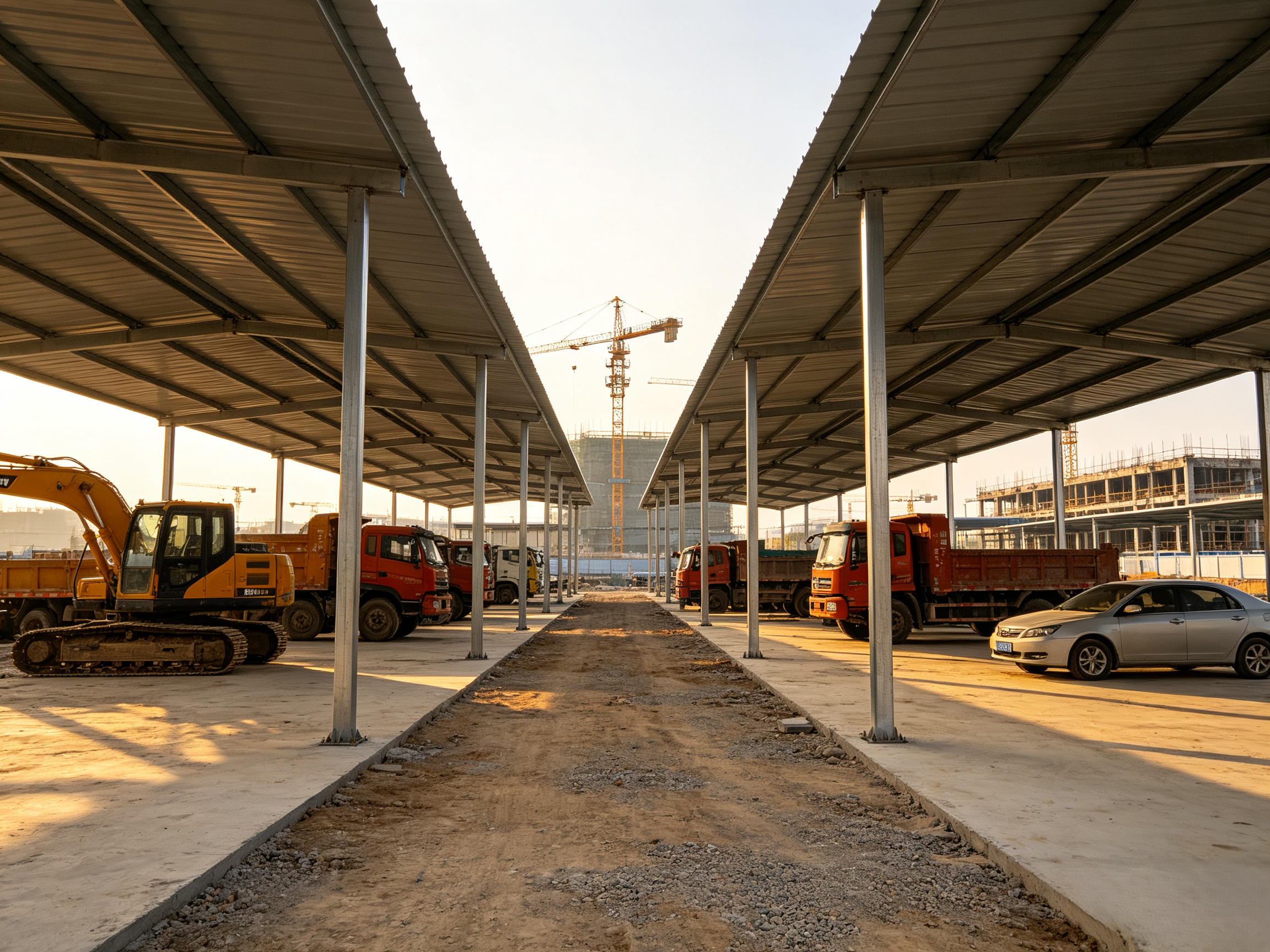
Construction: On construction  sites, metal sheds  can serve as tool and equipment storage, providing a secure location for valuable  items. They can also function as site offices,  enhancing organization and efficiency.

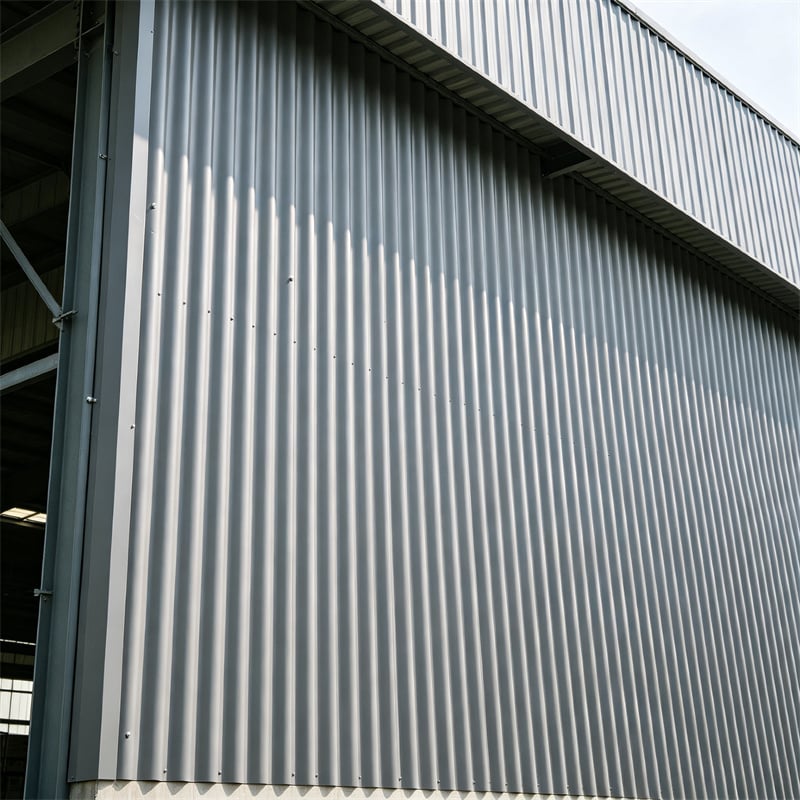
Manufacturing: In manufacturing environments, metal sheds can  be used to  store raw materials  or finished products. Their structural stability ensures that they can handle heavy loads. Additionally, incorporating a robust roof system can further enhance their durability.


Retail: Retailers may use metal sheds for inventory storage, particularly for garden supplies, outdoor furniture, or seasonal items. Their appealing  design can also enhance the aesthetic of outdoor displays.

Event Management:  For event planners,  metal sheds can be repurposed as temporary storage for equipment and supplies,  proving useful for outdoor festivals or exhibitions.

By understanding  the diverse applications of metal sheds, businesses can make informed purchasing decisions tailored to their specific needs.

Investing in  metal sheds requires careful consideration of  various factors,  including material quality,  design specifications, and potential applications. By following best practices and being aware of common issues, buyers can make informed decisions  that enhance their operational efficiency and  storage capabilities.