Understanding Metal Roof Decking Prices

application/metal-roof-decking-prices, application/metal-roof-decking-prices, 
Inquiry
Inquiry

metal roof decking prices

Metal roof decking  is a  structural component  used in various construction projects, providing  support for  roofs while enhancing durability and  efficiency.  Understanding metal roof decking prices  is  essential for purchasing managers and project planners  who  seek to  balance quality,  cost, and  performance. This article will explore the key specifications of  metal roof  decking products, cost factors influencing prices,  essential features  to consider when making a purchase, best practices for selection and installation, and common issues along with effective  solutions.


Why choose Xingyuanxing metal roof decking prices

Our Products

Key Specifications for High-Quality Metal Roof Decking Products

When evaluating metal roof decking, several key specifications must be  considered to ensure that the product meets project requirements. Important specifications include:

Material Composition: Most  metal  roof decking is made from galvanized steel or aluminum, which offer corrosion resistance and strength.  The choice between these materials can affect both durability and overall cost.

Thickness and Weight: The thickness of the decking, typically measured in gauge  (with  lower numbers indicating thicker materials), influences structural integrity and load-bearing capacity. Buyers should assess the required thickness  based on the anticipated loads and environmental conditions.

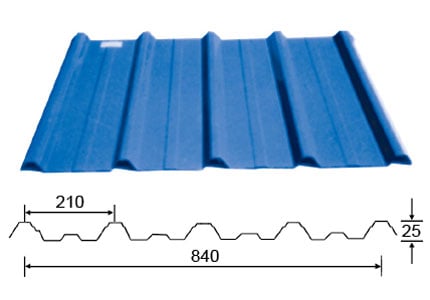
Profiles and Dimensions: Metal decking comes  in various profiles (e.g.,  galvanized, composite) and dimensions, including width and  length. Standard widths can range from 24 to 36 inches, while  lengths can vary based on project specifications.

Coating and Finish: Surface treatments, such as paint or galvanization,  enhance corrosion  resistance and aesthetics. The finish should be selected based on the environment and potential  exposure to elements.

Load Capacity: This specification refers  to the maximum weight the decking can support. Understanding load requirements is crucial  for ensuring safety and compliance with building codes.

Tianjin Xingyuanxing Color Steel Structure Co., Ltd. has extensive experience  in producing quality metal roof  decking, ensuring that these  specifications meet  industry standards and customer needs. Additionally, they offer a range of Secondary steel structure solutions to complement your roofing projects.

Frequently Asked Questions

Our Blog Posts

What Our Partners Say

Understanding Cost Factors in Metal Roof Decking Purchases

Understanding Cost Factors in Metal Roof Decking Purchases

Metal  roof decking prices are influenced by various factors that buyers must consider when budgeting for their projects. Key cost factors include:

Material Costs: The  type of metal selected  (steel vs. aluminum) significantly impacts pricing, with aluminum often being more expensive due to its lightweight and corrosion-resistant  properties.


Thickness and Gauge: Thicker materials offer  better performance and durability but come at a higher cost. Buyers should balance the need for strength  with budget constraints.

Customization Requirements:  Customized dimensions and finishes can  increase  costs.  Buyers should clarify their specifications upfront to receive accurate quotations.

Order Volume :  Bulk purchasing can  often  lead to reduced per-unit costs. Understanding the minimum order  quantity (MOQ) and discussing volume discounts with suppliers can be beneficial.

Market Conditions: Fluctuations in raw material prices due to supply chain dynamics can affect overall costs. It's advisable to  keep abreast of  market trends  that may impact pricing.

To achieve the best value,  buyers should  request detailed quotations and be prepared to discuss their specific needs with suppliers. They may also consider incorporating a Factory building of steel structure as part of their overall project strategy.

What to Look For

What to Look For

When selecting metal  roof decking, buyers should focus on several critical aspects to  ensure they  choose the right product for their application:

Quality Certifications: Look for products that meet industry  standards and have relevant certifications. This can indicate a manufacturer's commitment to quality  and compliance with  safety regulations.

Samples and Testing: Before  finalizing a purchase, request  samples to assess material quality and performance.  Testing under actual conditions can prevent issues during installation and use.

Supplier Reputation: Evaluate potential suppliers based on their experience, customer reviews, and previous project success. A  trustworthy supplier  can  provide  valuable insights and reliable products.

Technical  Support: Ensure  the supplier offers adequate technical support and guidance throughout the purchasing process, from selection to installation.

Installation Instructions: Comprehensive installation guidelines are essential for a successful  project. Choose suppliers that provide clear  and detailed instructions.

By considering these factors, buyers can make informed decisions that align  with their project's  requirements.

 
Best Practices

Best Practices

Implementing best practices when purchasing  and using  metal roof decking can  help ensure project success.  Here are some recommendations:

Define Requirements Clearly: Before requesting quotes, clearly outline project specifications, including  dimensions, load  requirements,  and environmental considerations. This clarity helps suppliers provide  accurate  pricing  and product recommendations.

Conduct Thorough Quality Inspections: Upon receipt of products, conduct quality  inspections to verify that specifications match order requirements. Check for defects, such as warping  or damage, that could affect performance.

Collaborate with Suppliers: Maintain open communication with suppliers throughout the procurement process.  They can provide insights into material choices and potential cost-saving measures.

Plan for Installation: Ensure that installation teams are familiar with the specific decking being used. Proper training and adherence to installation guidelines can prevent future problems.


Monitor Performance  Post-Installation :  After installation, monitor the performance of the decking to  identify any potential  issues early. Regular inspections  can help address concerns before they escalate.

Following these  best practices can lead to more efficient projects and reduced risks.

Common Problems with Metal Roof Decking and Effective Solutions

Despite their advantages, metal roof decking can encounter several common issues. Here are some problems and their solutions:

Corrosion: Even with protective coatings, metal decking can be susceptible to corrosion, especially in humid or coastal environments.  To mitigate this, select corrosion-resistant materials and ensure proper drainage during installation.


Thermal Expansion: Metal can expand and contract with temperature changes, leading to buckling or warping. Properly spacing and securing panels can  accommodate this movement and prevent damage.

Installation Errors: Incorrect installation can lead to  structural issues and leaks. Ensure that installers are  trained and familiar with  the specific requirements for the decking being used.

Fastener Failures: Using the  wrong type  of fasteners can result in leaks or structural failures. Verify that fasteners  are suitable for the material and  environment, and ensure they are installed  correctly.

Surface Damage: During transport,  handling, or installation, metal decking can become scratched or dented, compromising its protective finish. Implement  careful handling procedures and inspect  materials upon delivery.

By being aware of these issues and implementing the  suggested solutions, buyers can enhance the longevity and performance of their metal  roof decking.

Understanding metal roof decking prices, specifications, and best practices is crucial for making informed  purchasing  decisions. By  focusing on quality, supplier reputation, and thorough inspections, B2B buyers can ensure  successful projects with lasting results.