Key Specifications for Metal Decking for Concrete

application/metal-decking-for-concrete, application/metal-decking-for-concrete, 
Inquiry
Inquiry

metal decking for concrete

Metal decking for concrete is  a versatile  building  material that provides  structural  support and can enhance  the efficiency of  construction projects. As a B2B  buyer, your primary concerns  may  include  specifications, quality, cost, and  the suitability of metal decking  for your specific applications. This article  will explore the key  specifications  of metal decking, how  to evaluate its quality, factors affecting cost  for bulk  orders, common issues, and tips for wholesale purchasing.


Why choose Xingyuanxing metal decking for concrete

Our Products

Key Specifications of Metal Decking for Concrete Applications

When selecting metal decking for concrete applications, several key specifications must be considered:

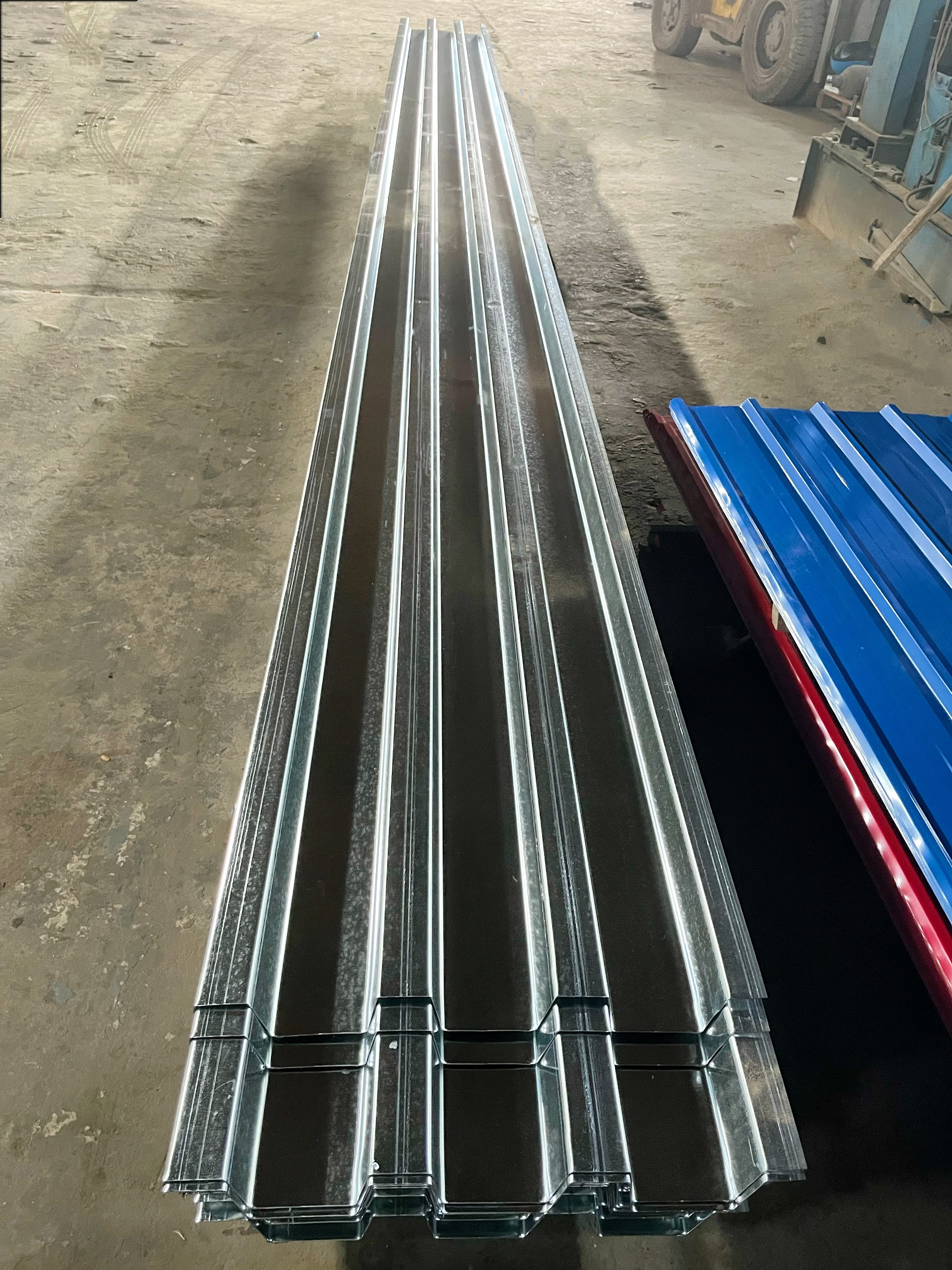
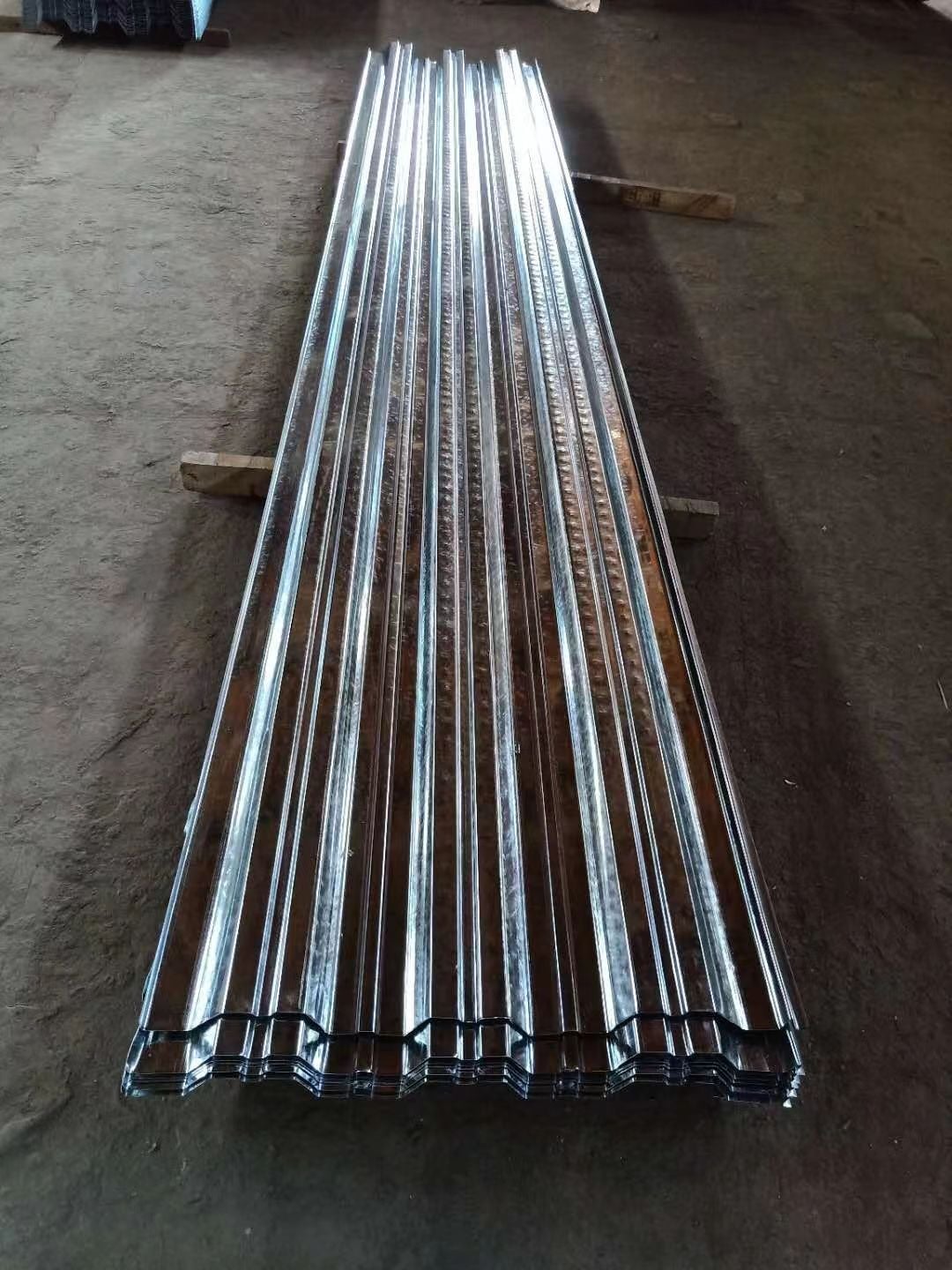
Material: Typically made from galvanized steel or coated steel,  the material's  corrosion resistance is vital, especially in environments exposed to moisture or chemicals. Galvanized  steel offers a protective  layer that extends the decking's lifespan.

Thickness: The thickness of metal decking can significantly affect  its load-bearing capacity.  Common thicknesses  range from  0.6  mm to 1.2 mm, with heavier gauges providing greater strength for  more demanding  applications.

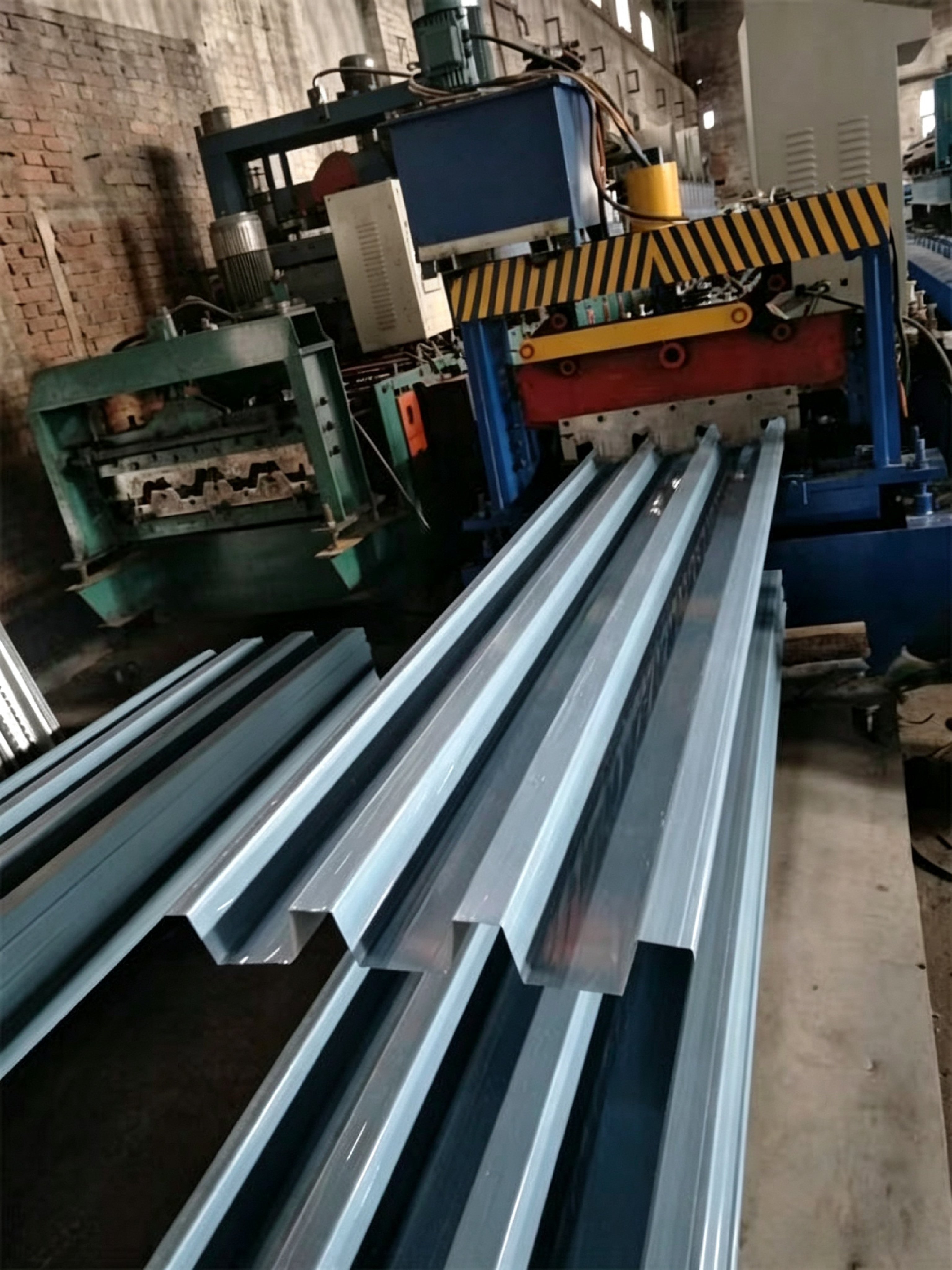
Profile Type: Metal decking comes in various profiles, such as trapezoidal and ribbed designs. The choice of profile influences the decking's strength, spanning ability, and compatibility with concrete, as well as its aesthetic appeal.

Span Length: The span length determines how far the decking can extend without additional support. Depending on  the  project requirements, spans can vary widely, and  it's essential to select decking that meets or  exceeds structural requirements.

Coating and  Finish: The surface finish can impact durability and aesthetics. Options include  painted, galvanized, or pre-coated surfaces, each offering  varying benefits in terms of appearance and protection against environmental factors.


Understanding these specifications is crucial for ensuring the selected metal decking meets project demands  while optimizing performance and longevity.

Frequently Asked Questions

Our Blog Posts

What Our Partners Say

How to Evaluate Quality in Metal Decking Products

How to Evaluate Quality in Metal Decking Products

Evaluating the quality of metal decking requires  a thorough inspection  of several factors:

Certifications and Standards: Ensure that the  products comply  with national and international standards, such as ASTM and ISO certifications. These standards reflect the quality and performance of the material.

Surface Inspection: Check for any visible defects such as rust, dents, or  scratches. A smooth  and uniform surface indicates better manufacturing standards and reduces the risk of corrosion.

Dimensional Accuracy:  Measure  the dimensions of  samples against  the specifications provided. Ensuring that  the thickness, width, and  length are consistent with what is advertised is essential for proper installation and structural integrity.

Load Testing: If possible, request load test results or perform independent testing to confirm that the decking can handle the required loads without deformation  or failure.


Manufacturer Reputation: Investigate the  manufacturer's history and reputation in the industry. Companies  with extensive experience, like Tianjin Xingyuanxing Color Steel Structure  Co.,  Ltd., are often more reliable regarding product quality and customer service. Consider consulting them for products like Prefabricated Structural H-Beam Steel for your construction needs.

By focusing on these quality indicators, buyers can  ensure they invest in durable metal decking that meets their project  specifications.

Cost Factors to Consider for Bulk Orders of Metal Decking

Cost Factors to Consider for Bulk Orders of Metal Decking

When  purchasing metal decking in bulk, several cost factors should be considered to make informed decisions:

Material Costs: The price of  raw materials can fluctuate  based on market conditions. Steel prices, in particular,  can significantly impact the overall cost of the decking.


Quantity Discounts: Many suppliers offer tiered pricing  based on  order quantity. It's advisable  to obtain quotes for various quantities  to  find the most cost-effective option.

Customization Fees: If specific customizations are required, such as unique dimensions or finishes, this can increase  costs. Discuss customization options  upfront to avoid unexpected expenses.

Shipping and Handling: Consider shipping  costs, especially if the  supplier is located far from your project site. Bulk orders may also incur additional handling  fees.

Lead  Time:  Longer lead times can delay project schedules and potentially increase costs if  expedited shipping is required. Confirm lead times during the negotiation process  to avoid surprises.

Understanding these cost factors allows buyers to budget effectively and negotiate better deals when  ordering metal decking for concrete applications.

Common Problems with Metal Decking and Effective Solutions

Common Problems with Metal Decking and Effective Solutions

Metal decking can present certain challenges during installation and application. Here are common problems and their solutions:

Corrosion: Metal  decking can be  prone to corrosion if not properly treated  or if installed in moist  environments.  To mitigate this risk, ensure that the  decking is adequately coated and consider using corrosion-resistant materials  in high-humidity areas. For example, Corrosion-Resistant Hot-Dip Galvanized Round Tube can be a great choice.

Installation Misalignment: Misalignment during installation can lead to structural issues. To avoid this, ensure that all installation personnel are trained and follow precise measurement and alignment procedures.

Inadequate Load Capacity: If the  decking is not designed to handle the specified loads, it can lead to failure. Always confirm load requirements in advance and consult with  the manufacturer about the appropriate decking specifications for your project.

Dents and Damage During Handling:  Damage can occur during  transportation and installation. Utilize protective packaging methods and train personnel on proper handling techniques to minimize this risk.

Poor Adhesion with Concrete:  In some cases, the bond between  the metal decking and the concrete may not  be strong  enough. Ensure that the decking is clean and free  of contaminants before pouring concrete, and consider using bonding agents if necessary.

By proactively  addressing these common issues, buyers  can enhance the  performance and reliability of metal decking  in their projects.

Wholesale Purchasing Tips for Metal Decking Buyers

When purchasing metal decking in wholesale quantities, keep these practical tips in mind:

Request Detailed Quotes: Ensure  that quotes include  all costs, such as materials, customization, shipping, and  any additional  fees. This will help you compare suppliers effectively.

Sample Approval: Before placing a large order, request samples to assess quality, dimensions, and performance. This step is critical  to avoid costly mistakes  in mass production.

Supplier  Evaluation: Evaluate potential suppliers  based on their production capabilities, lead times, and past performance. Establishing a strong relationship with a reliable supplier can lead  to better service  and pricing.

Negotiate  Terms: Don't hesitate to  negotiate payment terms, delivery schedules, and pricing. Suppliers may be willing to offer discounts  or better terms  for bulk orders.

Understand Return  Policies: Familiarize yourself with the supplier's return and warranty policies.  This knowledge  can be invaluable if issues arise with the  products  after delivery.

By following these  tips, buyers can streamline their purchasing process and ensure they are making informed decisions when sourcing metal decking for concrete applications.