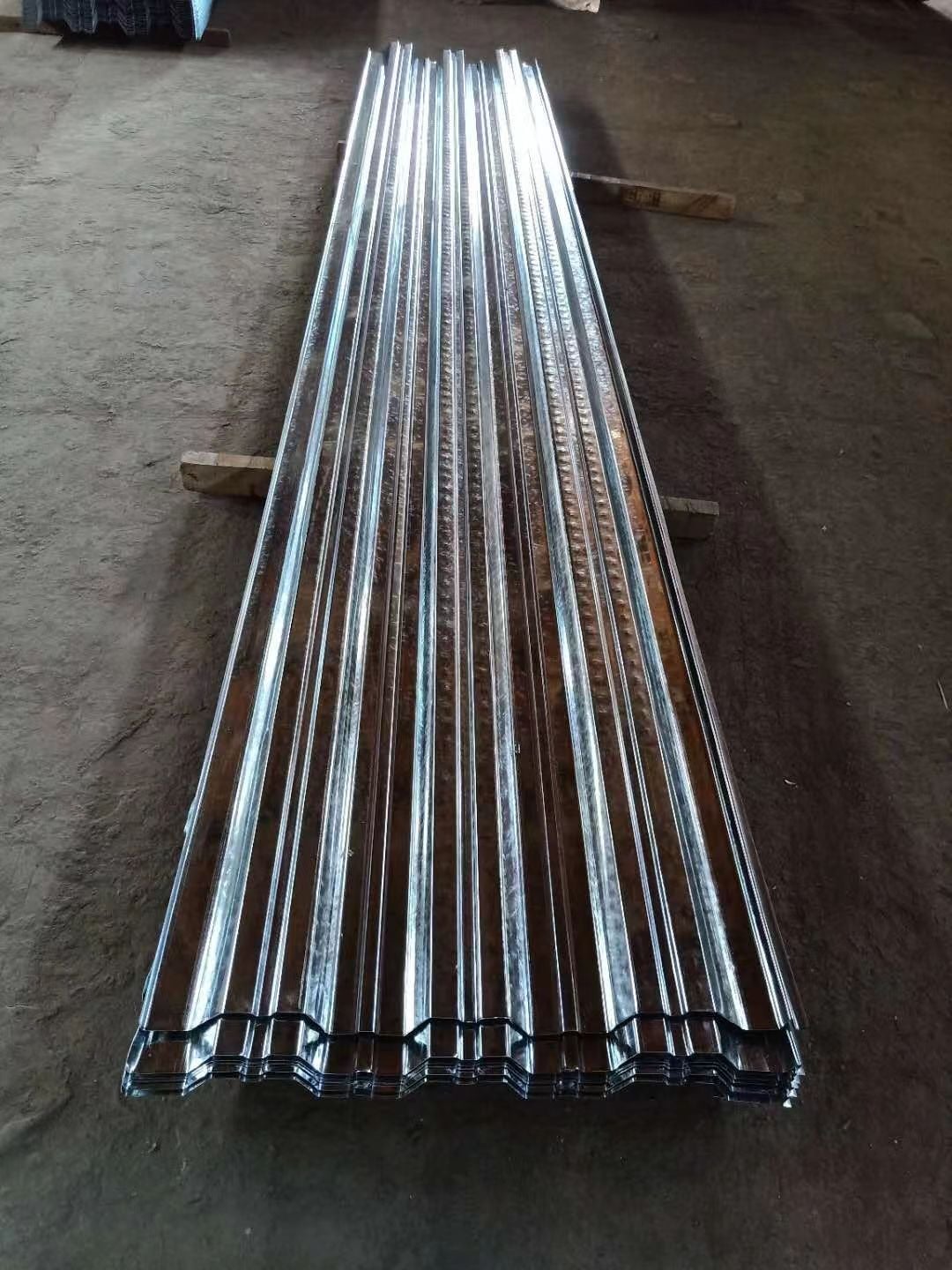
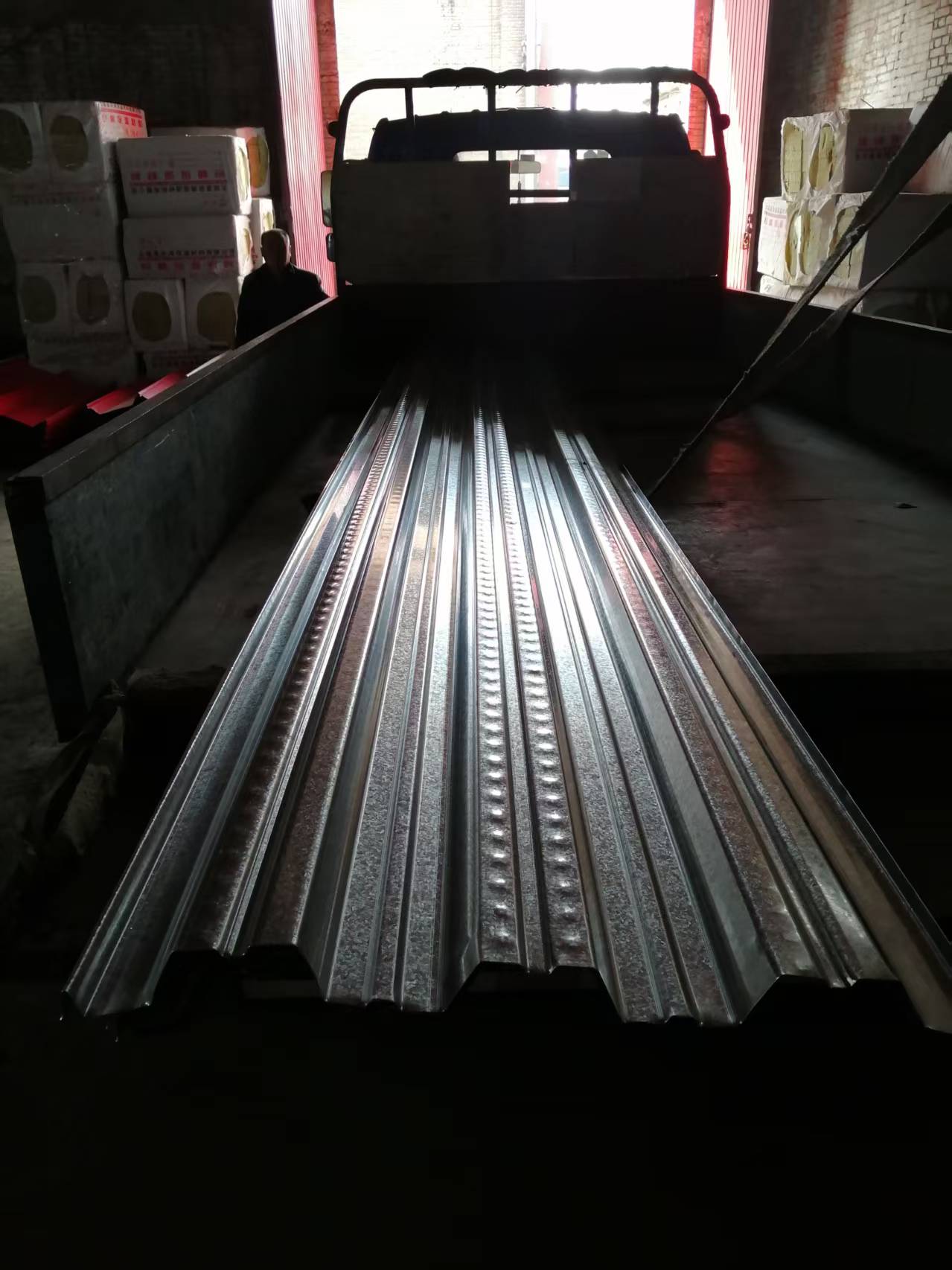
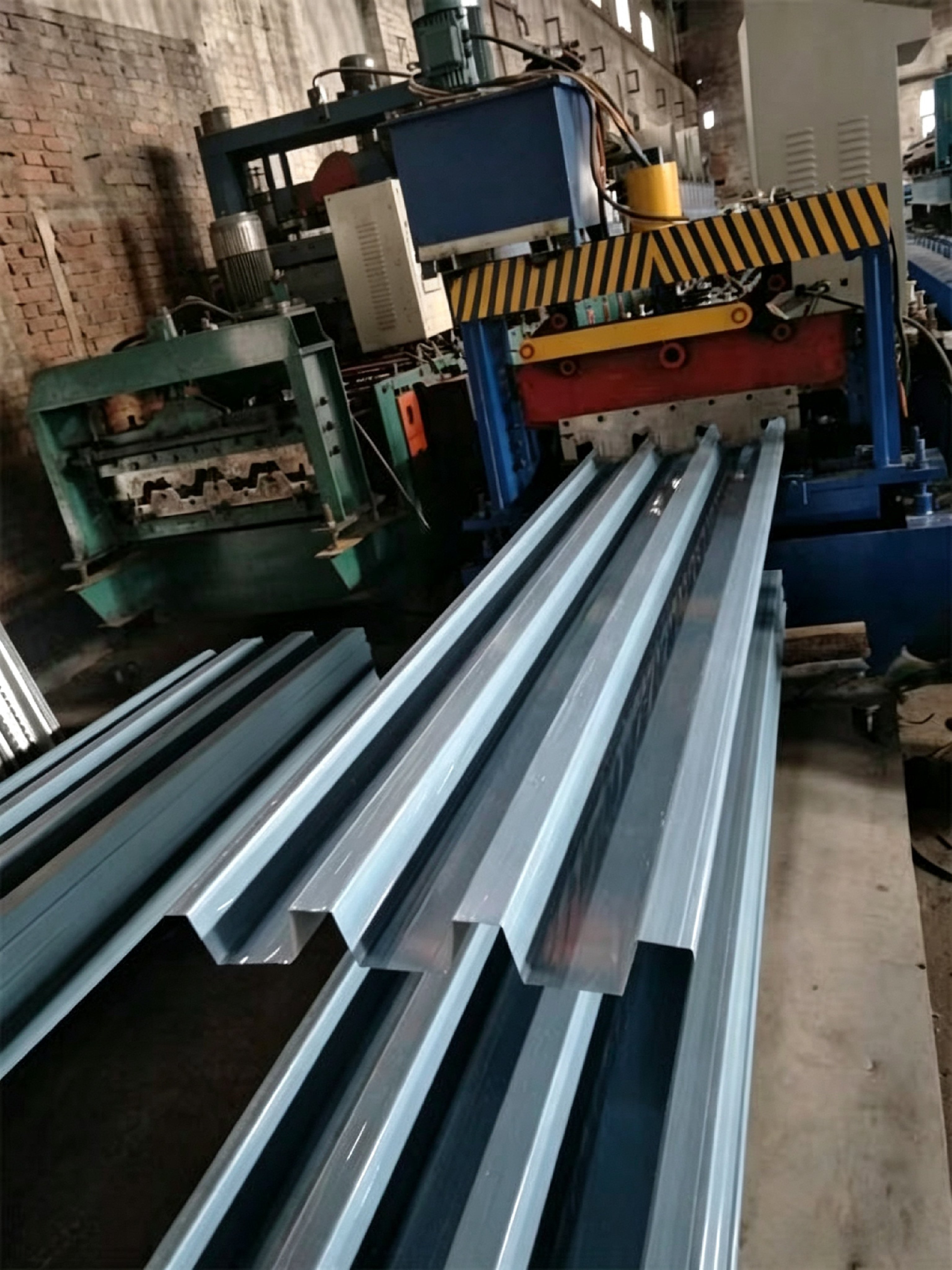
Choosing Quality Galvanized Metal Decking Suppliers

application/galvanized-metal-decking, application/galvanized-metal-decking, 
Inquiry
Inquiry

galvanized metal decking

Galvanized metal decking is a crucial component in modern construction, providing  structural support and durability  for various applications.  As a  B2B  buyer or  purchasing  manager,  you may be concerned  about factors such  as quality, specifications, suitability  for your projects, and the reliability of your suppliers. This  article aims to  help  you navigate  these considerations effectively,  ensuring you make informed decisions  when selecting  galvanized metal decking for your upcoming  projects. For projects involving larger structures, you may also want to consider the benefits of a Factory building of steel structure.


Why choose Xingyuanxing galvanized metal decking

Our Products

What to Consider When Choosing Galvanized Metal Decking Suppliers

When selecting galvanized metal decking, it's essential to consider several factors that directly impact  its performance and suitability for your specific application. First, assess the load requirements of your project. Different decking types are  designed to support varying weights,  so  understanding the load capacity  is critical to avoid  structural failures.

Next, consider the environment in which the decking will be used. If your project involves exposure to moisture, chemicals, or extreme temperatures,  you will want to  ensure that the galvanized metal decking is appropriately treated to resist corrosion.  This  includes looking at the  thickness of the galvanization, which  can vary; a heavier coating  typically offers better protection against rust and wear.

Additionally, evaluate the dimensions and profile of the decking. Compatibility with other structural elements, such as beams  and  columns, is  crucial for ensuring a seamless installation process. It’s beneficial  to  consult with your  engineering team or a technical expert  to determine the most suitable specifications based on your project's unique requirements.

Frequently Asked Questions

Our Blog Posts

What Our Partners Say

Applications of Galvanized Metal Decking in Industrial Construction

Applications of Galvanized Metal Decking in Industrial Construction

Quality evaluation  of  galvanized metal decking involves  several key steps. First, verify the manufacturer's reputation and experience in the industry. Companies like Tianjin Xingyuanxing Color Steel Structure Co., Ltd., with a decade of experience in  the Beijing-Tianjin-Hebei  region,  often provide insights into their production  processes, quality  controls, and customer satisfaction rates.

Next, examine the  material specifications. High-quality galvanized metal decking should meet specific standards, such as ASTM  A653 for hot-dip galvanized steel. Ensure that  the product documentation  includes certifications  confirming  compliance  with relevant industry standards.

Finally, inspect samples before committing to a bulk order. Look for uniformity in the galvanization, absence of rust,  and proper dimensions. A sample should also  undergo testing for load-bearing capacity and other performance  metrics relevant to your project. This hands-on evaluation  helps ensure that what you receive aligns with your expectations for quality  and performance.

Best Practices

Best Practices

Understanding key specifications is vital when selecting galvanized metal decking. Here are  some critical parameters to consider:


Thickness:  The thickness of  the decking affects its strength and load capacity. Common thicknesses range  from 18  to 22 gauge, with heavier gauges providing  better strength for  demanding applications.

Galvanization Coating: The thickness of  the zinc coating (measured in  ounces per  square foot) is critical for corrosion resistance. A heavier coating  is often more suitable for environments with high humidity or exposure to chemicals.

Dimensions:  Standard widths are typically 24 inches or 36 inches, with lengths varying based on project requirements. Confirm that the dimensions align with your structural design.

Profile Type: The most common profiles  are ribbed or flat. Ribbed profiles enhance strength and allow for better drainage, while flat profiles  may be more suitable for specific architectural designs.

Load Capacity: This specification indicates how much weight the decking can support without failure. Ensure that the load capacity meets or exceeds the requirements  of your project.

By understanding these  specifications,  you can make informed  decisions that align with your  project's needs.

Common Problems with Galvanized Metal Decking and Their Solutions

Common Problems with Galvanized Metal Decking and Their Solutions

Galvanized metal  decking  finds extensive applications  across  various  sectors in the construction industry. Its primary use is in floor and roof systems within commercial and industrial buildings. The lightweight yet robust nature of this decking allows for quick installation, reducing labor  costs and project  timelines. The use of Roof system designs can further enhance the overall integrity of the structure.

Additionally, galvanized  metal decking is often utilized in parking structures, where it serves  as a durable flooring solution capable of  supporting heavy vehicles with minimal maintenance. In residential construction, it is increasingly being used  in multi-story buildings for its  fire  resistance  and structural integrity.

Furthermore,  galvanized decking is  favored in environments  prone to moisture, such as swimming pools  or docks, due  to its corrosion-resistant properties. Its versatility makes it  suitable for both new builds and renovations.

Wholesale Purchasing Tips for Galvanized Metal Decking Supply

To ensure optimal  performance and  longevity of galvanized  metal decking, adhere to the following best practices:

Conduct Thorough Planning: Before procurement, collaborate with structural engineers to determine the most effective specifications based on load-bearing requirements and  environmental conditions.


Choose Reputable Suppliers:  Work with suppliers that have robust quality control  processes. Engage with manufacturers that provide clear  documentation regarding material specifications,  certifications, and compliance with industry standards.

Inspect Deliveries: Upon receipt of the decking, perform  a thorough inspection to ensure it meets your ordered specifications. Look for signs of damage or defects that may affect performance.

Understand Installation  Requirements: Proper installation is crucial. Ensure that your installation team is trained on best practices and  is familiar  with the specific requirements of  galvanized metal  decking to avoid potential issues during use.

Schedule  Regular Maintenance: Implement a maintenance plan to inspect the  decking periodically, especially in harsh environments. Regular checks can help identify corrosion or damage early, allowing for timely repairs.

By following these best practices, you can maximize  the benefits of galvanized metal decking, ensuring it meets your project's expectations  for quality and performance.