Lightweight Steel Structures for Your B2B Projects

application/lightweight-steel-structures, application/lightweight-steel-structures, 
Inquiry
Inquiry

lightweight steel structures

Lightweight  steel structures are  increasingly becoming the  preferred choice for various construction projects due  to their strength-to-weight ratio,  ease of installation,  and cost-effectiveness. For B2B buyers  such as purchasing managers, engineers, and project  managers, understanding how to choose the  right  lightweight  steel  structures is  crucial. This  article  will  guide you through  selecting, evaluating, and  sourcing these structures, addressing common  buyer concerns while providing practical insights to  enhance your purchasing decisions.

Why choose Xingyuanxing lightweight steel structures

Our Products

Choosing the Right Lightweight Steel Structures for Your Project Needs

When  selecting lightweight steel structures, it's  essential to consider  the specific  requirements  of your project. Factors such as  load-bearing capacity,  environmental conditions, and design specifications all  play a critical role in determining the  appropriate structural type. For example, if  your project involves high wind areas, you may require additional bracing or  specific design features to ensure stability. 

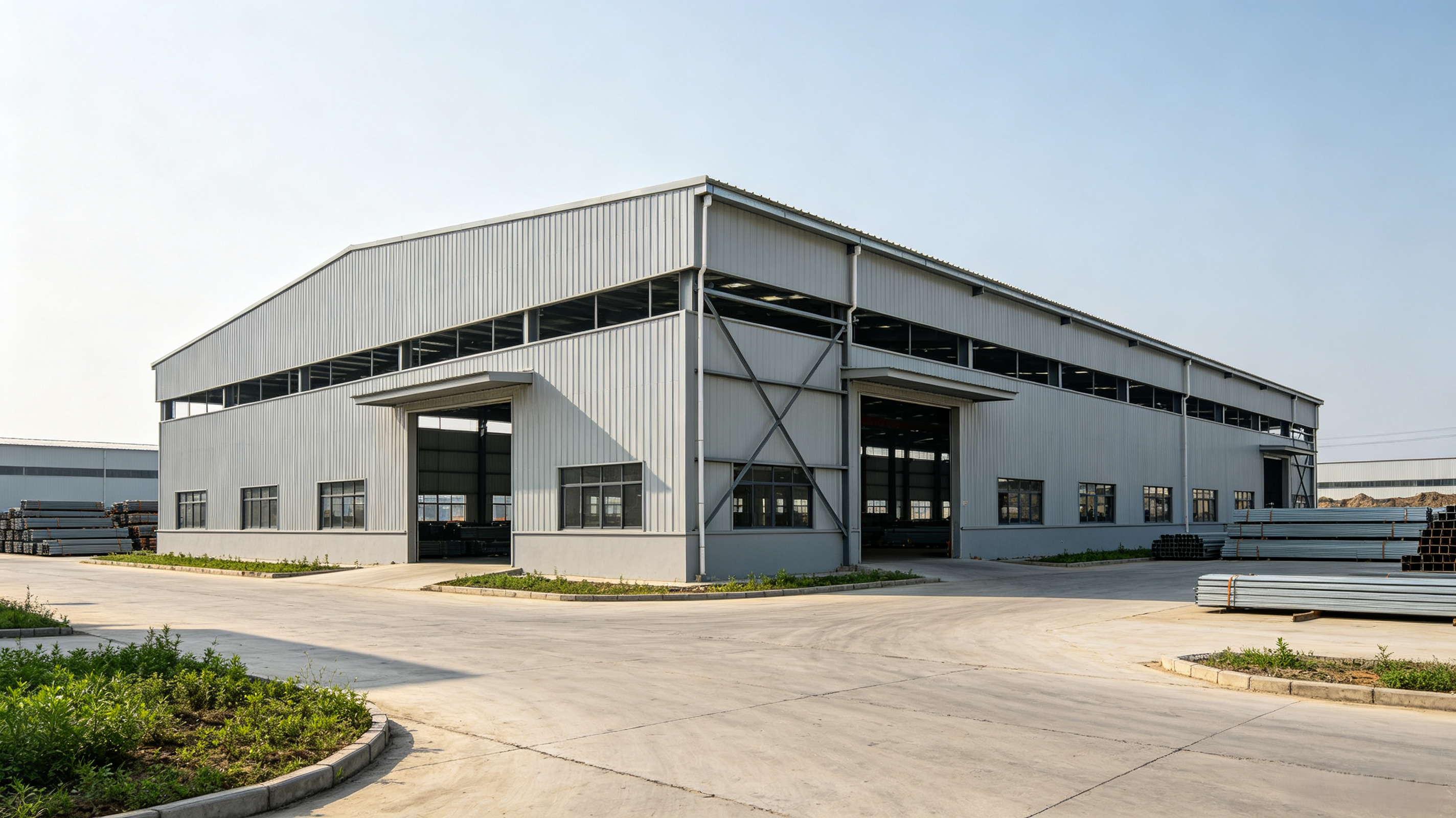
Moreover, the  application  of the structure  is vital. Whether it’s for industrial warehouses, commercial buildings, or temporary installations,  each application may have  unique requirements regarding size, shape, and material specifications. Engaging with a supplier that  has experience in your specific industry can provide tailored solutions. For instance, Tianjin Xingyuanxing Color Steel Structure Co., Ltd.  specializes in various applications such as Factory building of steel structure and can offer  guidance based on their extensive experience in the Beijing-Tianjin-Hebei region.

Frequently Asked Questions

Our Blog Posts

What Our Partners Say

How to Evaluate the Quality of Lightweight Steel Structures

How to Evaluate the Quality of Lightweight Steel Structures

Quality evaluation  of lightweight steel  structures is paramount to ensuring safety, durability, and performance. When assessing quality, consider the following aspects:

Material Specifications: Ensure the steel  grade meets industry standards and is suitable for your  project’s requirements. Common grades include Q235 and Q345, known for their balance of  strength and ductility.

Manufacturing Process: Investigate the supplier's manufacturing capabilities. Advanced fabrication techniques, such as automated welding  and precision cutting, often yield higher  quality  products.

Quality Control Systems: A reputable  supplier should have established quality control processes, including inspections and testing protocols throughout  production.  Ask about certifications or compliance with standards such as ISO 9001, which can indicate a  commitment  to quality.

Performance Testing: Request performance data  on load-bearing tests, fatigue tests, and environmental resistance  to assess how the structures will perform in real-world conditions.

By  focusing  on these evaluation criteria,  you  can mitigate risks associated  with subpar materials or manufacturing practices.

Key Specifications to Consider in Lightweight Steel Structures

Key Specifications to Consider in Lightweight Steel Structures

When finalizing your order for lightweight  steel structures, pay attention  to the following key specifications:

Thickness: The thickness of the steel affects its strength and weight. Thicker materials generally provide greater strength but can also increase weight, which may  not be desirable  for all applications.

Dimensions: Confirm the dimensions of the components to ensure compatibility with your design. Accurate measurements are  crucial for proper assembly  and structural integrity.

Surface Treatment: Consider whether the steel  requires additional treatments, such as galvanization, to enhance corrosion  resistance, especially in environments with high moisture levels.

Connection  Types: Different  connection  methods (e.g., bolted, welded) can  impact the overall strength  and assembly process. Ensure the chosen method aligns with both your  structural requirements and installation capabilities.

Understanding these  specifications  will  help you  select the most suitable products for your project, reducing potential issues during installation  and  use.

Where to Find Reliable Suppliers of Lightweight Steel Structures

Where to Find Reliable Suppliers of Lightweight Steel Structures

Finding  a reliable supplier for  lightweight  steel structures is crucial. Start by researching manufacturers with  a strong reputation in the industry.  Look for companies  that:

Specialize in Steel Structures: Suppliers like  Tianjin  Xingyuanxing Color Steel Structure Co., Ltd. have a focus on steel structure engineering and fabrication, ensuring a depth of knowledge that can  benefit your project.


Offer Custom Solutions:  A good supplier should be able to customize their offerings based on  your specific requirements, whether it's unique dimensions  or specialized materials.

Provide References and  Case Studies: Look for suppliers who can provide references from previous  projects or case studies showcasing their work. This demonstrates reliability and success in similar applications.

Engage with Industry  Associations: Suppliers that  are part of industry  organizations may have access to better resources  and adhere to higher standards, which can enhance their credibility.

By vetting suppliers through  these criteria, you can ensure a more reliable partnership.

Features and Benefits

Lightweight steel structures offer numerous features and benefits that  make  them an attractive  choice for various applications:

High Strength-to-Weight Ratio: Lightweight steel structures can bear significant  loads without the bulk,  allowing for  efficient designs and lower material costs.

Rapid Installation: The prefabrication of components facilitates quicker  assembly on-site, reducing labor costs and project timelines.

Durability: Steel's  resistance to environmental factors like rot and  pests  enhances the longevity of structures compared to traditional materials.

Design  Flexibility: Steel can  be easily shaped and customized, allowing for innovative architectural designs that meet both aesthetic and functional needs.

Sustainability: Steel is recyclable, making  it an environmentally friendly choice,  especially for projects aiming for  sustainability certifications.

Incorporating lightweight  steel structures into your projects  can lead to significant cost savings  and improved project outcomes.

By understanding these  factors, you can make informed decisions that meet your project's needs while ensuring quality and reliability in your supply chain.Secondary steel structure