Choosing the Right C Channel Purlin for Your Project

application/c-channel-purlin, application/c-channel-purlin, 
Inquiry
Inquiry

c channel purlin

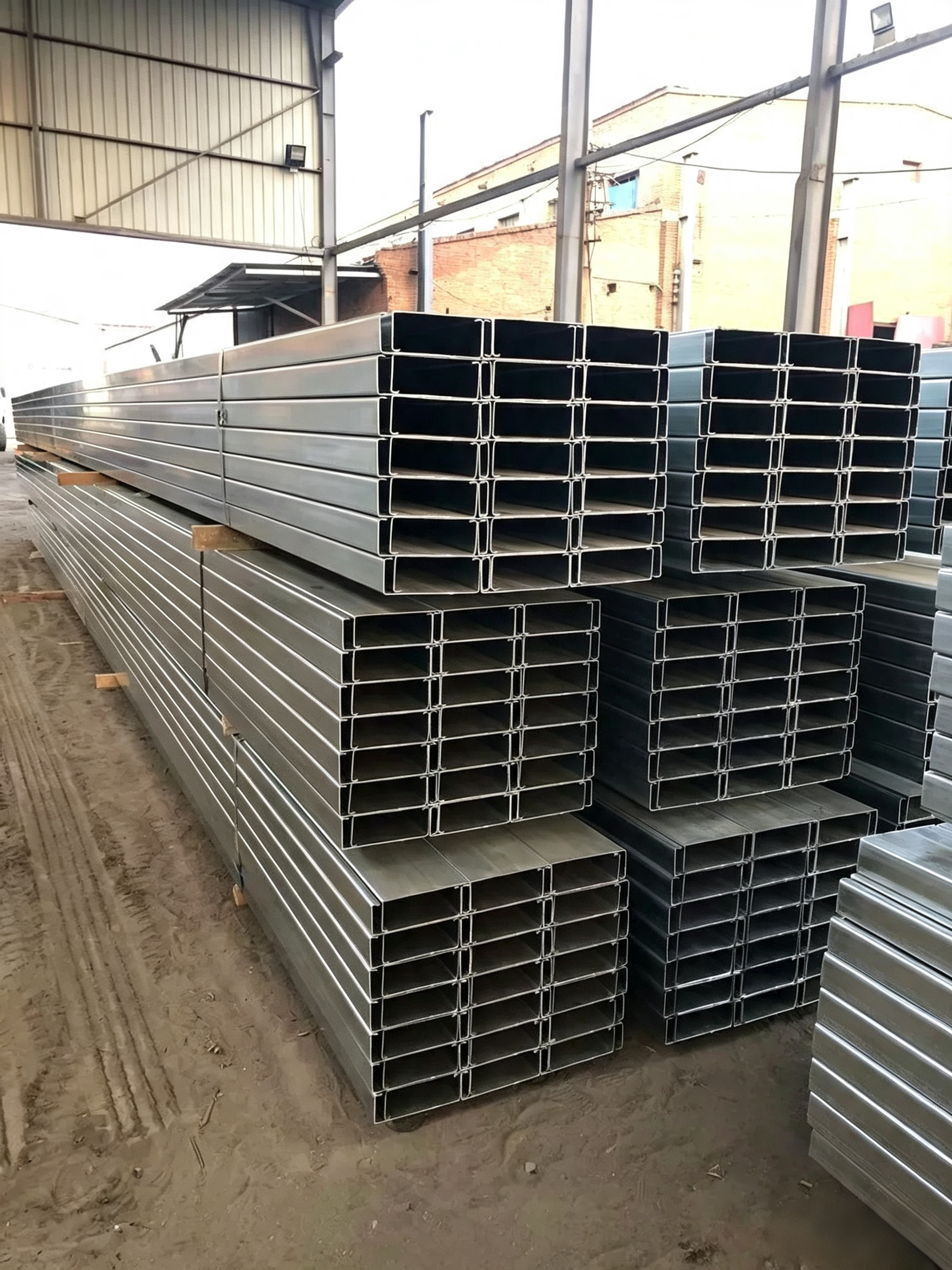
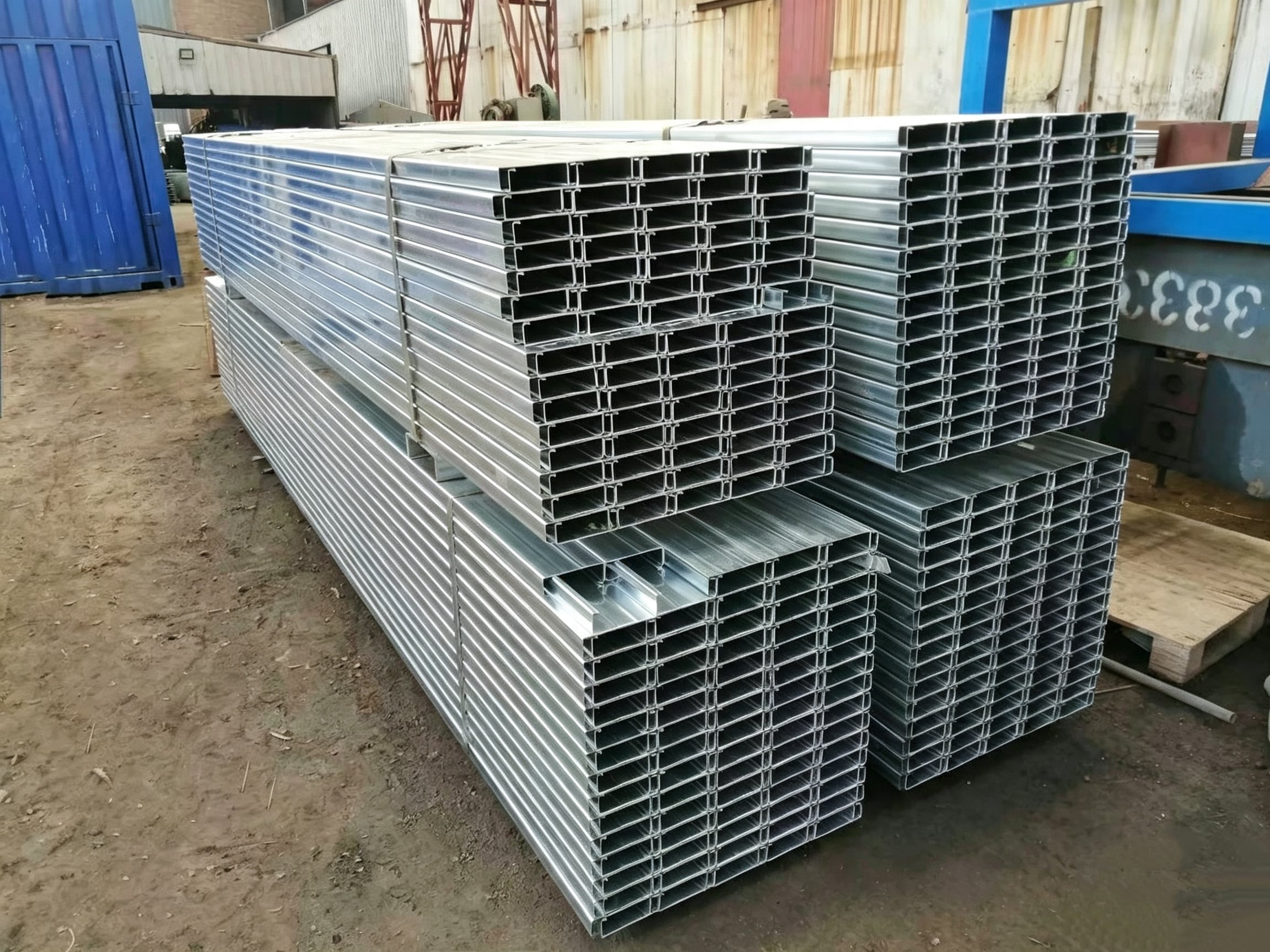
C channel  purlins  are essential structural components commonly  used in various construction projects, particularly in  industrial and commercial applications.  These steel  channels provide  support and stability, making them  critical to the  integrity of structures. Buyers often face concerns regarding material quality,  dimensions,  and overall  suitability for their specific  applications. This article will  guide you through selecting the right  C channel purlin, understanding cost factors, identifying common  problems, exploring  applications, and outlining  key  considerations to facilitate informed  purchasing decisions.

Why choose Xingyuanxing c channel purlin

Our Products

Choosing the Right C Channel Purlin for Your Project Needs

When selecting a C  channel purlin, it  is vital to consider the specific requirements of  your project. Key specifications include dimensions, material grade, and load-bearing capacity.

Dimensions: The size of the C channel purlin should match the structural  requirements of your  project.  Common dimensions include depth, flange width,  and thickness, all of which influence the load capacity and structural performance. Ensure that the  chosen size aligns with the design specifications  and installation constraints.

Material: C channel purlins are typically made from steel, and the choice of material can significantly affect performance. Galvanized steel may be preferred for outdoor  applications due to its  corrosion  resistance,  while  structural steel  is often used for its strength. Discuss with your supplier the best material type  based on environmental conditions and application  demands. For instance, you might want to consider using a Secondary steel structure for enhanced durability.

Load Requirements: Understanding the load your purlins will bear is crucial. This includes both dead  loads (permanent/static weight) and live loads (temporary/dynamic weight). Overstressing a purlin may lead to structural failure. Consulting with a structural  engineer  can provide insights into appropriate load specifications.

Frequently Asked Questions

Our Blog Posts

What Our Partners Say

Cost Factors to Consider When Purchasing C Channel Purlins

Cost Factors to Consider When Purchasing C Channel Purlins

When budgeting for C channel purlins, various cost factors come into play that  can impact the overall expense:

Material Costs: The price of steel fluctuates based  on market conditions. Galvanization or additional treatments  may  also increase costs. Ensure you factor  in these variations when obtaining quotes.

Manufacturing and Fabrication  Costs: If customization is  required, such as specific lengths  or additional holes for installation, this may lead to higher manufacturing costs. Understand the minimum order quantities (MOQ) and associated pricing  structures for bulk orders.

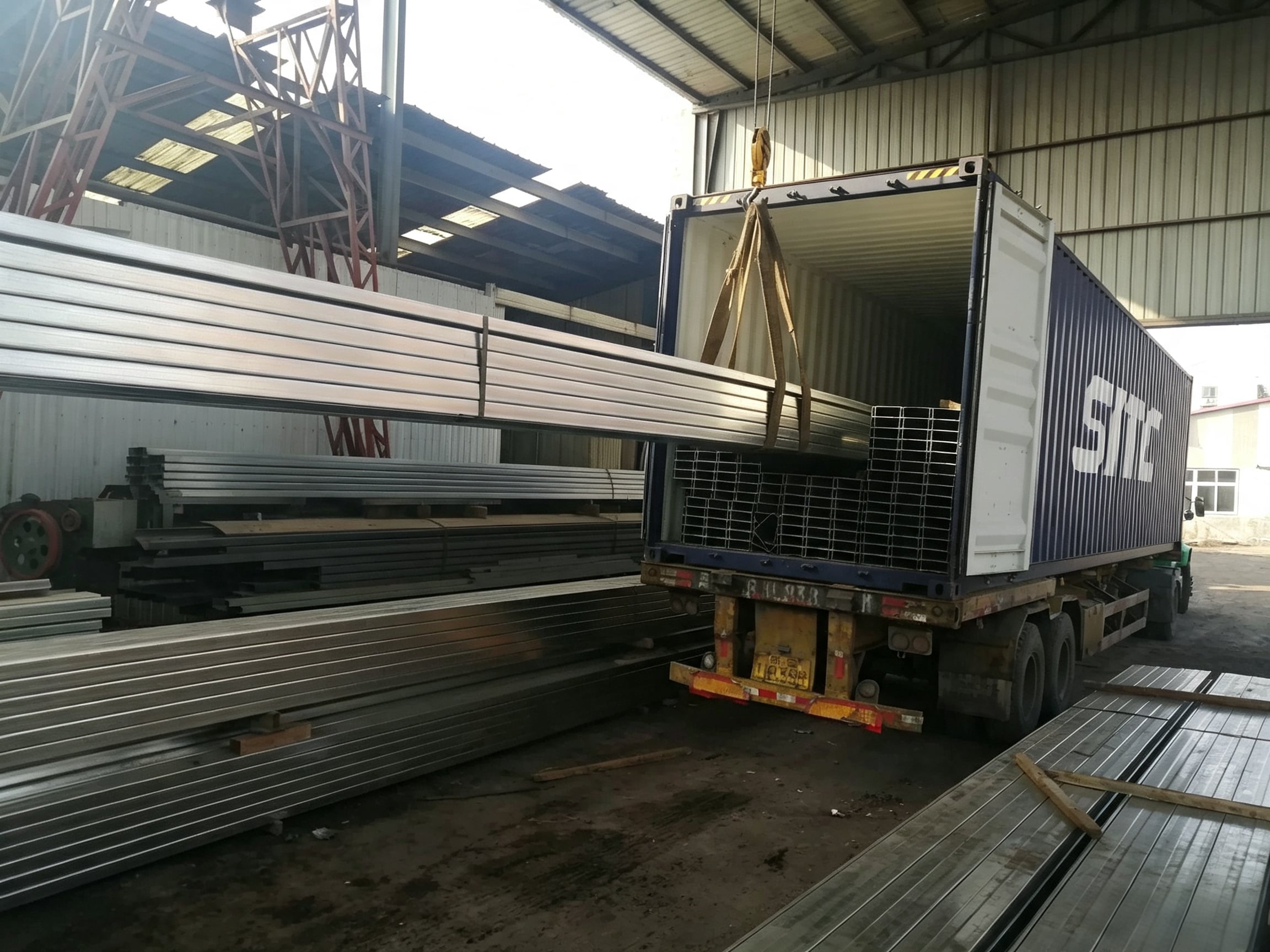
Transportation and Handling: Shipping costs can vary based on the distance and  weight of the purlins. Be  sure to account for these expenses, especially if you are sourcing  materials from different regions or countries.

Installation Costs: Consider the cost  of installation in your budget. Purlins that are easier to install may save labor costs, while those  requiring  specialized  tools  or skills may increase expenses.

Common Problems with C Channel Purlins and Their Solutions

Common Problems with C Channel Purlins and Their Solutions

When working  with C channel purlins, certain  challenges may arise, and being aware  of these issues can  aid in effective problem-solving:

Corrosion: If not properly  treated or  if used in  corrosive environments, purlins can  deteriorate  over time. To mitigate this,  ensure you select galvanized or coated steel purlins  for outdoor applications, and consider regular inspections for signs of wear.

Misalignment During Installation: Incorrect installation can lead to structural weaknesses. It is  recommended to use precise measurements and level the purlins  before securing them. Providing clear installation guidelines to your  team can help avoid these issues.

Underestimating Load Capacity: An inadequate understanding of  load requirements  can lead to structural  failure. Always conduct a thorough analysis of anticipated  loads and consult with  structural engineers if necessary.

Applications of C Channel Purlins in Industrial Projects

Applications of C Channel Purlins in Industrial Projects

C channel purlins are versatile  components used across various applications in  industrial settings:

Roof  Support: C  channel purlins are  often utilized in the construction of  roofs, providing essential structural support for roofing sheets. Their ability  to span long distances makes  them ideal for  large  industrial  buildings.

Wall Bracing: In addition  to roof support, C channel purlins  can be used in wall systems to provide additional bracing and strength, especially in metal buildings.

Framework for Equipment: These purlins can  serve as a  framework for  supporting heavy machinery and equipment,  ensuring stability and  safety in  manufacturing environments.

Canopies and Coverings: In agricultural settings, C channel purlins are frequently used to construct canopies and coverings, providing shelter and protection for livestock or equipment.

Key Considerations

When purchasing C channel purlins, certain key  considerations can enhance your decision-making  process:

Supplier Evaluation: Research potential suppliers thoroughly. Look for manufacturers with proven experience, quality certifications, and strong customer references. Tianjin Xingyuanxing  Color  Steel Structure Co., Ltd., for instance, is known for its stable quality  and  efficient project services within the Beijing-Tianjin-Hebei region.

Quality Control Processes: Inquire about the quality control measures in place at the manufacturing facility. Understanding these processes  will give you  confidence  in  the durability and reliability of the purlins you are purchasing.

Customization Capabilities: If your project requires specific dimensions or features, confirm whether the supplier can accommodate custom requests. This  can include adjustments to length, thickness, or additional features based on  your project’s needs. Additionally, consider the use of various Accessories that may enhance functionality.

Lead Times: Discuss lead times with your  supplier to ensure that  your project timelines  can be met. Delays in material supply can  significantly impact project  schedules.

By addressing these considerations and understanding the dynamics of C channel  purlins,  buyers can make informed decisions that align with their project requirements and budget constraints.