Choosing the Right Warehouse Roof for Your Project

application/warehouse-roof, application/warehouse-roof, 
Inquiry
Inquiry

warehouse roof

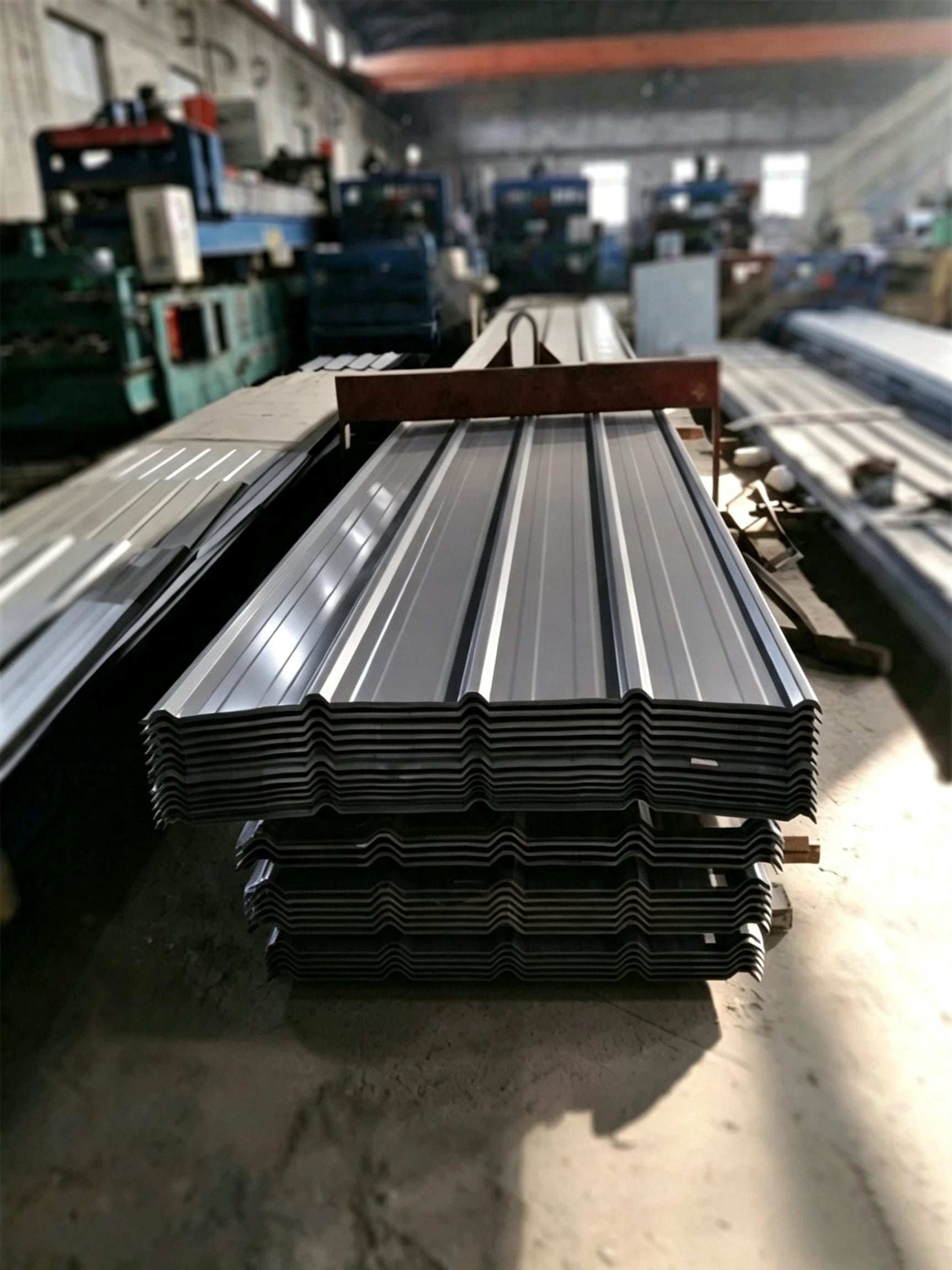
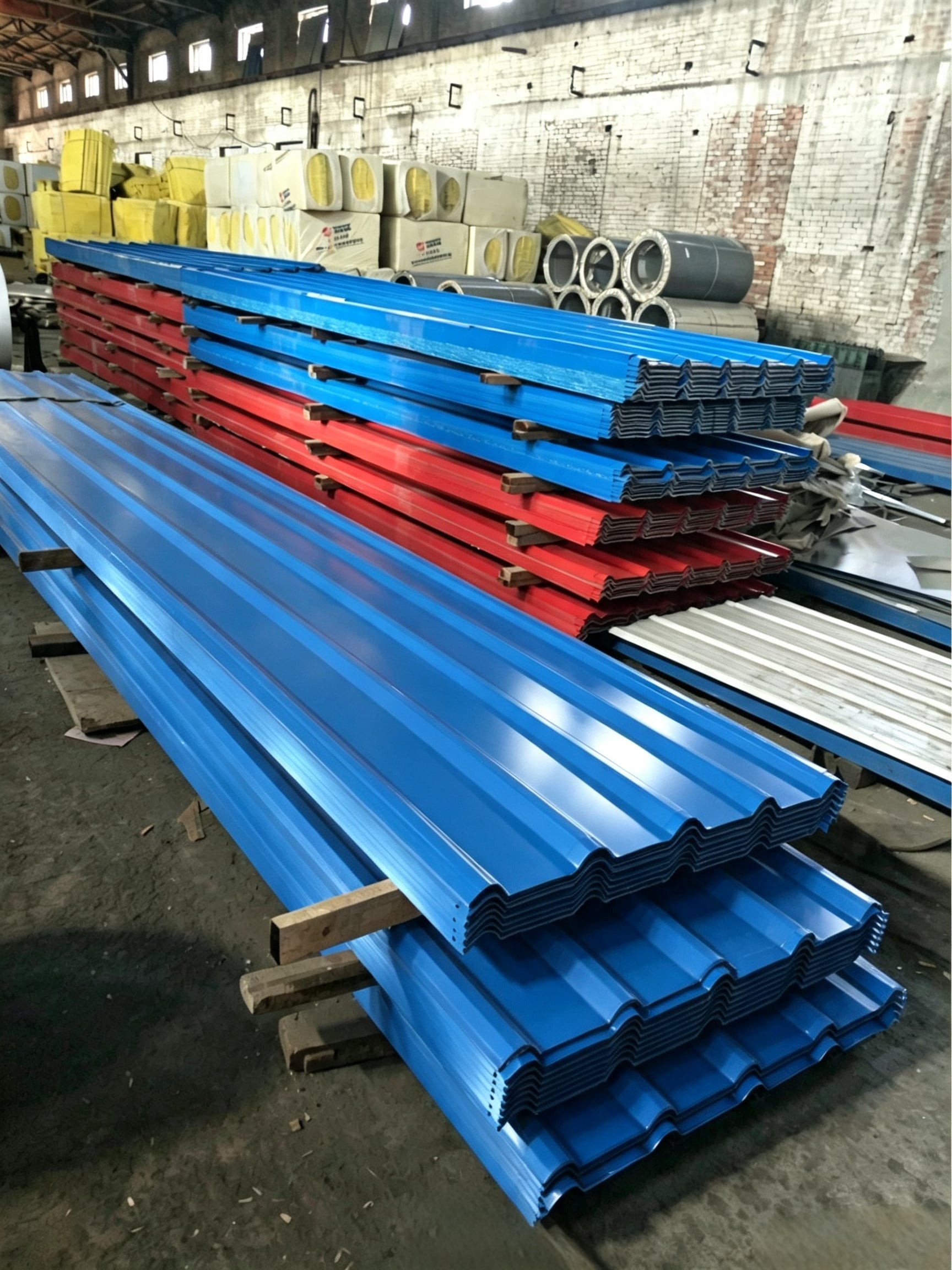
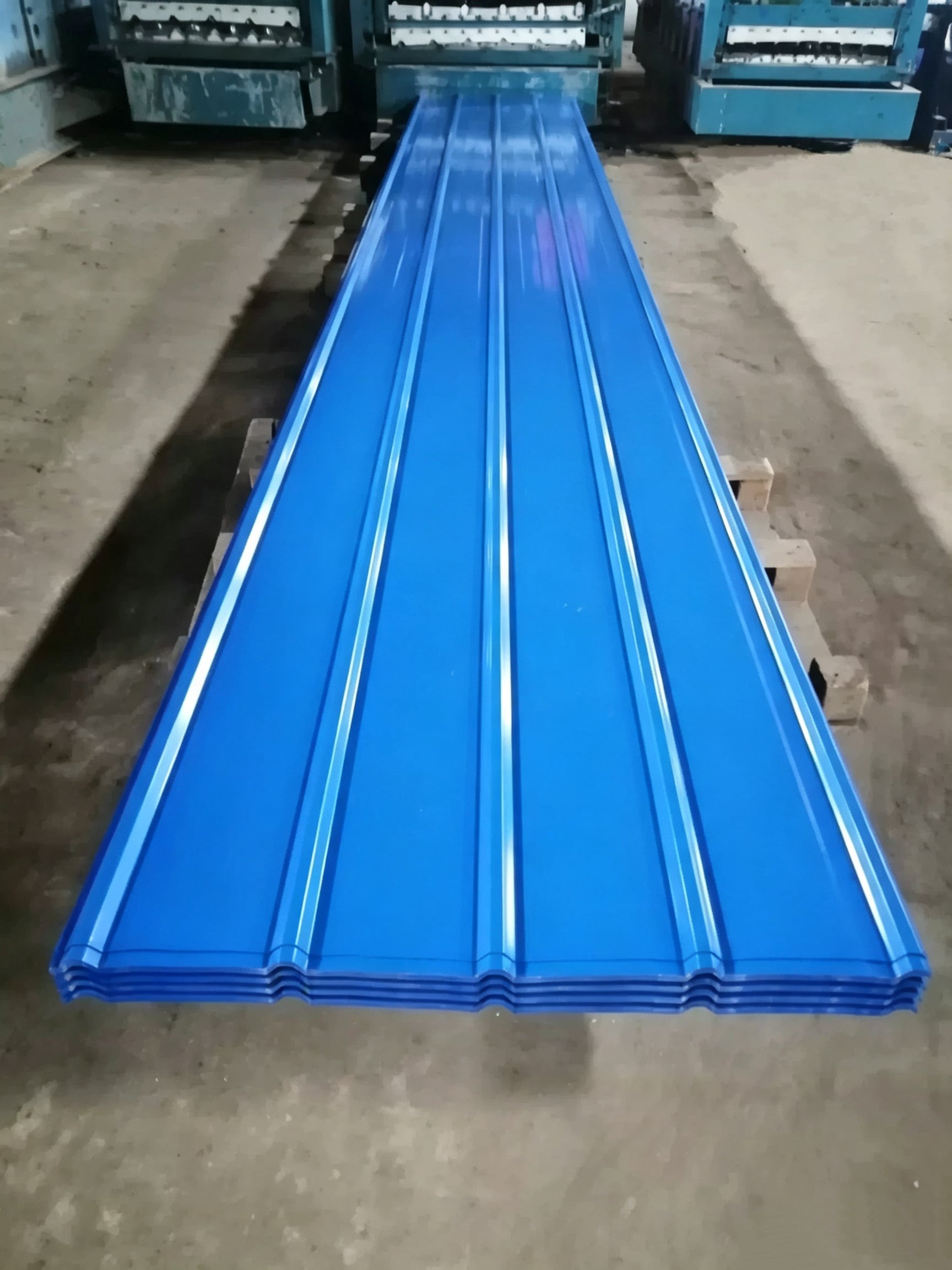
In the  realm of warehouse construction,  the choice of  a warehouse roof is critical for ensuring durability, energy efficiency, and overall  structural integrity. This article delves  into  the essential considerations surrounding warehouse  roofs, addressing  common buyer concerns such as  material  specifications, installation  costs, and potential issues that can arise. By  understanding these key aspects, purchasing managers,  engineers,  and project  managers can make informed  decisions that align  with  their  operational needs.


Why choose Xingyuanxing warehouse roof

Our Products

Top Suppliers of Warehouse Roof Systems

When searching for suppliers of warehouse roof systems, it’s essential to evaluate their manufacturing capabilities, material options, and  industry experience. Leading manufacturers like Tianjin Xingyuanxing Color Steel Structure Co., Ltd. provide integrated solutions encompassing  design, fabrication, and installation  services. With over a decade of experience in the  Beijing-Tianjin-Hebei region, they are known for their stable quality  and efficient project execution. For instance, they offer Galvanized Several-Shaped Steel Profiles 50*70mm For Greenhouse Frames that are ideal for various construction needs.

Key aspects to consider when selecting a supplier include:

Material Variety:  Ensure the supplier offers a range of materials  such  as color steel, galvanized steel, and insulated panels, each suited for different applications and climates.


Customization Options: Look  for suppliers that can accommodate specific project requirements, including custom dimensions and unique  design  features.

Quality  Certifications: Verify  that  the supplier adheres to  industry standards and possesses relevant certifications to ensure product reliability.

Post-Installation Support: Assess  whether the supplier provides ongoing maintenance  or warranty  services  to address potential issues after installation.

Frequently Asked Questions

Our Blog Posts

What Our Partners Say

Budgeting for Your Warehouse Roof Installation

Budgeting for Your Warehouse Roof Installation

Budgeting for  a warehouse roof installation involves a meticulous assessment of several cost factors. These can include material costs,  labor expenses, and additional charges for customization or specialized installation techniques.

Material Costs: The choice of roofing material significantly  impacts the overall budget. For example, color steel roofs  may offer cost savings due to lower maintenance needs compared to traditional materials. Additionally, options like Prefabricated Structural H-Beam Steel 100×100mm For Large-Span Industrial can also influence budget planning.

Labor  Costs: Skilled labor is essential  for proper  installation and can vary  based on  regional  labor rates. Engaging  experienced  professionals ensures quality installation, which can prevent costly repairs in the future.

Design Considerations:  Complex roof  designs may require additional engineering and installation time, affecting labor costs. Simpler designs can help keep budgets in check.

Contingency Planning: It is prudent to set aside a contingency fund to address unforeseen issues that  may arise during  installation, such as weather delays or material shortages.

By thoroughly analyzing these components, buyers can create  a realistic  budget  that aligns with their project  goals.

Common Problems with Warehouse Roofs and Their Solutions

Common Problems with Warehouse Roofs and Their Solutions

Warehouse  roofs can encounter several issues over  time, impacting their  performance and longevity. Here are some common problems and effective solutions:

Leaks: Over time, roofing materials may degrade, leading to  leaks. Regular inspections and maintenance can identify problems early.  Employing high-quality  sealants and ensuring proper drainage  during installation can mitigate this issue.

Ponding Water: Inadequate drainage can lead to water pooling on  the roof, which can cause structural damage.  Roof designs should incorporate adequate slope and drainage systems to prevent this.


Thermal Expansion and Contraction: Fluctuations  in temperature can  cause roofing materials to expand and contract, leading to  cracks or  warping. Selecting materials with good  thermal resistance and ensuring proper installation techniques can help manage this.

Inadequate Insulation: Poor insulation can lead to energy inefficiency. Utilizing insulated  panels can enhance energy  savings by  maintaining optimal temperatures within the warehouse.  Using products like Insulated Profiled Metal Wall Panels 840mm For Industrial Climate Control can further improve energy efficiency.

By addressing these potential problems proactively, buyers can extend the lifespan of their warehouse roofs and  enhance operational  efficiency.

When to Use Different Warehouse Roof Types

When to Use Different Warehouse Roof Types

The selection of a  warehouse roof type largely depends on the specific needs  of the facility, including  climate,  building design,  and intended use. Here are  some common roof types and their  optimal applications:

Flat Roofs: Ideal for areas with  minimal rainfall, flat roofs allow for easier installation and maintenance of HVAC  systems. However, they require effective  drainage solutions  to prevent water accumulation.

Sloped Roofs: Best suited for  regions with heavy rainfall or snowfall, sloped roofs facilitate water runoff and reduce the risk of leaks. They are often used in warehouses that require extensive insulation.

Curved Roofs: These roofs provide  aesthetic appeal and can enhance the structural integrity of the building. They are suitable for larger  warehouses, offering better air circulation and reduced wind resistance.

Green Roofs: Incorporating  vegetation, green roofs provide insulation and can improve  energy efficiency. They are suitable for eco-friendly projects but require specialized design and maintenance.

Choosing the appropriate  roof type based  on specific  warehouse  needs can optimize performance and reduce long-term costs.

How to Ensure Reliable Warehouse Roof Supply for Your Projects

Ensuring a reliable supply of warehouse  roofs involves thorough planning  and supplier  evaluation. Here are key steps to consider:

Supplier Relationships: Build strong relationships with trusted suppliers who have a proven track  record in the industry. This can lead to  favorable terms  and  priority  service during high-demand periods.

Inventory Management: Maintain clear communication  with suppliers regarding inventory levels and lead times. This can prevent delays in project timelines and ensure materials  are available when needed.

Quality  Assurance: Establish a quality assurance  process that includes inspections of materials upon delivery. This helps ensure  that the products meet specified standards and reduces the likelihood of defects.

Documentation and Compliance: Ensure that all materials meet relevant industry standards and regulations. Proper documentation can facilitate smoother project execution and compliance with local building codes.

Feedback  Mechanism: Implement a feedback system to evaluate  supplier performance over time. Regular assessments can help identify areas for improvement and  strengthen supplier  partnerships.

By taking a proactive approach to supplier management,  buyers can secure reliable warehouse roof supplies that meet project  demands  and quality standards.