Choosing the Right Roof for Warehouses

application/roof-for-warehouse, application/roof-for-warehouse, 
Inquiry
Inquiry

roof for warehouse

Choosing  the  right  roof for a warehouse is crucial  for the longevity and  efficiency of the structure. With options  ranging from metal to membrane  systems, each type has unique  characteristics that can impact  performance, cost,  and maintenance. This article  will help B2B  buyers understand the key considerations when selecting  a  warehouse  roof, including  specifications,  supplier reliability, installation guidance,  and  cost factors, ensuring informed purchasing  decisions.

Why choose Xingyuanxing roof for warehouse

Our Products

What to Consider When Choosing a Warehouse Roof for Your Projec

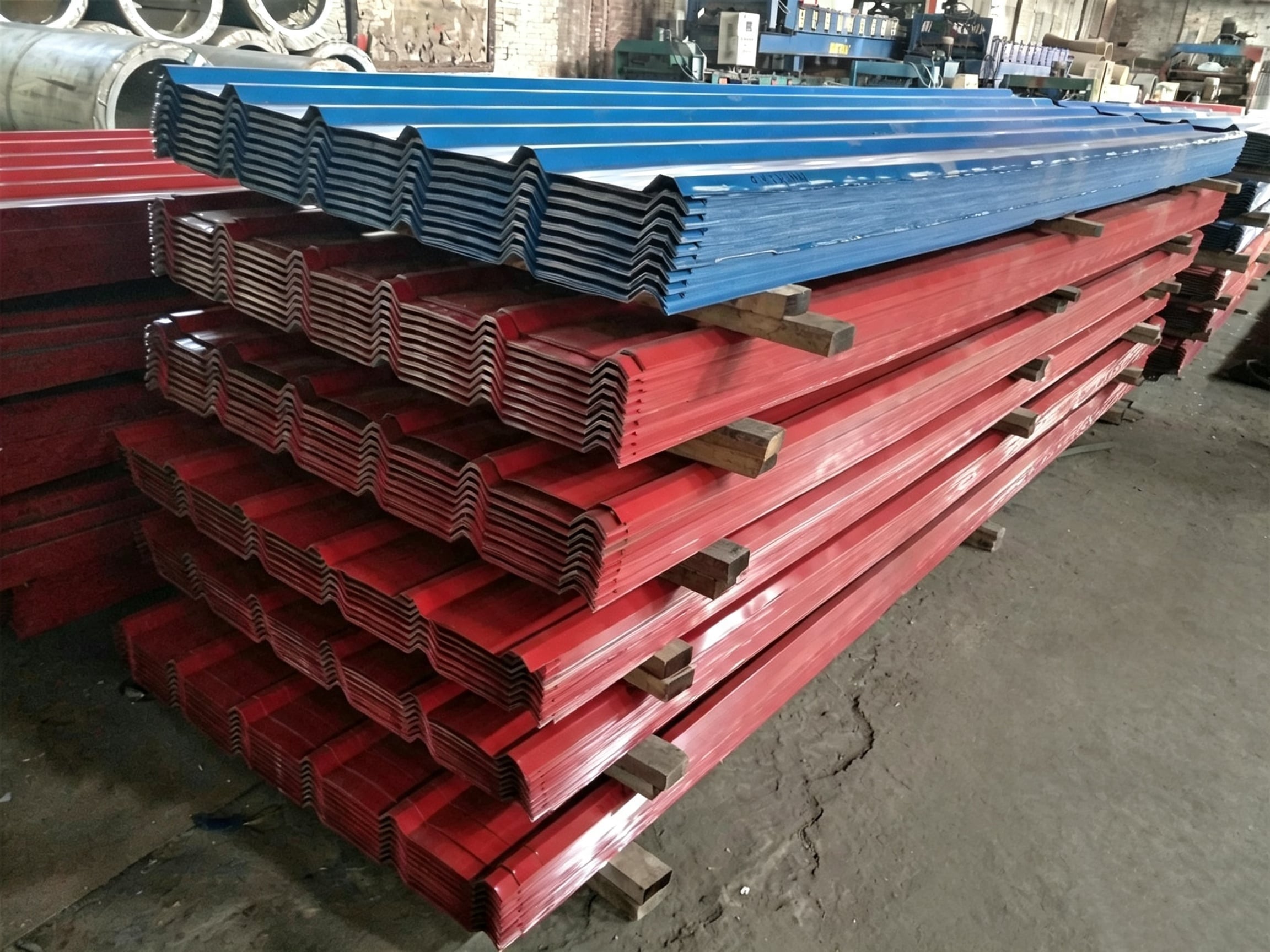
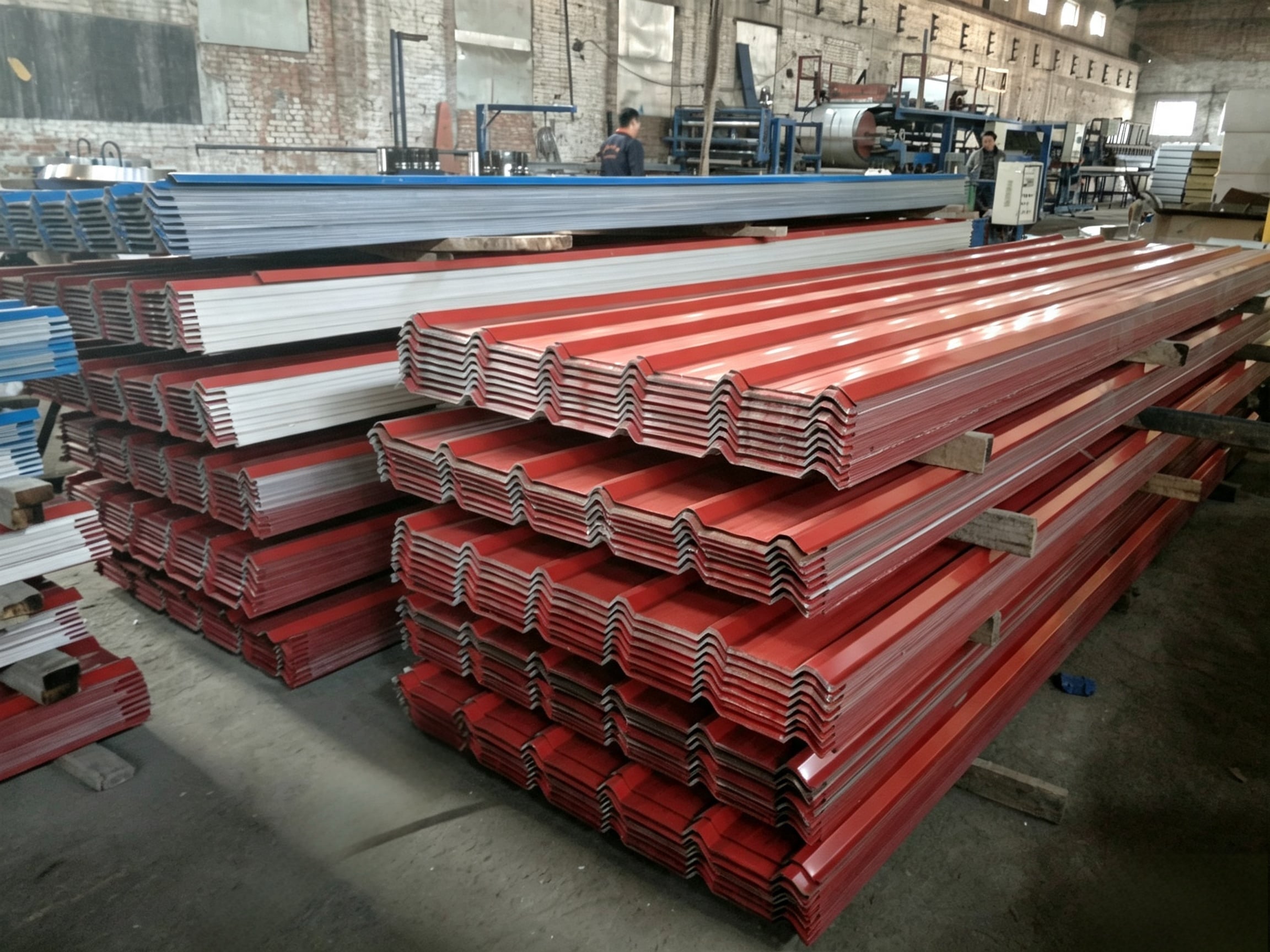
When  selecting a roof for a  warehouse, several factors must be taken into account. Firstly, the climate of the installation location plays  a significant role. For instance, areas prone to heavy snowfall or extreme temperatures  may require roofs  with higher load-bearing  capacities and better insulation properties. Secondly, the intended use  of the warehouse should  influence  material choice; for example, a warehouse storing chemical  products may need  a roof that can resist corrosion. Additionally, the  lifespan of the roofing material is a critical consideration. Materials such as color steel, which is often used in industrial settings, provide durability and resistance to weathering.

<p> Buyers&nbsp; should also consider the&nbsp; roof's slope, ventilation needs, and&nbsp; drainage systems to prevent&nbsp; water&nbsp; accumulation, which can lead to structural damage over time. Understanding these elements will aid&nbsp; in selecting a roof that meets both&nbsp; performance and regulatory requirements. For instance, incorporating a proper roof system is essential to enhance the overall durability and functionality of the structure.

Frequently Asked Questions

Our Blog Posts

What Our Partners Say

Key Specifications for Durable Warehouse Roof Solutions

Key Specifications for Durable Warehouse Roof Solutions

Selecting a&nbsp; durable warehouse roof involves understanding key specifications that directly affect performance and longevity. Important parameters include:

Material Thickness: A thicker material&nbsp; typically offers better durability and resistance to impacts. For example, a steel roof with a thickness of at least 0.5mm is often recommended for industrial&nbsp; applications&nbsp; to withstand harsh conditions.


Coating and Finish: The type of coating on&nbsp; metal&nbsp; roofs, such as galvanized or painted finishes, can enhance corrosion resistance. This is particularly important in environments with high moisture or exposure to chemicals.

Insulation Value: The roof's insulation value, often&nbsp; measured in R-values, affects&nbsp; energy efficiency. A higher R-value indicates&nbsp; better thermal resistance, which can lead to cost savings on heating and cooling.


Load-Bearing Capacity:&nbsp; This specification is vital for&nbsp; warehouses that store heavy goods. Buyers should ensure that the&nbsp; roof&nbsp; can handle the maximum expected load, including any potential snow&nbsp; or equipment&nbsp; placed on it. Each of these&nbsp; specifications plays a critical&nbsp; role in the roof's overall performance and&nbsp; should be confirmed with suppliers before making a purchase.

Sourcing Reliable Warehouse Roof Suppliers

Sourcing Reliable Warehouse Roof Suppliers

When sourcing suppliers for warehouse roofing, it's&nbsp; essential&nbsp; to&nbsp; evaluate their reliability and reputation in the industry. Start by examining their manufacturing capabilities and experience.&nbsp; A supplier&nbsp; like Tianjin Xingyuanxing Color&nbsp; Steel Structure Co., Ltd., which has over a decade of&nbsp; experience in the Beijing-Tianjin-Hebei&nbsp; region, can offer insights into quality practices and project execution.

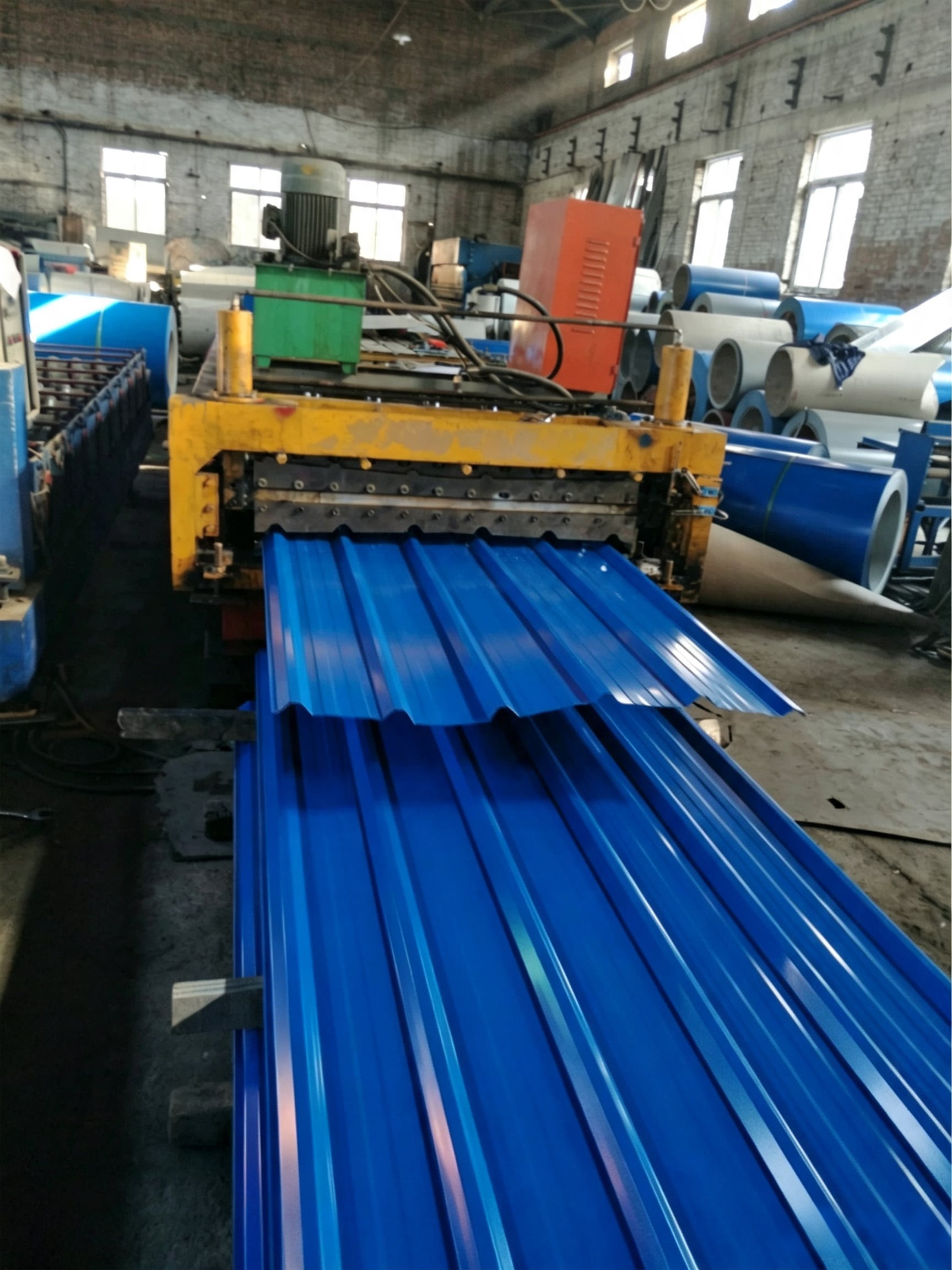
Next, consider their certifications and quality control processes. Certifications such as ISO&nbsp; can&nbsp; indicate a commitment&nbsp; to quality standards. Additionally,&nbsp; ask about their production&nbsp; equipment&nbsp; and capabilities; modern machinery often leads&nbsp; to&nbsp; better precision and&nbsp; consistency in roofing products. It is also vital to check if they provide additional components like accessories that can enhance the roofing system.

Lastly, obtain references or case studies from previous clients. A supplier's track record on similar projects can provide valuable insights into their&nbsp; reliability, customer service, and&nbsp; ability to&nbsp; meet deadlines.

Installation Guidance for Efficient Warehouse Roof Systems

Installation Guidance for Efficient Warehouse Roof Systems

Proper installation of a&nbsp; warehouse&nbsp; roof is crucial for maximized performance and durability. Ensure&nbsp; that the installation team is&nbsp; familiar with the specific&nbsp; roofing materials and techniques recommended&nbsp; for the&nbsp; chosen system. Incorrect installation can lead to issues&nbsp; such as leaks&nbsp; or premature deterioration.

Before&nbsp; installation begins, it’s advisable to conduct a site&nbsp; assessment to ensure that the structure can support&nbsp; the new&nbsp; roof system. This&nbsp; includes&nbsp; checking the existing framework for any&nbsp; necessary reinforcements.

During the installation, pay attention to the sealing and fasteners used. High-quality sealants&nbsp; and fasteners are essential&nbsp; to prevent water ingress. Lastly,&nbsp; once the installation is complete, conduct a thorough inspection to ensure everything meets the specified standards&nbsp; before final acceptance.

Cost Factors to Consider for Warehouse Roof Purchases

Cost is a significant factor when purchasing&nbsp; a roof for&nbsp; a warehouse. The total cost can&nbsp; be influenced by various elements,&nbsp; including:

Material Costs: Different roofing materials come with varying price points. While metal roofs may&nbsp; have a higher upfront cost,&nbsp; their longevity and low maintenance can lead to overall savings.

Installation Expenses: Labor costs can significantly impact the&nbsp; total project budget.&nbsp; It's worth investing in experienced installers to&nbsp; avoid costly mistakes&nbsp; that could arise from improper installation.

Maintenance and Lifespan: Consider the long-term&nbsp; maintenance costs&nbsp; associated with different roofing materials. Some materials may&nbsp; require more&nbsp; frequent repairs or&nbsp; replacements than others.

Customization Requirements: Any specific design or&nbsp; customization needed for the roof can add to the overall cost.&nbsp; Ensure to communicate any unique requirements to the supplier early in the&nbsp; purchasing process.


By carefully considering these cost factors, buyers can make informed decisions that align with their budget while ensuring the quality and durability of their warehouse roofing&nbsp; system.