Choosing the Right Structural Steel Framework Supplier

application/structural-steel-framework, application/structural-steel-framework, 
Inquiry
Inquiry

structural steel framework

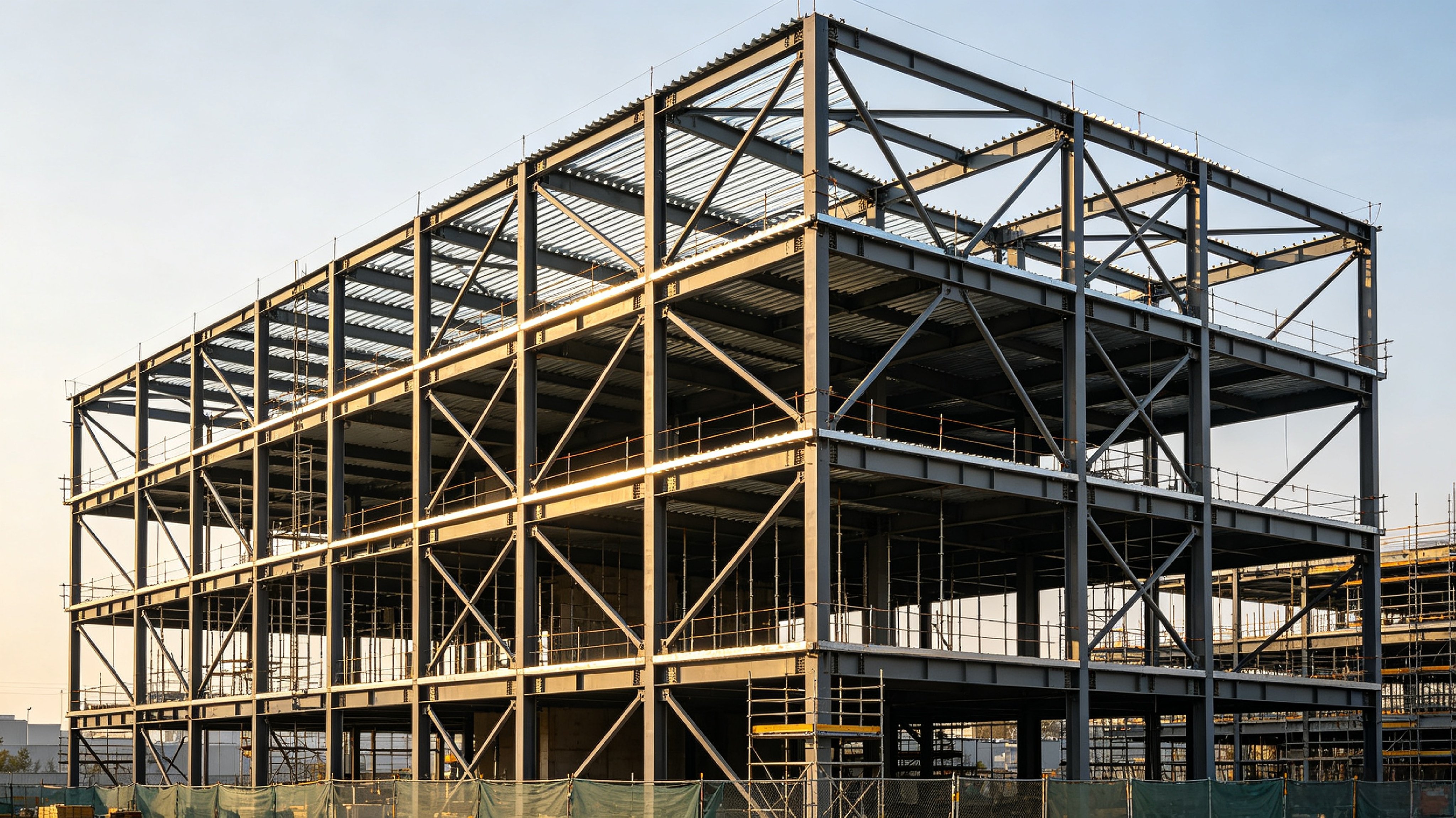
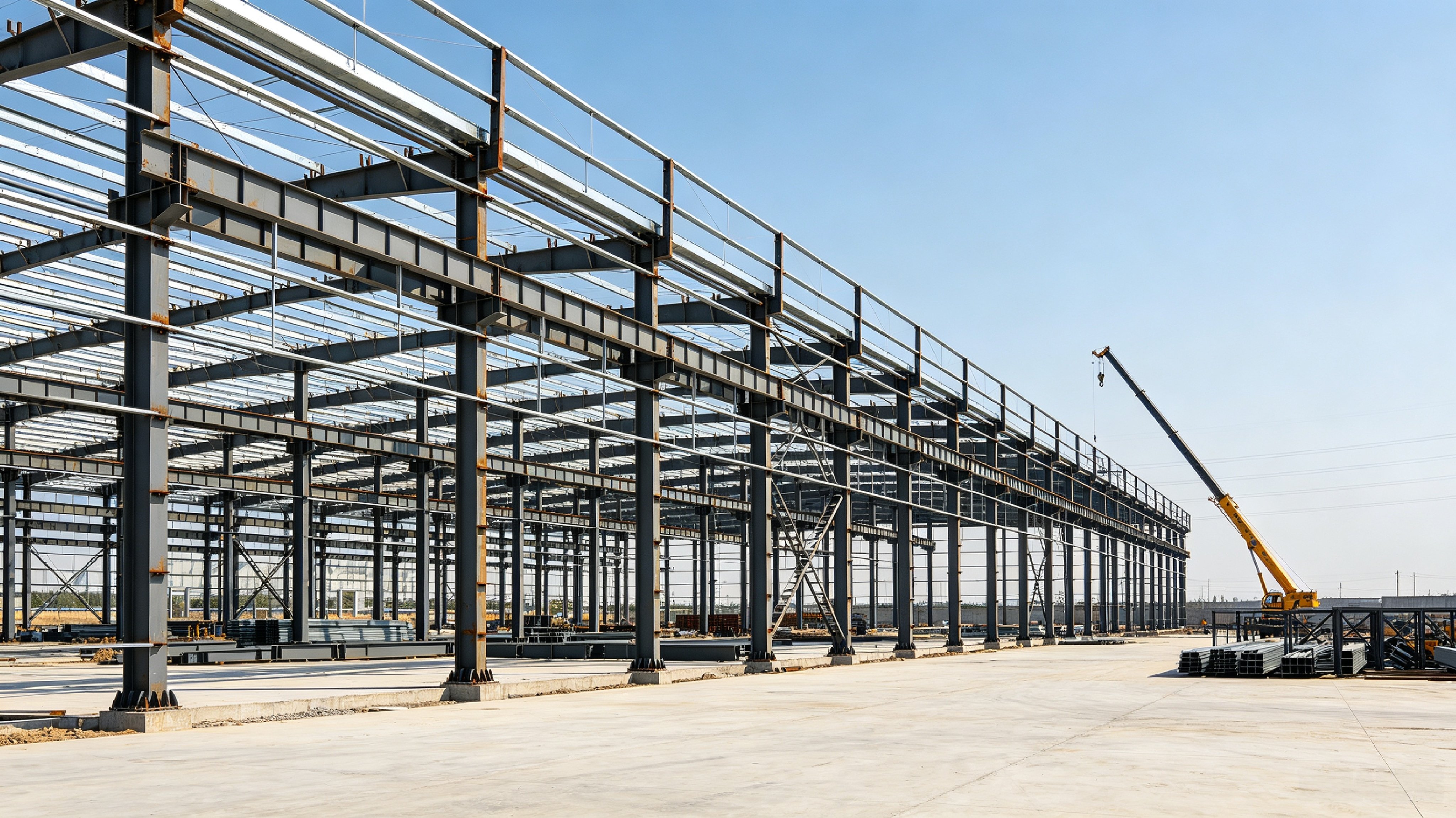
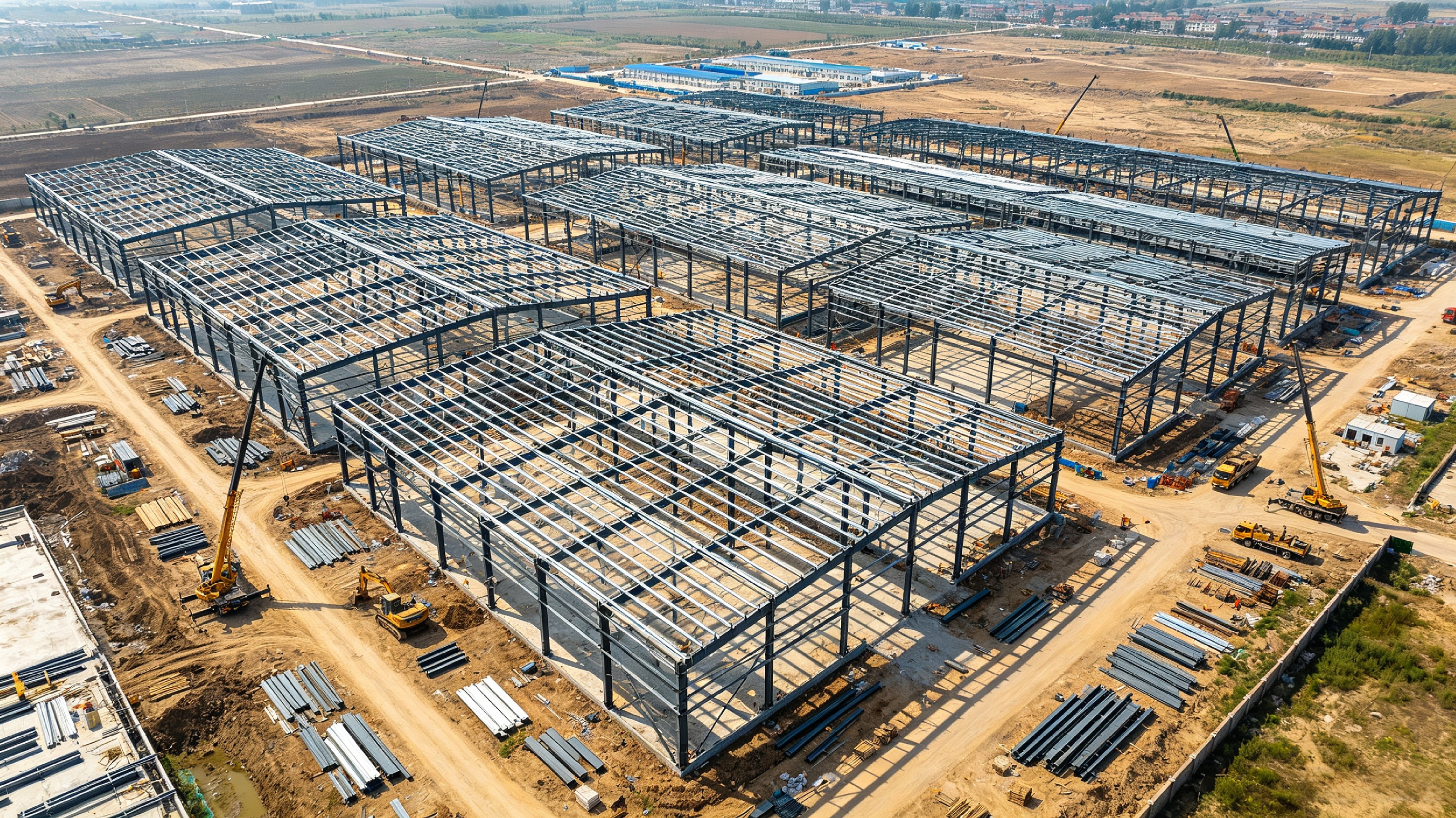
Structural steel  frameworks  are  essential components in modern construction projects, providing the  necessary  strength and durability  for  a variety  of  applications. As a purchasing manager  or engineer, understanding the nuances of selecting the right structural  steel framework  is  crucial for ensuring project success. This article will  address key  considerations when choosing suppliers, important specifications  for construction,  installation guidance, common  problems and solutions, and  the benefits of  using structural steel frameworks.

Why choose Xingyuanxing structural steel framework

Our Products

What to Consider When Choosing Structural Steel Framework Suppliers

When selecting a supplier for structural steel frameworks,  several factors should be  taken  into account.  First, evaluate the supplier's  experience and reputation in the industry. Companies with a strong track  record, like Tianjin Xingyuanxing Color Steel Structure Co., Ltd., which has over 10 years of experience in the Beijing-Tianjin-Hebei region, often provide reliable  quality and service.

Next,  consider the supplier’s manufacturing  capabilities. This includes their production equipment  and technology, which can influence lead times and the ability to meet your specific project requirements. Ensure that the supplier has adequate quality control  processes  in place  to maintain consistent product quality. For example, using Hot-Rolled U-Shaped Channel Steel Q235B For Industrial Equipment Base Support can enhance the structural integrity of your projects.

Additionally, inquire about the supplier's certifications and compliance with relevant industry standards.  This not only ensures that  the products meet  safety and performance specifications but also demonstrates the supplier's commitment to quality.

Lastly, assess  the supplier’s customization capabilities. Projects may require tailored solutions, and a  flexible supplier can adapt their offerings to  meet unique  specifications.

Frequently Asked Questions

Our Blog Posts

What Our Partners Say

Key Specifications for Structural Steel Framework in Construction

Key Specifications for Structural Steel Framework in Construction

Understanding the key specifications of structural  steel frameworks is vital for ensuring they meet project requirements. Key specifications to consider include:

Material Grade: Structural steel is available  in various grades, such as ASTM A36 or ASTM A992, which determine the  steel's strength and suitability for  specific applications. Selecting the right grade is essential for achieving the desired load-bearing capacity.

Dimensions: The dimensions of the structural  steel components, including length, width, and thickness, must be specified  according to the design requirements. Inaccurate dimensions can lead to poor fit and increased project costs.

Coating and Finish: Protective coatings are vital for preventing corrosion, especially in harsh environments. Discuss options  such as galvanization or paint with your supplier to ensure long-lasting  performance. For instance, Corrosion-Resistant Hot-Dip Galvanized Round Tube Q235B For Greenhouse Bracing can provide excellent protection against the elements.

Welding  and  Fabrication Standards: Proper welding and  fabrication techniques are crucial for maintaining structural integrity. Ensure the supplier adheres  to recognized standards and practices for  welding, as this  impacts the overall strength  of the framework.

Load Requirements: Clearly define  the anticipated  loads, including live loads, dead loads, and environmental loads  (e.g., wind, seismic). This information is  essential for  the supplier to recommend the appropriate specifications.

Installation Guidance for Structural Steel Framework Projects

Installation Guidance for Structural Steel Framework Projects

Proper installation is critical to the performance of structural steel frameworks. Here are some essential guidelines to follow:

Site Preparation: Ensure  that the installation site is adequately prepared, with a stable foundation  to support the structural steel. Soil  conditions and load-bearing capacities should be assessed before installation.

Installation  Sequence: Follow a logical sequence for installation, starting with the base components and progressing upwards. This  helps maintain structural integrity and allows for accurate alignment.

Use of Proper Equipment: Employ the right tools and  equipment, such as cranes and hoists, to handle and position the steel components safely. Ensure that all personnel  are trained in  using  this equipment  to minimize accidents.

Alignment and Leveling: During installation, continuously check the alignment and leveling  of the steel  framework. Use plumb bobs and levels  to ensure that components are installed correctly, as misalignment can lead to structural  issues.

Inspection and Quality  Control:  After installation, conduct thorough inspections to verify  that the framework meets all specifications  and standards. Inspect welds and connections for any  signs of  defects.

Common Problems in Structural Steel Framework and Their Solutions

Common Problems in Structural Steel Framework and Their Solutions

Despite careful planning, challenges can arise during  the use of structural steel  frameworks. Here are some common issues and their  solutions:

Corrosion: Exposure to moisture can lead to corrosion of the steel framework. Implement protective coatings or  treatments during installation. Regular inspections should also be conducted to identify any corrosion  early.

Misalignment: Misalignment during installation can lead to structural weaknesses. To mitigate this, ensure that  installation personnel are trained  and that installation procedures are rigorously followed.

Load-Bearing Failures: If the  framework  is not designed to  handle the expected loads, it could fail. Consult with a structural engineer during the design phase to  ensure that the framework can  accommodate  all anticipated  loads.

Weld Defects: Improper welding can compromise the strength of  the  framework. Employ qualified  welders and conduct regular quality checks on welds  to prevent this issue.


Material Defects: Occasionally,  materials may have defects that go unnoticed. Request detailed material certifications from suppliers and consider conducting independent testing if needed.

Benefits of Using Structural Steel Framework in Your Projects

Structural steel frameworks offer numerous advantages that make them an ideal choice for various construction projects:


Strength and Durability: Structural steel is known for its high strength-to-weight ratio, allowing for the construction of sturdy  and resilient structures  that can withstand heavy loads.

Design Flexibility: Steel frameworks can be easily customized to meet  specific design requirements, allowing for innovative architectural solutions that are  both functional and aesthetically pleasing.

Speed of Construction: The  prefabrication of structural steel components can  significantly reduce construction time. Components can be manufactured off-site  and assembled quickly on-site, leading  to faster project completion.

Sustainability: Steel is  a recyclable material, and using structural steel frameworks supports sustainable construction practices. This is increasingly  important for companies looking to reduce their environmental impact.

Cost-Effectiveness: While the initial investment in structural steel can be higher than  other  materials, its longevity and low maintenance costs often lead to  lower total life-cycle costs.

In summary, selecting the right structural steel framework requires  careful consideration of supplier capabilities, specifications,  installation practices, and potential challenges. By  understanding  these factors, purchasing managers and engineers can make  informed decisions that contribute to the  success of their construction projects.