Lightweight Steel Frames for Modern Construction

application/lightweight-steel-frame, application/lightweight-steel-frame, 
Inquiry
Inquiry

lightweight steel frame

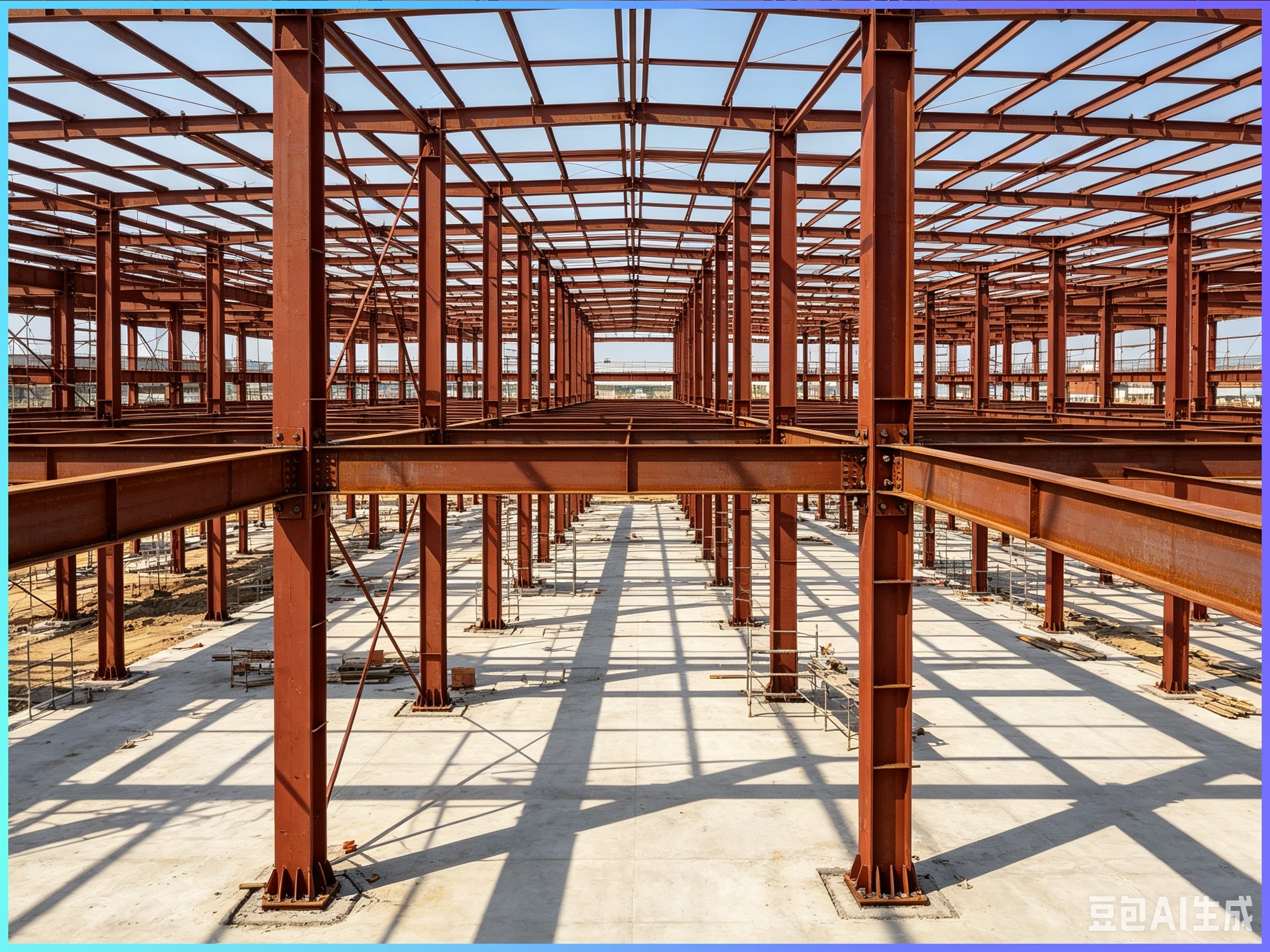
Lightweight steel frames are  an  innovative solution in construction  that offers a combination of strength, durability, and reduced  weight compared to traditional  building materials.  In the  competitive landscape of  industrial construction, buyers often  seek to understand the advantages, applications, and manufacturing processes  associated with lightweight  steel  frames.  This article will provide insights into  how lightweight  steel frames  compare to  conventional materials, discuss quality assurance practices in their manufacturing, explore their applications, guide  on evaluating their strength and  durability, and offer  installation guidance.

Why choose Xingyuanxing lightweight steel frame

Our Products

Lightweight Steel Frames vs. Traditional Materials

When  comparing lightweight steel frames to traditional materials such as wood and concrete, several  key factors come into play. Lightweight steel frames are typically  made  from high-strength steel, which provides  superior structural integrity while being significantly  lighter than concrete and wood. This reduction in weight not  only eases transportation and installation  but  also helps to minimize foundation requirements, which can lead  to cost savings.

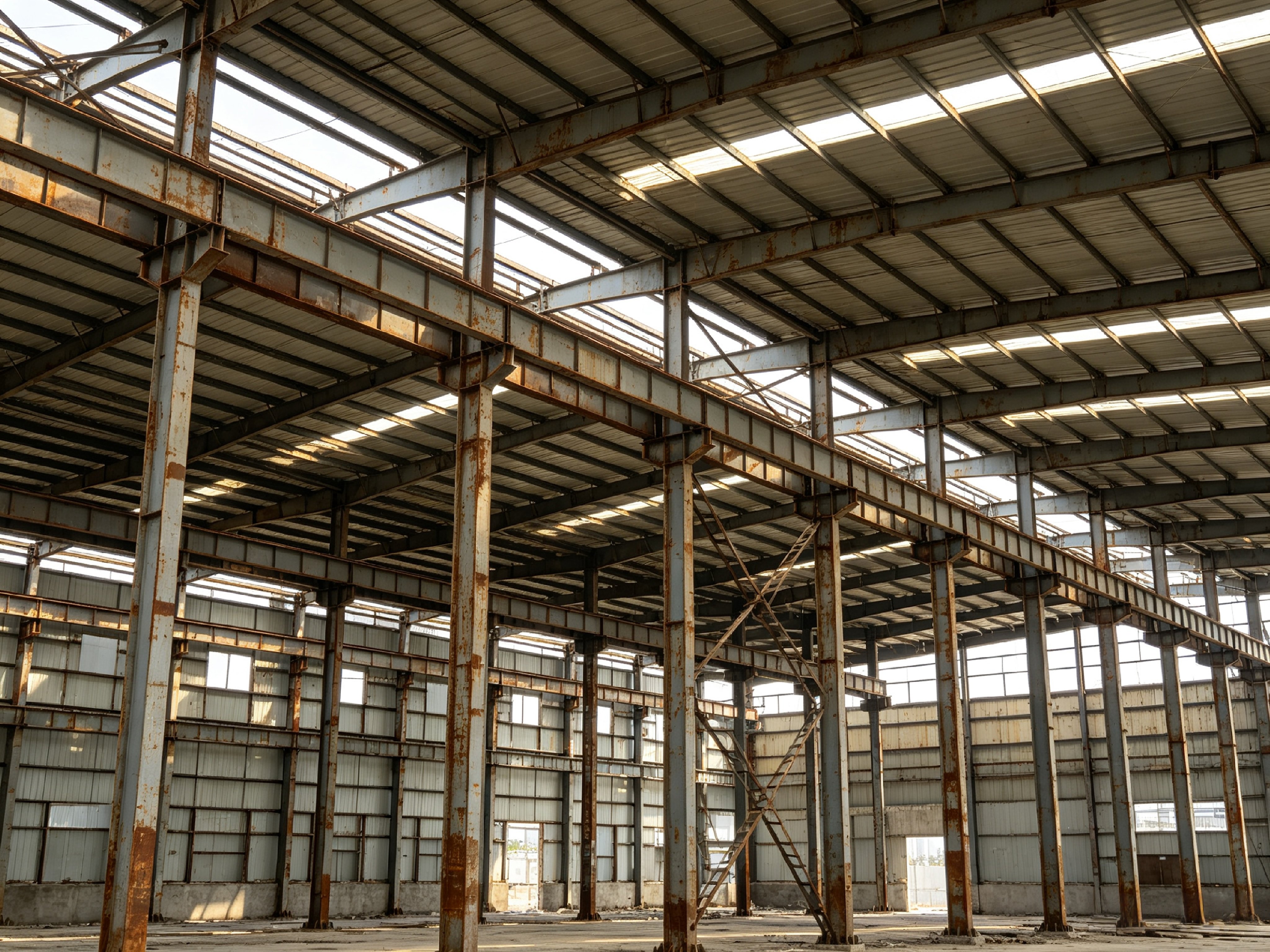
Additionally, lightweight steel frames offer enhanced flexibility in  design,  allowing for larger spans and more  complex structural configurations without compromising safety. Unlike wood, steel is not susceptible to rot, pests, or warping, making it a long-lasting  choice for construction. Furthermore,  steel frames can be  prefabricated, which speeds up the construction  process and reduces on-site labor costs. Overall, while traditional  materials have their  merits, lightweight steel frames present compelling advantages for modern industrial applications. For instance, the use of a Factory building of steel structure can demonstrate these benefits effectively.

Frequently Asked Questions

Our Blog Posts

What Our Partners Say

Quality Assurance Practices for Lightweight Steel Frame Manufacturing

Quality Assurance Practices for Lightweight Steel Frame Manufacturing

Quality assurance is critical  in the  manufacturing  of  lightweight steel frames  to ensure that they meet stringent safety  and performance standards. At Tianjin Xingyuanxing Color Steel Structure Co., Ltd., a robust quality control process is integrated into every stage of production. This includes sourcing high-grade steel  from trusted suppliers, which  is essential for ensuring the  strength and durability of the final product.  Manufacturers typically implement several  quality assurance practices, such as conducting thorough  inspections at  various manufacturing stages, including raw material testing, in-process inspections, and final  product evaluations. Certifications and compliance with international standards are  also crucial; buyers should inquire  about the specific quality certifications that the manufacturer holds, as these can significantly impact the reliability of the product.  Additionally, it is advisable for  buyers to request  documentation of quality inspections and test results to verify the product's compliance with  their  specifications.

Applications of Lightweight Steel Frames in Industrial Construction

Applications of Lightweight Steel Frames in Industrial Construction

Lightweight steel frames are versatile and find applications across various sectors of industrial construction. They are particularly  popular in the construction of warehouses, factories, and  commercial buildings due to their ability to span  large distances without the need for extensive support columns. This feature makes them ideal for creating open layouts that  can accommodate diverse operational  needs. One important aspect to consider in such constructions is the Wall system that complements these frames.

In addition to  traditional industrial applications, lightweight steel frames are increasingly being used in modular and  prefabricated  construction, which allows  for rapid assembly on-site and reduced construction timelines. Their lightweight nature also  makes  them suitable  for retrofitting existing structures, allowing for enhancements without  significantly  increasing  the load on the  original framework. As industries continue to evolve, the demand for lightweight steel frames  is expected to grow,  driven by  their efficiency and  adaptability.

How to Evaluate the Strength and Durability of Steel Frames

How to Evaluate the Strength and Durability of Steel Frames

Evaluating the strength and durability of lightweight steel frames involves several critical considerations. Buyers should assess the material  specifications, including yield  strength, tensile strength, and corrosion resistance. Yield strength indicates  the maximum stress the steel can withstand before deforming,  while tensile strength measures  its ability to resist  breaking under tension. Both are essential for ensuring that the frame can handle the loads it will encounter  in its  intended application.

Additionally, buyers should inquire about  the coating processes used to protect the steel from corrosion, which can significantly impact its longevity. Hot-dip galvanization and powder coating are  common  methods that enhance durability. It’s also  advisable to  review any testing certifications the manufacturer  provides, which can offer insights into the frame's performance under various environmental conditions.

Before finalizing a purchase, buyers should consider requesting  samples or  conducting tests to confirm that the steel  frames meet their specific requirements. This proactive approach  can help avoid potential issues  during installation and ensure that the final structure meets safety and  performance standards.

Installation Guidance for Lightweight Steel Frame Structures

Proper installation of lightweight steel frames is vital to ensure their performance and longevity. Before installation, it’s  essential to  conduct a thorough  site assessment and prepare a detailed plan that outlines the placement of frames and any necessary reinforcements. Proper alignment and leveling  during installation can prevent structural  issues later on.

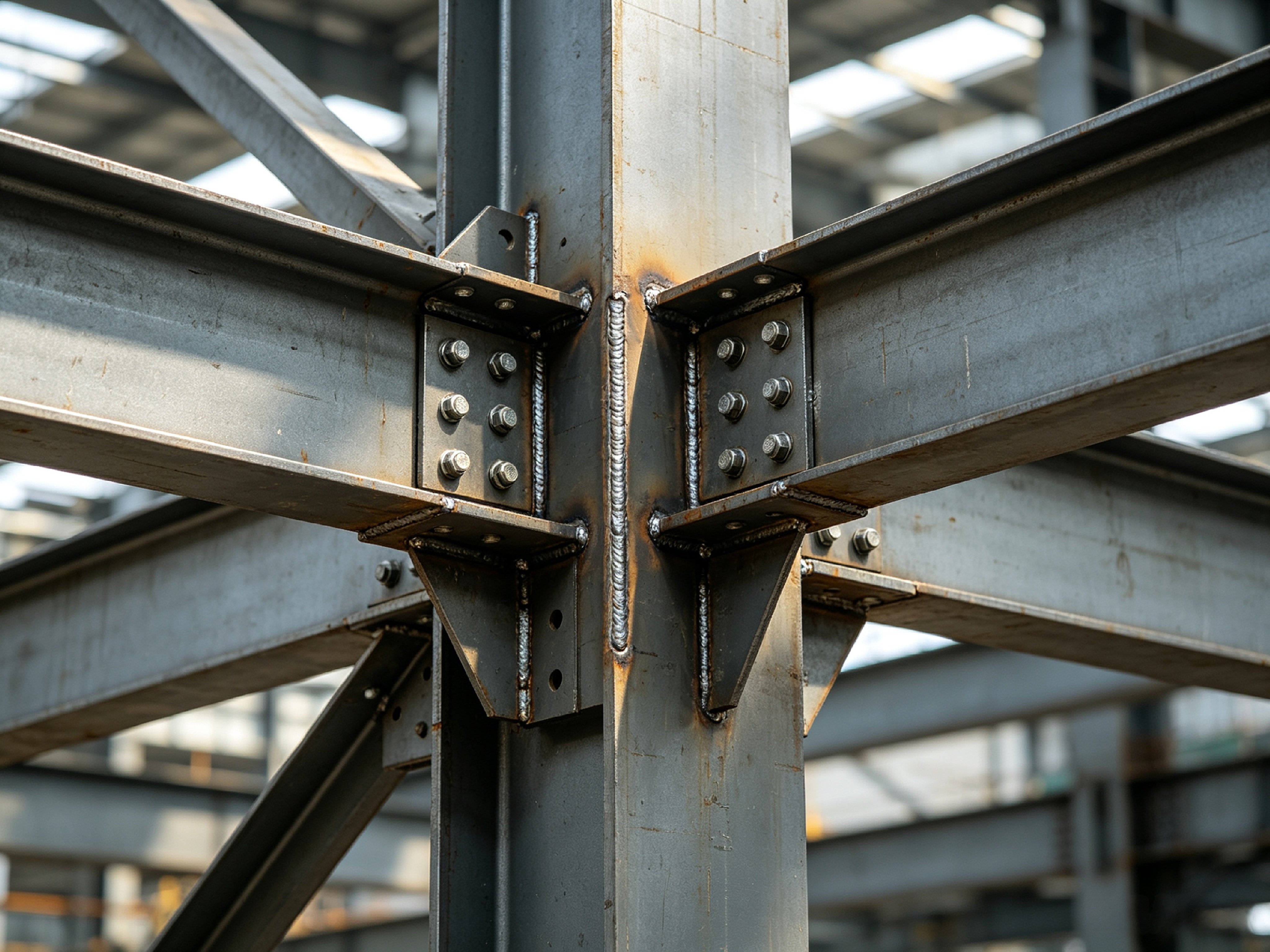
Manufacturers often  provide guidelines outlining the appropriate methods for assembling and securing steel frames.  It is crucial to use the correct fasteners and joinery techniques, as these will affect the overall strength of the structure. Additionally, ensuring that all components are  adequately protected from  environmental  elements during installation can prevent premature corrosion and enhance the durability of the frame.

For  projects involving prefabricated  steel frames, clear communication  between the manufacturer and the installation team is essential. This ensures that all components  arrive on-site as planned and that the installation proceeds smoothly. Buyers should also consider engaging experienced  contractors familiar with lightweight steel frame construction to optimize results and adhere  to safety regulations.

By understanding these  aspects of lightweight steel frames, B2B buyers can make informed decisions that align with their  specific construction needs, ensuring a  balance of quality, efficiency, and durability  in their projects.