Custom Steel Buildings for Diverse Applications

application/custom-steel-building, application/custom-steel-building, 
Inquiry
Inquiry

custom steel building

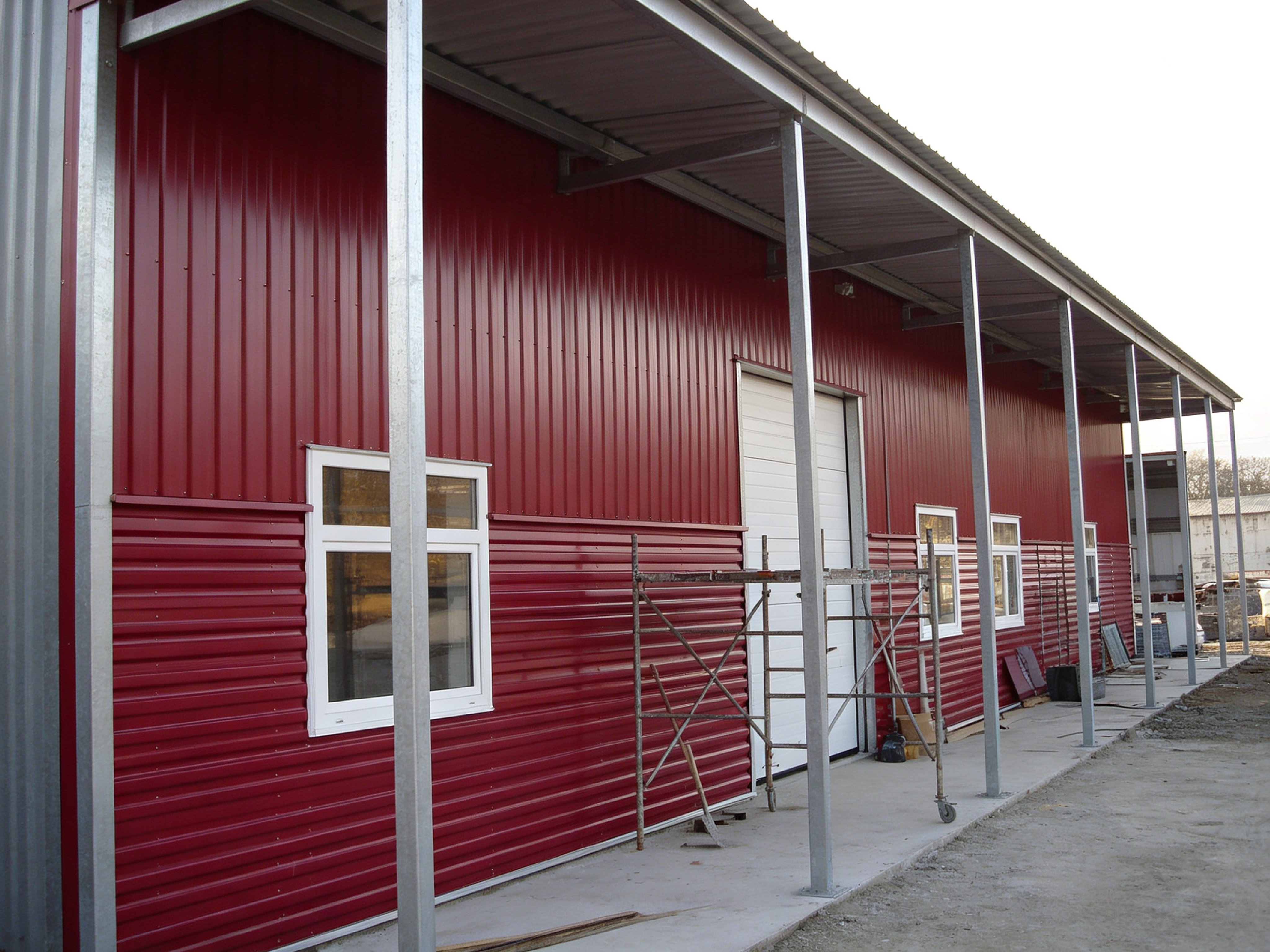
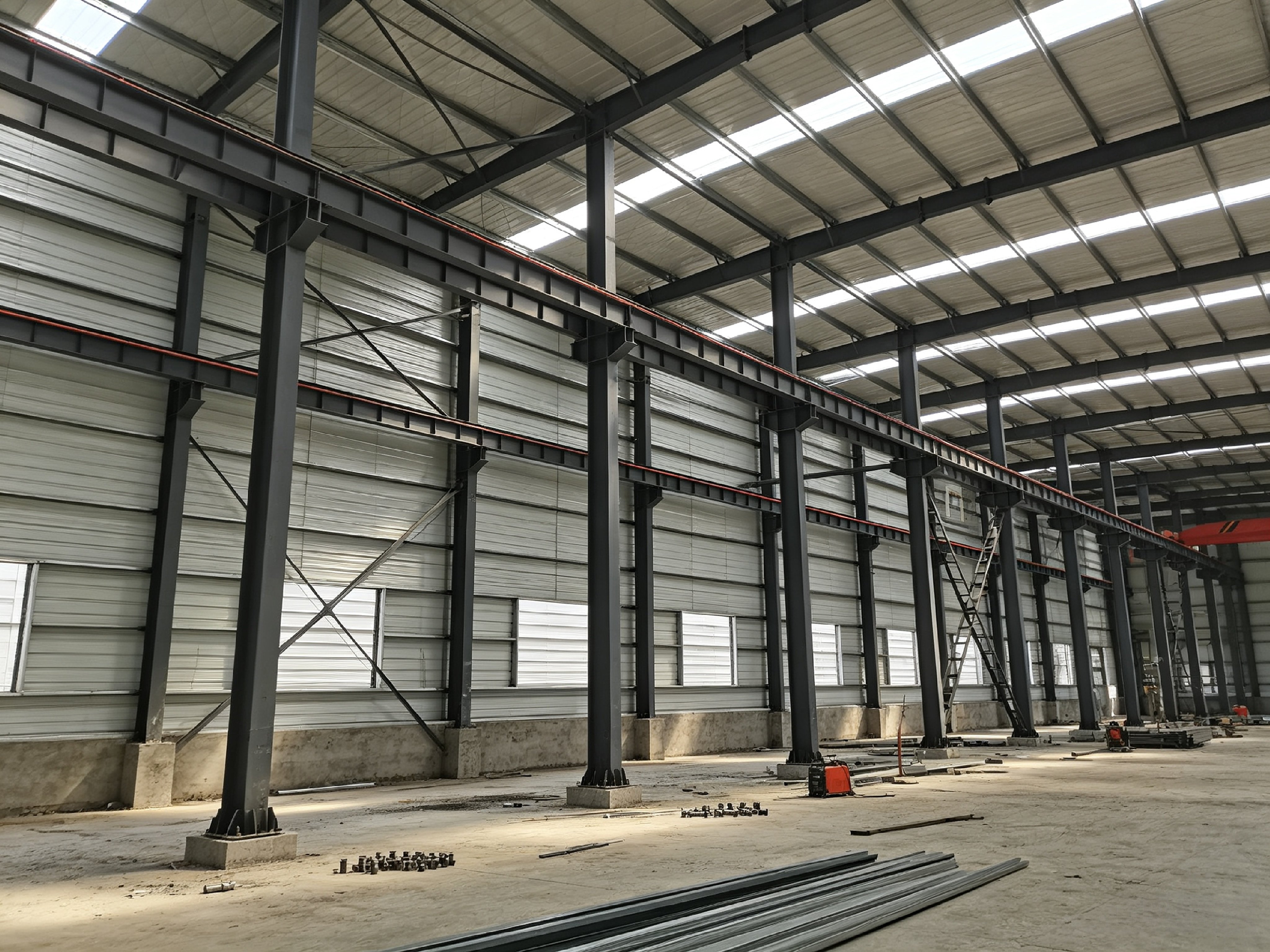
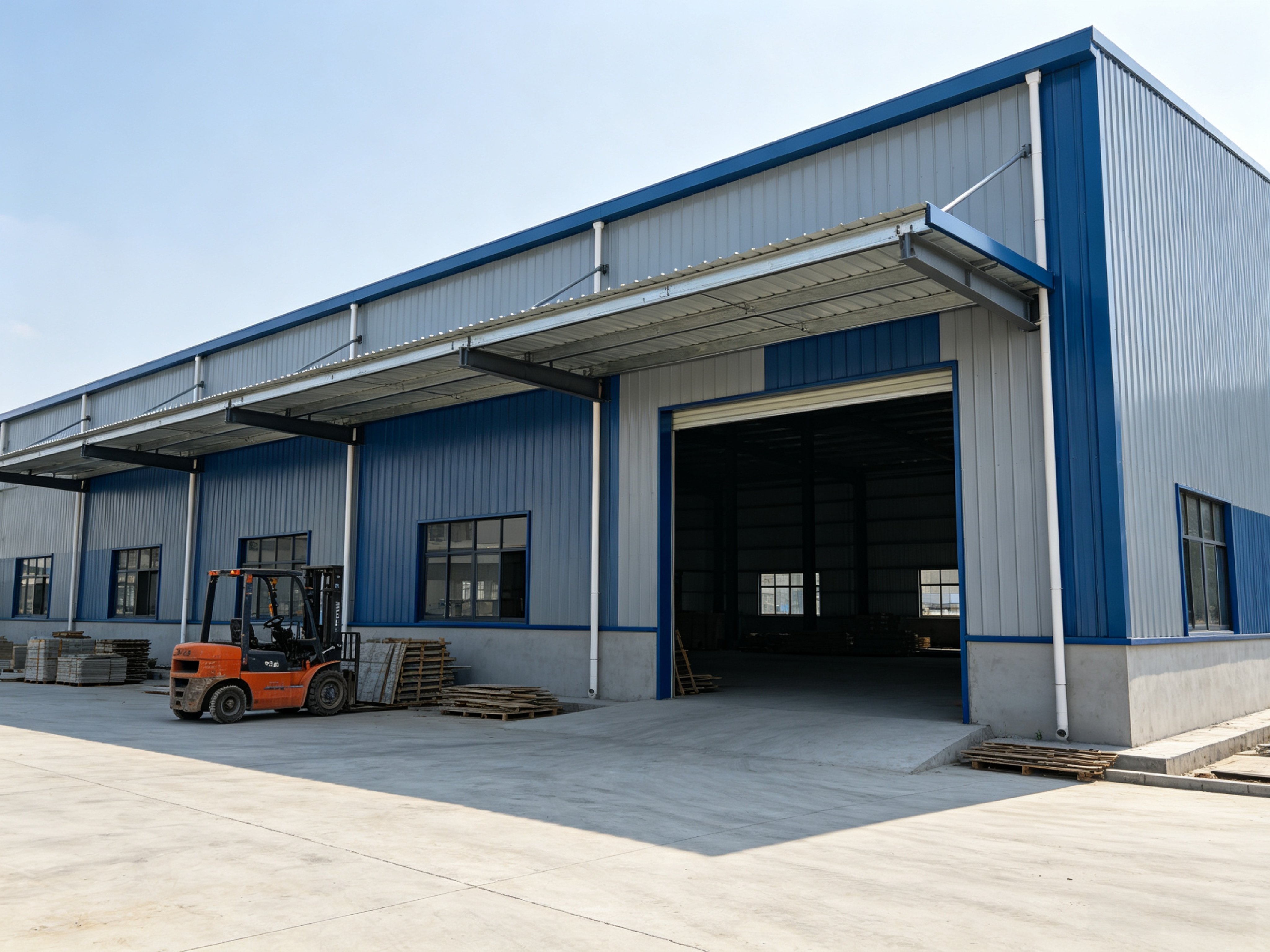
Custom steel  buildings  are versatile structures tailored to meet specific  needs across various industries. These buildings offer significant advantages, including  durability, flexibility  in design, and  efficient  construction timelines.  For B2B buyers, the primary  concerns often revolve  around quality, cost, customization  options, and the suitability  of  the building  for particular applications. This article will explore  key considerations when selecting custom  steel  buildings, how to assess their quality, factors influencing costs, best practices in procurement, and  their applications  in different sectors.

 

Why choose Xingyuanxing custom steel building

Our Products

What to Consider When Choosing Custom Steel Buildings for Projects

When selecting custom steel buildings,  several critical factors must be evaluated to ensure the structure meets project requirements. First, consider the intended  use of the building.  Different applications, such as warehouses,  manufacturing facilities, or  retail spaces, may require specific design features,  load capacities, and insulation properties.

Next,  assess the materials used in the building's construction. High-quality steel with appropriate treatment can  significantly affect durability and maintenance  needs. It's essential  to  understand the environmental conditions the building will face, such as exposure  to moisture, chemicals,  or extreme temperatures, which can dictate material  selection. For instance, considering the use of a Secondary steel structure can enhance the building's resilience against such conditions.

Customization  capabilities  are also vital. A manufacturer like Tianjin Xingyuanxing Color Steel Structure Co., Ltd.  can provide tailored solutions that align with your project specifications, including layout, size, and finish. Moreover, understanding the lead time for  production and installation  is crucial, as this can impact project timelines.


Frequently Asked Questions

Our Blog Posts

What Our Partners Say

How to Evaluate the Quality of Custom Steel Buildings

How to Evaluate the Quality of Custom Steel Buildings

Evaluating the quality of custom steel buildings involves several  steps. Start with a thorough inspection  of the materials used. Verify that the  steel meets relevant standards and certifications, as this ensures it has the necessary strength and durability for your  application. 

Furthermore, review  the manufacturer's quality control processes. A reputable company  will have stringent quality inspection protocols throughout the manufacturing process,  from raw material selection to final  assembly.  Request documentation of these processes, including any certifications  that demonstrate adherence to industry standards.

Another  key aspect is  the building's structural integrity. Engage with the manufacturer to understand  the design calculations and load-bearing specifications.  Request  samples  or conduct a site visit  to view previous  projects, which can provide insight into the quality of workmanship  and materials used.

Cost Factors to Consider When Purchasing Custom Steel Buildings

Cost Factors to Consider When Purchasing Custom Steel Buildings

Cost  is a significant consideration when purchasing  custom steel buildings and can vary based  on  several factors.  The primary elements influencing price include:

Size and Complexity: Larger and more complex  designs  will generally incur higher costs due to increased  material requirements and labor.

Material Quality: The  choice of steel grade and any additional  features,  such as insulation or specialized coatings, will impact the overall  price.

Customization Level: Customized designs tailored to specific  needs often  come with a premium, but they can enhance functionality and efficiency. Incorporating a Roof system can also play a role in the overall cost and design.

Manufacturing Processes: Understanding the  manufacturing methods used by the supplier can offer insights into potential cost savings or  quality trade-offs.

Shipping  and Installation:  Consider logistics costs, including transportation and the complexity of installation, which  can also add to the total expenditure.

Engaging in detailed discussions  with suppliers about these factors can help you gain a clearer picture of potential costs and budget accordingly.

Best Practices

Best Practices

To ensure a successful procurement  process for custom steel buildings,  consider the following best practices:

Request  Detailed Quotations: When approaching suppliers, provide specific information regarding your project, including building  dimensions, intended use, and  any required certifications. This  helps suppliers  give you accurate quotes.

Evaluate Multiple Suppliers: Compare offerings from various manufacturers. Look not just at price but also at quality, customization options, and customer service.

Inspect Samples:  Before finalizing an order, request samples or a prototype of  the materials to evaluate their quality and suitability  firsthand.

Confirm  Specifications Before Production: Ensure all specifications  are documented  and agreed upon before mass production begins.  This  helps avoid misunderstandings and ensures that the final product meets  expectations.

Plan for Future Needs: Consider not only your current  requirements  but also potential future expansions or modifications  to the building. This foresight can save costs and time in  the long run.

Applications of Custom Steel Buildings in Various Industries

Custom steel buildings  are widely used across numerous  industries due to their  adaptability  and strength. Here are some common applications:

Warehousing and Distribution: Steel buildings provide ample space and can be designed for efficient  logistics operations, including loading docks and storage areas.

Manufacturing Facilities: The strength and  durability of steel  make it ideal for manufacturing plants,  where heavy machinery and  equipment are used.

Retail Spaces: Custom steel structures can be designed to  create attractive retail  environments, offering flexibility in layout and design.

Agriculture: Steel buildings are also popular in agricultural  settings, serving as  barns, equipment  storage, and livestock shelters, where  durability is critical.

Commercial Offices: Many  businesses choose steel buildings for office spaces due to their quick construction times and customization options, allowing for modern and functional work environments.

By understanding  the diverse applications, B2B buyers can more effectively evaluate how custom steel buildings  can meet  their specific project needs.