Advantages and Disadvantages
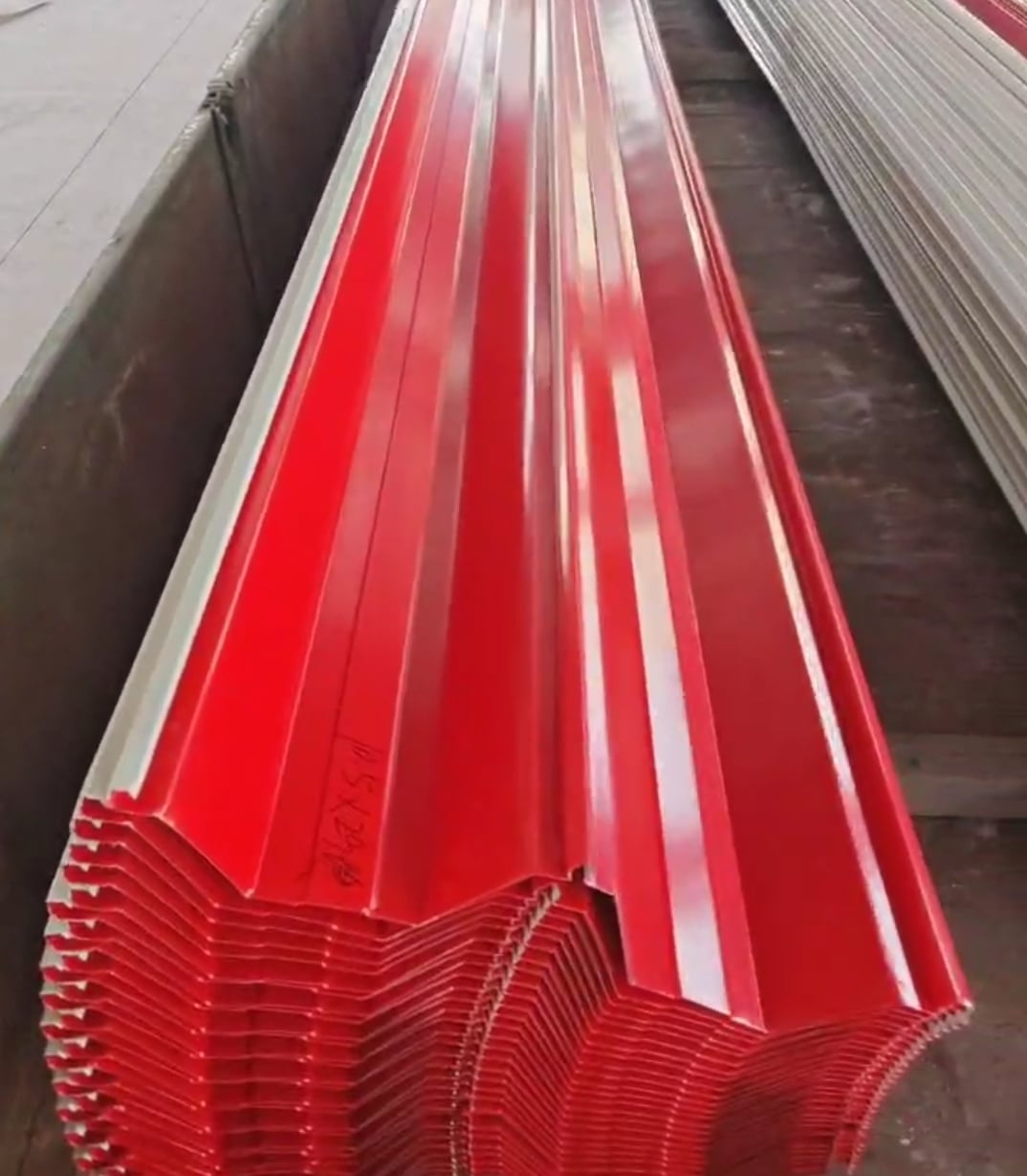
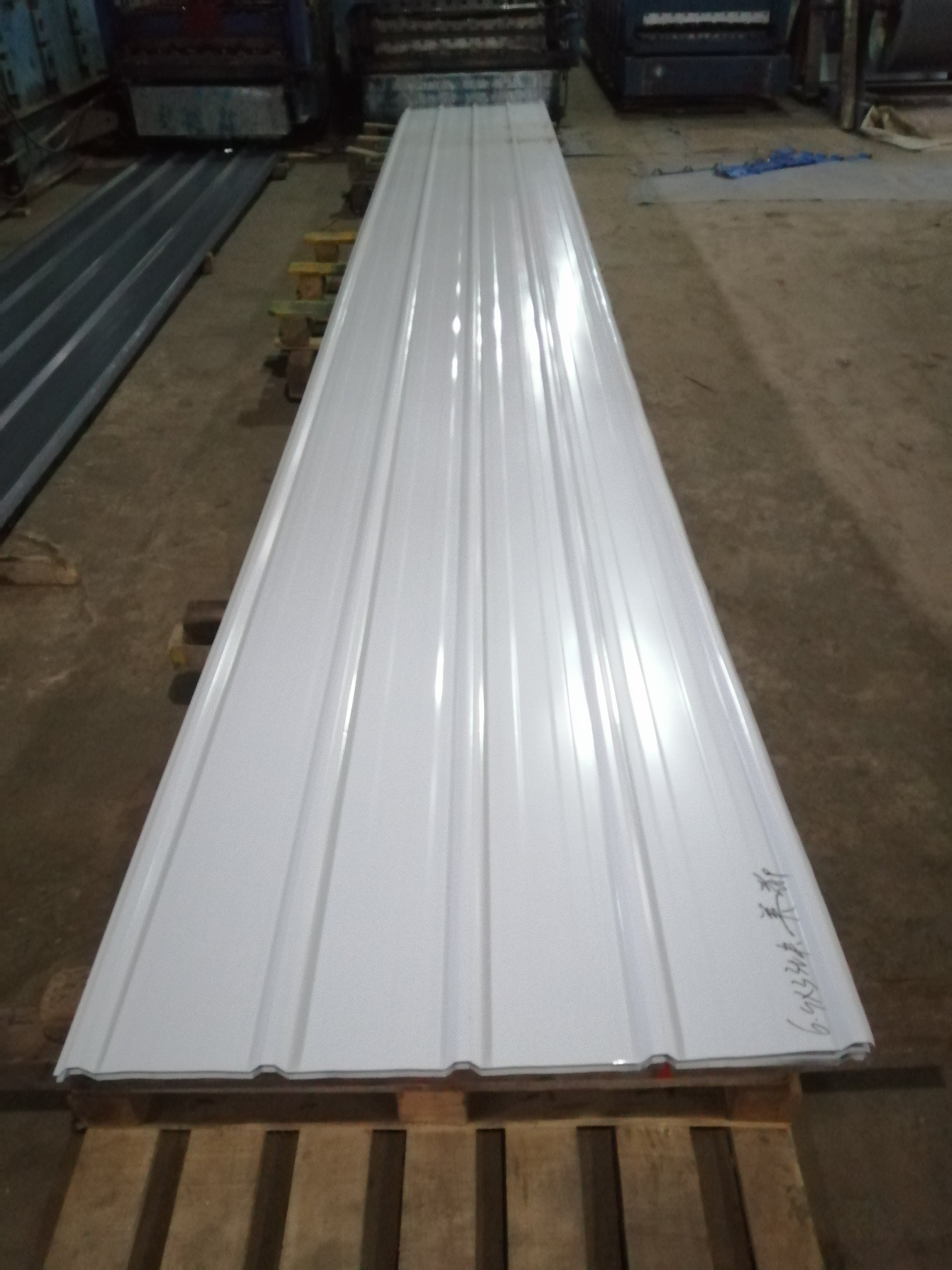
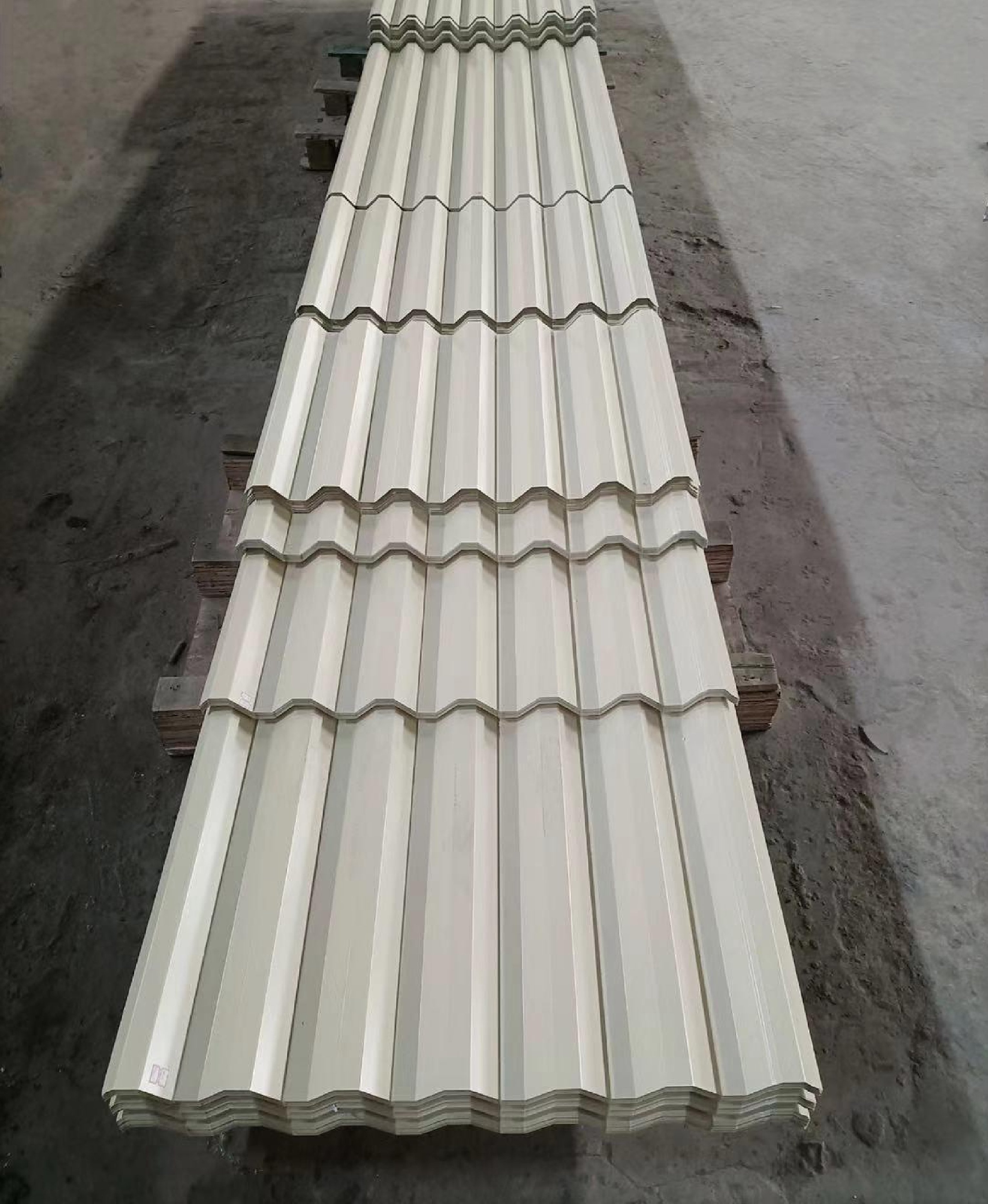
Ribbed roofing presents several advantages that make it a popular choice in various applications. Its strength and durability are among the primary benefits, making it suitable for both residential and commercial buildings. Additionally, ribbed panels are lightweight, which can reduce the overall structural load and facilitate easier installation.
The aesthetic appeal of ribbed roofing is another advantage. Available in various colors and finishes, it can enhance the visual aspects of a building. Its design also promotes excellent water drainage, reducing the risk of leaks.
However, there are also disadvantages to consider. Ribbed roofing may be more susceptible to denting compared to solid panels, particularly in extreme weather conditions. Moreover, the manufacturing quality can vary significantly between suppliers, making it crucial to conduct thorough evaluations before purchasing.
In summary, ribbed roofing offers numerous benefits, but careful attention to quality and supplier selection is essential for ensuring its long-term performance. Understanding both the advantages and potential drawbacks will help you make a well-informed decision for your specific project needs.
 EN