Choosing Modern Steel Buildings for Your Project

application/modern-steel-buildings, application/modern-steel-buildings, 
Inquiry
Inquiry

modern steel buildings

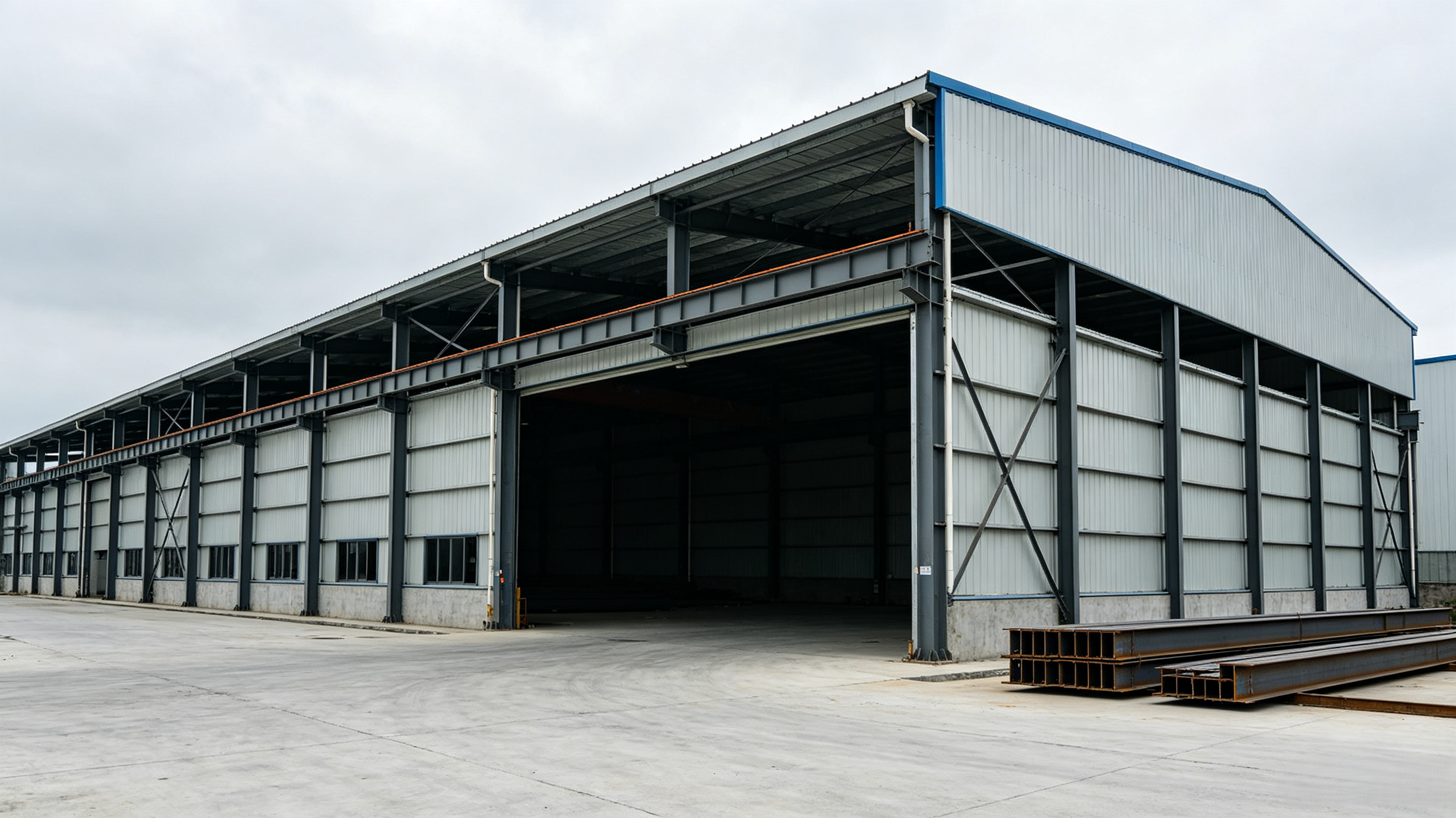
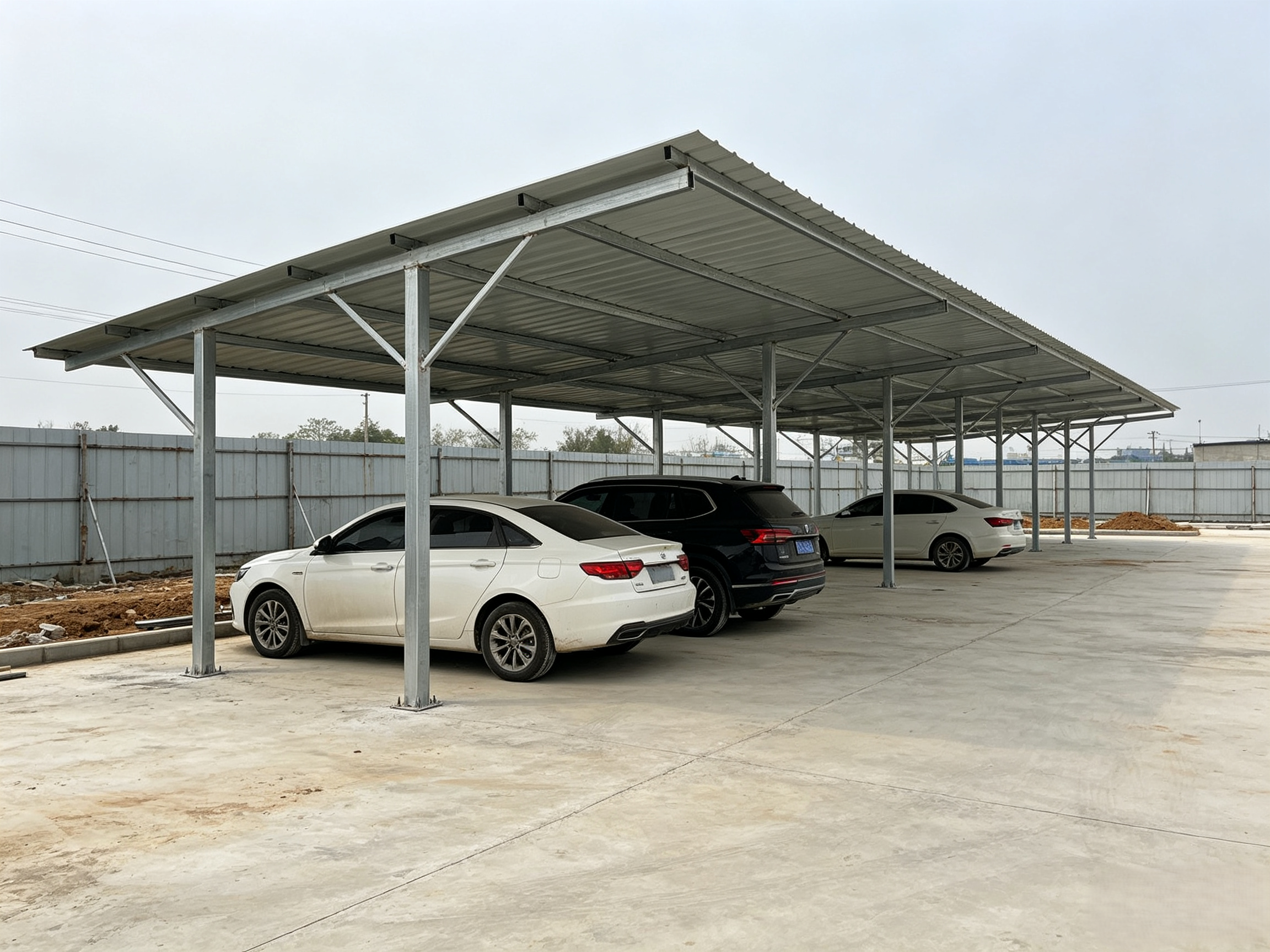
Modern steel buildings have  become  a popular  choice for various construction  projects due to their  durability,  versatility, and  cost-effectiveness. For  B2B buyers, including purchasing managers,  distributors,  and  engineers, the decision to  invest in modern steel buildings involves careful  consideration of project requirements, supplier quality,  and cost factors. This article will provide insights into selecting  the right  steel building, evaluating suppliers, understanding  key specifications, and navigating  cost considerations to  ensure a  successful procurement process.

Why choose Xingyuanxing modern steel buildings

Our Products

Choosing the Right Modern Steel Buildings for Your Project Needs

When selecting modern steel buildings, it’s essential to  first  define the specific needs of your project. Consider  the  building's intended use,  whether it's for industrial,  commercial, or residential purposes. Each application has different requirements, such as load-bearing  capacities, insulation needs,  and architectural designs.

Key factors  to evaluate include  dimensions, structural design, and material specifications. For example, a manufacturing facility  may require larger  spans and higher ceilings for machinery, while a retail space might focus  more on aesthetic  appeal and  customer access. Collaborating with a manufacturer like  Tianjin Xingyuanxing, which  specializes in  steel structure engineering and fabrication, can help ensure that your building  meets all necessary standards  and specifications. Additionally, considering the right Secondary steel structure can also enhance the overall design and functionality.

Frequently Asked Questions

Our Blog Posts

What Our Partners Say

How to Evaluate the Quality of Modern Steel Building Suppliers

How to Evaluate the Quality of Modern Steel Building Suppliers

Evaluating potential suppliers for modern steel buildings requires a thorough assessment  of  their  capabilities and reputation. Start by reviewing their experience  in the industry; a company with a  solid  history of successful projects, such as Tianjin Xingyuanxing's 10 years of experience in  the Beijing-Tianjin-Hebei region, is often a good indicator of reliability.

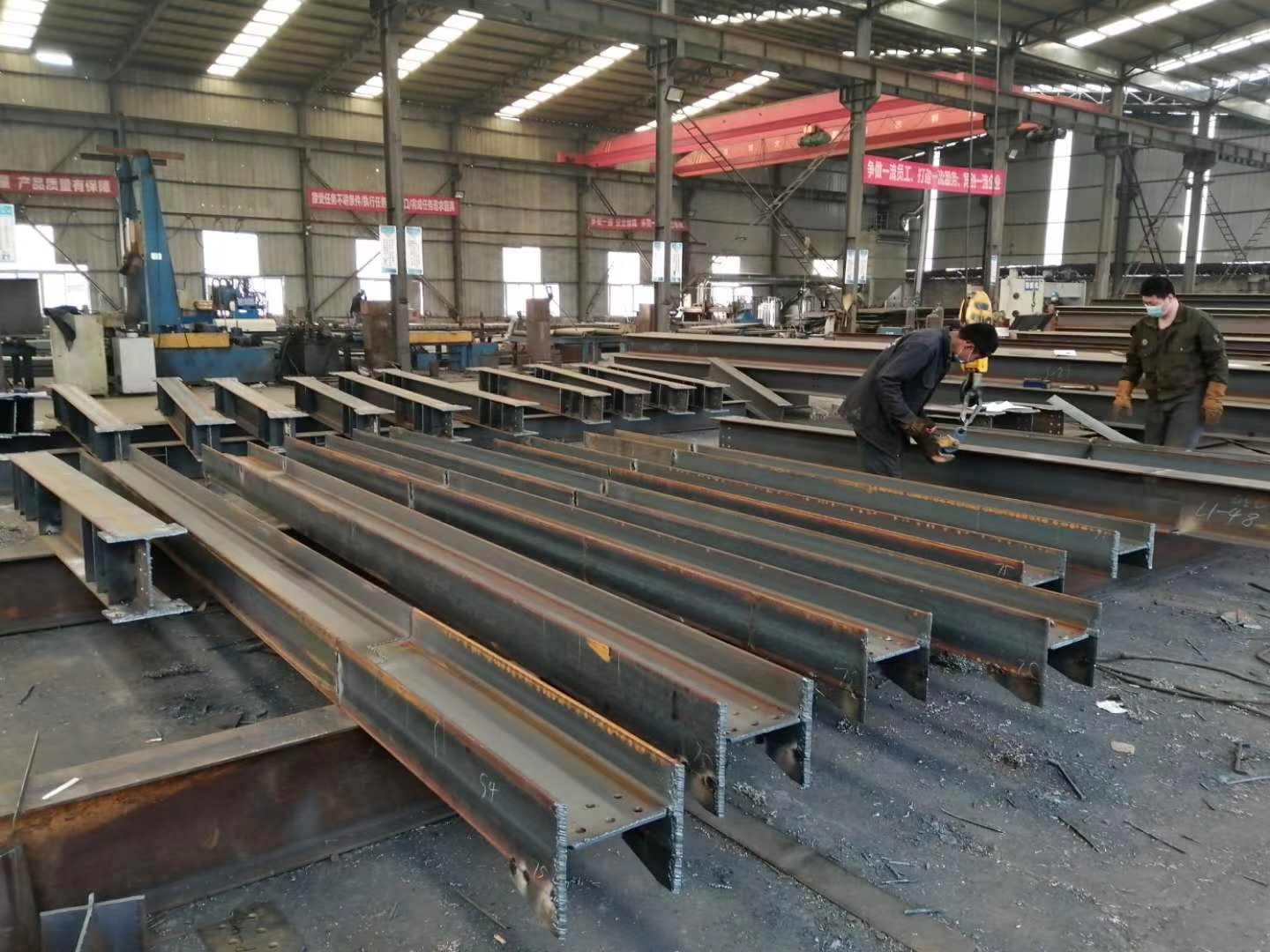
Look for suppliers  who possess relevant  certifications and quality control processes. Certifications  demonstrate compliance with industry standards, which  can impact the  durability and safety of the building. Additionally, inquire about their manufacturing capabilities, including production equipment and technology,  to ensure they can accommodate your  specific  requirements.

Request references from past clients and review case studies to understand their project success rates and the quality of  their installations.  A reputable supplier should be able to provide  evidence of their work and  customer satisfaction.

 
Key Specifications to Consider When Sourcing Steel Buildings

Key Specifications to Consider When Sourcing Steel Buildings

When sourcing modern steel buildings, several key specifications should be considered:

Material Type: The choice of steel, such as galvanized or pre-painted  steel, affects  corrosion  resistance and longevity. Galvanized  steel, for example, offers greater protection against environmental factors.

Thickness and Dimensions: The thickness of the steel  affects its load-bearing capacity. Ensure that the dimensions align with your project’s  requirements to avoid structural issues.

Design Codes and Standards: Verify that the  building complies with local building  codes and  safety standards. This compliance is crucial for avoiding legal and safety issues  later on.

Insulation and Energy Efficiency: For commercial  applications, energy efficiency can  impact operational costs. Consider  options for insulation and energy-efficient design features, including advanced Roof system solutions.

Customization Options: Determine  if the supplier can  accommodate specific design requests or modifications, which can be  critical for unique projects.

Understanding these specifications will help ensure that your building is suitable for its  intended  application and performs well  over its lifespan.

Understanding Cost Factors in Modern Steel Building Projects

Understanding Cost Factors in Modern Steel Building Projects

Cost is a significant  consideration when planning  a modern steel building project. Several factors influence  pricing, including material costs,  labor, and project complexity.  Here are a few key cost components to consider:


Material Costs: Prices for steel can fluctuate  based on market conditions. When sourcing, ask for  detailed  quotes  that  break down material  costs to understand your budget impact.

Labor Costs: Installation complexity can significantly affect labor expenses. More intricate designs or challenging site conditions  may require specialized  labor, increasing overall costs.

Customization and Design Fees: Custom designs may incur additional fees. Ensure that you clearly communicate your requirements to avoid unexpected costs.

Lead Times: Longer  lead times can increase costs due to storage and financing. Confirm production timelines with your supplier to align your budget and  project schedule.


Maintenance and Operational Costs: Consider long-term costs associated with maintenance and energy usage. A higher initial  investment in energy-efficient materials may yield savings over time.

Understanding these cost factors will enable you to  create a  more accurate budget and avoid potential financial pitfalls.

A Contractor's Guide

For  contractors, working with modern steel buildings  requires  careful planning and coordination. Here are some  essential steps to consider:

Project Planning: Begin by developing a detailed project plan that outlines timelines, budgets,  and resource allocation. Collaborate with your  steel building supplier for accurate timelines based on their production and  delivery capabilities.

Quality Control: Implement quality control measures during installation. Regular inspections throughout the construction process ensure that the building meets all specifications  and safety standards.


Communication: Maintain open lines of communication with your steel  supplier and subcontractors. Regular updates and discussions can help preemptively address potential issues.

Review Samples: Before mass production, request samples or prototypes of critical components. This allows you  to assess material quality  and fit before committing to full-scale production.

Documentation: Keep thorough documentation of all  correspondence, contracts, and approvals. This  documentation is vital for resolving disputes and ensuring accountability throughout the project.

By  following these guidelines, contractors can effectively  manage modern steel building projects, ensuring  quality outcomes that meet client expectations.


Navigating the complexities of  modern steel buildings requires careful consideration of project needs, supplier evaluation, and cost factors. By leveraging the expertise of established manufacturers like  Tianjin Xingyuanxing, buyers can make informed decisions that align with their project goals.